11 Terms You Should Know Before Making Packaging
Packaging is more than just “a simple box.” Perfect product packaging can satisfy and captivate customers’ eyes. That’s why packaging can determine whether a product ends up in a customer’s cart or remains sitting on the shelf. Recognizing a brand through the right packaging not only helps drive sales, but also strengthens a loyal, dedicated customer base that continues to trust your products, which is why you have no choice but to pay attention to packaging design if you want to put your product first at all times.
Packaging is more than just “a simple box.” Perfect product packaging can satisfy and captivate customers’ eyes. That’s why packaging can determine whether a product ends up in a customer’s cart or remains sitting on the shelf. Recognizing a brand through the right packaging not only helps drive sales, but also strengthens a loyal, dedicated customer base that continues to trust your products, which is why you have no choice but to pay attention to packaging design if you want to put your product first at all times.
Shall we start making packaging?
It’s okay if you’ve never created a custom package for a product before. Understanding a few basic elements of packaging design makes the starting process much less intimidating. Familiarizing yourself with a few common packaging terms will make the packaging development process much easier.
Custom box production is very simple. Give it a try!
First key element of packaging production: Dieline
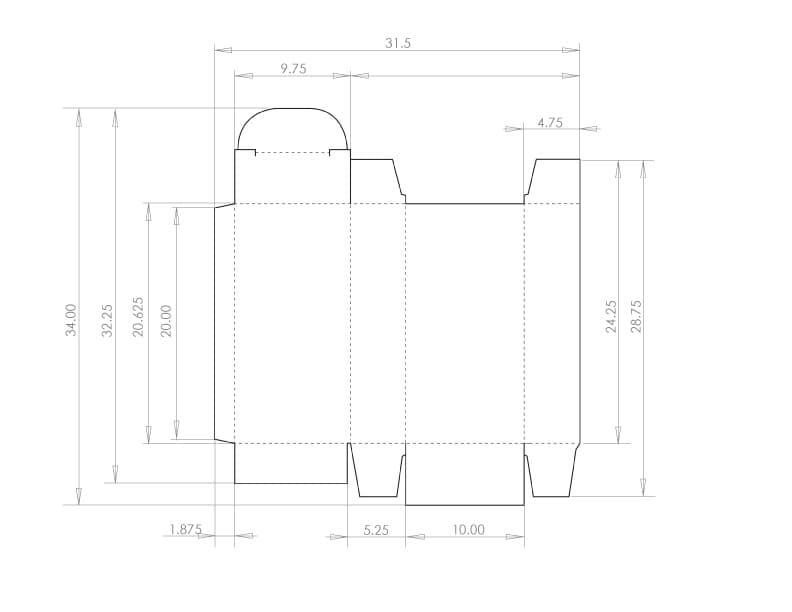
A dieline is a 2D representation of 3D packaging, allowing you to display the design for a flat, unassembled box. Dielines are important because they guide both designers and print shops in correctly determining the layout and placement of each artwork element to be printed on the box. They also serve as instructions for equipment operators on how to precisely cut, crease, and glue the box structure.
 Source: carolinakimdesign
What to know before making packaging: CMYK and RGB
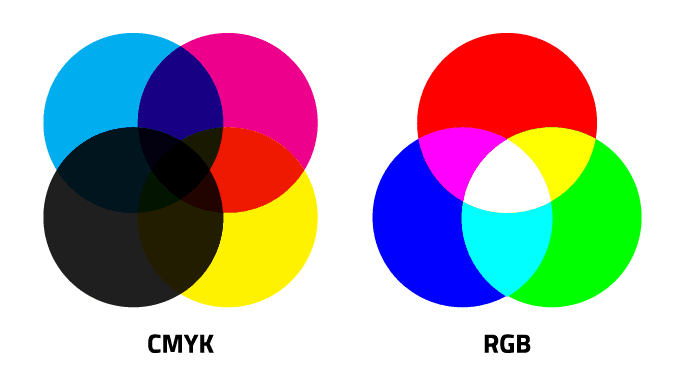
CMYK refers to the four inks used in color printing: Cyan, Magenta, Yellow, and Key (black). The CMYK model generally works by partially or fully masking colors on a bright white background. The RGB color model (used for website displays) is an additive color model that combines red, green, and blue light in different ways to reproduce a wide range of colors.
Helpful article for packaging design: Packaging Design Color Guide: A to Z for Non-Designers
 Source: https://trillioncreative.com/difference-between-cmyk-and-rgb/
Packaging printing: Spot color printing
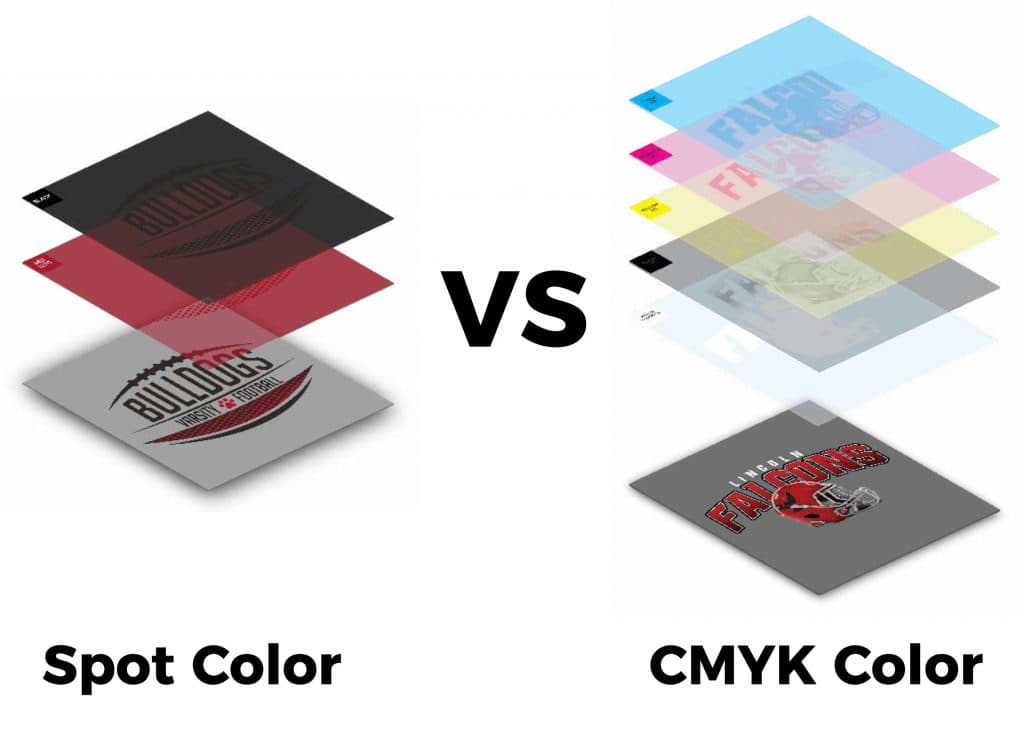
Spot color is an ink color printed in a single run. These standard ink selections are pre-mixed from a numbered list commonly provided by PMS (Pantone Matching System) in North America. The color is applied only to the designated area for that specific color, which helps ensure consistency and reduce printing costs.
Must-read if you’re considering packaging production: From Pantone to Spot Color – Printing Basics!
If you’re curious about the representative color of 2022: Check Out Pantone’s Color of the Year
 Source: https://blog.fmexpressions.com/understanding-spot-colors-vs-cmyk-color
Packaging finishing process: Foil stamping (gold foil, silver foil, etc.)
Hot stamping is used in the food, tobacco, luxury goods, and alcoholic beverage packaging industries. It is a way of decorating packaging by transferring an image onto paperboard or plastic using a thin film or foil. This process uses heat and pressure to release the image from the carrier film onto the substrate, creating a laminate.
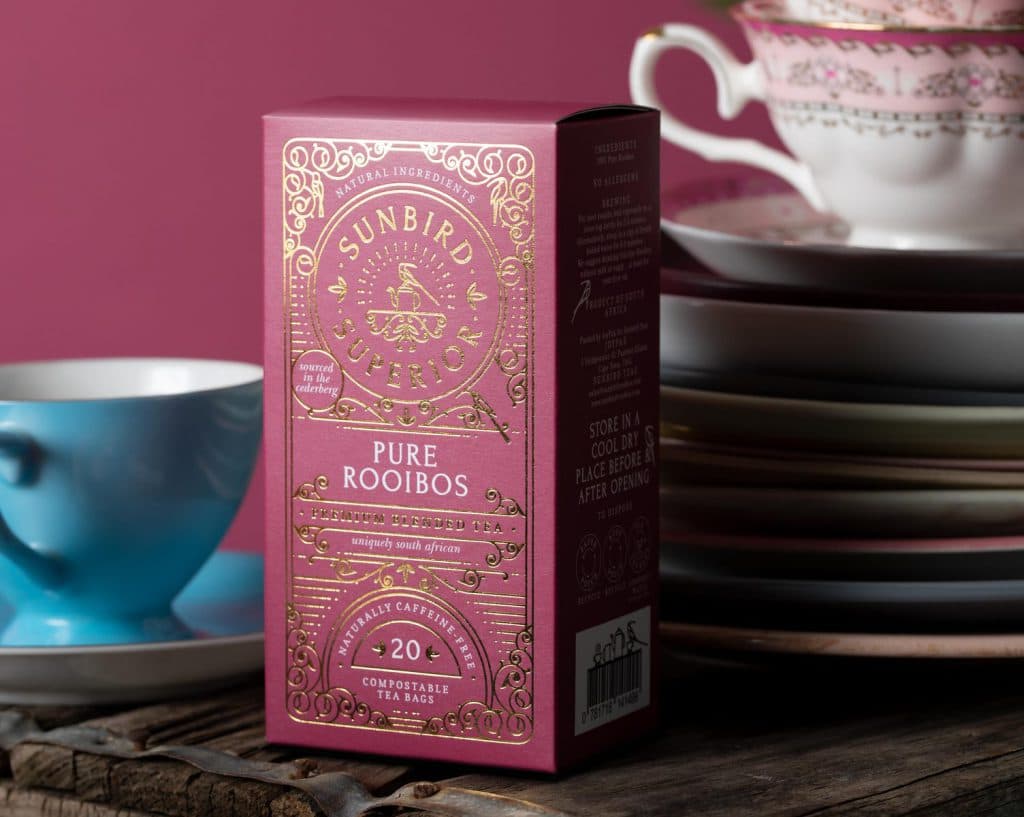 Source: Sunbird Rooibos Teamakers
Packaging finishing process: Embossing / debossing
Embossing is used to raise a design. It can be a text or image pressed up through thick paper from below, and ink or foil may be applied to the embossed area.
Debossing is the opposite of embossing. It creates an impression of the image into the paperboard from above. Like embossing, debossing can have ink applied to the image when printed. Embossing requires a separate die, while debossing uses only one die.
Must-read if you’re considering packaging production: Essential Checklist to Review Before Ordering Packaging Boxes
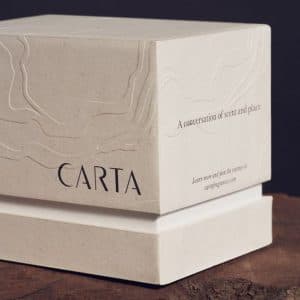 Source: Carta, Douglas&BEC
Packaging elements that change depending on weight: Corrugated flute
Flute refers to the weight or thickness of paperboard. It is mainly considered for the level of product protection the material can provide. When using corrugated packaging, it is called flute.
If you’re interested in packaging production, must-read! 5 Essential Rules of Packaging Design (Must Read When Making Packaging Boxes!)
Elements you should know when making packaging: Primary packaging
Primary packaging is the layer that contains the product itself. It is designed with the product in mind and provides protective elements for storage. Examples of primary packaging include shrink wrap, clamshell packaging, and blister packs.
Elements you should know when making packaging: Secondary packaging
Secondary packaging differs from primary packaging because it does not come into direct contact with the product. Secondary packaging serves as a marketing tool for branding and presentation, and is used for logistical purposes such as transportation and storage.
Packaging printing method: Flexographic printing
Flexographic printing involves the use of plates in the printing process. It usually includes simple colors and is a good option when printing packaging designs that do not change much. Since printing plates must be paid for upfront, it may feel expensive at first.
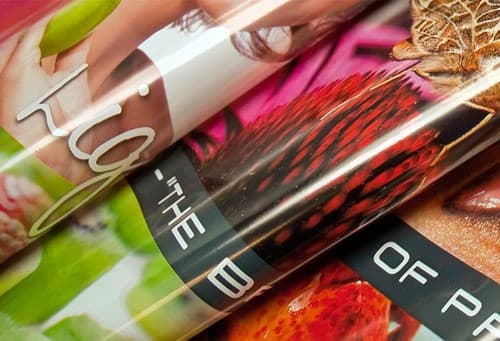 Source: https://www.esko.com/ko/products/digital-flexo-platemaking/cdi
Packaging printing method: Offset printing
Offset printing also uses plates, but it is intended for more sophisticated and detailed designs. It delivers the highest print quality on every package, especially when printing in large quantities. However, because of its quality, it is also the most expensive printing option.
Must-read if packaging production feels overwhelming: 5 Common Mistakes When Ordering Packaging Box Production
Packaging printing method: Digital printing
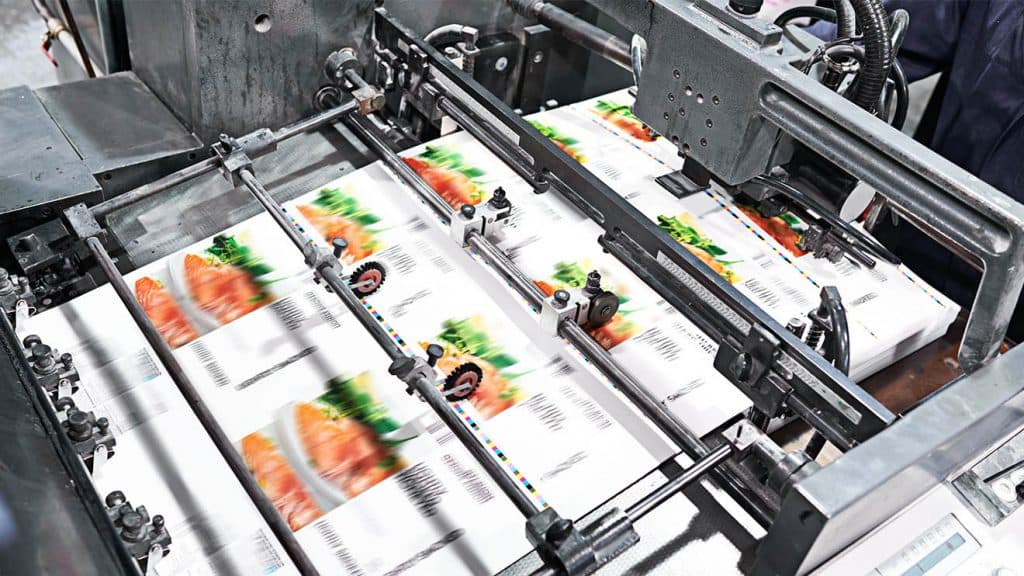
Digital printing uses CMYK ink colors and is a common printing method, often used in home computer printers. Because it does not use printing plates, there are no setup costs, making it very cost-effective. It is a good way to get started with packaging design when you need multiple colors and the artwork changes frequently.