A Comparison of Packaging Insert Types: What Are the Differences Between Paper, Plastic Gyeottobashi, and Sponge?
Hello, this is Packative. The element that stands out the least in packaging, yet protects the product the most reliably, is the internal pad. Internal pads, which prevent impact, shaking, and crushing, are the hidden detail that determines a product’s overall finish. Depending on which pad you choose, the brand impression, product stability,...
Hello, this is Packative.
The element that stands out the least in packaging, yet protects the product the most reliably, is the internal pad.
Internal pads, which prevent impact, shaking, and crushing, are the hidden detail that determines a product’s overall finish.
Depending on which pad you choose, the brand impression, product stability, and even the customer experience can change. Take a closer look at the characteristics of each pad and consider which structure is best suited to your brand.
What Is an Internal Pad?
An internal pad is a support structure that holds the product in place inside the package so it does not shift around and protects it safely from external impact. The appropriate pad is usually selected based on the product’s weight, material, and price range, and it may also vary depending on the brand’s environmental philosophy or presentation direction.
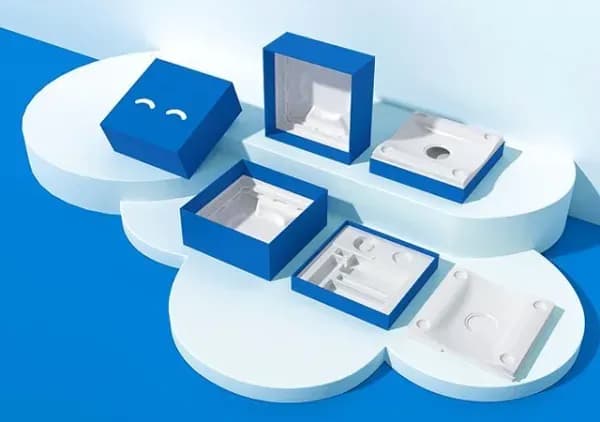
Internal pads are also referred to by various terms such as insert, cushioning material, tray, or separator. They all share the common role of wrapping and protecting the product. In particular, “gyeottobashi” is a Japanese term commonly used in the industry to refer to a plastic mold, meaning a plastic insert produced through vacuum forming.
 Plastic Gyeottobashi
Comparison of Internal Pad Types (Paper, Plastic Gyeottobashi, Sponge)
🔹Paper Pad
Paper pads made from recycled paper, corrugated board, and similar materials are lightweight and relatively inexpensive, making them cost-effective. They are also recyclable, which makes them effective for building an eco-friendly brand image.
Depending on the product weight, they can be made with lightweight paper or with sturdier corrugated board.
(🧩Sukidoki Permanent Stamp Set Paper Internal Pad Production Review)
(🧩Fulltamtam Farm Food Gift Set Corrugated Internal Pad Production Review)
🔹Plastic (Gyeottobashi) Pad (Plastic Pad)
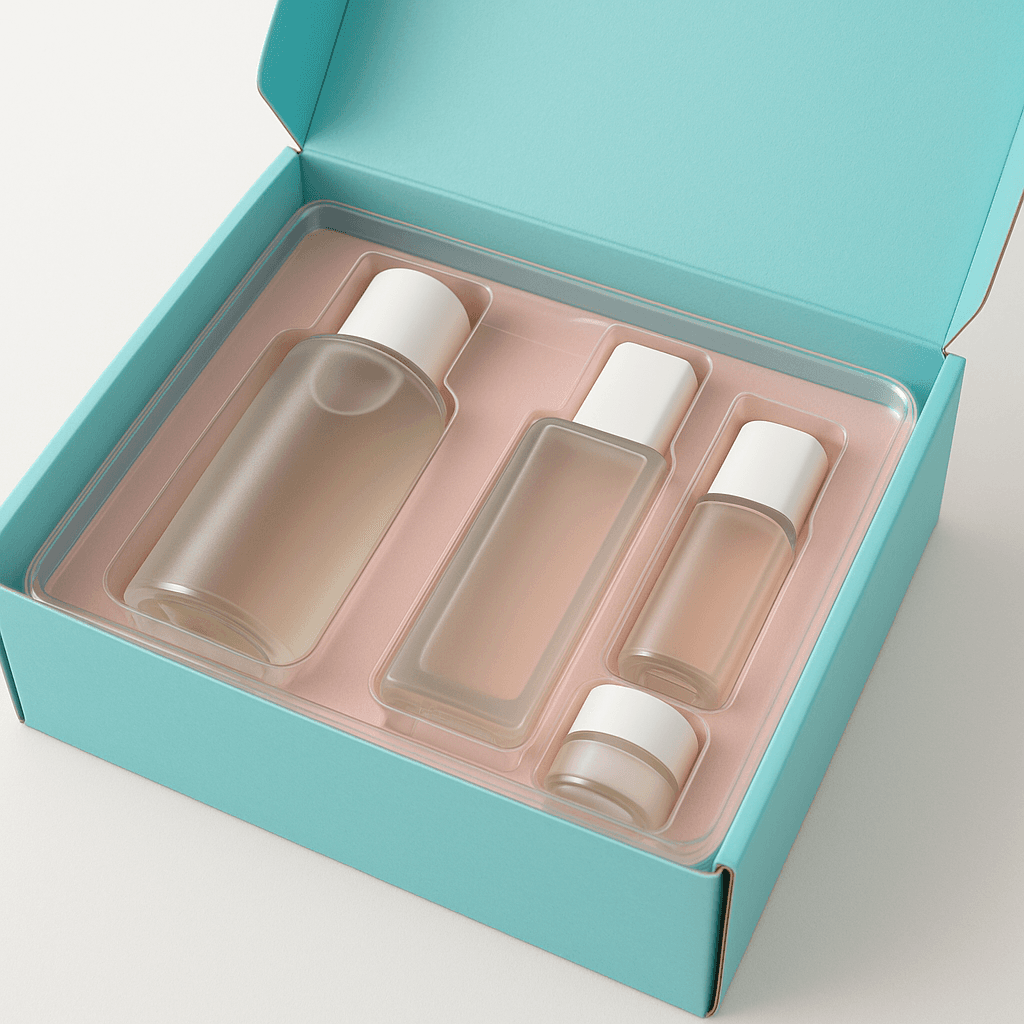
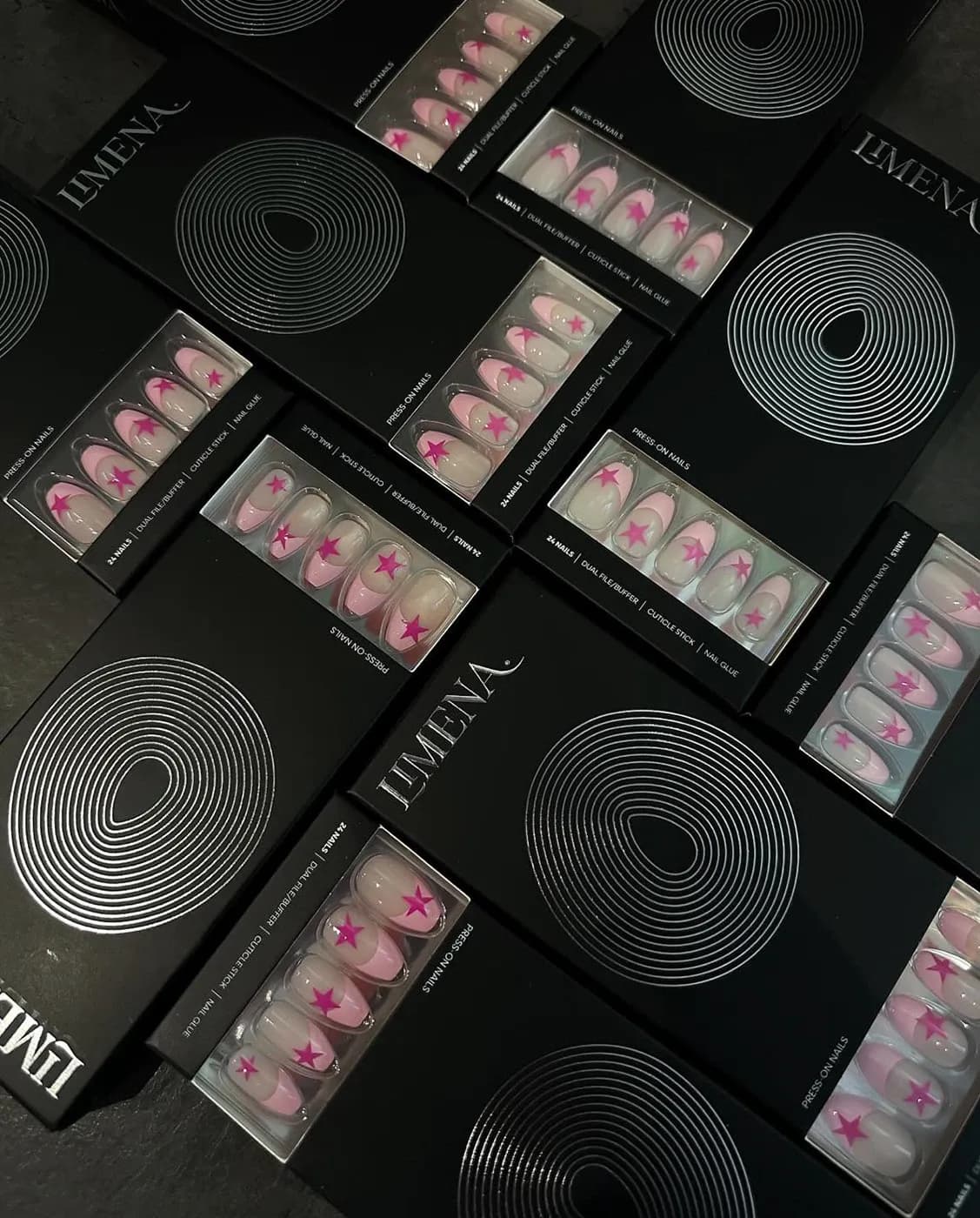
Plastic pads molded from PET or PS offer excellent shape retention and moisture resistance. They are a suitable choice when you want to clearly showcase the structure or design of the product.
🔹Sponge Pad
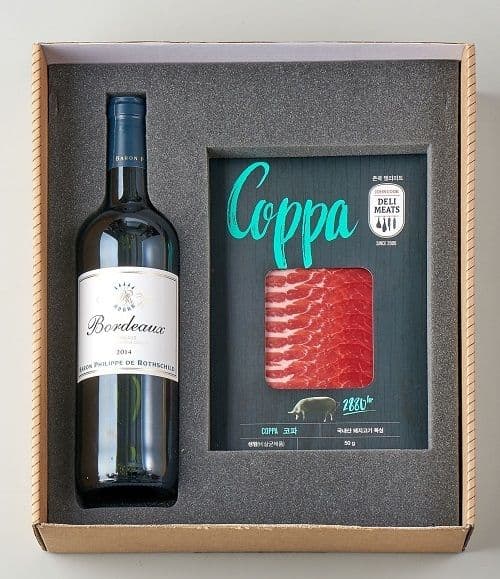
Using high-density materials such as EVA and PE foam, sponge pads offer the best shock absorption of the three types. They are widely used for premium packaging and for protecting glass or electronic products. They can be custom-cut to suit a wide range of products, but they tend to be more expensive.
 Source: @newscj
☑️Summary Comparison of Internal Pad Types
| Item | Paper Pad | Plastic Pad | Sponge Pad |
| Main Materials | Recycled paper, corrugated board | PET, PS | High-density foam such as EVA, PE foam |
| Advantages | ·Lightweight and inexpensive·Recyclable | ·Neat molded shapes·Excellent moisture resistance | ·Excellent shock absorption·Custom cutting available |
| Disadvantages | Weak against moisture | Less aligned with an eco-friendly image | High unit cost and difficult to recycle |
| Cost Efficiency | Excellent | Above average | Low |
| Recommended Products | Lightweight products such as postcards, clothing, and small goods | Cosmetics, electronics, bottles, and more | Premium perfumes, glass items, gift sets, and more |
Choosing an internal pad that takes into account not only product protection performance, but also the brand image and budget, is a key factor that determines the package’s overall finish. Refer to the table above and choose the pad that best suits your product.
How Is Internal Pad Production Carried Out?
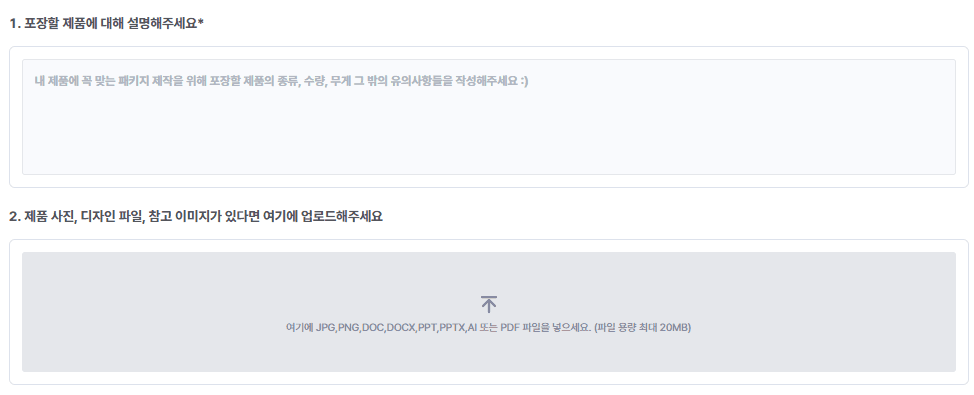
At Packative, once a quotation request is submitted, if you provide the actual product, we design an internal pad tailored exactly to that product . 📝**When submitting a quotation request, please attach information about the product requiring the internal pad, its dimensions, example images, and more. This will help us provide a faster and more accurate quote, so please keep this in mind.**👀
 Packative box quotation inquiry
🔽Go to the Packative website now🔽
Custom packaging 3D design & production, fast and easy! | Packative
🔽Request a quote for custom box production🔽
Real-time quotation inquiry for custom box production | Packative