Eco-Friendly Marketing - Changes in Consumer Trends and Various Packaging-Based Strategies
Today’s society is more concerned about environmental issues than ever before. It is no longer enough to simply care; as marketers and business owners, we must pay attention to our surroundings and make eco-friendly changes. In other words, we must recognize that this is the era of mandatory eco-friendly marketing and put it into practice. The value of the individual i...
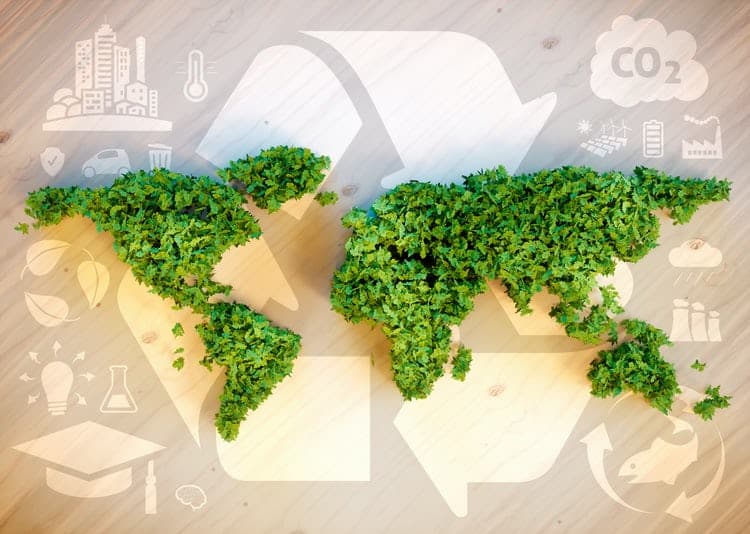

Today’s society is more concerned about environmental issues than ever before. It is no longer enough to simply care; as marketers and business owners, we must pay attention to our surroundings and make eco-friendly changes. In other words, we must recognize that this is the era of mandatory eco-friendly marketing and put it into practice.
We have moved beyond an era in which personal values were seen as separate from a business’s direction. Now, we must consider the values that individual consumers prioritize. Research shows that one of the main reasons internet users convert to purchasing a product or service is because they believe the brand’s values align with their own.
As environmental concerns and interest receive more media exposure than ever, eco-friendly marketing is becoming the foundation of many brands and modern marketing strategies.
Although environmental issues can sometimes be divisive, they are becoming increasingly important to consumers. Brands should naturally view eco-friendly issues positively and align themselves with eco-friendly and mandatory eco-friendly trends.
If you’re curious about how the market is changing rapidly: MZ Generation and COVID-19
Environmental Issues Consumers Worry About
Have you ever watched TV and seen an ad dealing with environmental issues?
 Source: Asia Magazine
Eco-friendly ads featured in the media show that a brand is taking part in environmental efforts, placing the same weight on purchasing a product or service as on joining that cause.
Actively sharing environmental campaigns and decorating ads with eco-friendly marketing messages is by no means a bad thing. If it can have a positive environmental impact, directly or indirectly, it is always a worthwhile marketing strategy.
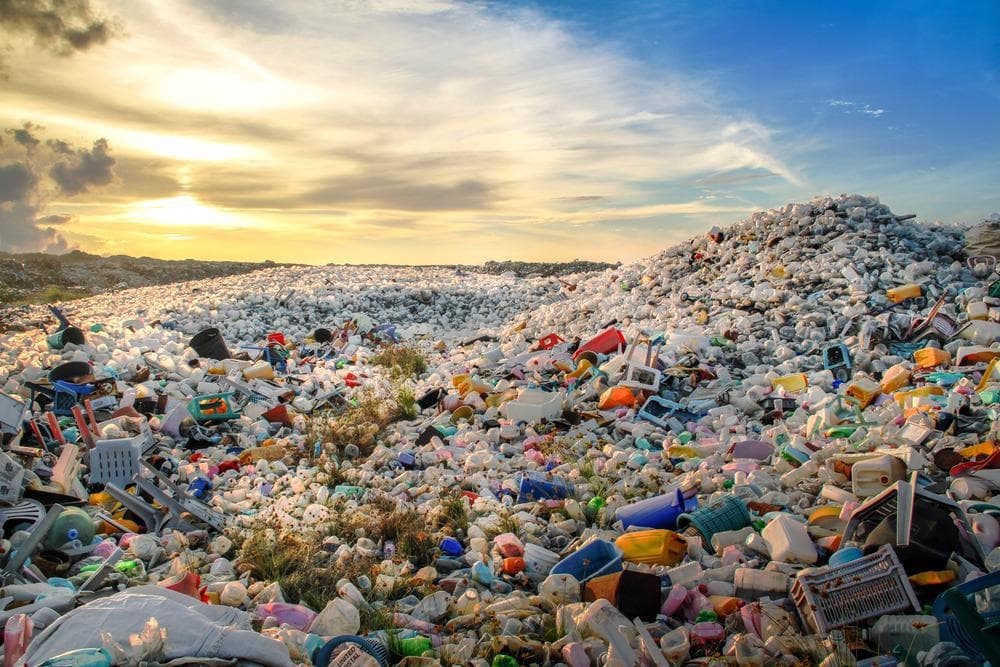
The environmental issues most commonly covered in the media include the following:
- Plastic pollution
- Deforestation
- Agriculture
- Global warming
- Recycling
If your business is in an industry that directly or indirectly affects these issues, now is the time to adjust your strategy and consider choosing eco-friendly marketing.
If you want to learn about eco-friendly materials that are not harmful to the environment, see Learn About Eco-Friendly Materials
What Is Eco-Friendly Marketing?
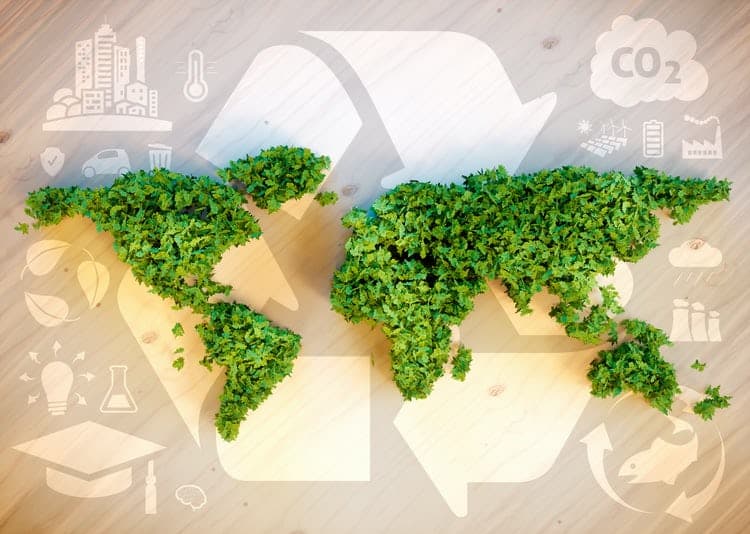
Eco-friendly, green, or eco marketing is a marketing method that uses environmental issues as a marketing strategy to help achieve a company’s goals. For example, a brand that uses recycled materials in its packaging might build an advertising campaign around that to increase product sales.
Among industry leaders, eco-friendly marketing has become more common, and this trend is extending not only to large corporations that want to harness the power of eco-friendly marketing and make a positive environmental impact, but also to a wide range of other businesses.
Still not sure why eco-friendly marketing is necessary? Optimize Efficiency with Eco-Friendly Packaging Materials
How Should We Do Eco-Friendly Marketing?
If you are not already running an eco-friendly campaign, you should start looking for ways to approach your industry in a greener way.
Regardless of the products or services you sell, there are opportunities in every industry and for every business to influence eco-friendly change and harness the power of eco marketing.
Eco-Friendly Packaging: Start Before It’s Too Late
Single-use plastic is a major environmental issue that many brands and companies are trying to move away from. With so much consumer behavior shifting online in the wake of COVID-19, the most efficient way to implement eco-friendly marketing is through eco-friendly packaging.

In fact, following tax changes in the UK, supermarket chains had to charge for plastic bags that had previously been free. This helped reduce nationwide plastic bag consumption by 80%, and consumers welcomed the move with a positive response, even being glad to take part in the effort.
According to surveys, 60-70% of customers want to use eco-friendly packaging even if it costs a little more. In addition, 52% of customers said they would be willing to purchase similar products that use eco-friendly packaging.
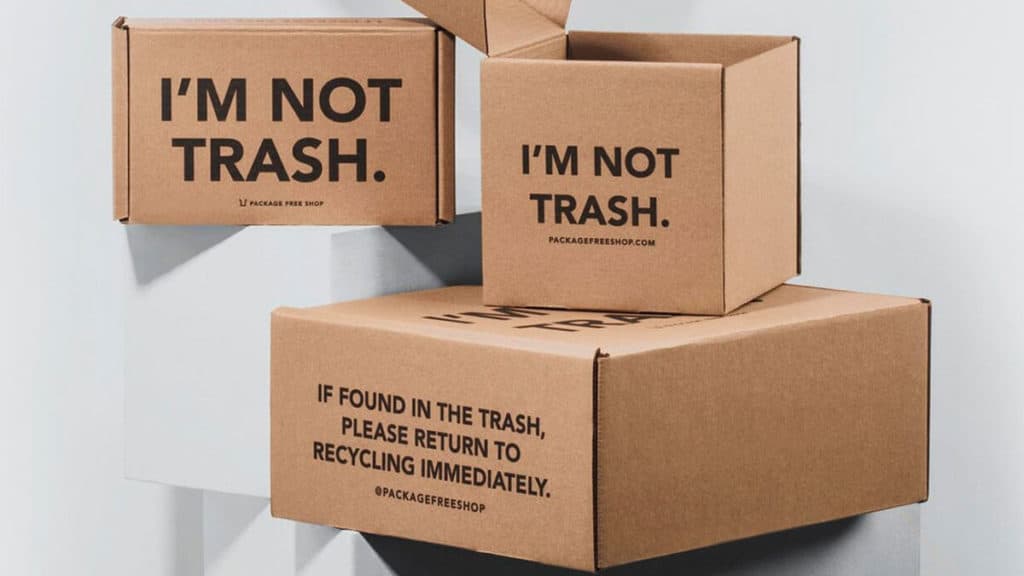
With a simple change in product packaging, a brand can share an eco-friendly image through a “made with recycled materials” label and become part of eco-friendly marketing in a meaningful way.
In today’s age of increasing dependence on delivery services, all companies should keep open the possibility of using recyclable materials such as paperboard, paper, and wood instead of plastic and similar materials. If shipping boxes must be used, it is essential in this mandatory eco-friendly era to develop and normalize recyclable shipping boxes using eco-friendly boxes.
For businesses engaged in e-commerce, it is time to rethink how products are packaged and shipped so they can keep pace with mandatory eco-friendly trends by using eco-friendly or recycled boxes.
If you’d like to learn more about eco-friendly packaging materials and eco-friendly packages: What Is Eco-Friendly Packaging?
Mandatory Eco-Friendly Marketing, A Unique Idea
The idea that a product is used for its purpose and then thrown away once its life cycle ends is the way we have always thought and acted. Since it has always been taken for granted, no one would ever think that there is anything wrong with it.
Eco-friendly marketing can offer a major advantage here. If items that would otherwise be discarded can be used to create new products, it becomes a way to address both unnecessary material waste and waste disposal at the same time. In fact, many companies are recycling packaging to align with mandatory eco-friendly trends. For example, NIKE does not simply discard old shoes, but reuses salvageable parts for new clothing, sportswear, and shoe surfaces. Apple refurbishes old products for resale or reuses all reusable components in other products.
 Source: Apple website
As shown above, if eco-friendly packaging can also be recycled through a unique idea, it can bring a major advantage to eco-friendly marketing.
 Source: Samsung Electronics website
For example, Samsung Electronics introduced small furniture shipping boxes in the first half of 2020 as eco-friendly boxes, such as recyclable shipping boxes, to consumers. As Samsung Electronics expected, millennials and Gen Z responded positively, praising the dedicated and eco-friendly packaging as aligned with their values of prioritizing environmental protection.
If you want to produce eco-friendly boxes, Contact us if you need eco-friendly packaging

Conclusion on Eco-Friendly Marketing
Eco-friendly marketing demonstrates a company’s social responsibility and aligns very well with current consumer trends.
Consumers are increasingly looking for eco-friendly brands and companies that value their personal beliefs.
In response, we must change.
Eco-friendly marketing will continue to exist, and as its presence grows, its importance in the minds of target consumers will grow as well.
If you seize the opportunity to do something good for the world while also reshaping your business balance, it will be a great opportunity for growth on all fronts.
If you need eco-friendly packaging for eco-friendly marketing, contact Packative