Everything You Need for Box Production
Box production goals Depending on whether the box you want to produce is simply meant to beautifully package retail products for display on store shelves or whether the box itself will be delivered to customers through shipping, the considerations for choosing the right box will differ. In general, mailer and shipping boxes should be made as sturdy as possible so the box itself is not damaged and the product inside can be delivered safely. ...
Box Production Goals
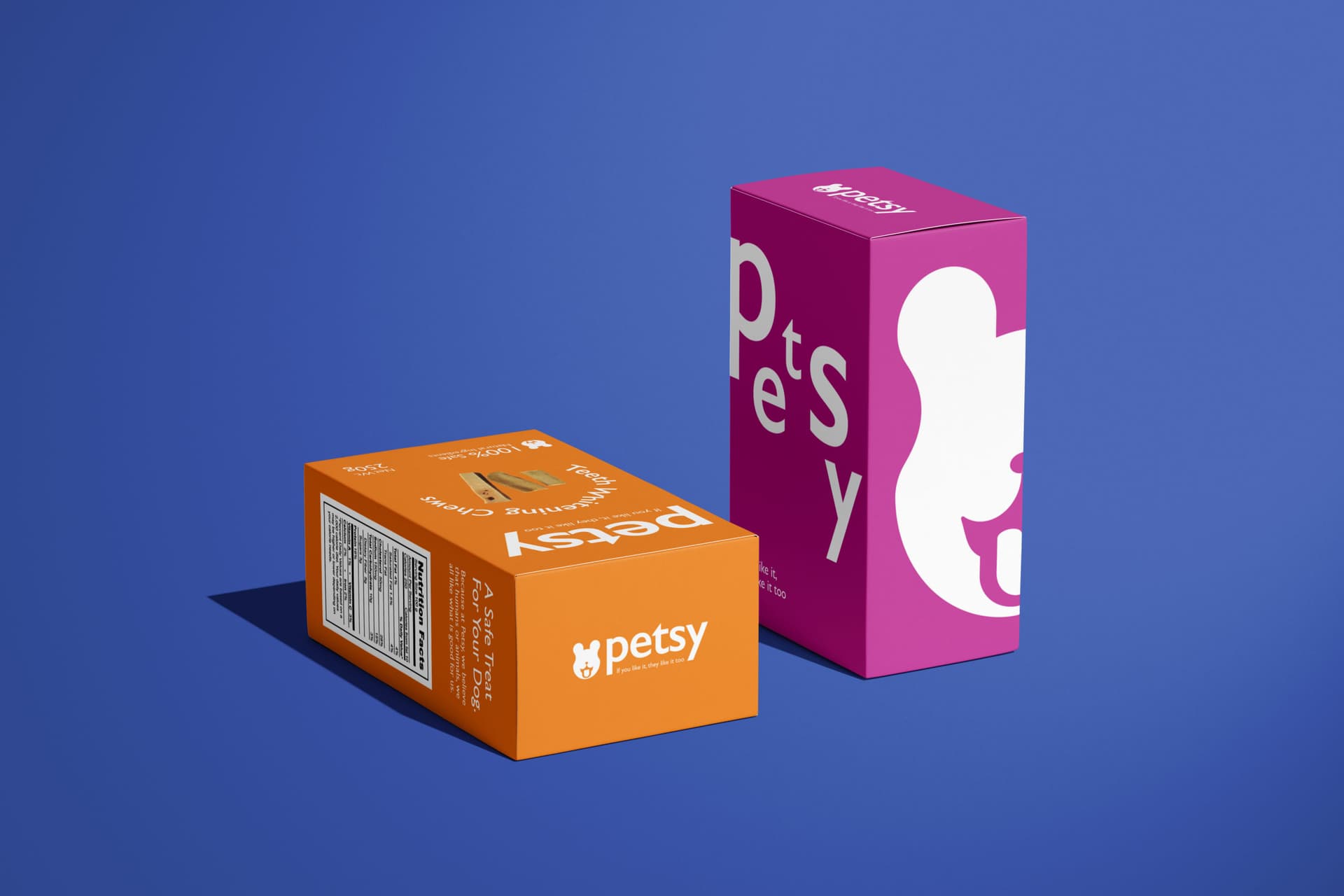
Depending on whether the box you want to produce is simply meant to beautifully package retail products for display on store shelves or whether the box itself will be delivered to customers through shipping, the considerations for choosing the right box will differ.
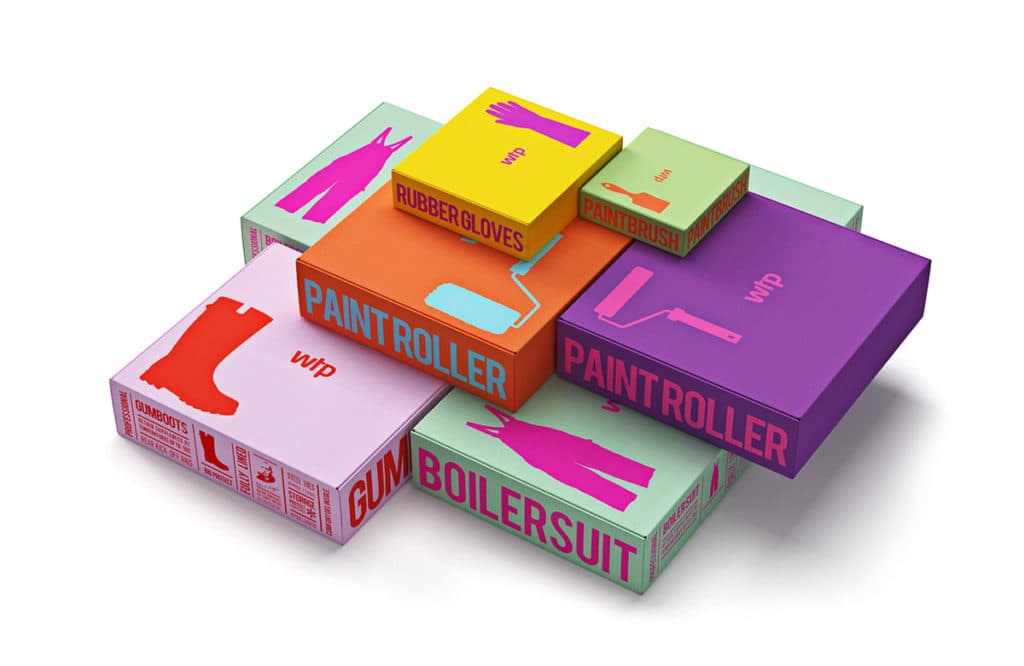
In general, mailer and shipping boxes should be made as sturdy as possible so the box itself is not damaged and the product inside can be delivered safely. On the other hand, boxes meant for product display need outstanding design and vivid print quality so consumers are instantly drawn to the package.
Therefore, rather than thinking only about the product inside, you should produce the box after considering how it will be handled most often in use.
Take a closer look at the checklist you should review before box production 더 살펴보기
Box Production Costs
Have you decided how much you can spend on boxes? Will the brand cover the full box cost, or will consumers be able to buy the box separately? Without answers to these questions, box production costs cannot be calculated.
If you’re curious about box production costs, this is a must-read: Wondering how much packaging box production costs are?

Also, if it’s difficult to estimate the cost of producing boxes, consider the price of the products you usually sell. Boxes are part of the product, too. In any case, if you’re creating a special-edition package for a special season and the quantity is small, or if you want to emphasize that the product is premium, the unit cost of box production can become much higher. So we recommend prioritizing production cost first, then deciding which box to make.
If you’re working on package design, see also: A guide for packaging beginners
Box Types to Review Before Production
Packative-Made Boxes – Mailer Box (G-Type Box):
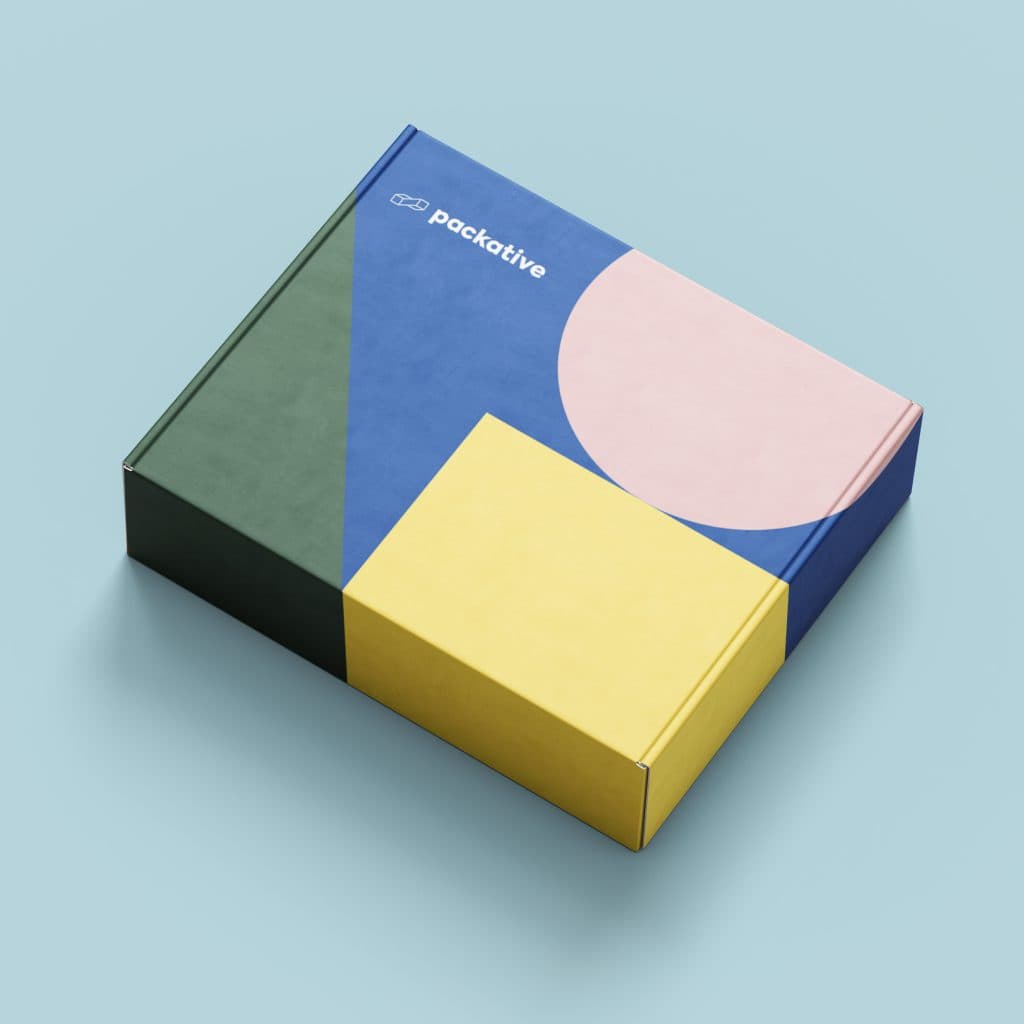
A G-type box is characterized by a pre-formed bottom structure and a top lid that closes with a hook-style mechanism. Thanks to its sturdy closing structure, it is often used for products that require cushioning and for shipping a wide range of products by courier. G-type boxes are also known by several other names: because the flaps resemble an airplane with wings that add strength to the structure, they are often called airplane boxes, and because they securely package products for shipping, they are also called mailer boxes. Packative’s G-type boxes combine printed paper with corrugated board to ensure both the strength of corrugated material and the sharpness of print quality.
[Learn more about G-type boxes]
If you want to produce a G-type box
Packative-Made Boxes – Product Box (Folding Carton):
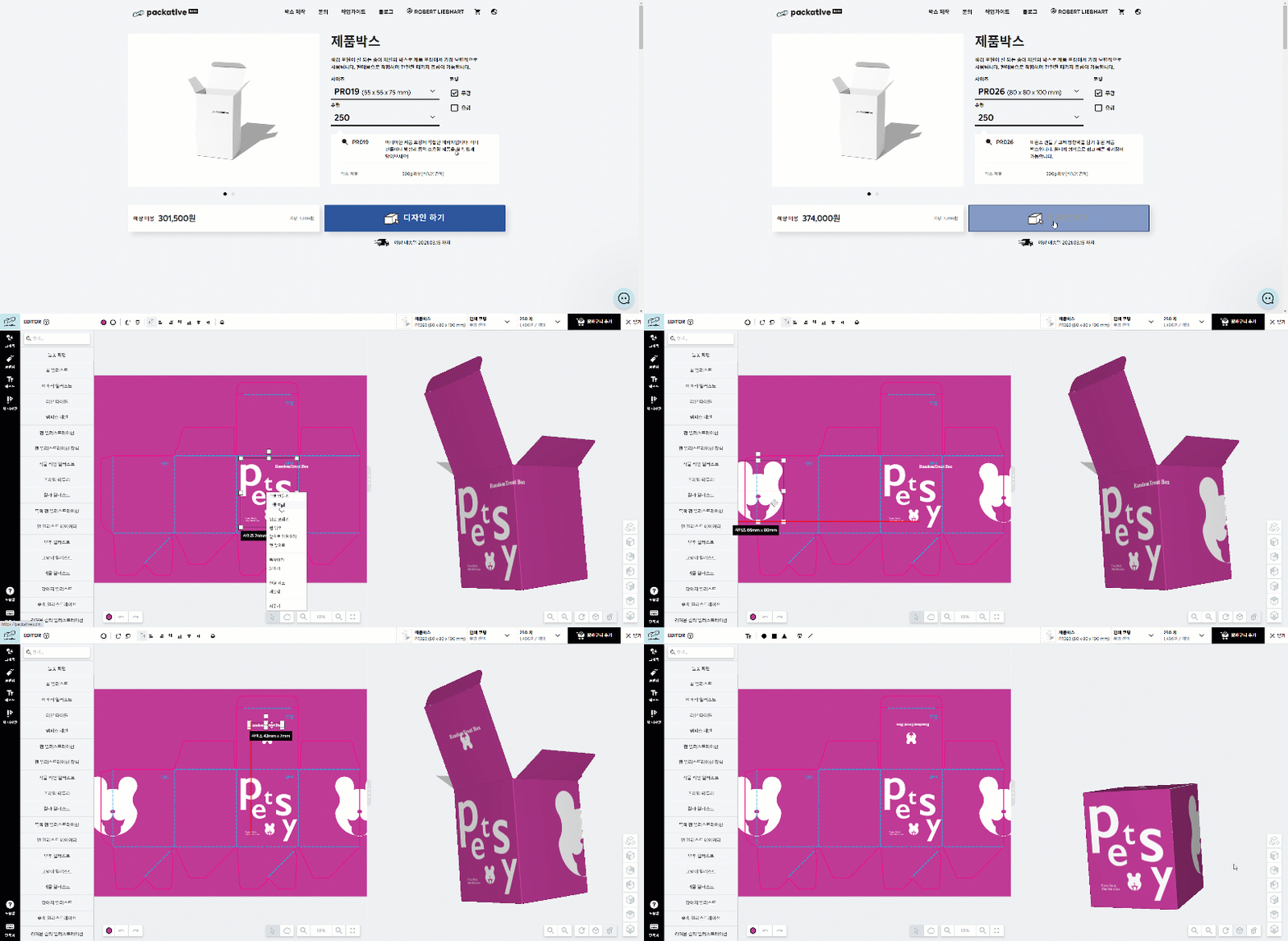
This is the most commonly used box type. It is especially common for cosmetics, pharmaceuticals, food, accessories, and small retail goods. Because product boxes are made from paper, they are one of the packaging types that best showcase color in package design.
Packative’s product boxes use a three-side glued folding structure, making them sturdier than other product boxes and easy to store when folded.
Design your product box at Packative here
Packative-Made Boxes – Moon Box (Concave Box):
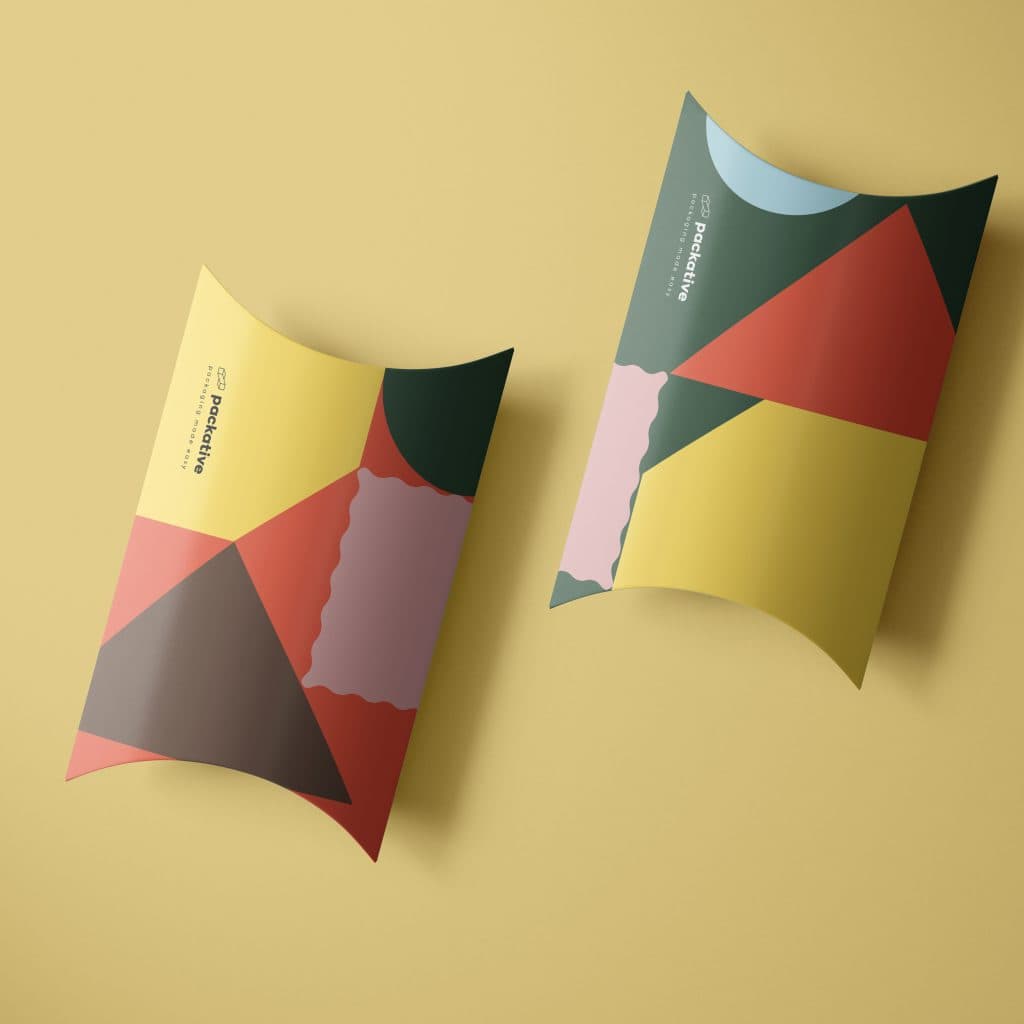
The moon box is a distinctive design that breaks away from the traditional rectangular shape. Beyond the atmosphere created by its concave form, the moon box is actually highly efficient and convenient in many ways, which is why it has recently been gaining attention. Because concave boxes create a premium, professional impression at a low unit cost, they deliver strong value for a relatively small investment, and Packative strongly recommends them.
Rigid Box Production:
A rigid box is made by wrapping a high-end paper, fabric, leather, or printed paperboard outer wrap around an inner liner made of Manila board or thick corrugated board. Because the outer wrap and inner liner are made separately, the design possibilities are broad, and the box is sturdy and highly durable. However, its unit cost is higher than other box types, so it is mainly used for premium products.
Dieline: Essential for Box Production and Design
A box dieline is a drawing of the box laid out flat. In box production, it refers to the flat paper layout that shows how each side is formed before the box is assembled, using fold lines and cutting lines.
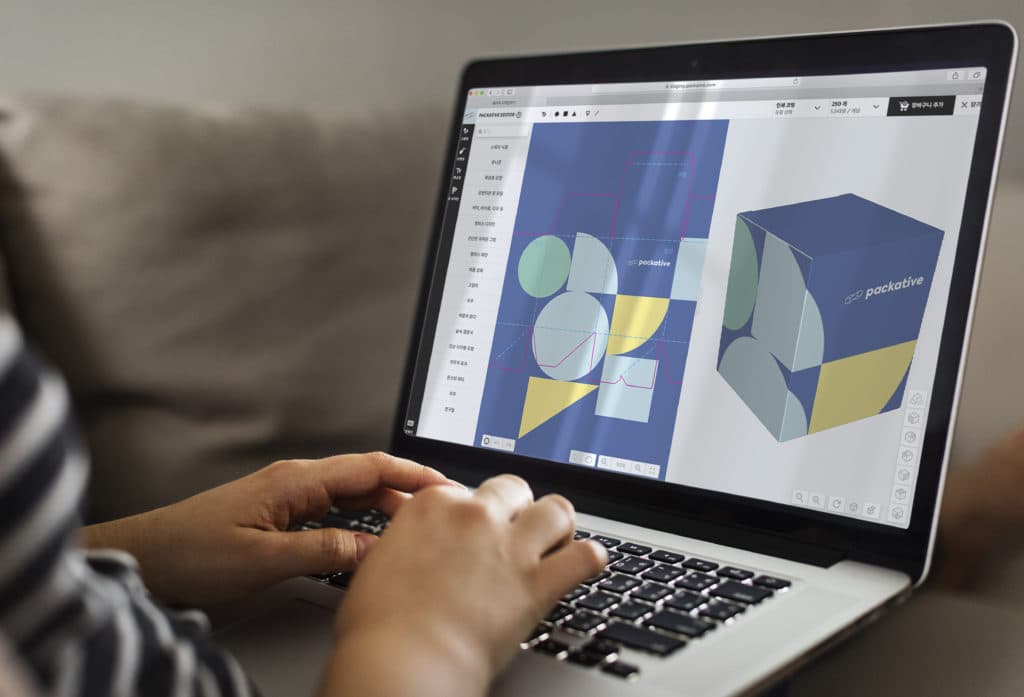
Fold lines refer to the score lines where the box bends, and cutting lines refer to the structural lines that include both the fold areas and the cut areas of the paper.
A box dieline is essential for checking which design elements go on which surface of the box, how they fold when assembled, and which direction they face.
Because the lines and surfaces in a dieline show how the actual box structure will be formed, producing boxes based on a dieline is the best choice. Packative provides dielines for all standard box sizes, so if you don’t have one, please visit Packative!
If you want to learn more about box dielines, please read: What is a box dieline?
An Essential Element in Box Production: Cutting Dies
A cutting die is a type of wooden mold needed for package production.
A box shape is created by setting the box dieline onto a plywood board, then pressing paper with this cutting die mold to produce the desired box size.
A cutting die made for box production must distinguish between cut lines and perforation lines. Since cut lines and perforation lines are information that must be delivered separately to the printer, they should be indicated in separate layers with spot colors so the production process can proceed according to each stage.
When using the Packative editor, a standard cutting die is provided, allowing you to plan the design that will go inside the package and enjoy an easier production experience.
Check Packative’s standard cutting dies
The Highlight of Box Production and Design: Printing
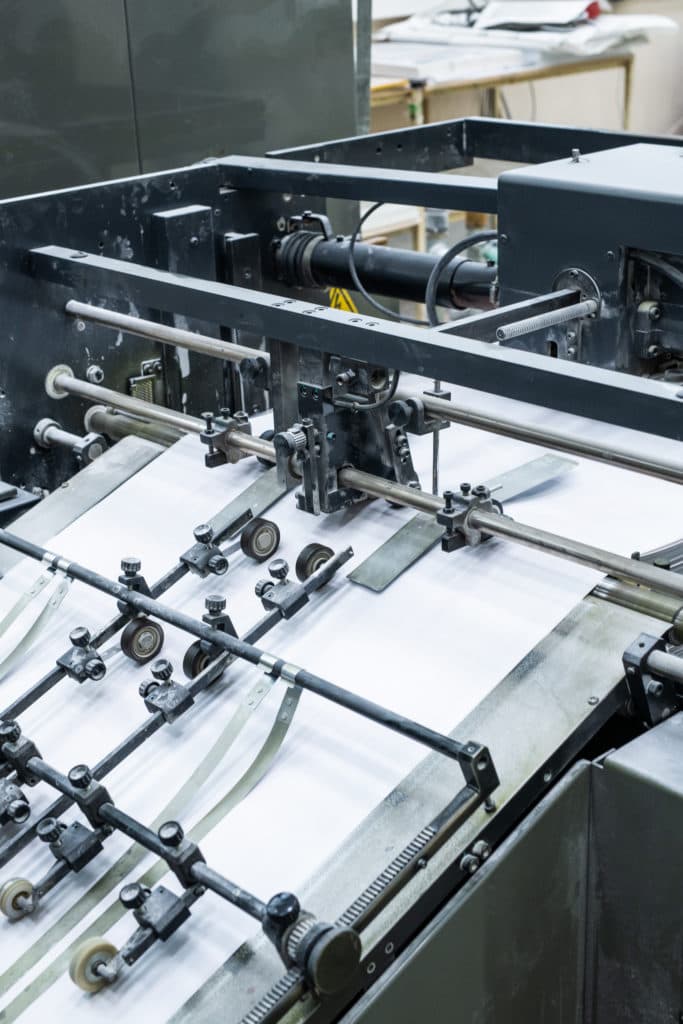
Mass Box Production: Offset Printing
Offset printing uses printing plates and rollers to print on paper. Ink applied to the metal printing plate is transferred to the paper through rollers, enabling full-color printing. Compared with direct printing, it offers better print quality and less damage to the plates. However, because the unit cost is relatively high, it is difficult to use unless you are producing in large volumes.
Small-Batch Box Production: Digital Printing
Digital printing can print even a single sheet, and it offers the advantage of consistency, meaning that even if you print just one more sheet later, the result will be the same. It is also relatively inexpensive, making it suitable for small-batch printing. However, color reproduction can differ slightly. Although technology has improved a lot and the difference is now barely noticeable, print quality is still somewhat lower than offset printing.
Additional Box Production Option: Silk Screen Printing
This is one of the handcrafted printing techniques, named after the silk used in the screen panel. It creates holes in the screen according to the design, and ink passing through those holes forms the printed image. Its advantages include low cost, the ability to print on curved surfaces, and support for multi-color printing. However, it is not suitable for mass printing, making it ideal for small-quantity, multi-item production.
Additional Box Production Option: UV Printing
Rather than allowing ink to soak into the material, UV printing adheres the ink to the surface and cures it there. Because the ink dries instantly under UV lamp light, no post-processing is needed, which shortens production time. With a short turnaround and compatibility with many different materials, it is well suited to small-batch, multi-item production.
Additional Box Production Option: Flexo Printing
A type of relief printing, flexo printing transfers ink using a rotating plate with a flexible printing plate and prints by moving the substrate through the rollers. It uses less ink and allows partial replacement of plates, making it economical and frequently used for industrial purposes.
Additional Box Production Considerations: Coating
- Glossy coating: a finishing process that adds shine through an additional coating on the packaging material
- Matte coating: a finishing process that adds an additional coating without shine
- When boxes are not coated: printed boxes usually require coating. However, if textured imported paper is used, coating may be omitted to preserve the box’s natural texture. Or, to highlight other post-print finishes such as silk screen printing or foil stamping, rigid boxes are often completed without coating.
Final Stage of Box Production: Post-Processing
One way to further enhance the quality of a finished box is to add post-processing.
Post-processing refers to work done after printing to decorate or reinforce the printed surface. Typical examples include coating, which protects the printed material from moisture and scratches, prevents ink discoloration, and adds shine. In addition to coating, commonly used post-print finishing processes for design and functional purposes include the following:
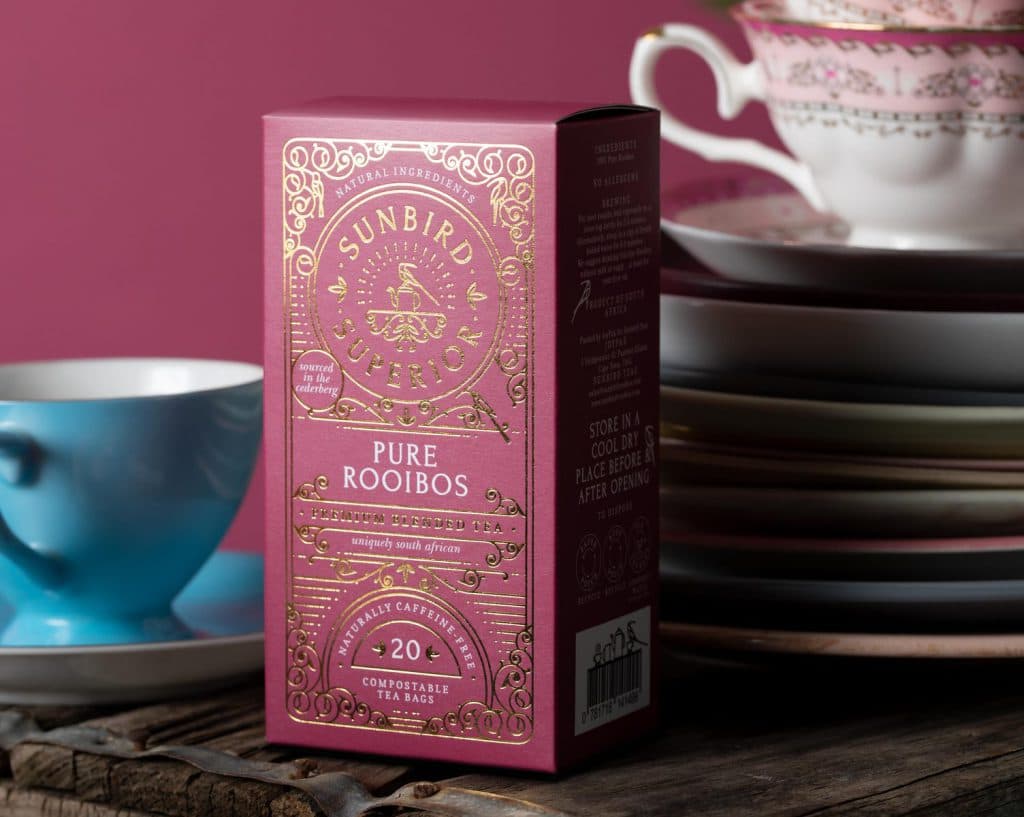
- Spot coating: a finishing process that adds coating only to key design elements such as logos, names, and icons
- Die cutting: a cutout process that removes part of the package to create a display effect like a showroom window for the product inside
- Foil stamping: a finishing process that adds effects such as gold or silver foil
- Embossing and debossing: finishing processes that add texture to the package to create a 3D effect
The Highlight of Box Production: Package Design
The finishing touch when creating a box unique to your brand is, of course, package design.
Of course, for shipping packages, a minimalist design such as adding a logo to a single-color box is a clean way to express brand identity. But for single-product boxes, we recommend keeping an eye on package design trends to showcase new product launches and highlight each item’s features.
If you want timeless minimalist package design, see: Minimalist product packaging inspiration
Before starting package design, take a look at 2021 packaging design trends
Design Factors to Consider Before Box Production – Package Color
When creating packaging for a brand, the most important thing is color.
In today’s world, where there are countless design styles and we are saturated with visual information, color is the element that most easily captures people’s attention. Also, just as white and dark green make people think of Starbucks, light mint brings Tiffany to mind, and red and yellow evoke McDonald’s, brand identity that settles fastest in consumers’ minds is also color. That is why the colors used in packaging should be chosen before other design elements, and with the most care.
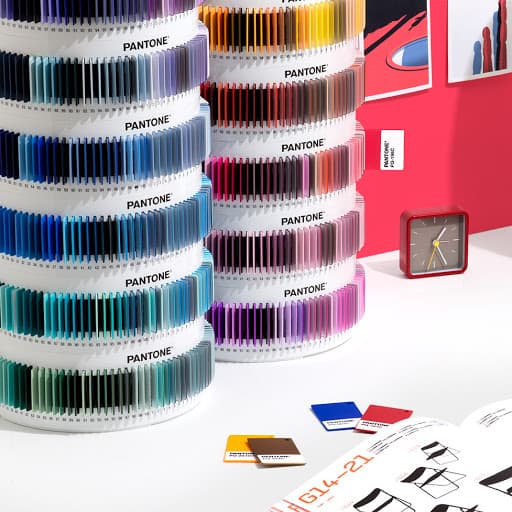
If your BI has not been decided yet, or you’re not sure how to choose colors for printing, please refer to A package design color guide for non-designers .
Already have your BI and brand colors decided, but haven’t reflected the brand color in the packaging yet? Before producing boxes, learn more about ‘spot color printing’ so your brand colors can be printed consistently across all packages!
A Must-Consider in Box Production: Sustainability
Sustainable packaging, or eco-friendly boxes, simply refers to boxes produced in an optimized way to minimize resource and energy consumption and create as little environmental pollution as possible.
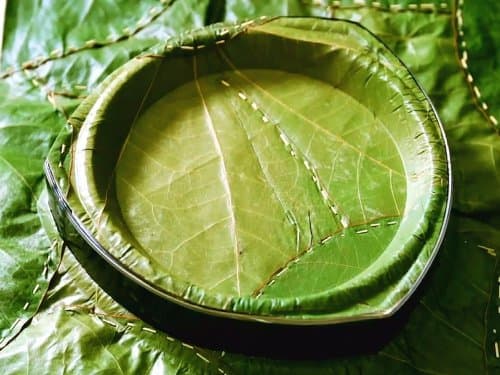
Ways to improve the sustainability of box production include reuse, recycling, reduction, and lightweighting, as well as using more eco-friendly packaging materials. Eco-friendly packaging materials include paper and corrugated board, and we also recommend using paper air cushions instead of plastic.
In addition, reducing packaging to fit the product size helps prevent overpackaging and reduces unnecessary material waste.
Learn more about sustainable eco-friendly packaging
Packative: The Best Solution for Box Production
Packative simplifies the many considerations and management tasks involved in box production from the customer’s perspective, offering a solution that leaves only the essential choices in the hands of the customer, who has the final decision.
Enjoy a fast box production experience by using an online editor that optimizes hard-to-decide elements such as box material and cutting die, while making package design, coating, and order quantity easy to choose!