Everything You’ve Ever Wanted to Know About Folding Boxes: Types, Shapes, and Uses
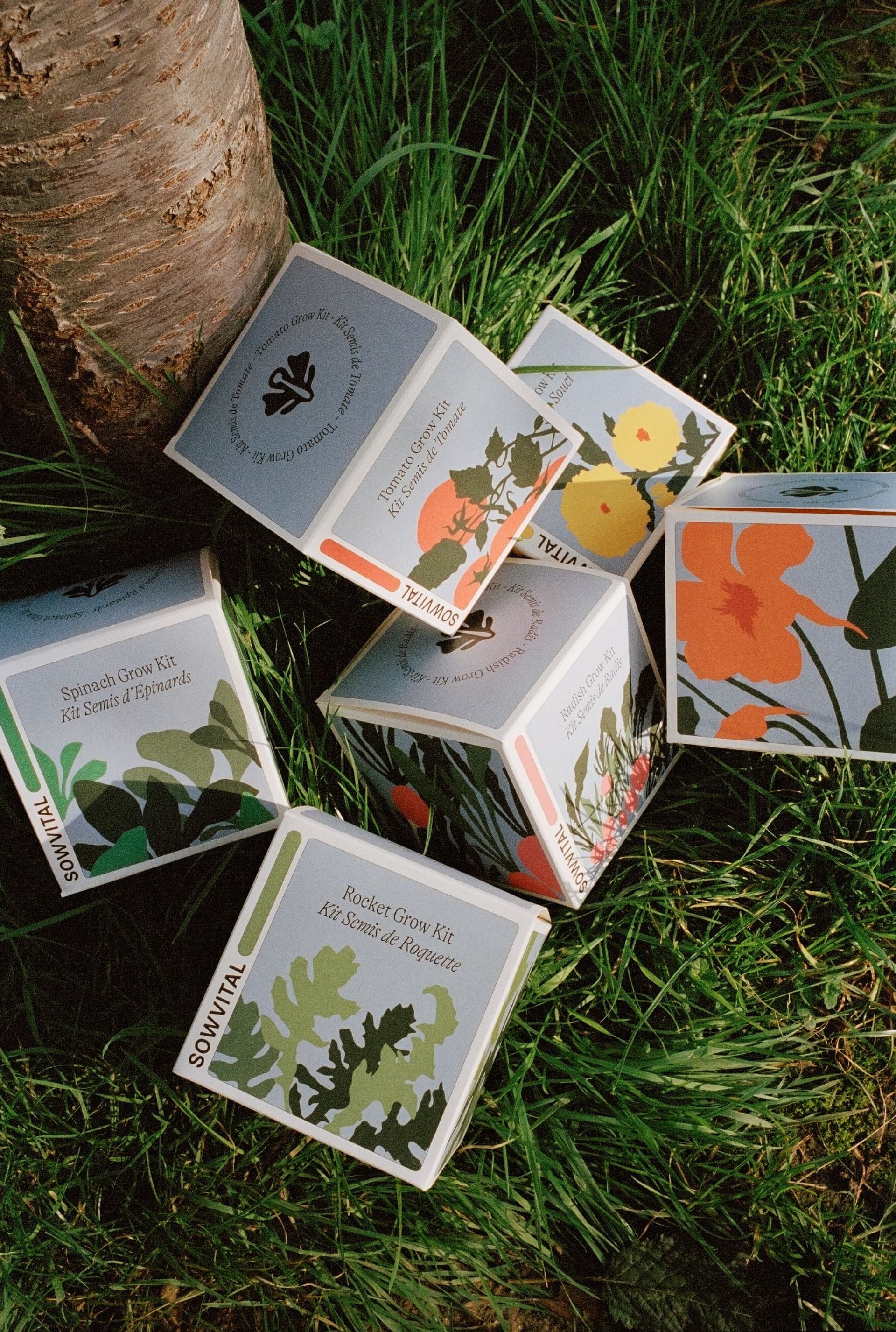
If you’re interested in product packaging, you’ve probably heard the term “folding box” many times. But what exactly counts as a folding box? What kinds of items can be packed in one, and what types of folding boxes are there? Let’s take a closer look at these versatile, highly accessible boxes...
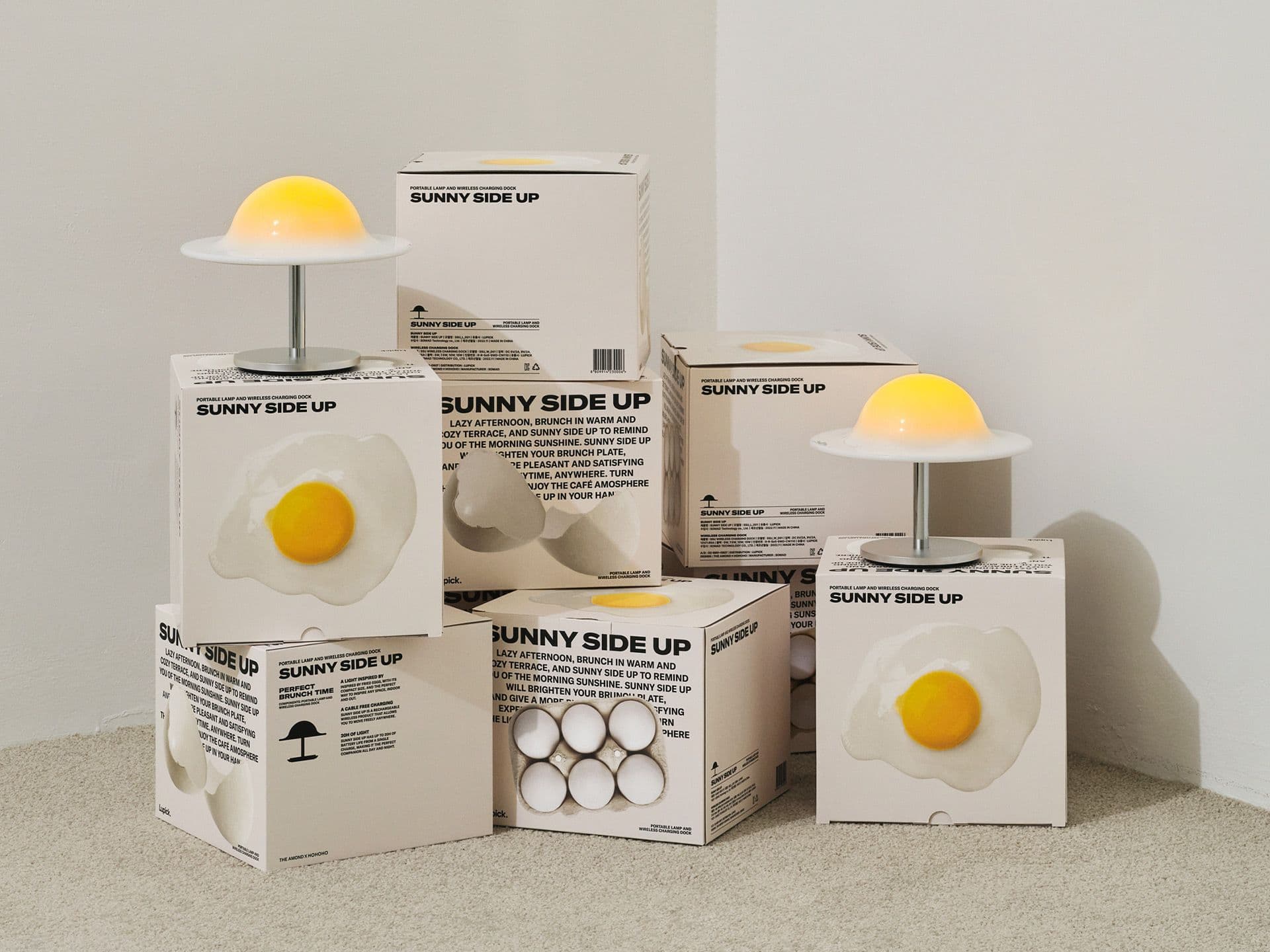
If you’re interested in product packaging, you’ve probably heard the term “folding box” many times. But what exactly counts as a folding box? What kinds of items can be packed in one, and what types of folding boxes are there? Let’s take a closer look at these versatile, highly accessible boxes!
 thedieline
What Is a Folding Box?
As the name suggests, a folding box is a box made from a single layer of paperboard. That’s why the term is also used simply to refer to an inner box for packaging small, lightweight products. Because it’s made from a single sheet of paper, the production process is simple and the cost is relatively low. It’s also easy to print and process, which makes it incredibly versatile!

Uses of Folding Boxes
1. Cosmetics
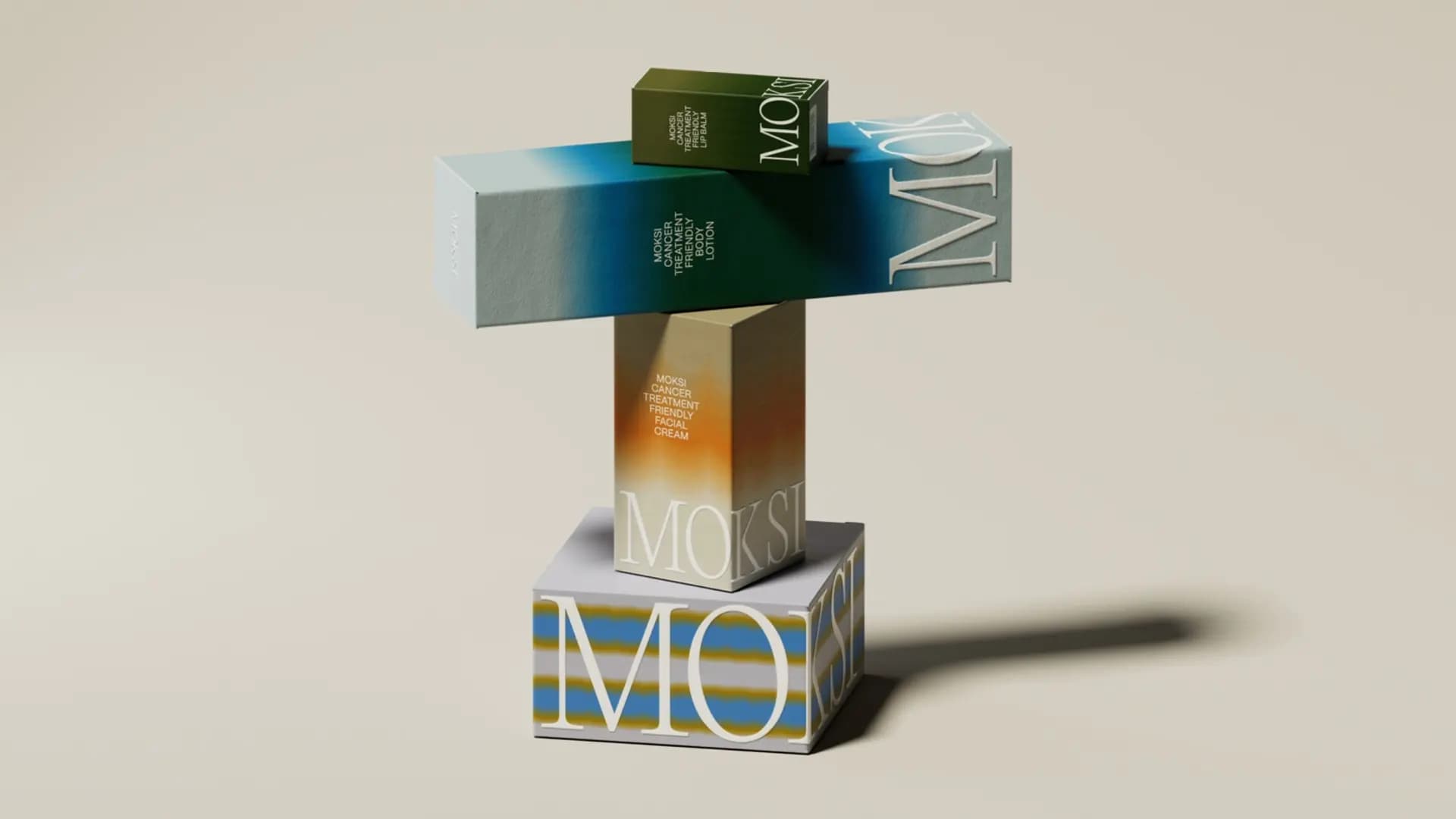
Cosmetics are one of the first products that come to mind when talking about lightweight, convenient folding boxes. Since cosmetics are generally small in size, they are often individually packed in folding boxes first, even if they are later placed in corrugated boxes or rigid boxes for gift sets or packaging sets. Cosmetics are one of the product categories where design matters most, and folding boxes make it easy to create styles that match the brand image.
 thedieline
2. Candles
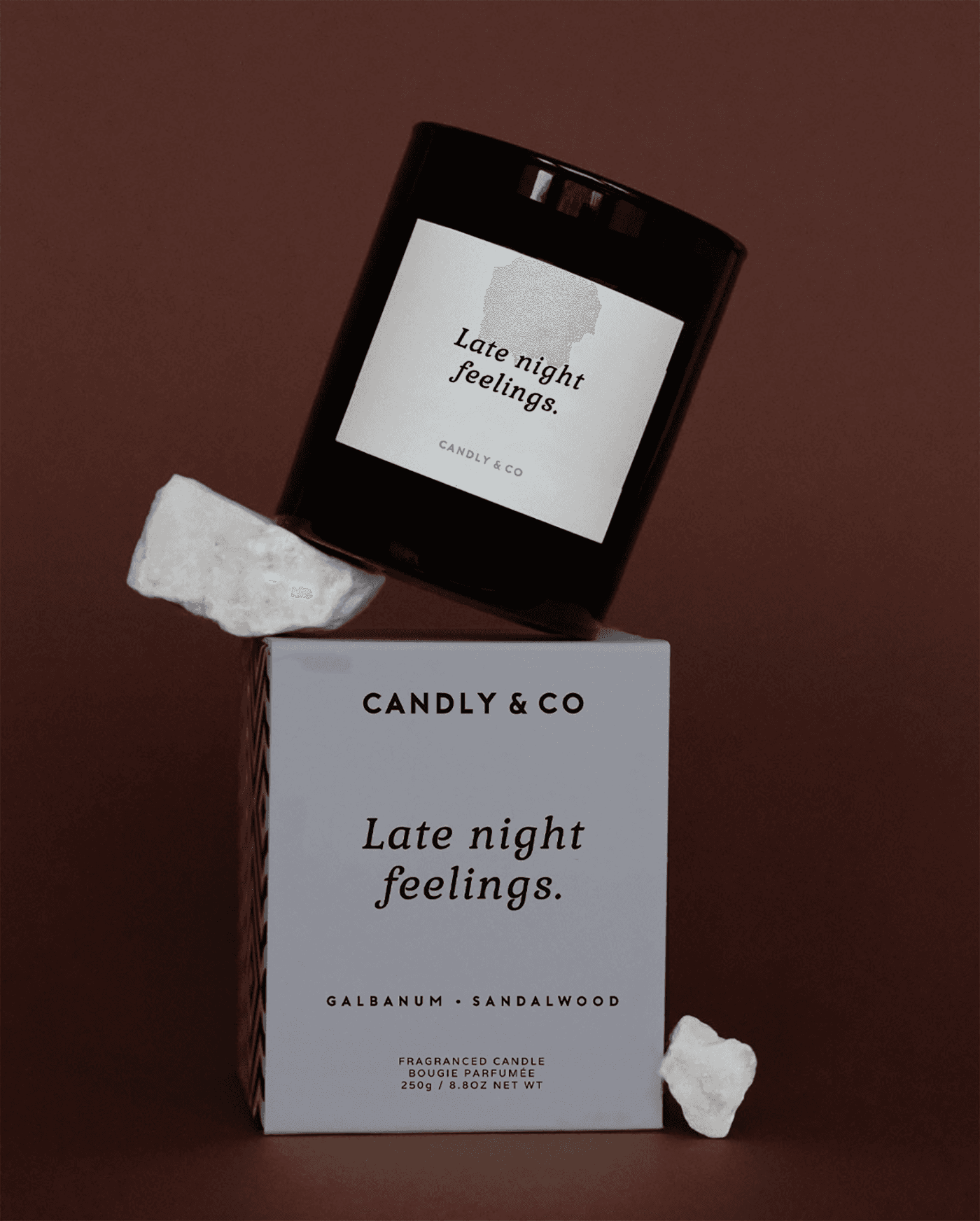
Candles are another classic product that can be packed in folding boxes. Like cosmetics, candles are usually small and fairly uniform in shape, so there’s no need to look for a special box. However, since many candles are purchased as gifts, it’s better to prepare a stylish package with a custom printed design rather than placing them in a plain white folding box.
 thedieline
3. Bakery Goods
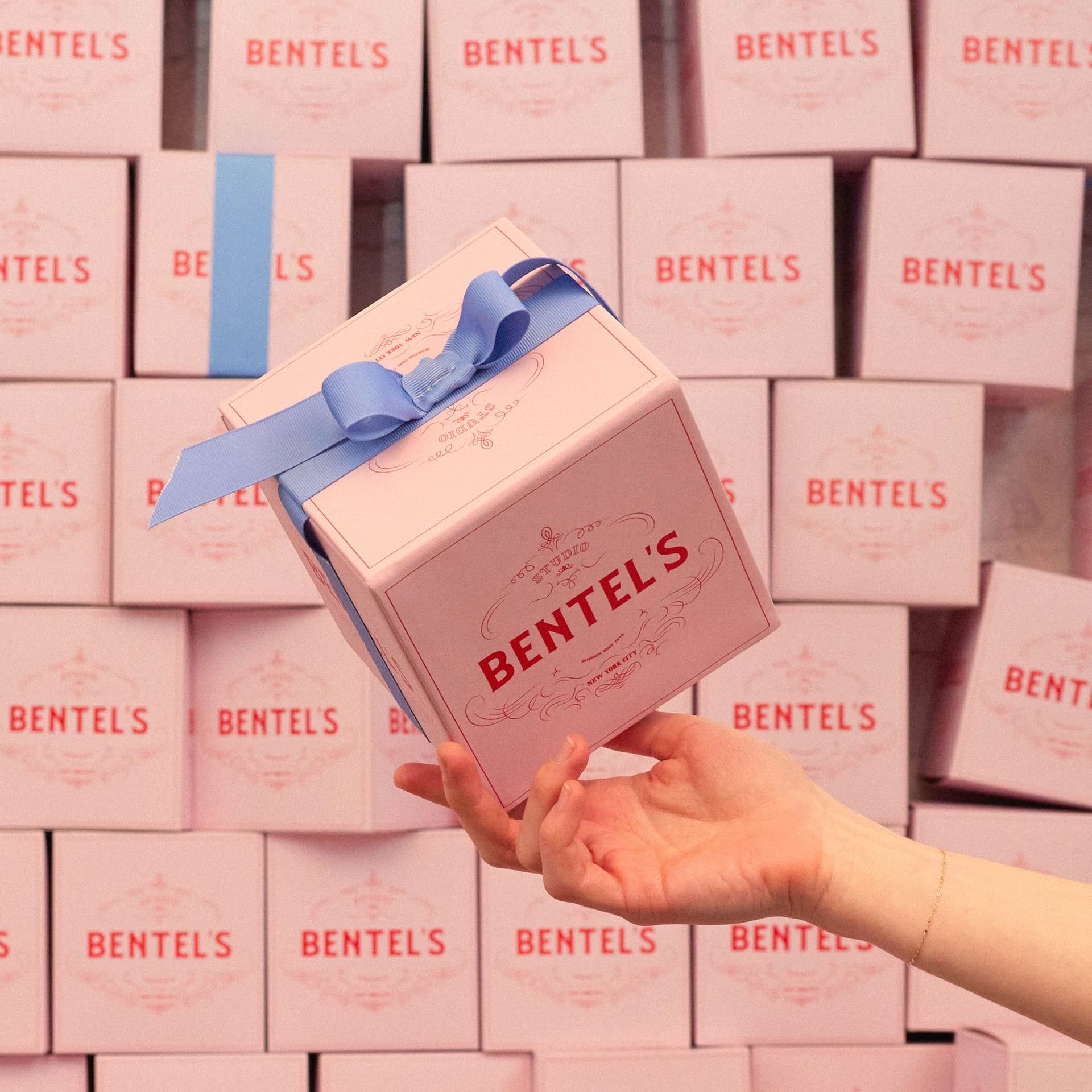
Bakery items that are small and light are also a perfect fit for folding boxes. Cookies, bread, pastries, macarons, madeleines, scones, and many other bakery and dessert products are sold in all kinds of folding boxes. Unless the product needs special care during transport to avoid being damaged, such as cakes, bakery goods and folding boxes are a natural match!
 thedieline
4. Tea and Coffee
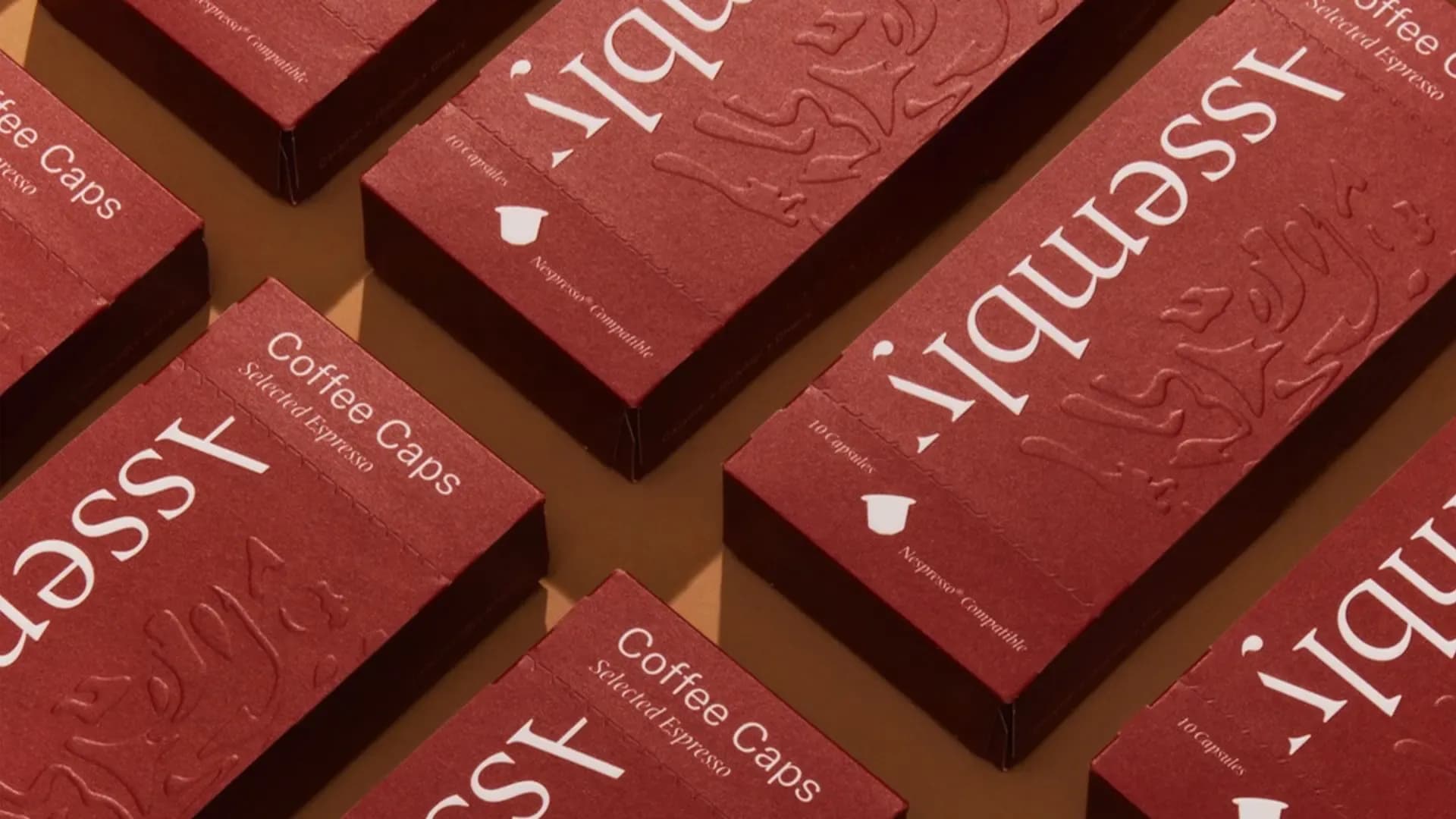
Folding boxes are also commonly used when packaging multiple tea bags or coffee capsules. Tea bags are generally sold not individually, but in packs of dozens or even hundreds, so a box is essential. These products are light and the contents are not easily damaged, making them ideal for folding box packaging!
 thedieline
Types of Folding Boxes
1. By Material
- (1) Paper
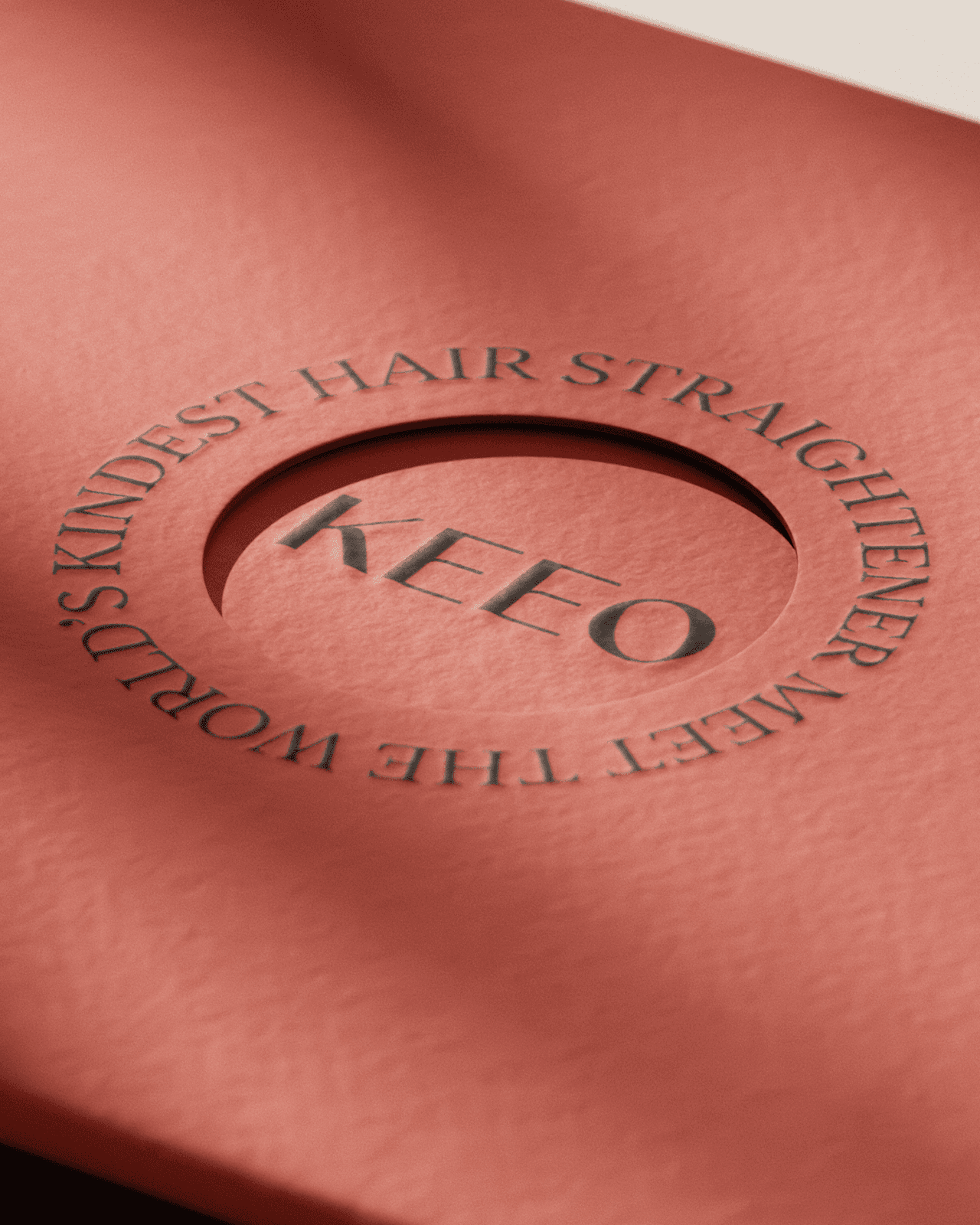
Folding boxes can first be broadly divided into two categories by material: paper folding boxes and corrugated folding boxes. In fact, when people say “folding box,” they usually mean a paper folding box. That’s consistent with the definition above: a box made from a single layer of paper. Paper comes in many different forms, but generally, the lightweight, simple box form people picture when they think of a “paper box” is a paper folding box.
 thedieline
- (2) Corrugated Board
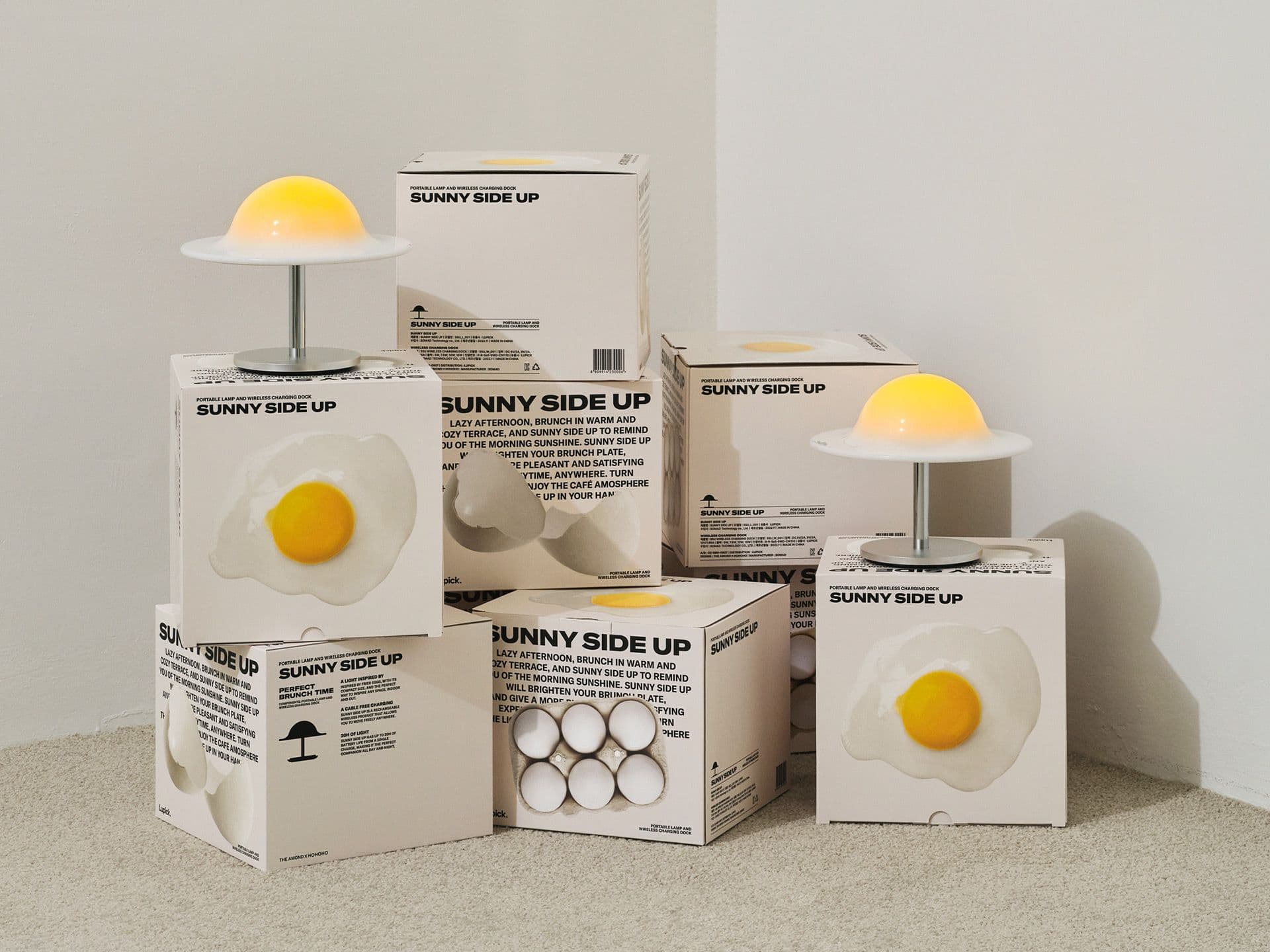
Although it’s not especially common, folding boxes can also be made from corrugated board. For heavier and more fragile products such as lotions or creams, for example, a standard paper folding box would not be suitable. In that case, you can create a small but sturdy package using corrugated board, which has a structure similar to a folding box but is much more durable thanks to its layered, wavy pulp construction.
 thedieline
2. By Shape
- (1) Tuck End
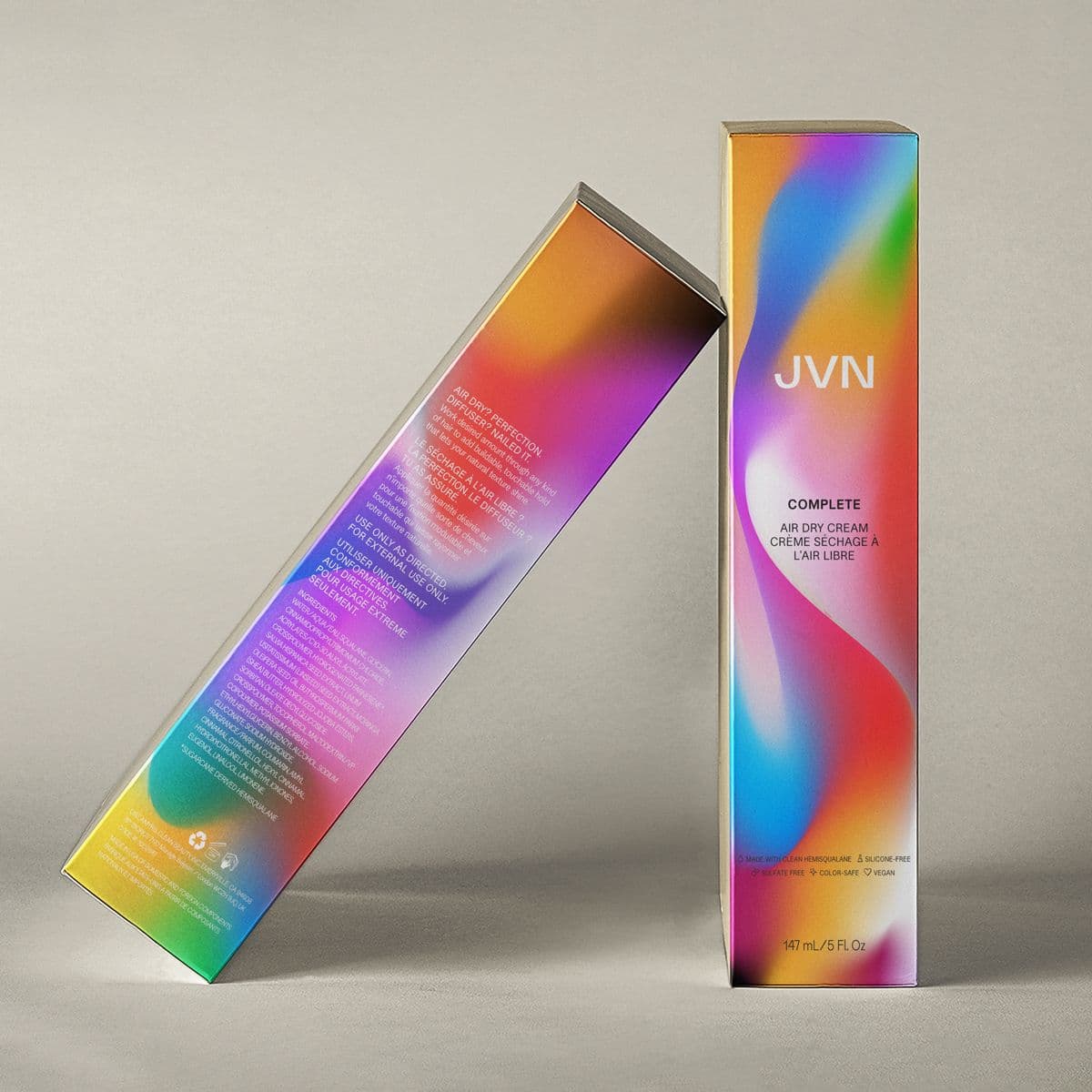
When you think of a folding box, what shape comes to mind? The box most people picture first is the tuck end folding box. As the name suggests, a tuck end box has matching top and bottom flaps that face each other in the same shape. Its biggest strength is that the folded tabs tuck in to close the opening securely, making it simple yet clever! As you may know, this box can generally be opened from either the top or the bottom.
 thedieline
- (2) Cross-Lock Assembly
Sometimes, among folding boxes, you’ll see a box whose bottom looks like an envelope when viewed from below. This is called a “cross-lock assembly” folding box. If you unfold it, you can see that the structure is assembled in a cross shape. Compared with tuck end boxes, which only require one corner to be tucked in, cross-lock assembly folding boxes have a more complex structure, which gives them the advantage of supporting heavier contents.
 thedieline
- (3) Three-Side Glued
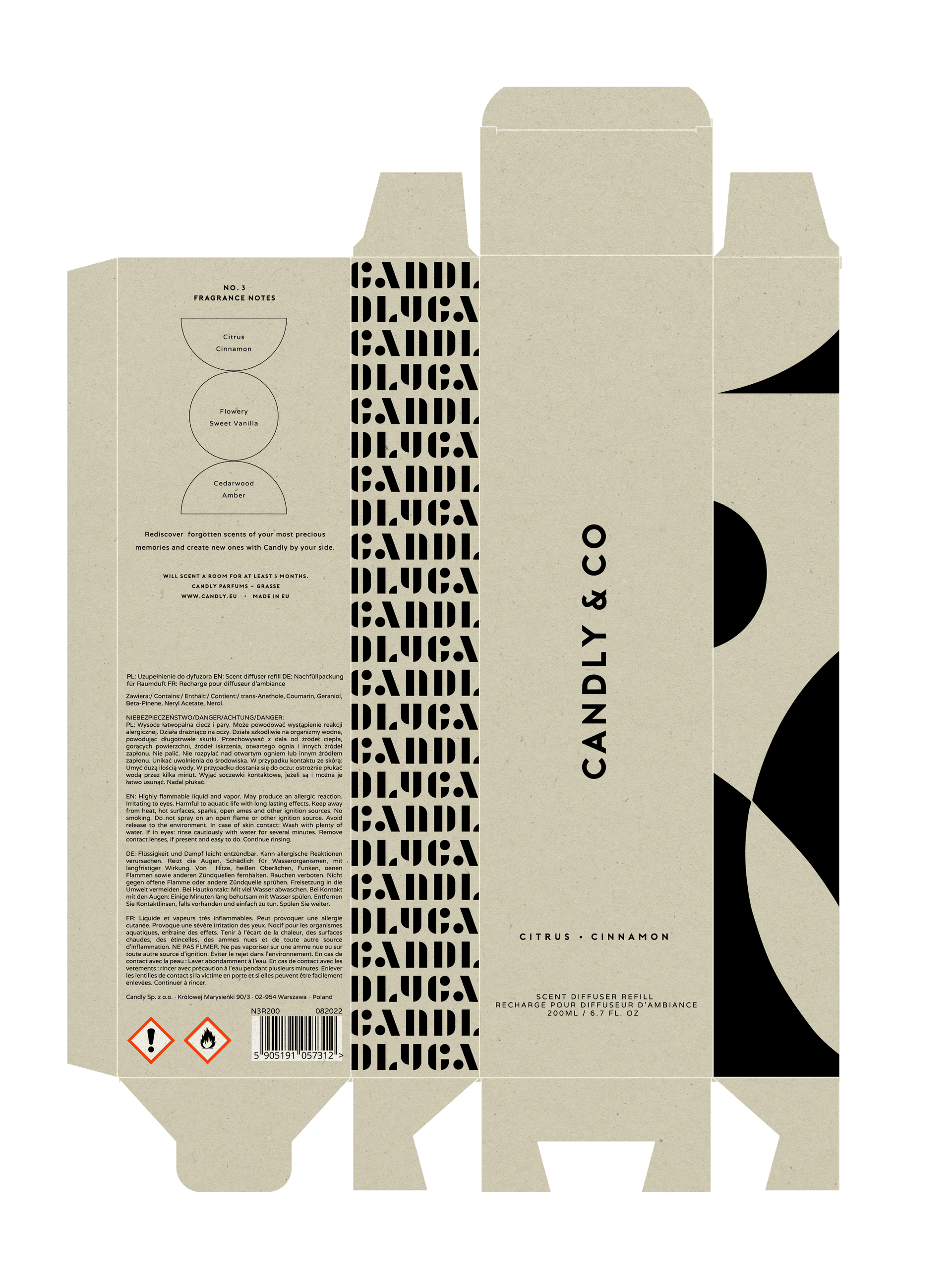
The most durable of all folding boxes is the three-side glued folding box. When you lift the bottom and look at it, it resembles a game piece. If you unfold it, you’ll see that three sides are firmly glued together, which is how it got its name. It offers the stability needed for relatively heavy or easily damaged products such as tumblers or diffusers. Just keep in mind that gluing may add to the cost.
 thedieline
Versatile Folding Boxes, Custom Inquiries = Packative
Because folding boxes come in so many material and shape variations, they can be surprisingly tricky to produce. Of course, ordering mass-produced stock boxes may be the cheapest option, but when it comes to folding boxes, the most important thing you can’t overlook is design.
Packaging design directly boosts sales, and if the box material and size aren’t a perfect fit for the product type and dimensions, the product can easily be damaged. If you’re looking for a way to custom make highly practical folding boxes at the most reasonable price, visit the Packative website now. Even beginners can easily design and produce custom folding boxes themselves!