How Can You Build Brand Consistency? : Why It Matters and Tips for Putting It Into Practice
One thing the world’s most successful brands have in common is that they have all maintained strong brand consistency. Think of just one long-established brand that people around the world love. In 2022, the American outdoor apparel brand Patagonia ran a campaign titled “Patagonia Doesn’t Sel...

 tnnews
One thing the world’s most successful brands have in common is that they have all maintained strong brand consistency over time. Think of just one long-established brand that many consumers love. In 2022, the American outdoor apparel brand Patagonia ran a campaign titled “Patagonia Doesn’t Sell Trends.” In Korean, the campaign and ad means “Patagonia Doesn’t Sell Trends,” and it highlighted Patagonia’s “unchanging nature” — in other words, its consistency — by placing T-shirt designs from 1985 and 2022 side by side. Patagonia’s strategy for achieving about KRW 200 billion in revenue in 2022 was precisely its brand consistency.
How to Create a Logo for a Small Brand
Why Brand Consistency Matters
1. Consistent brands stay in consumers’ memory
 nbcnews
Repetition is a core principle of marketing. Today’s consumers are always pressed for time. They don’t have the luxury of slowly researching every brand they might buy from in order to remember it. It’s only natural that brands they see frequently, without having to invest extra time, are the ones they grow to like. For this kind of “repeated exposure” to happen, consistency is essential. Something that changes every time you see it won’t stick in your memory. Over a long period of time, through various channels, repeatedly present your brand image to consumers.
2. Consistent brands stand out to consumers
 Cookie box produced by Packative
The purpose of branding is to increase brand awareness. When branding is done well, consumers can think of a brand just by seeing related colors or designs, without even hearing the brand name. About 71% of consumers purchase products or services from brands they already know. Brands with a distinct identity are easily recognized by consumers. Once brand awareness reaches a certain level, marketing costs naturally begin to decrease.
Strategies That Win Over Consumers
3. Consistent brands earn consumer trust
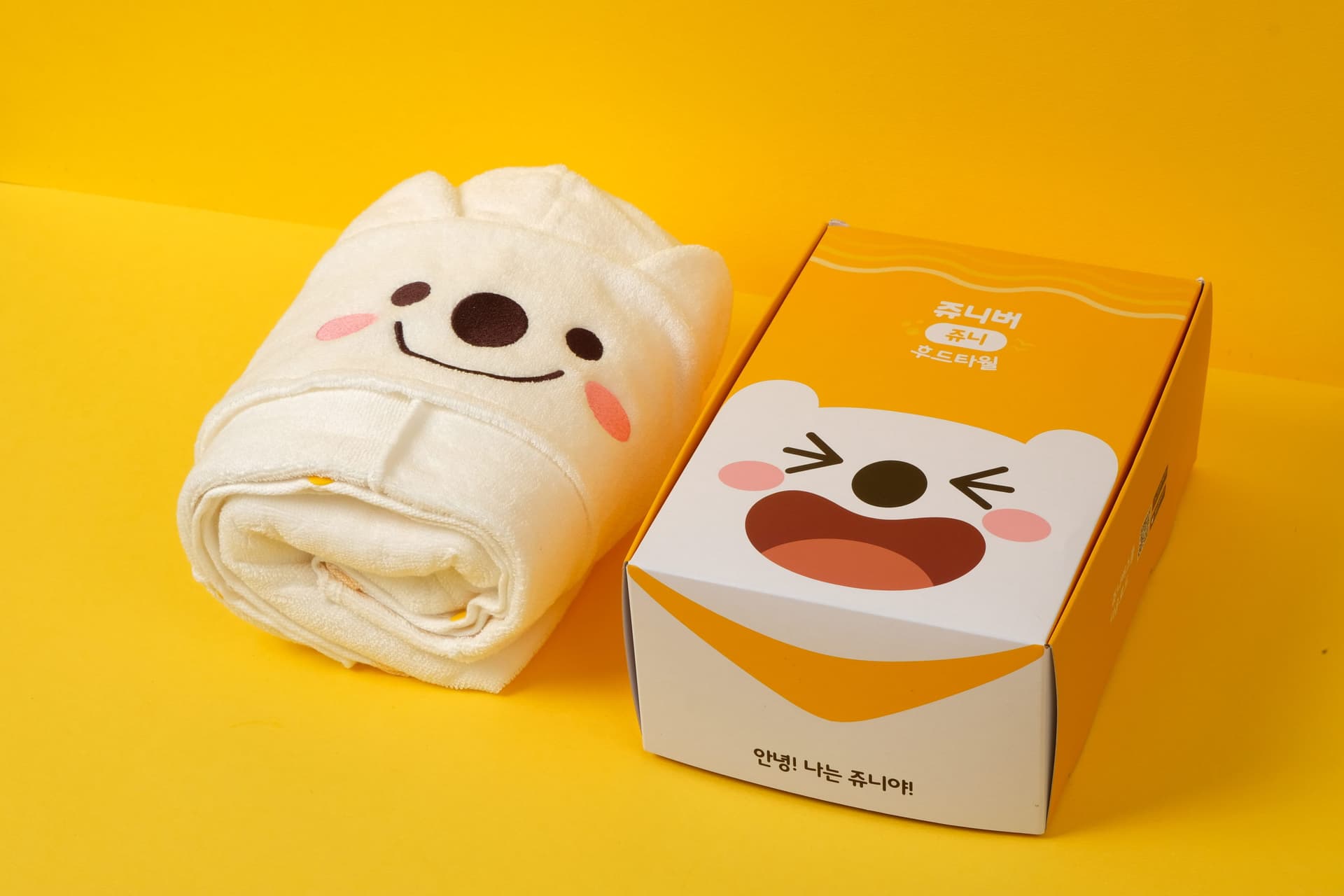
81% of consumers say they want to buy products from brands they can “trust.” Who do you trust and maintain a long relationship with? Probably not someone who keeps changing with the situation, but someone who is always “unchanging.” A brand should be like that kind of dependable friend. If a brand doesn’t communicate its core and only highlights trendy-looking elements that fit the mood of the market at the moment, it will be difficult for it to earn long-term consumer trust.
How to Maintain Brand Consistency in Products
1. Use a marketing calendar
 promoprep
Organize the brand’s campaigns, promotions, events, social media content creation, and posting schedule through a calendar. This is because when each marketing element is exposed to consumers is just as important as the content itself. For example, posting content at regular intervals over the same period can help build trust more effectively. If promotions are held at the same time each month, consumers will be able to look forward to them in advance and make active use of them. Also, because there are so many different areas in marketing, using a marketing calendar that lets you see the full schedule at a glance is essential for managing everything consistently.
2. Use your brand’s signature color
 venngage
One of the most important elements in branding and marketing is design. Whether it’s video ads, social media posts, outdoor advertising, posters, or designed packaging, the key is to capture consumers’ attention. But if different colors are used every time these design elements are created, they will be less recognizable no matter how often they are seen. In particular, it’s important to have a brand-specific color palette to ensure accurate color use. If done successfully, it will help the brand reach consumers much faster — just as a dark green sign on the street instantly makes people think of Starbucks.
What Colors Will Lead the Year in 2023?
3. Set brand guidelines
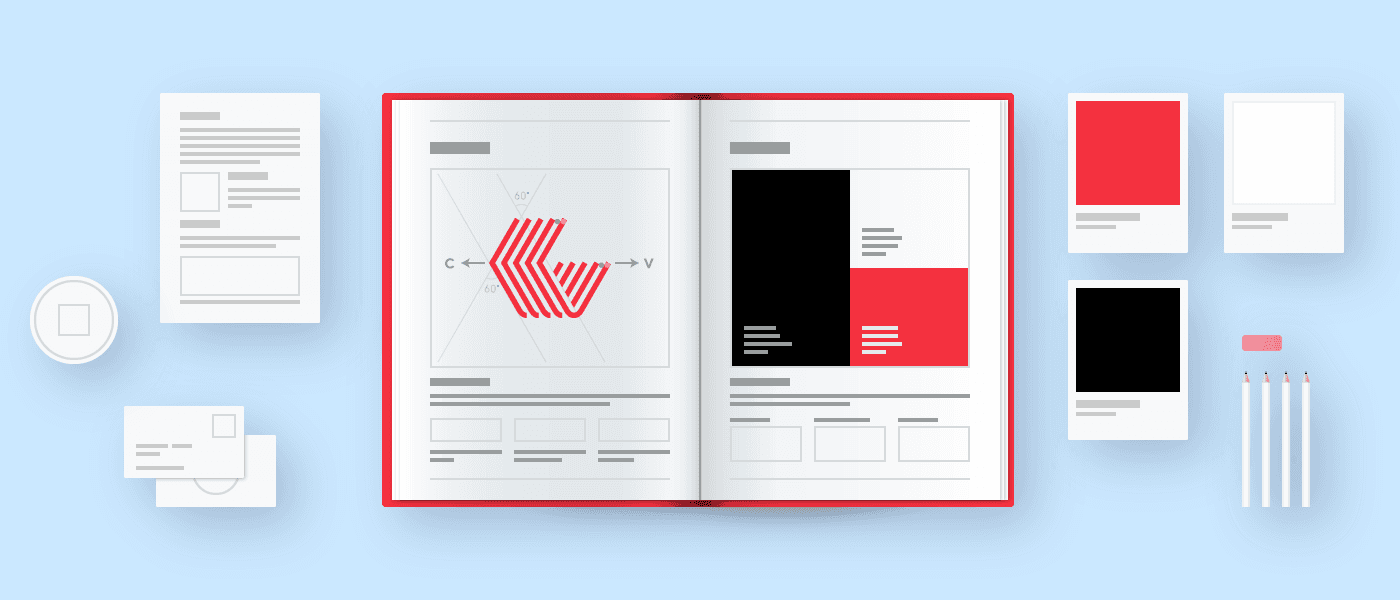 columnfivemedia
Brand consistency doesn’t just mean “the same design.” Keeping a “consistent voice” is also an important strategy for building brand consistency. Try to maintain the same tone across everything related to the brand. For example, if the wording on product packaging is young and energetic but the wording on the brand website is overly serious, consumers who encounter the brand are bound to feel confused. To prevent this kind of mistake, it’s necessary to create brand guidelines that you can always refer back to. Brand guidelines may include the following:
- Preferred grammar and writing style
- Specific guidance on the tone and mood to maintain
- A ranked list of the brand’s core values by importance
- Website or social media account examples
- Competitor brand examples worth referencing
4. Develop and use a brand logo
 designstreet
It is said that it takes consumers about 10 seconds to form an opinion after seeing a logo. That’s how important a logo is in shaping a brand’s first impression. When creating a logo that is clear, simple, and able to represent the brand’s values, you should invest as much as possible. Of course, the logo should follow the brand color palette mentioned above, and it should be used everywhere it can be. Repeated use of the logo is one of the simplest and most effective ways to communicate brand consistency to consumers.
5. Use consistent fonts
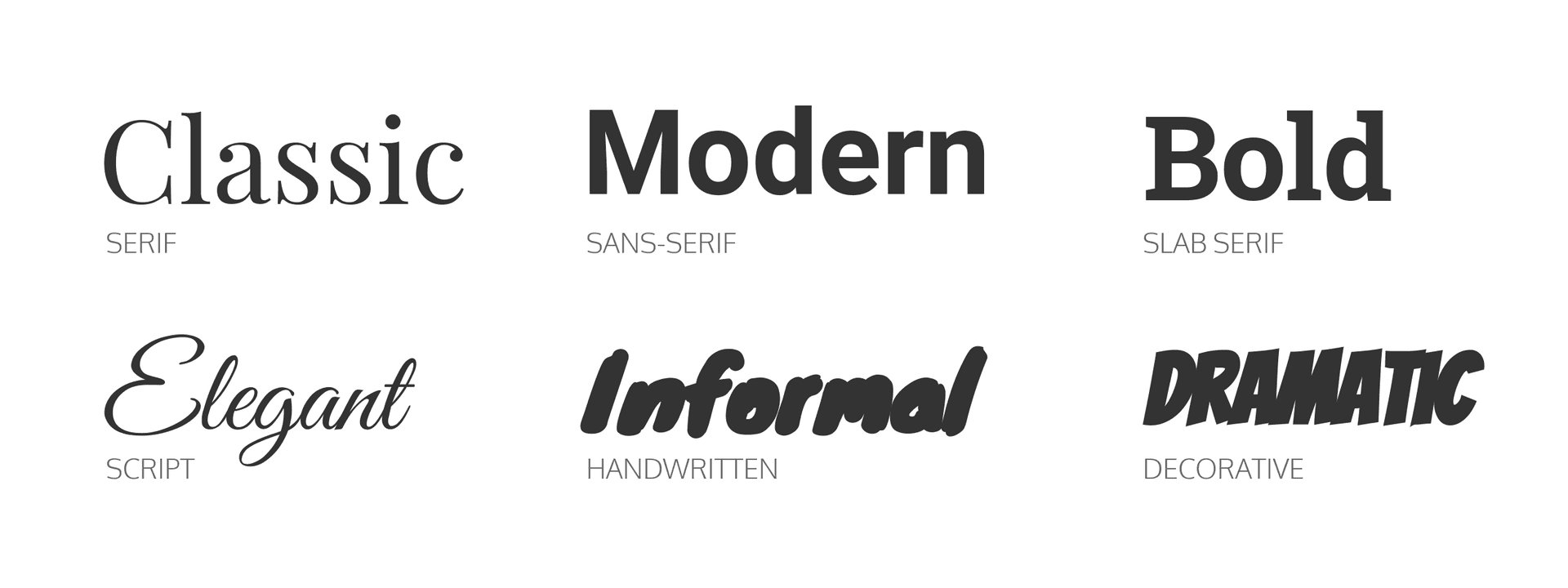 venngage
Many brands pay attention to color palettes and logo design but don’t apply the same level of consistency to fonts. However, for marketing, there must be a lot of text used, not just images or colors, but also various symbols. Depending on the typeface, fonts can create a very wide range of moods. Make a list of the primary and secondary typefaces your brand uses consistently, and secure licenses for those fonts. Sophisticated, consistent font usage will help key design elements such as logos and slogans be applied more effectively.
7 Branding Mistakes You Must Avoid
Practical Strategies for Consistent Branding
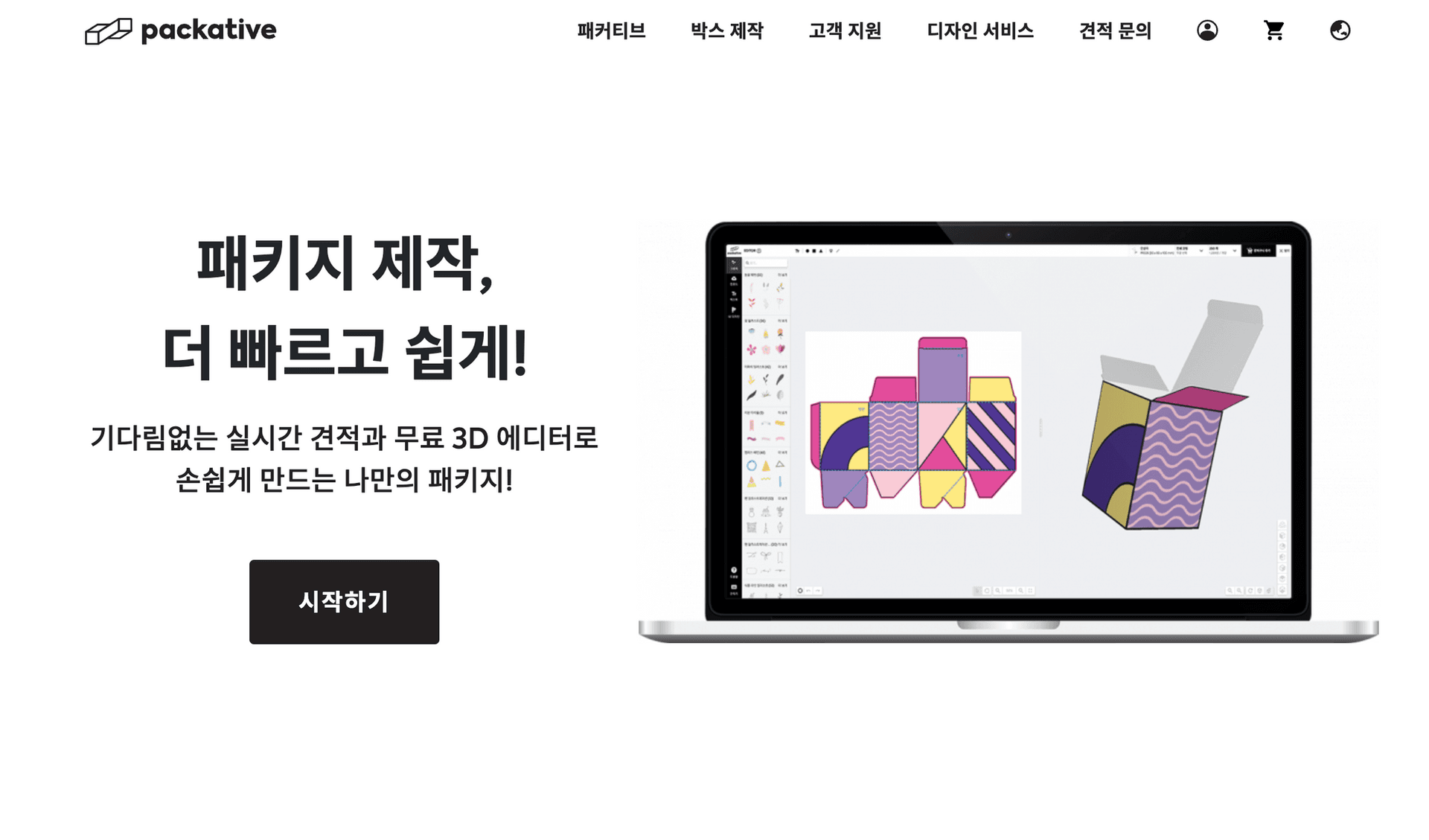
There are many elements needed for brand consistency, but design elements still account for the largest share. However, the first thing to consider for consistent branding is that, because these assets will be exposed repeatedly over a long period of time, there should be no mistakes at the initial design stage. We recommend consulting with a professional to create not just something that looks good, but the right logo or packaging that reflects the brand’s values and identity. Packative offers a service that makes it easy and convenient for anyone — even beginners with no branding experience — to create their own brand design.