How Packaging Design Beginners Can Choose the Right Box for Their Brand
New to packaging production? Not sure where to start when you need packaging design right away? Here’s the best starting point for packaging design beginners: start with the box. What does that mean? Most product packaging is made with boxes, but the key is choosing the right kind of box...
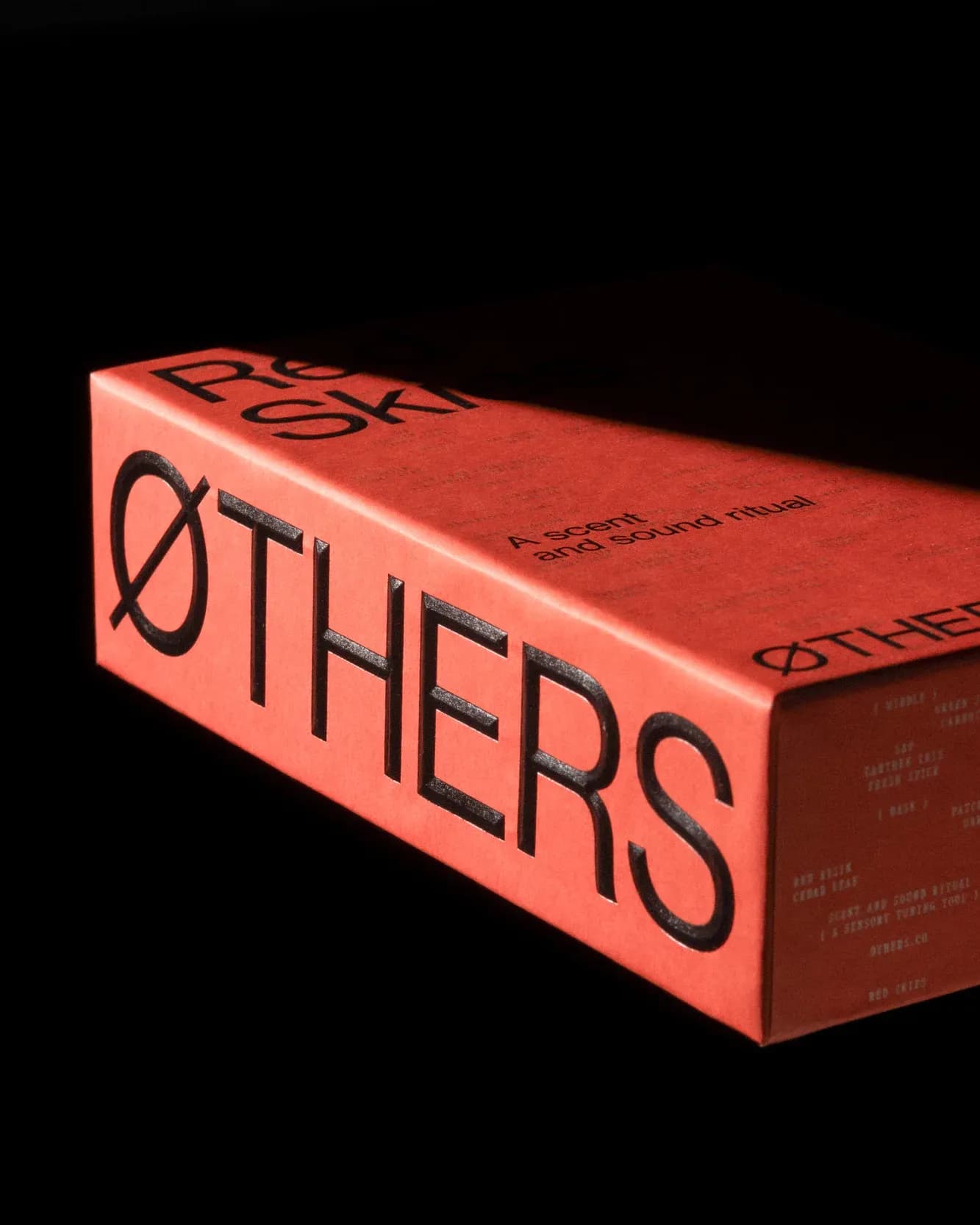
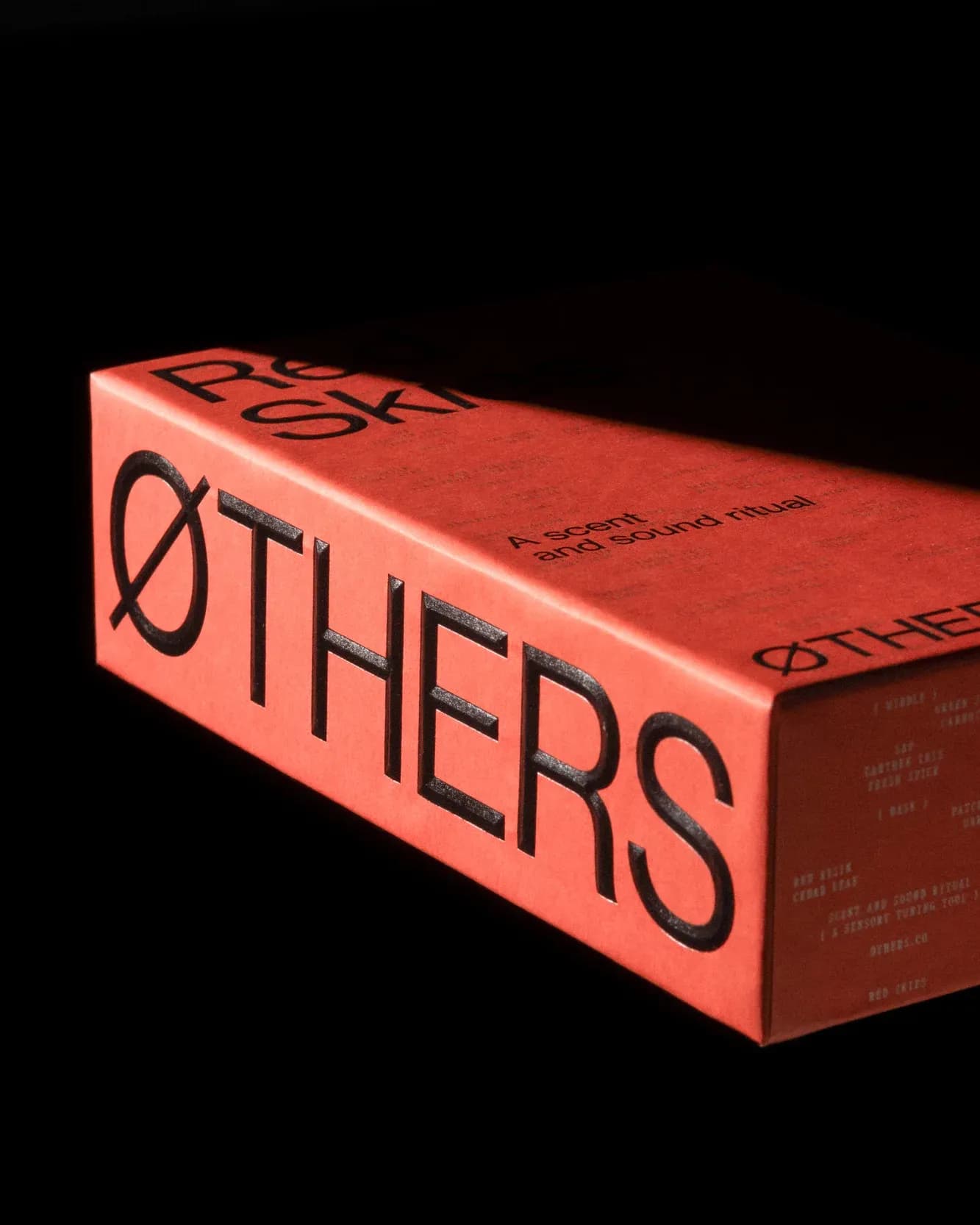
New to packaging production? Need packaging design right away, but not sure where to start? Let us show you the best starting point for packaging design beginners—start with the box. What do we mean by that? Most products are packaged in boxes, but the important thing is what kind of box it is. The world is wide, and there are endless types of boxes! Ready to begin the journey to find the exact box you’ve been looking for?
 thedieline
Why do we need boxes?
1. To ship products to customers
Let’s start with a very fundamental question that packaging design beginners may be wondering about: why do we need boxes at all? The first reason is shipping. That includes not only delivery through online sales, but also making sure products sold in offline stores arrive safely in customers’ hands and all the way home. Of course, there are other kinds of containers you could use, but nothing is as convenient as a box. It’s lightweight yet sturdy, affordable, and even eco-friendly!
 thedieline
2. To display in stores
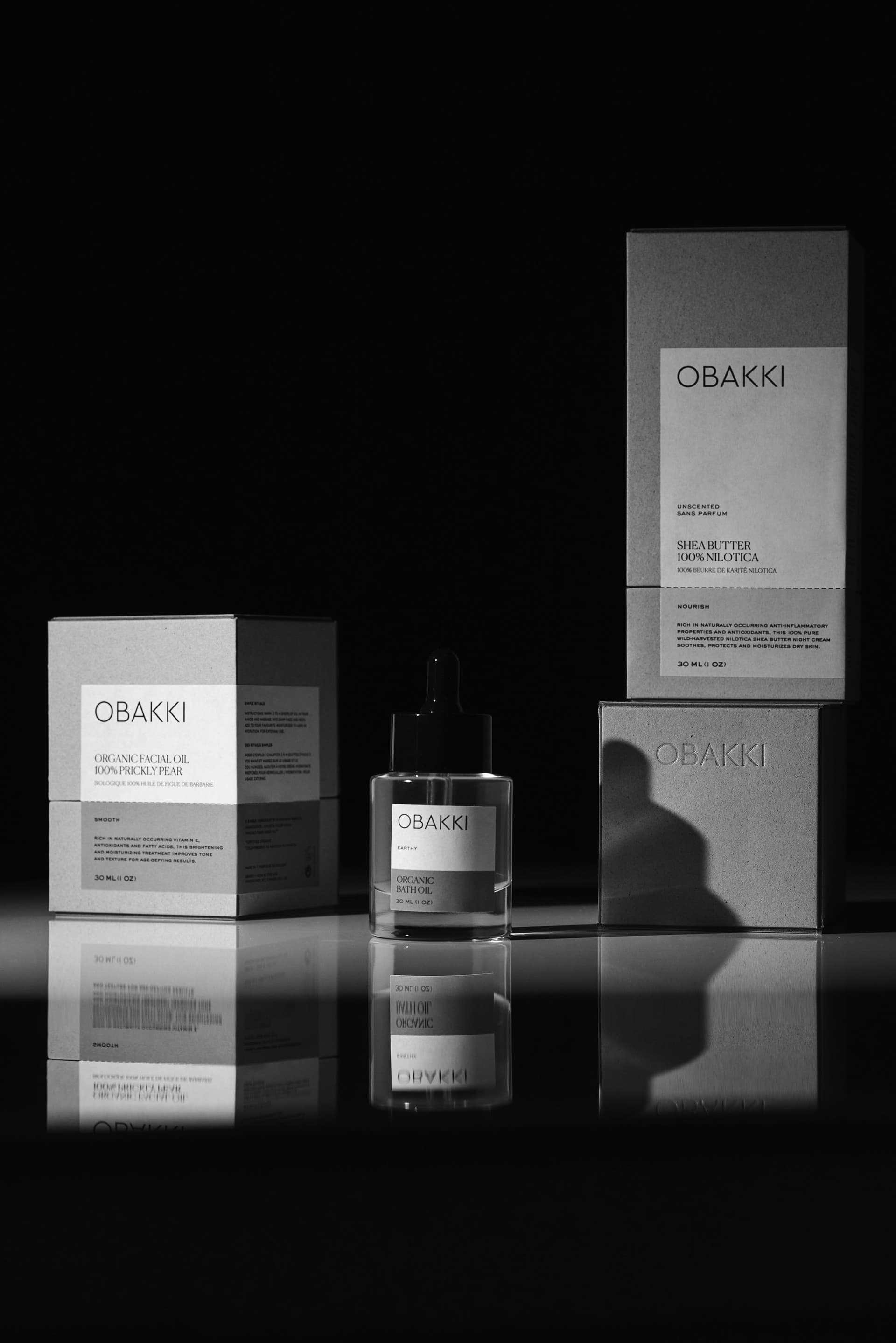
Picture a stylish flagship store. A brand’s various products are elegantly arranged throughout the space. But if you look closely at the display shelves, you’ll often see that the boxes are displayed alongside the products themselves. Why is that? Packaging doesn’t just protect products during transport; it also helps them stand out visually. A product displayed with a tasteful box looks much more premium than one sitting alone!
 thedieline
Understand the characteristics of the product you’re selling
1. Product size
Once you’ve confirmed why you need a box, the next step is figuring out what you need to do to choose the right type of box. The first thing to check is the exact size of the product that will go inside the box. Not only should you measure the exact width, length, and height, but if the product isn’t a clean, uniform shape, you should also check how much certain parts protrude and whether any raised or recessed areas could damage the box. As a general rule, it’s best to make the box about 2 mm larger than the product on each side!
 thedieline
2. Product material
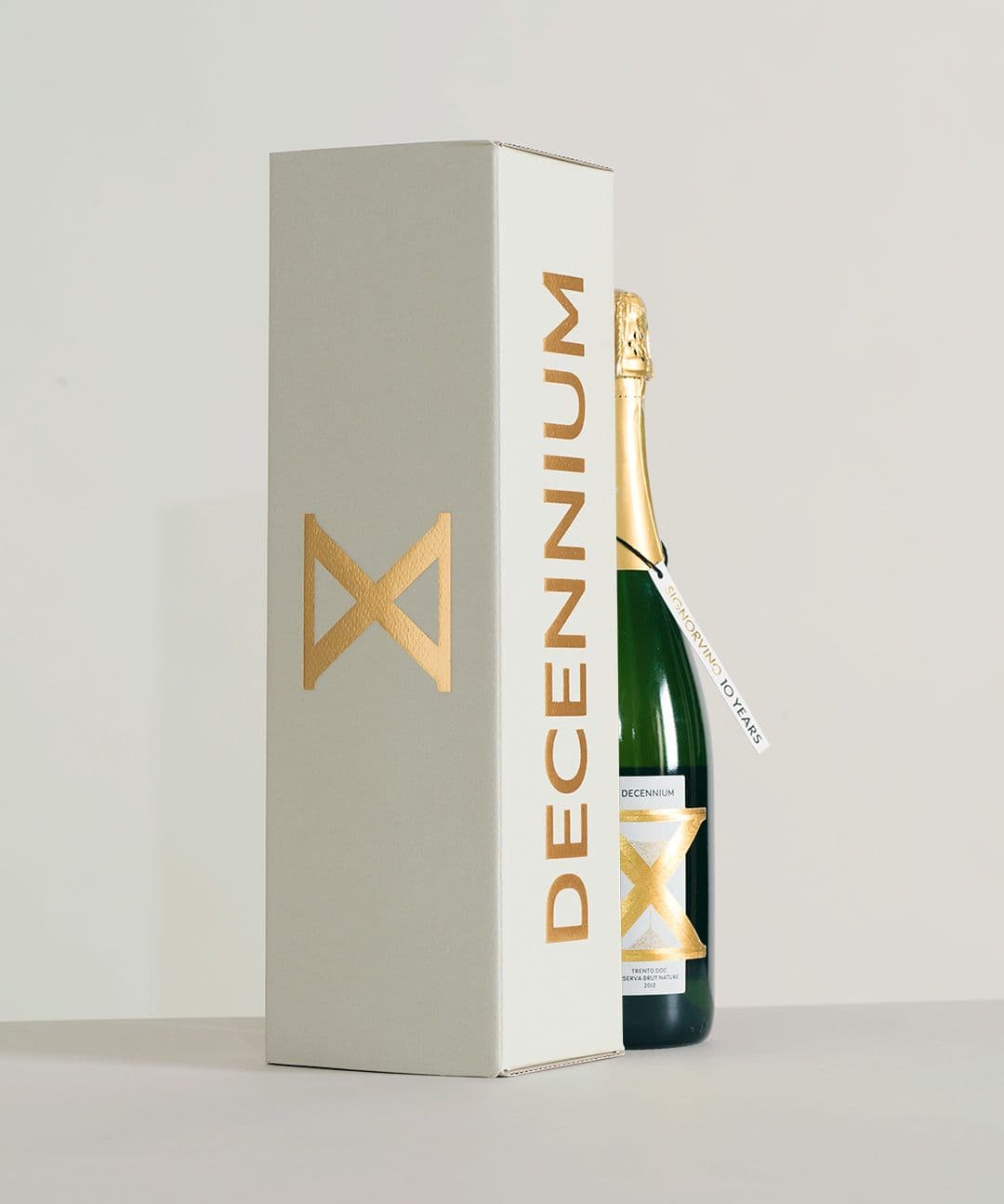
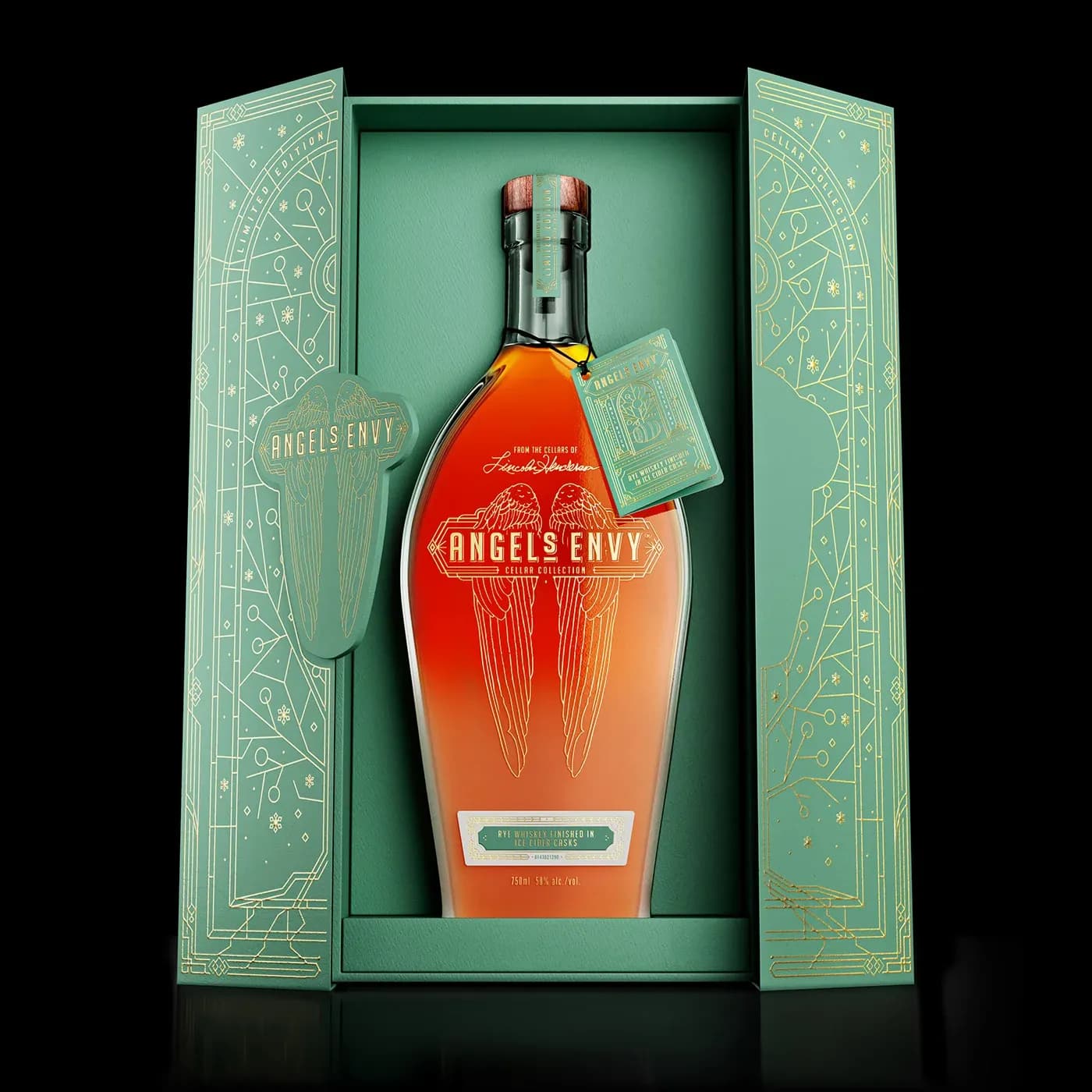
Just as important as size is the material of the product. If the surface can be easily damaged, or if the product is highly affected by temperature and humidity, you’ll want to choose the box material carefully as well. For example, if the product is made of glass, it can break easily, so it’s safer to package it in a corrugated box rather than a regular paper box.
 thedieline
3. Product weight
Even if the material itself isn’t especially fragile, isn’t the product somewhat heavy? If so, you need a box strong enough to absorb impact in case it falls from a certain height.
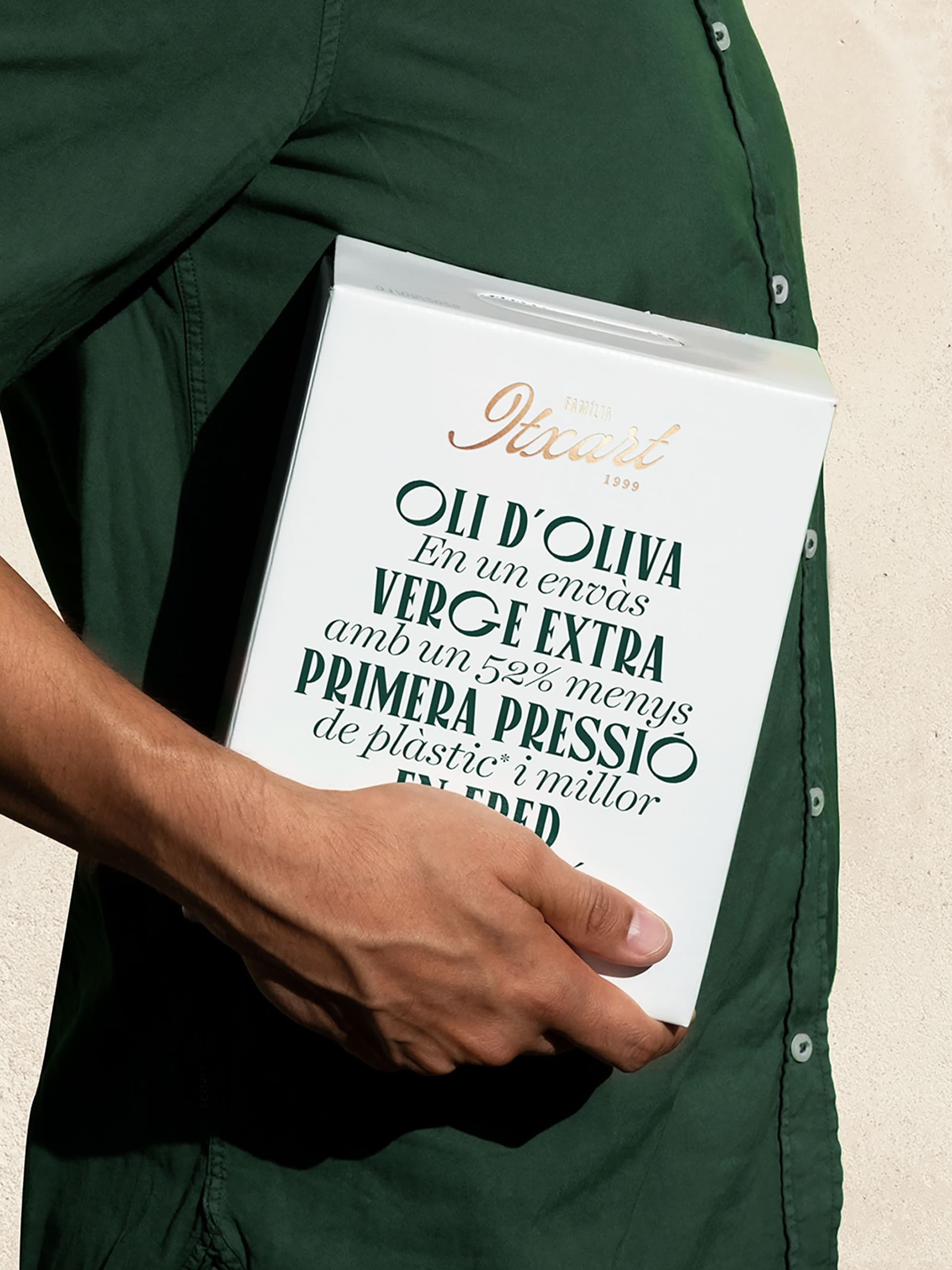
Some products may be small but heavy, while others may be both large and heavy. Here’s a little guideline for packaging design beginners: for moderately heavy yet premium products such as liquor, we recommend a rigid box, while for bulky and heavy products such as home appliances, a corrugated shipping box is recommended!
 thedieline
Choosing the box shape and material for safe delivery
Now that you know the exact size, material, and weight of your product, it’s time to choose the right box shape and material. Naturally, the more secure or premium the packaging needs to be, the thicker the box material should be. But what kind of box shape should you choose? Here are a few tips that will be useful for packaging design beginners.
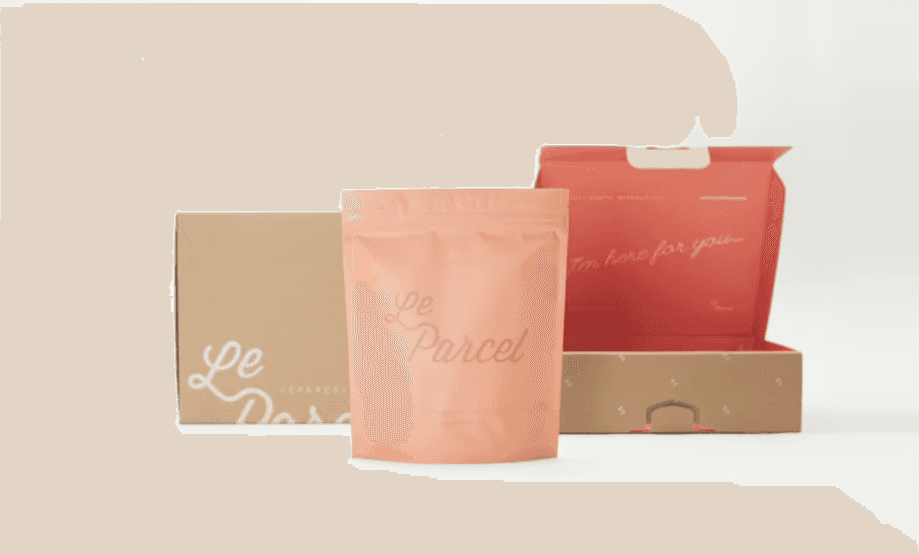
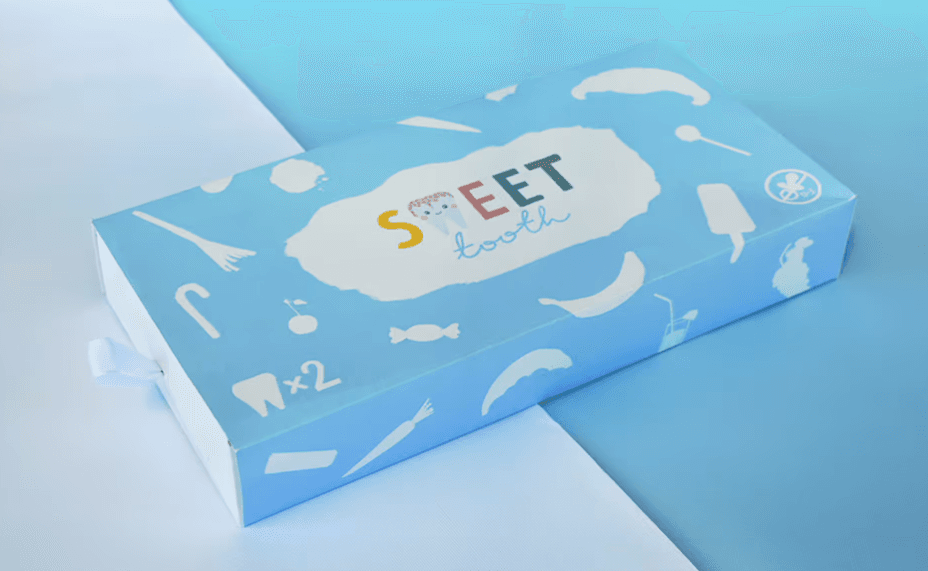
First, a packaging box is generally shallow with a wide surface area. Since it opens from the bottom upward with a little reveal, it’s well suited for gifts. Another popular option for gift packaging, the slide box, is made of simple paper but has a double-layer structure, making it sturdier. Its flat shape and slide-open design make it ideal for clothing and accessories.
Choosing a product within a manageable price range
In truth, there isn’t just one “correct box” for packaging a product. Narrow down the ideal box material and shape to about two to four options. Now it’s time to do the math.
After all, this is for selling products, so packaging costs can’t end up putting you in the red! You need to calculate how much you can invest in packaging for this product, and how much profit you can make with the right packaging.
When you’re weighing several options, actually having to “run the numbers” for budgeting can be a headache. In that case, we recommend using Packative!
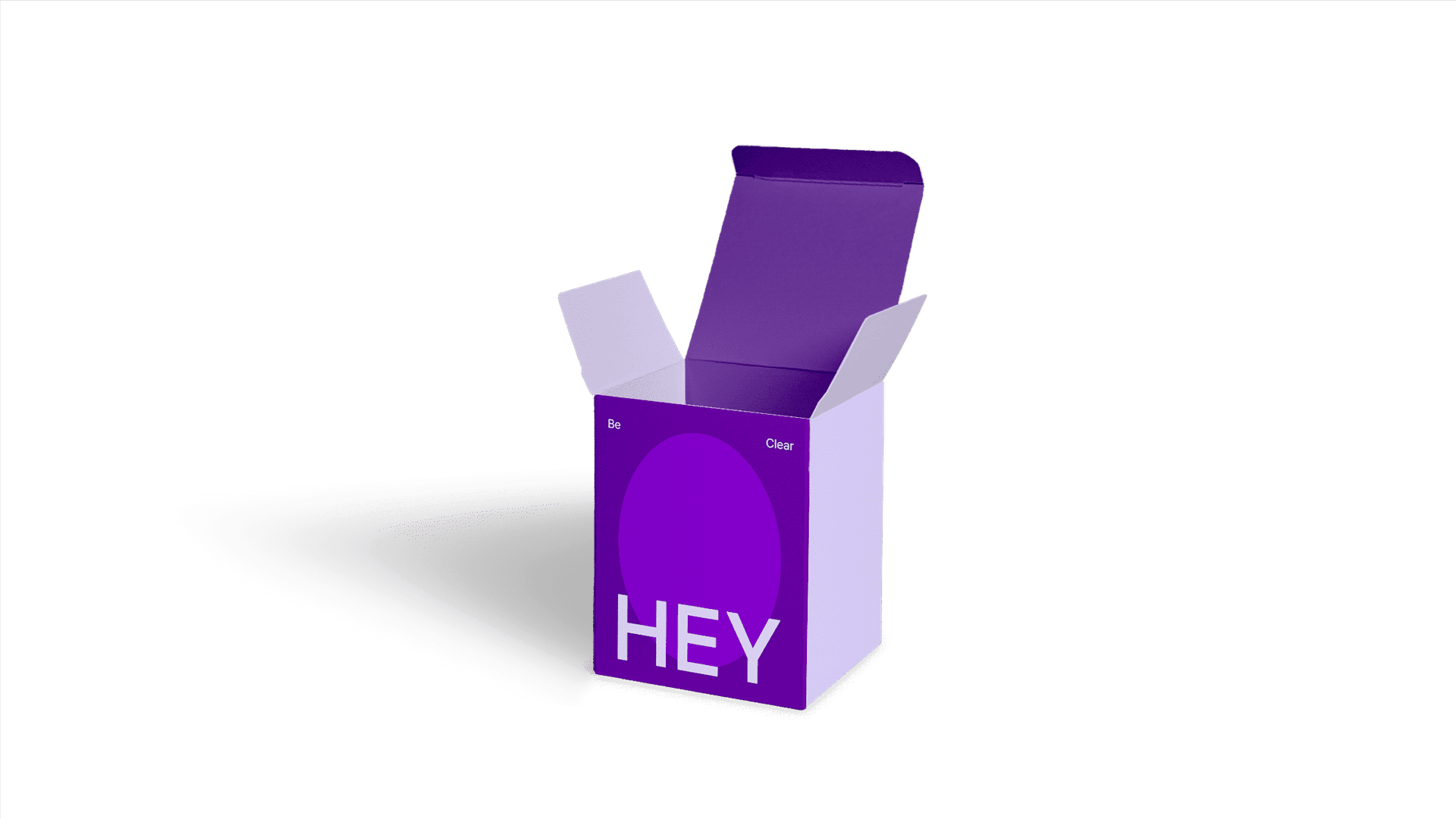
It’s especially convenient for packaging design beginners because you can use its real-time quotation system. On the Packative website, you can check pricing instantly every time you click the size and material you want for your box. Plus, you can create your own custom box design easily and conveniently with the free 3D editor. New to packaging design? Visit Packative now!