How Product Packaging and In-Store Displays Affect Sales
Visual elements of a product and in-store displays effectively attract customers and build brand awareness. The biggest factor influencing product sales is, of course, visual appeal. In other words, what matters is being seen clearly and looking attractive to customers. In today’s post, we’ll look at how to capture customer attention through effective design, in-store displays, and packaging.
Product visual elements and in-store displays effectively attract customers and build brand awareness. The biggest factor influencing product sales is, of course, visual appeal. In other words, what matters is being seen clearly and looking attractive to customers. In today’s post, we’ll show you how to capture customer attention with effective design choices, in-store displays, and packaging.
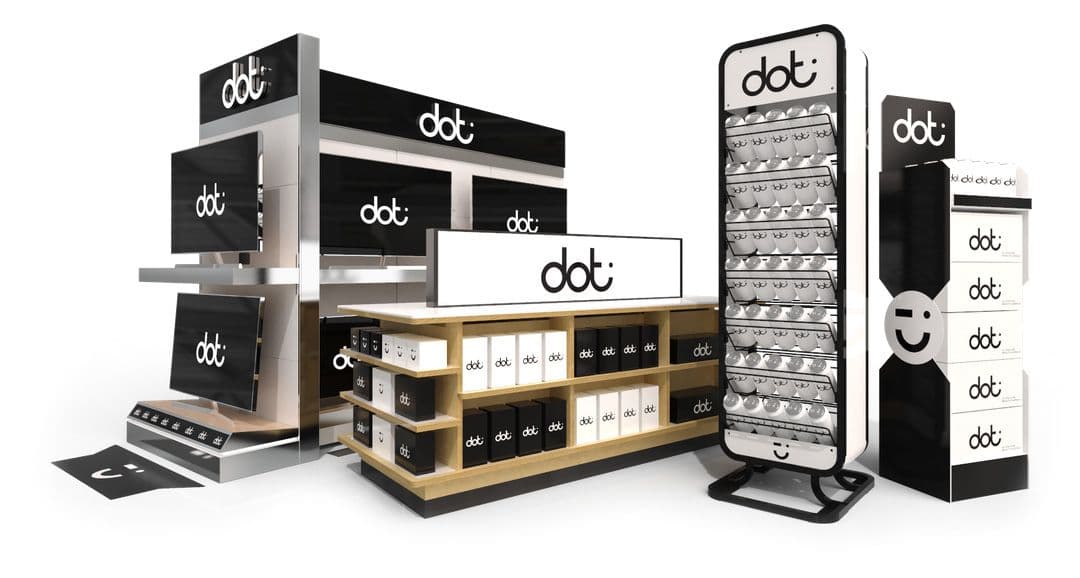 dotdesignpop
What Is an In-Store Display?
First, an in-store display refers to the way products are presented in retail stores that customers visit to make purchases. So in-store display includes not only the order or arrangement of products on shelves, but also all the more complex and varied uses of space within the store. If you think about your own experience visiting stores and buying products, you’ll realize that even for the same item, the way it’s displayed can greatly affect your choice!
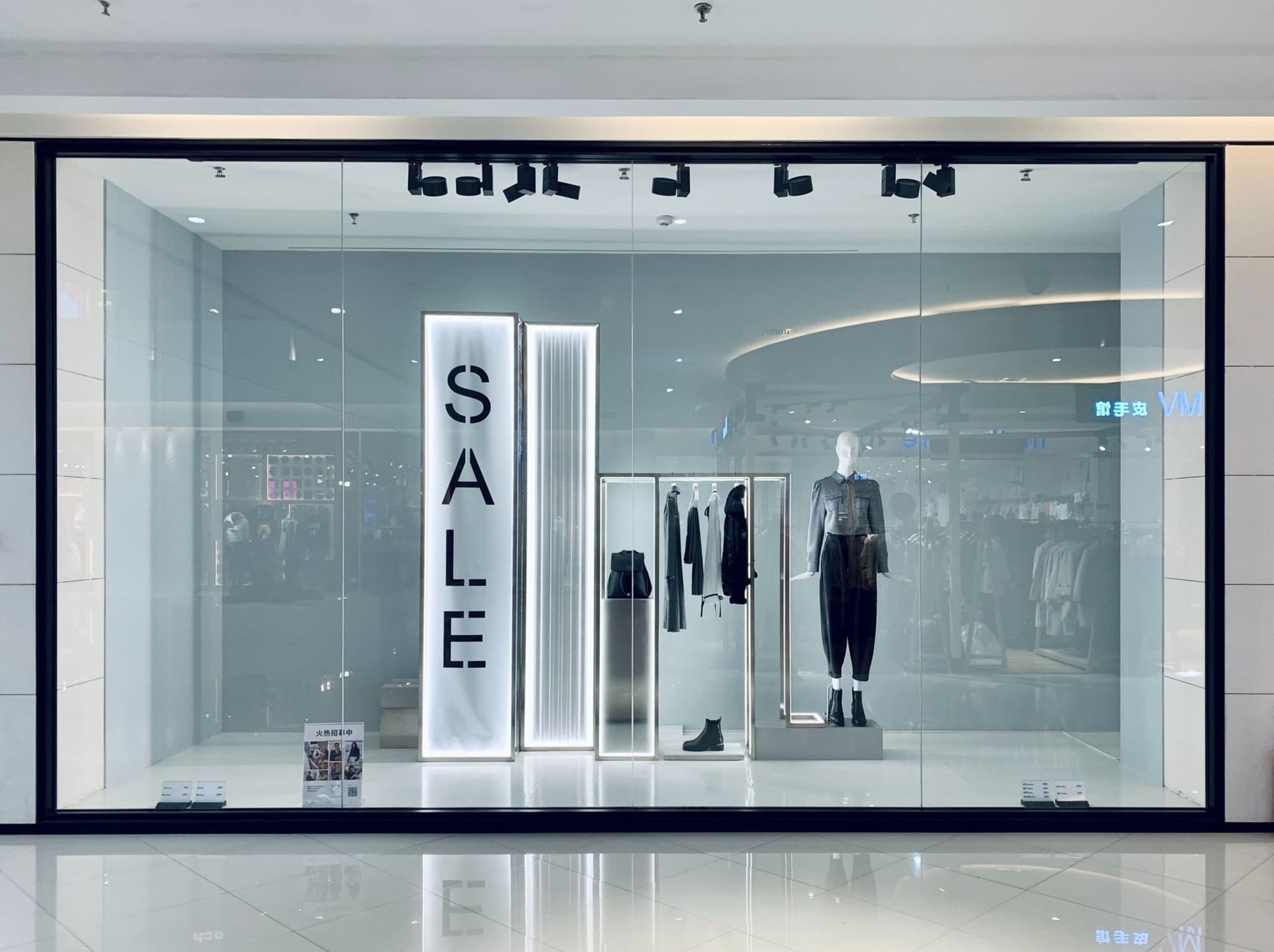 magestore.com
The Importance of In-Store Displays
1. Higher Conversion Rates
A well-designed in-store display can significantly increase product conversion rates . Research shows that even for the same product, placing it in a specially curated display can boost sales by up to 4.7 times. So if the goal is to influence consumer choice, you need ideas and creativity in how you display products just as much as in making good products!
 logisticsbureau.com
2. The Role of a Salesperson
An in-store display is like a quiet salesperson. It attracts customer attention, introduces the brand, offers promotions, and highlights products and services. A real salesperson speaks directly to the customer, but a display can almost speak through a glance. That’s why using in-store displays to boost sales is far more economical than hiring another staff member!
 blog.hubspot.com
How to Use Packaging in In-Store Displays
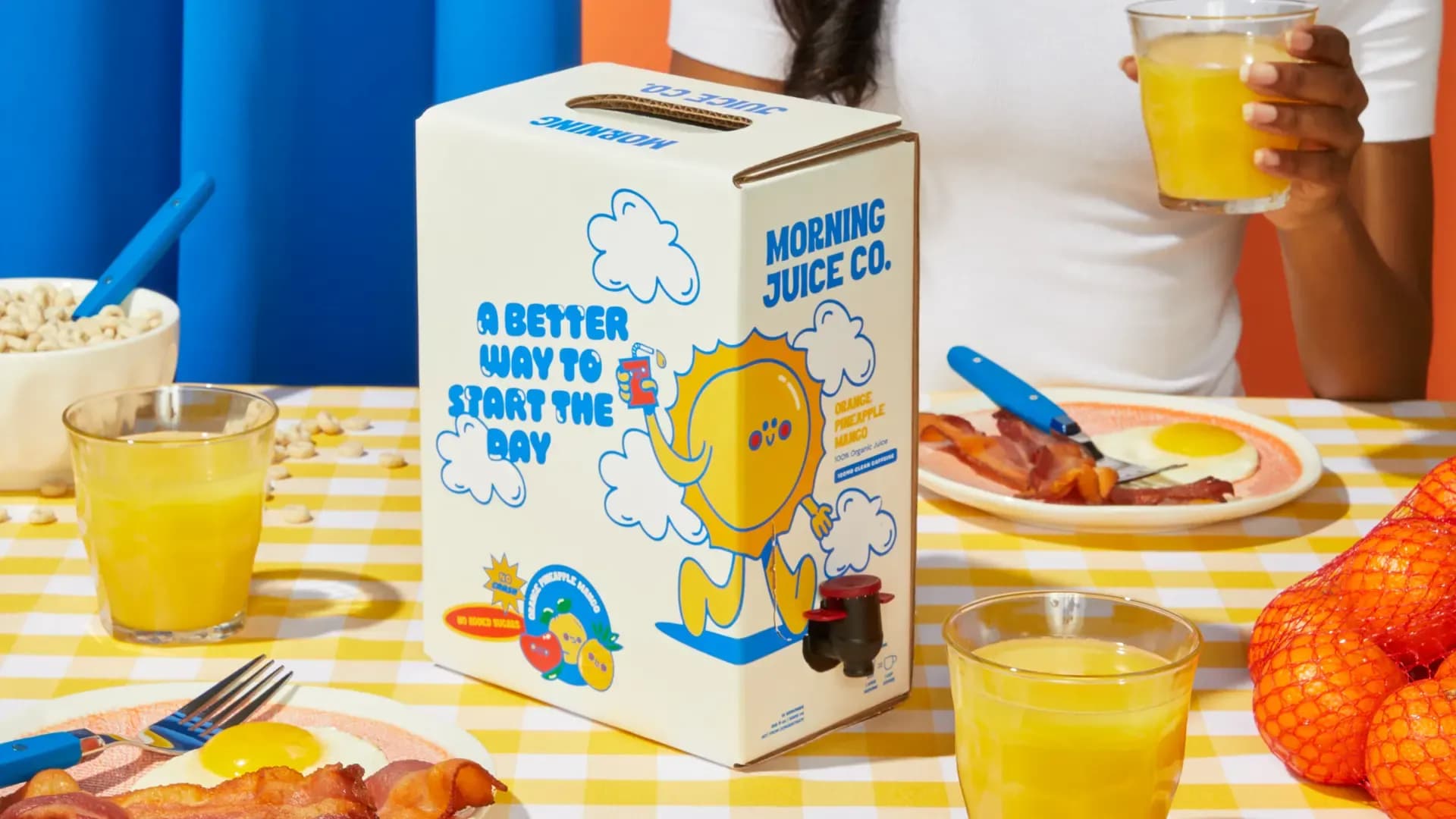
1. Draw Attention with Distinctive Packaging
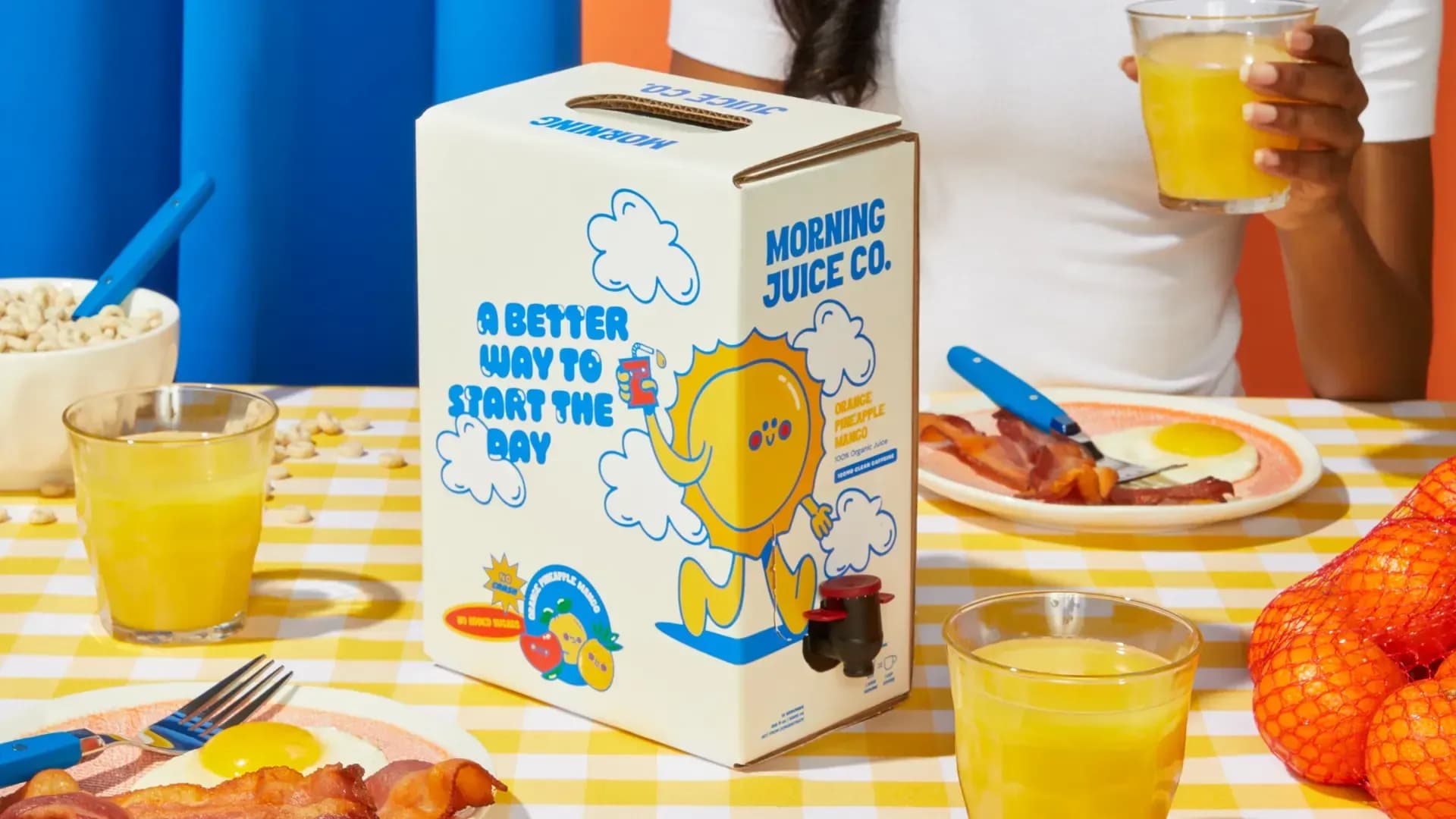
So how can you create an in-store display that catches consumers’ eyes? One of the most economical and effective ways is to make the packaging stand out. If the packaging around each product is appealing, it can attract attention without any additional display decoration. Prepare packaging with a stylish design that suits both the product and the brand.
 thedieline.com
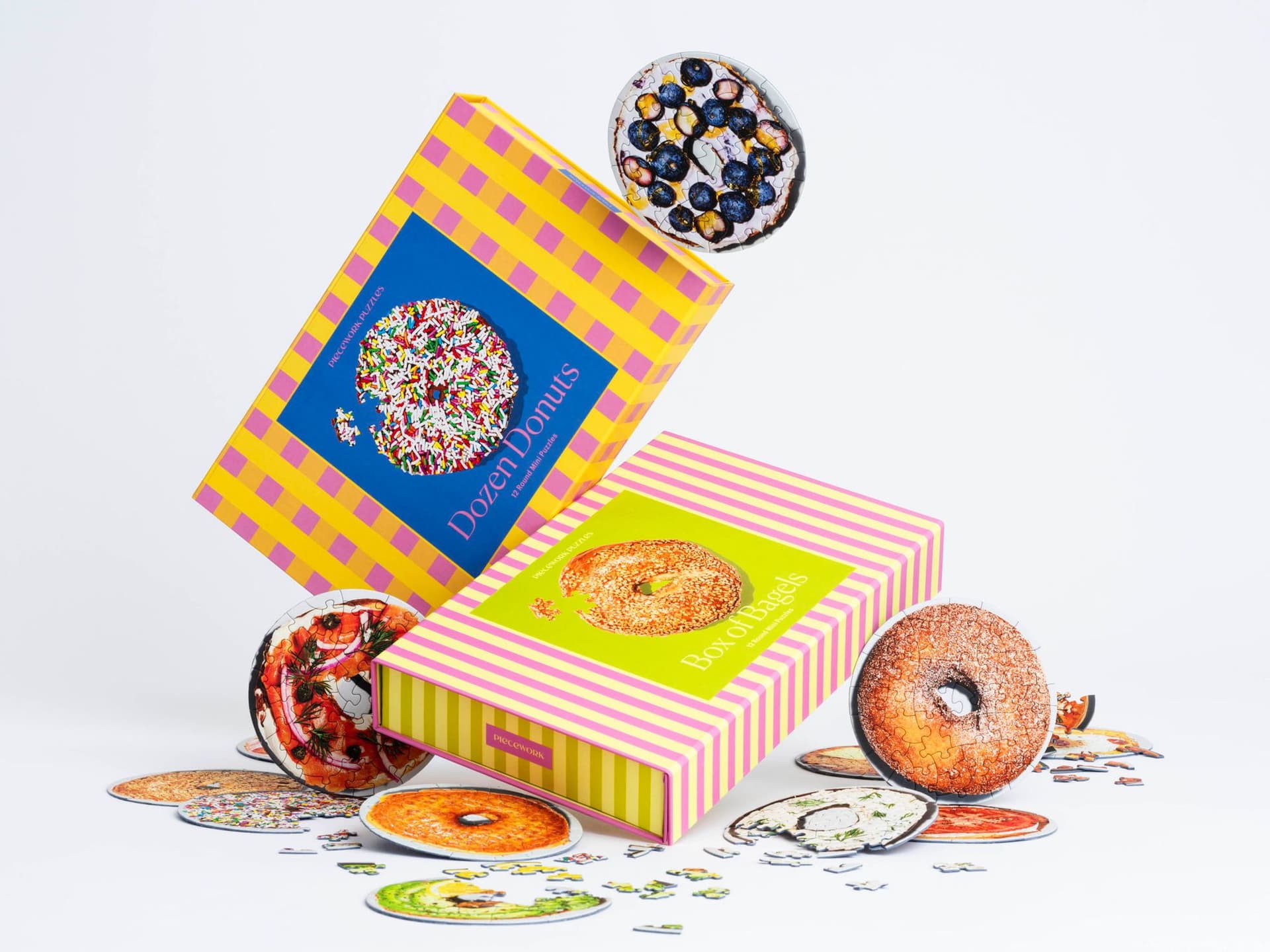
2. Incorporate Brand Storytelling
That said, you should not create packaging that feels disconnected from the brand just for the sake of standing out in store. One of the most important qualities of good packaging is that it fully conveys the brand story . Make sure the display shelf and the packaging design work together overall, delivering a unified message that reflects the brand identity. It will be far more effective than a design that simply “pops.”
 thedieline.com
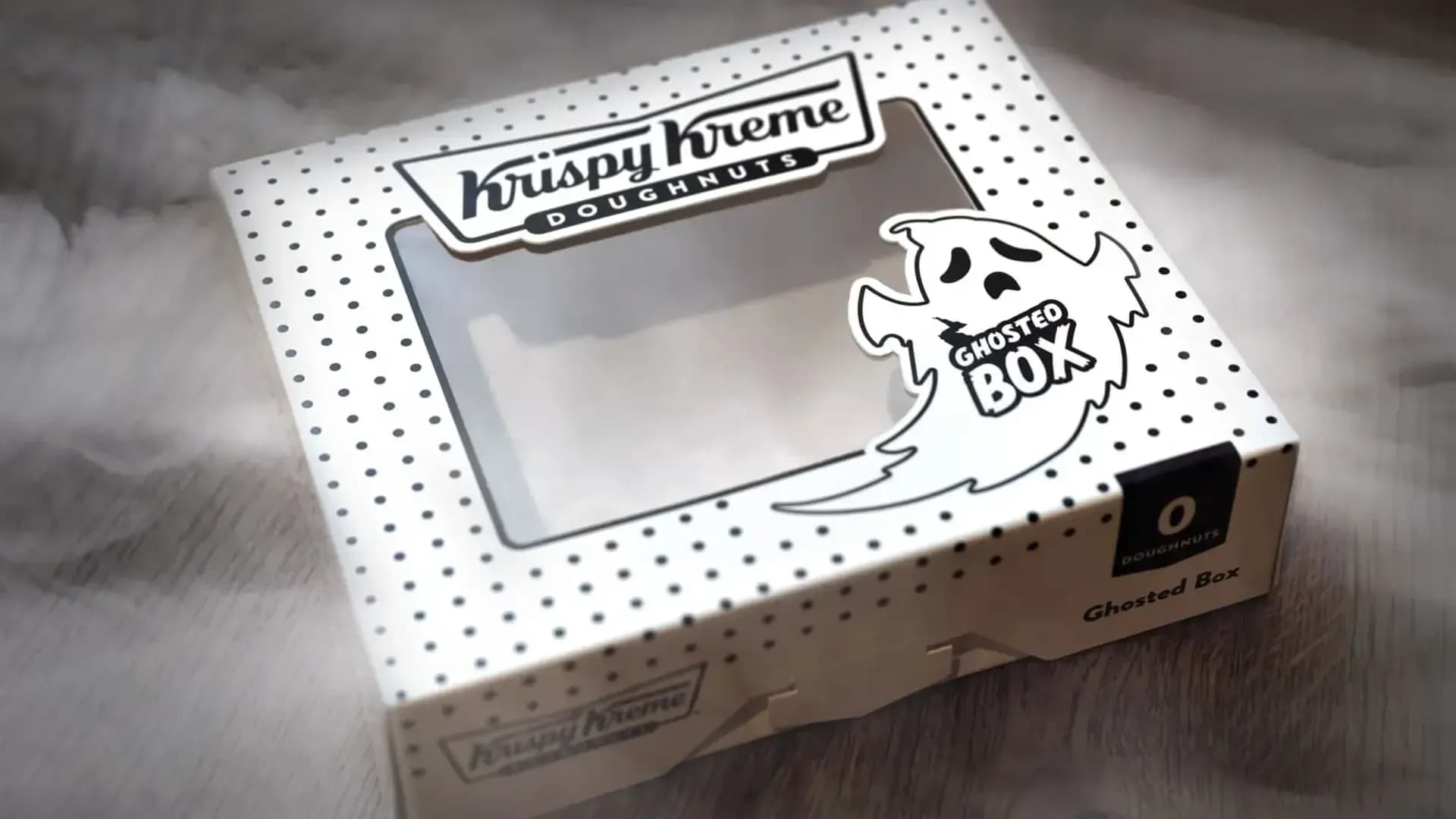
3. Keep Things Fresh with Seasonal Packaging
It’s not easy to keep developing entirely new products. But repackaging and selling the same product in a seasonal version is a great way to create a fresh atmosphere at a lower cost. When the seasons that naturally refresh consumers’ moods come around—Christmas, New Year, summer, spring, and so on—keep changing the atmosphere by updating the store and shelf display to match the season.
 thedieline.com
Tips for Making the Most of In-Store Displays
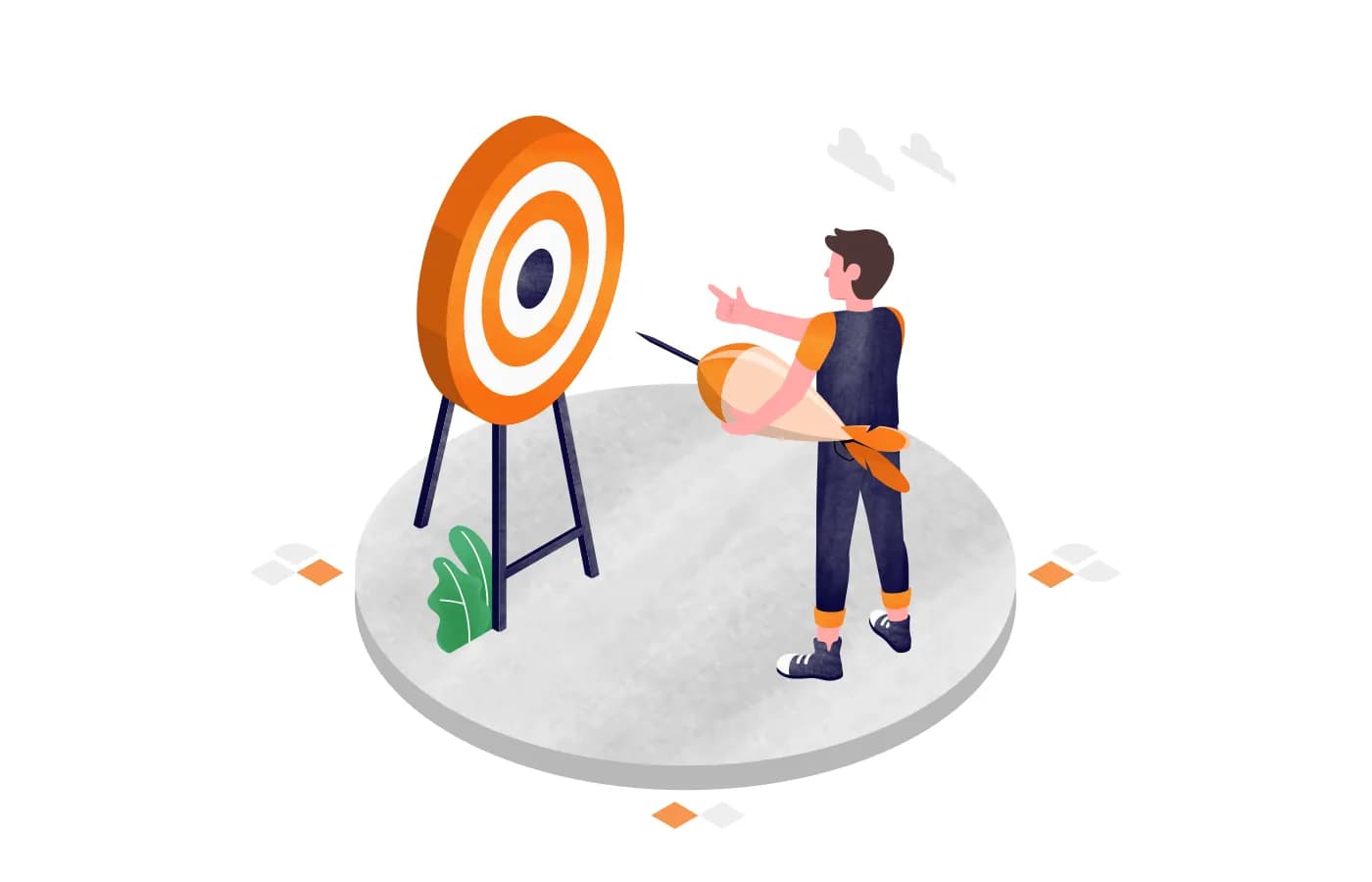
1. Specific Targeting
Clearly defining which customer group you want to target is a key requirement for a successful in-store display. A generic display meant to catch everyone’s eye may end up attracting no one in particular. The most effective approach is to design the display around the preferences of your expected audience, such as younger shoppers, older shoppers, or families with infants.
 www.sender.net
2. Include Branding Elements in the Packaging
An in-store display is not just about temporarily selling products placed on a shelf. When shoppers passing through the store see items on display, that in itself is marketing! So when designing the packaging around a product, don’t think of the target consumer only as a one-time buyer of that product, but as a long-term customer of the brand. Make sure the values your brand stands for and the identity it carries are clearly communicated through the packaging.
3. Stimulate the Senses
Product displays primarily stimulate sight, but using other senses as well greatly enhances the effect. For example, background music played in a store can have a psychological effect on shoppers. Letting customers touch products is also an excellent way to create tactile stimulation. In addition, installing air fresheners or diffusers can bring out positive emotions through the sense of smell.
 open.spotify.com
4. Apply Design Theory
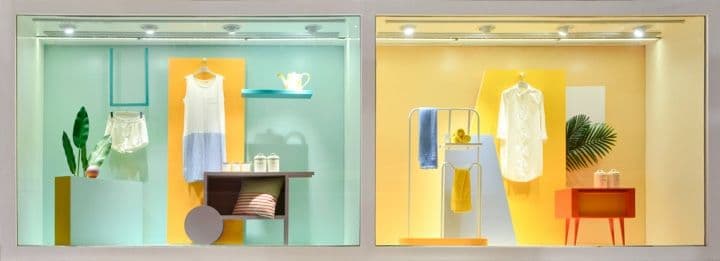
Try using a few basic design principles. For example, “Simple is the best” is not just a trendy phrase; it’s also a design principle. When setting up store displays, people usually try to place as many products as possible to show them to customers. But in reality, if the store or shelf feels cluttered and messy, customers are less likely to take the time to look closely at the products. Try focusing the display on a small number of key items.
 open.spotify.com
Order Attractive Packaging That Captures Customers at Packative
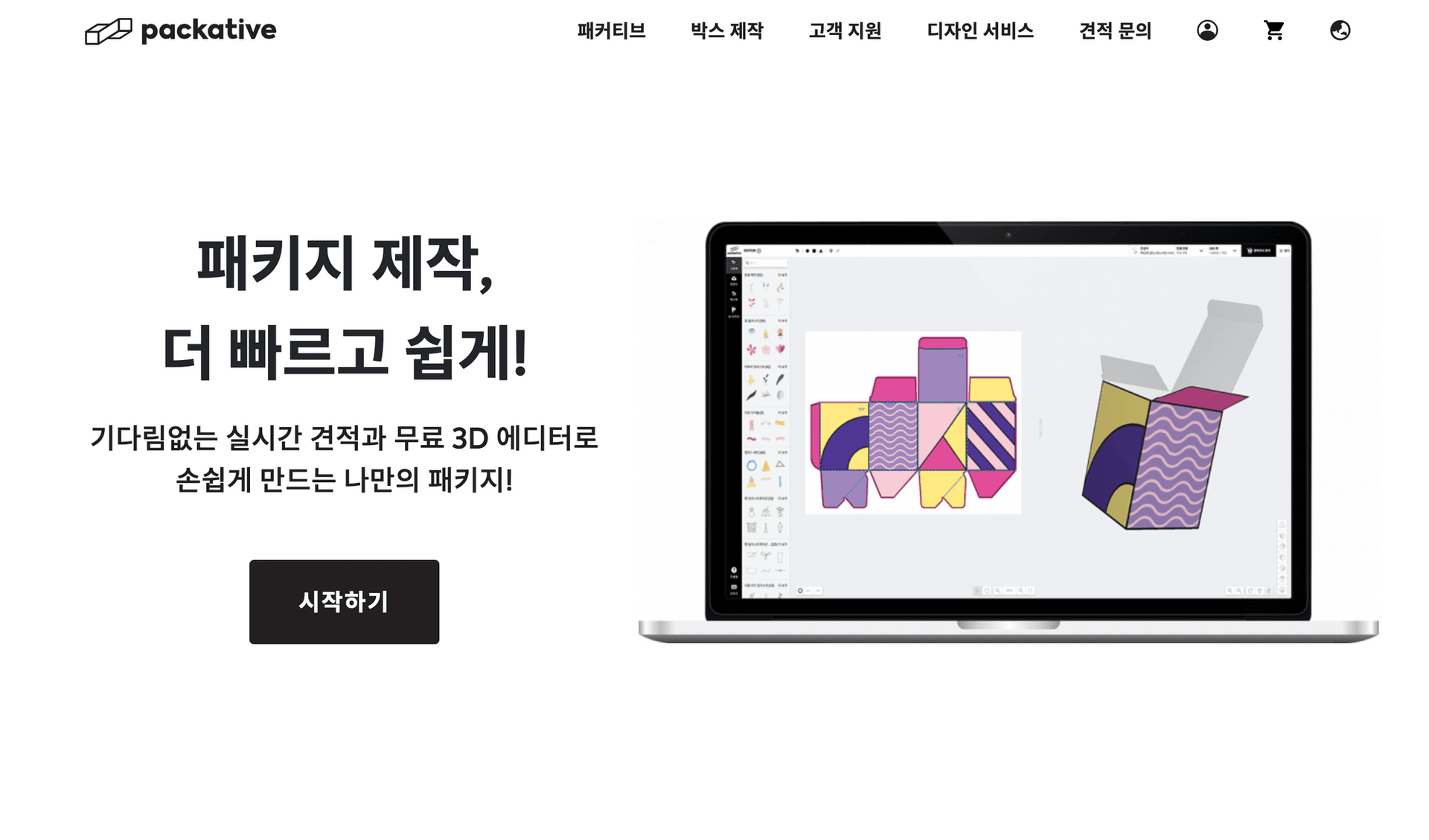
How can you design packaging that considers not just looks, but also in-store display? For thoughtful design with many factors to consider, custom production is the right choice, since you can select the material, shape, and more in detail. Visit Packative now and use our easy free 3D packaging editor to create custom packaging for your brand that’s perfect for display!