How to Create a Logo for Effective Branding for Small Brands
If your business is small or has only just started, you may be wondering how to reach consumers effectively. There are many ways to build awareness, but using a logo is one of the most basic yet powerful first steps in branding. What is branding? To begin with, branding means...
 Source: freepik
If your business is small or has only just started, you may be wondering how to reach consumers effectively. There are many ways to build awareness, but using a logo is one of the most basic yet powerful first steps in branding.
What Is Branding?
 Source: oyova
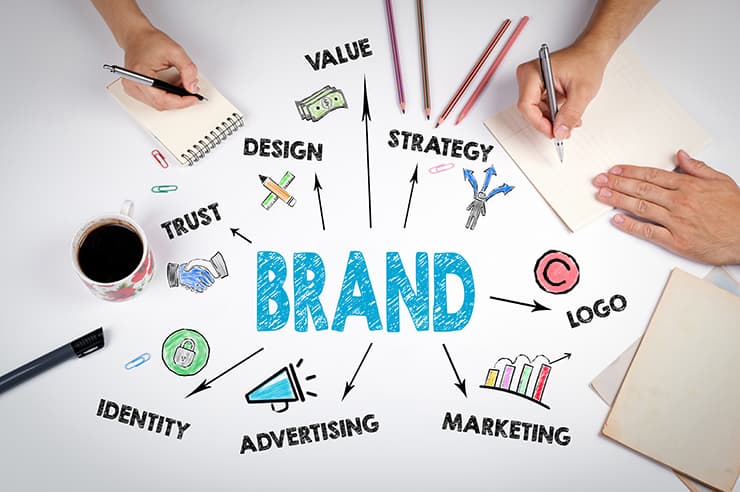
First of all, branding means making your brand known to consumers, or, in other words, making consumers think of your brand. Good branding is what differentiates your brand from competitors. In particular, the difference between ‘branding’ and ‘marketing’ is that branding is not just about driving sales, but about communicating your brand’s unique value and identity. You need to win over consumers not simply as ‘people who buy things,’ but as your supporters—people who agree with and relate to your brand.
Why Logos Matter
 Source: 99designs
Creating a brand’s own logo is one of the most effective and fundamental branding strategies. When building a business, logo creation may not feel like the top priority. You may think it’s more important to focus on product development and production first. But truly successful brands all have their own logos. Let’s take a closer look at why logo design is essential for branding.
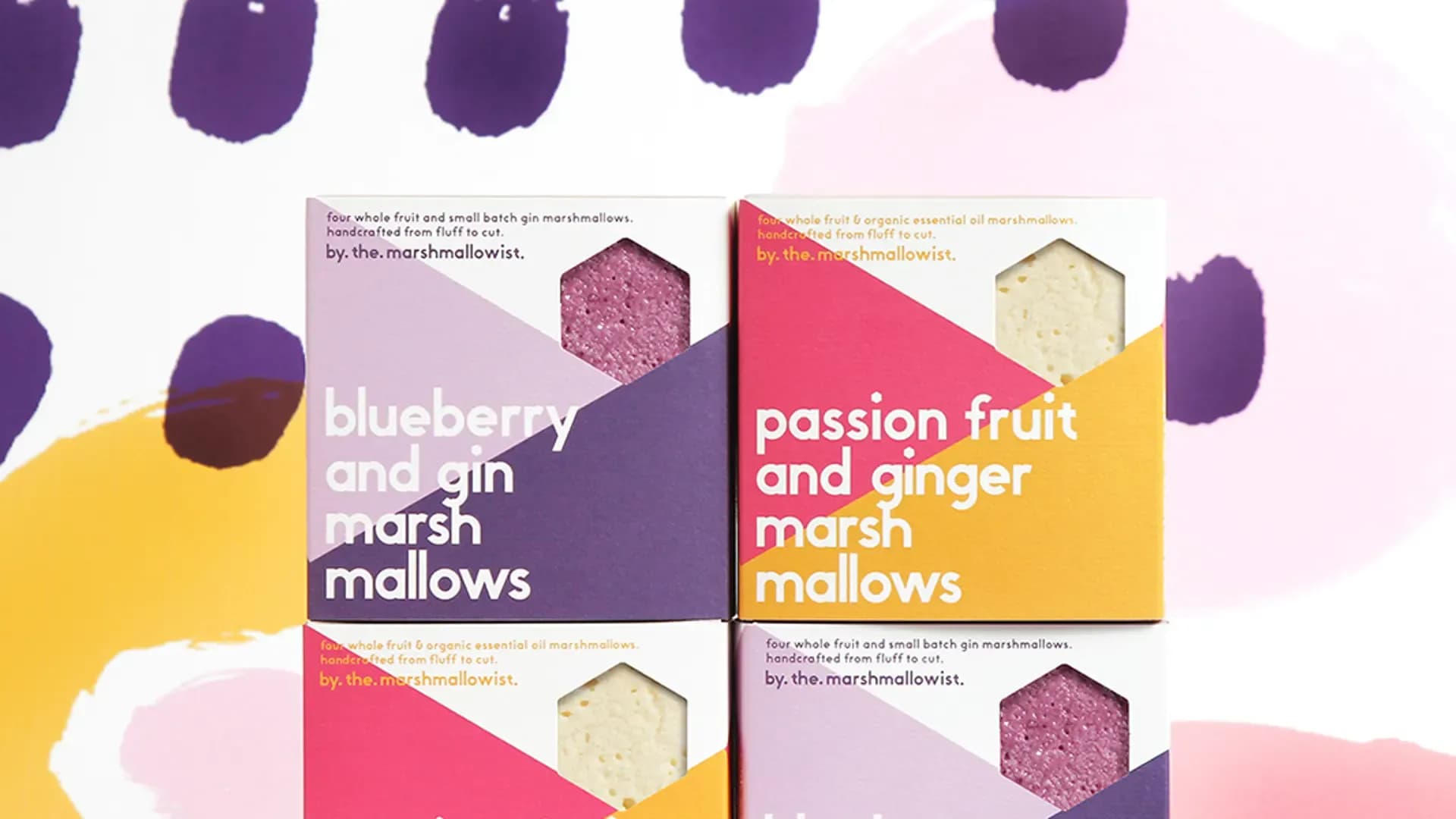
The relationship between logos and boxes?
1. It catches the eye
 Source: thedieline
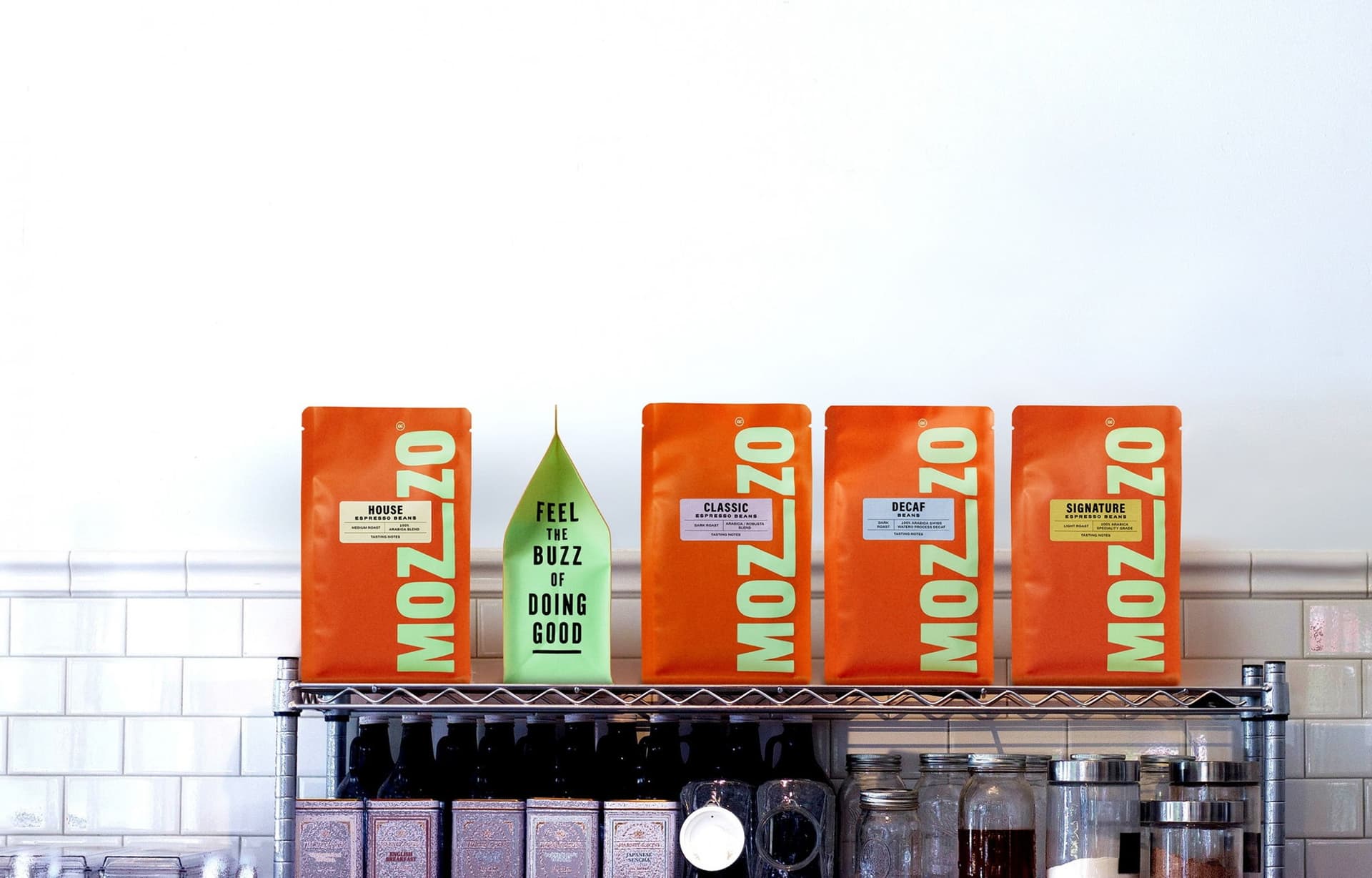
We live in an era where short-form content dominates the content market. The amount of time people can focus on one thing is getting shorter and shorter. That’s especially true for consumers. Sellers have to capture customers’ attention in just one second.
Consumers identify a product or a brand’s appearance in a very short amount of time. A brand must draw the eye in a highly condensed way while also communicating its core value at the same time. A logo, with its highly distilled combination of image and text, is the best tool for doing this. Strong, clear, and even more effective when repeatedly exposed, a logo is the face of a brand—welcoming consumers faster than the product or service itself.
Brand packaging and design tips
2. It sticks in consumers’ memory
 Source: nike
A logo imprints a brand in consumers’ memory. This is the power of a symbol. For example, when you think of Nike, what comes to mind first is not a particular shoe or apparel item, but the swoosh logo that symbolizes the brand. And consumers often do not fully realize that associating a specific image with a brand is directly tied to purchasing decisions.
But when a brand continuously evokes one clear image such as ‘victory,’ customers naturally come under the influence of that image in the buying process. Rather than hearing or reading long explanations about what kind of company it is or what values the brand stands for, a simple but unmistakable image—one powerful symbol—can stay in memory longer. Sometimes we even forget the brand name, yet still vaguely remember the logo.
3. It gives you an edge over competitors
 Source: pinterest
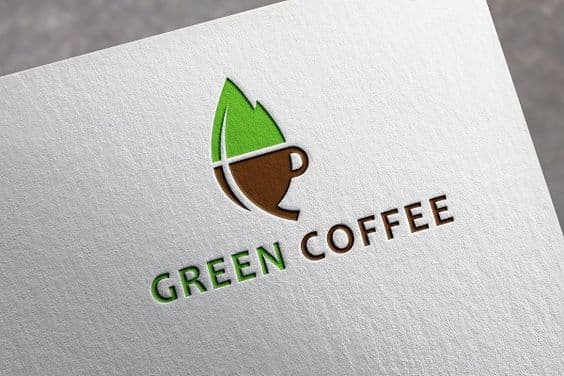
Let’s say there are 50 different cafés in the neighborhood. When consumers look at a group of shops all selling coffee, how do they distinguish one café from another? Among 50 similar cafés, if one of them has a green logo symbolizing sustainability rather than coffee cups or coffee beans, it can secure its own distinct identity. In this way, a logo quickly and clearly tells consumers that your brand is different from the rest.
4. It builds brand loyalty
 Source: nepsprint
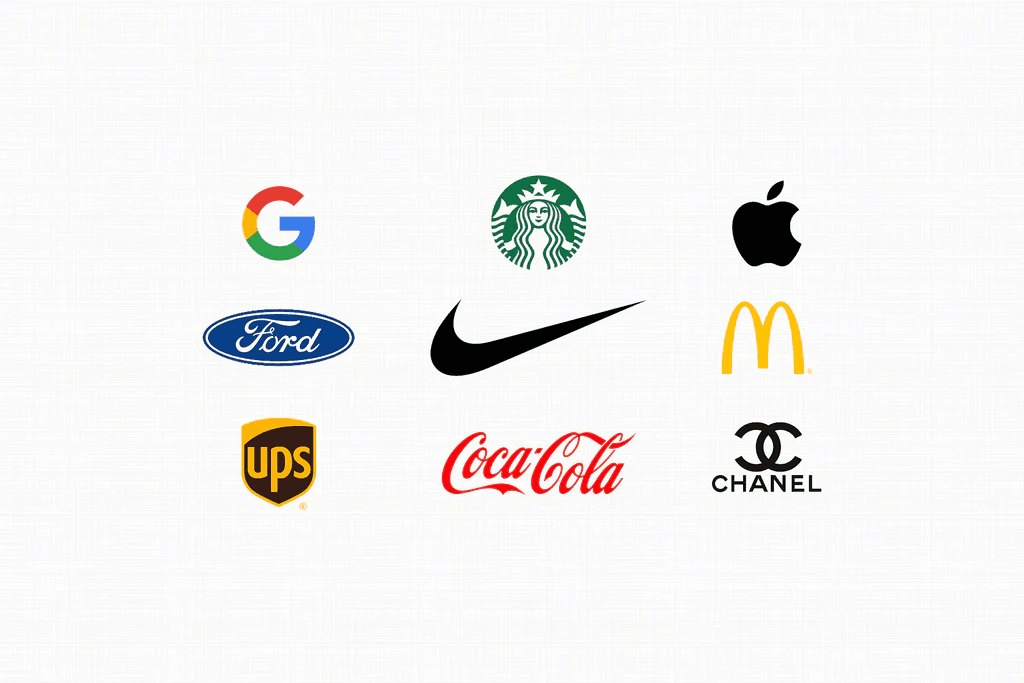
Consumers want consistency. As a brand grows, consumers become increasingly familiar not with a specific product, but with the brand itself. From that point on, they continue buying based on trust in the brand rather than just product benefits. At this stage, the logo acts almost like a ‘certificate of quality’ for consumers. There is no longer a need to persuade them about the product in detail. That is brand loyalty.
How to Create a Good Logo
So, how can you really create a ‘good logo’? What kind of logo should you make, and how should you make it to capture customers’ hearts? Let’s look at the practical steps needed to create a strong logo.
1. Start with a story
 Source: freepik
The starting point is the story. Today’s consumers tend to be much more drawn to stories than to simple product information. Before designing a logo, first think about your company’s story. Focus less on what the business does and more on why it does it. Once you have the story you want to tell consumers, the colors, fonts, and shapes needed to tell it will naturally come to mind.
2. Brainstorm words related to the brand
 Source: freepik
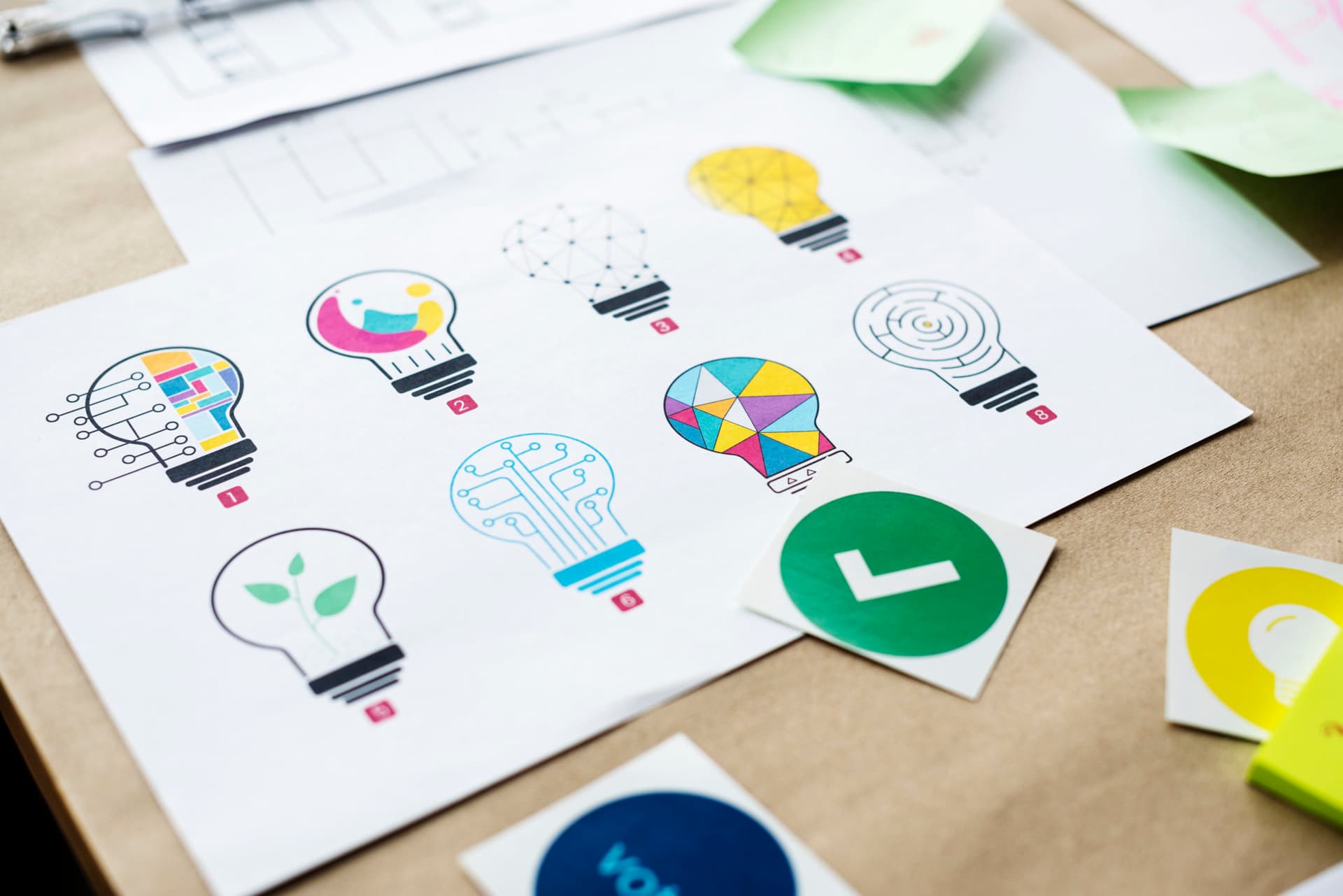
Once you have written the story, it’s time to translate it into a logo. Brainstorming can serve as a helpful bridge here. Think about your business field, product features, and every element of the story you developed earlier, then freely write down keywords. If any words stand out, narrow them down and begin combining them one by one with suitable images, shapes, and colors.
3. Use free design platforms
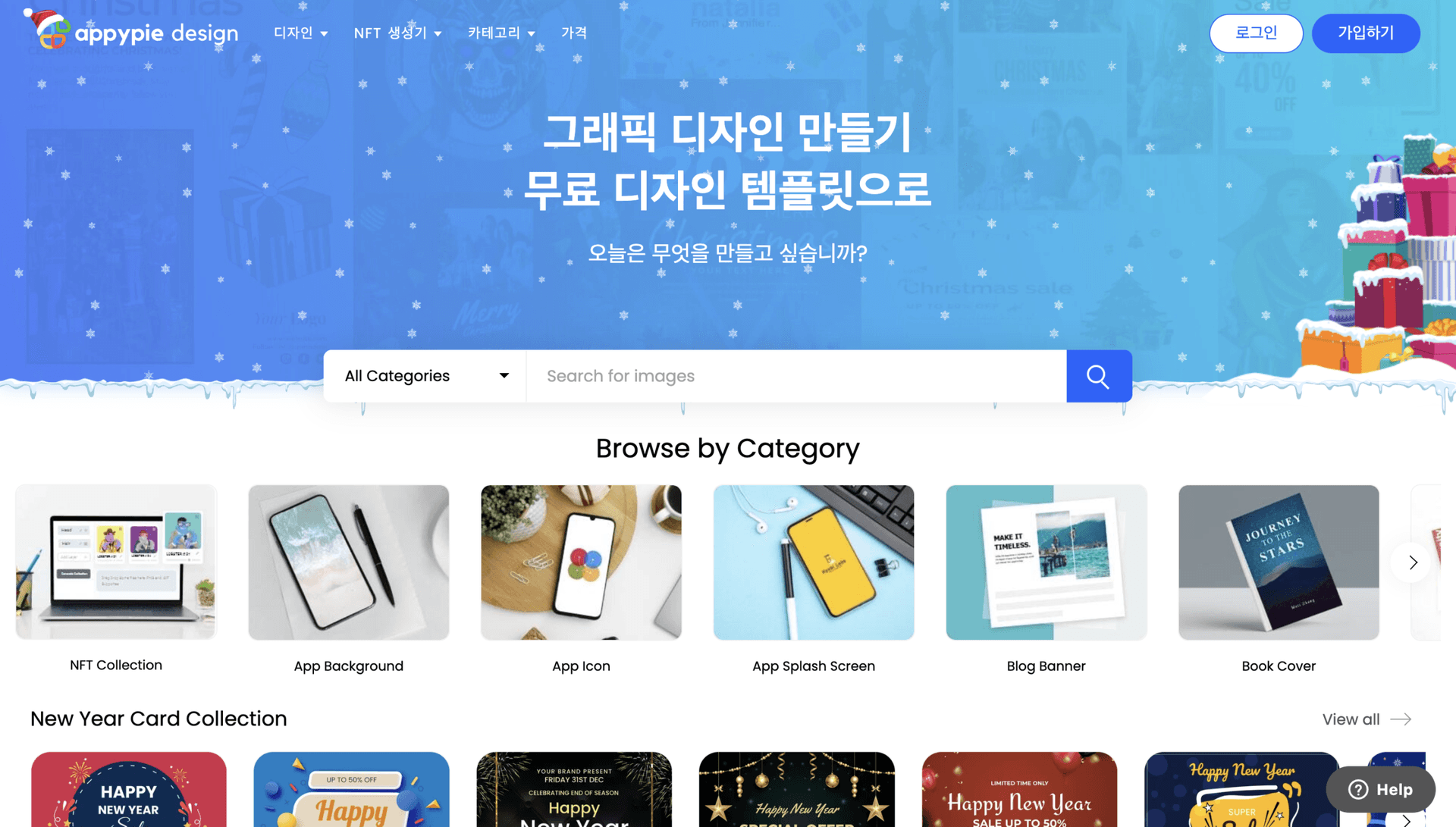 Source: appypie
Sketching directly with paper and pencil is, of course, a great method. But you can also start working in a digital format from the very beginning. Even if you are not a design expert, there are now free online design platforms available. The following sites offer a wide variety of templates and samples, making it easy for anyone to design a logo.
Looking for more logo-making tools?
4. Consider different usage environments
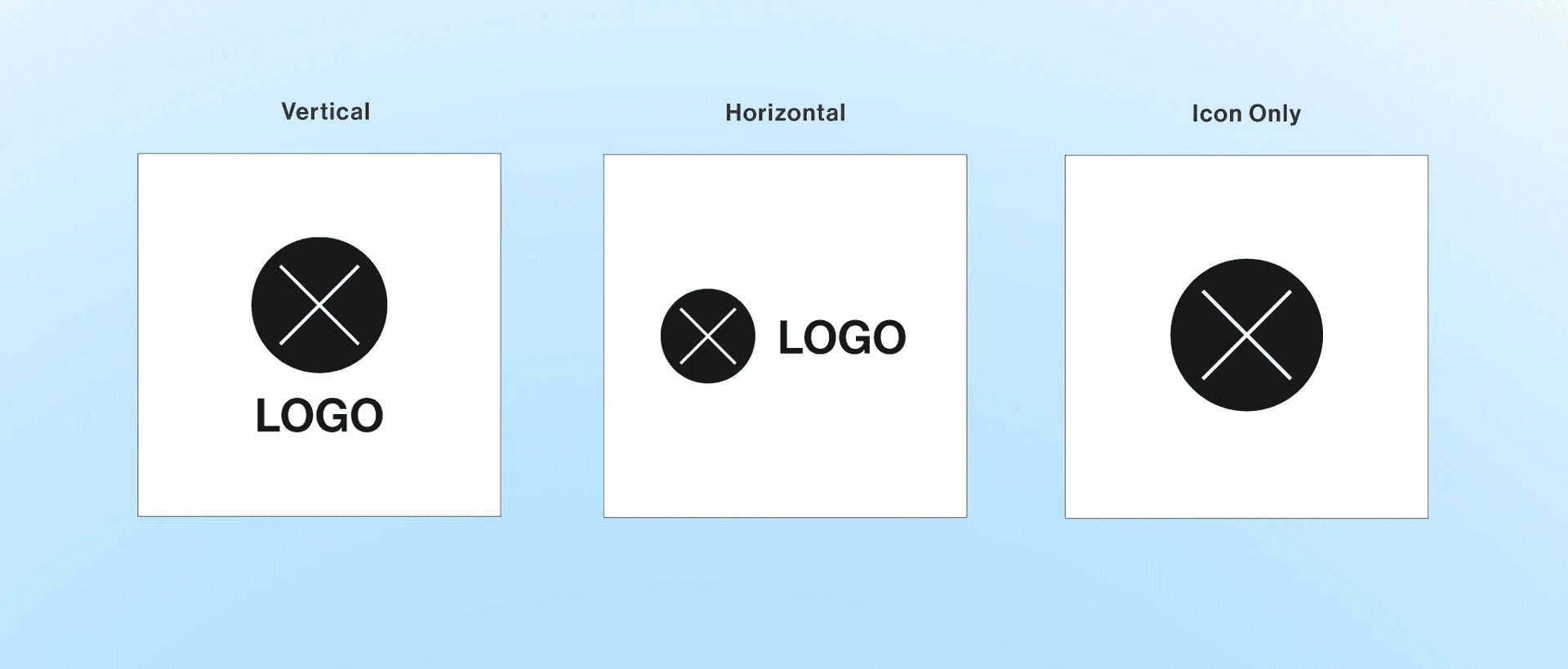 Source: snappa
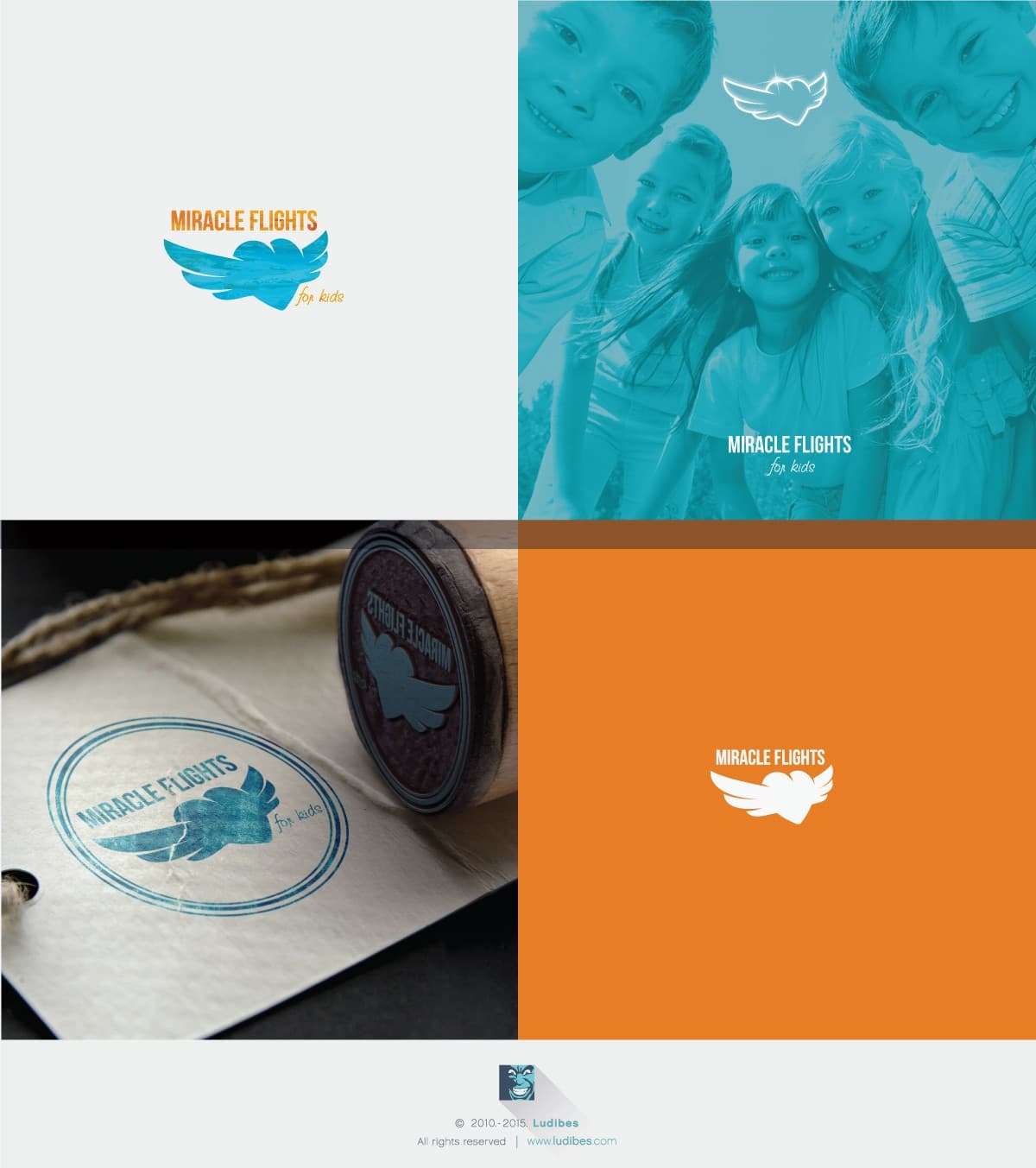
A logo representing a company is basically enough with just one version, but in reality, that is not always the case. If you use the exact same logo regardless of the usage environment—such as the product color or website background—it can ruin the overall design. Therefore, while you should have one core logo, you may also need variations in color or separate enlarged or reduced versions. Doing so will greatly expand the logo’s versatility.
If This Is Your First Time Creating a Logo and It Feels Difficult
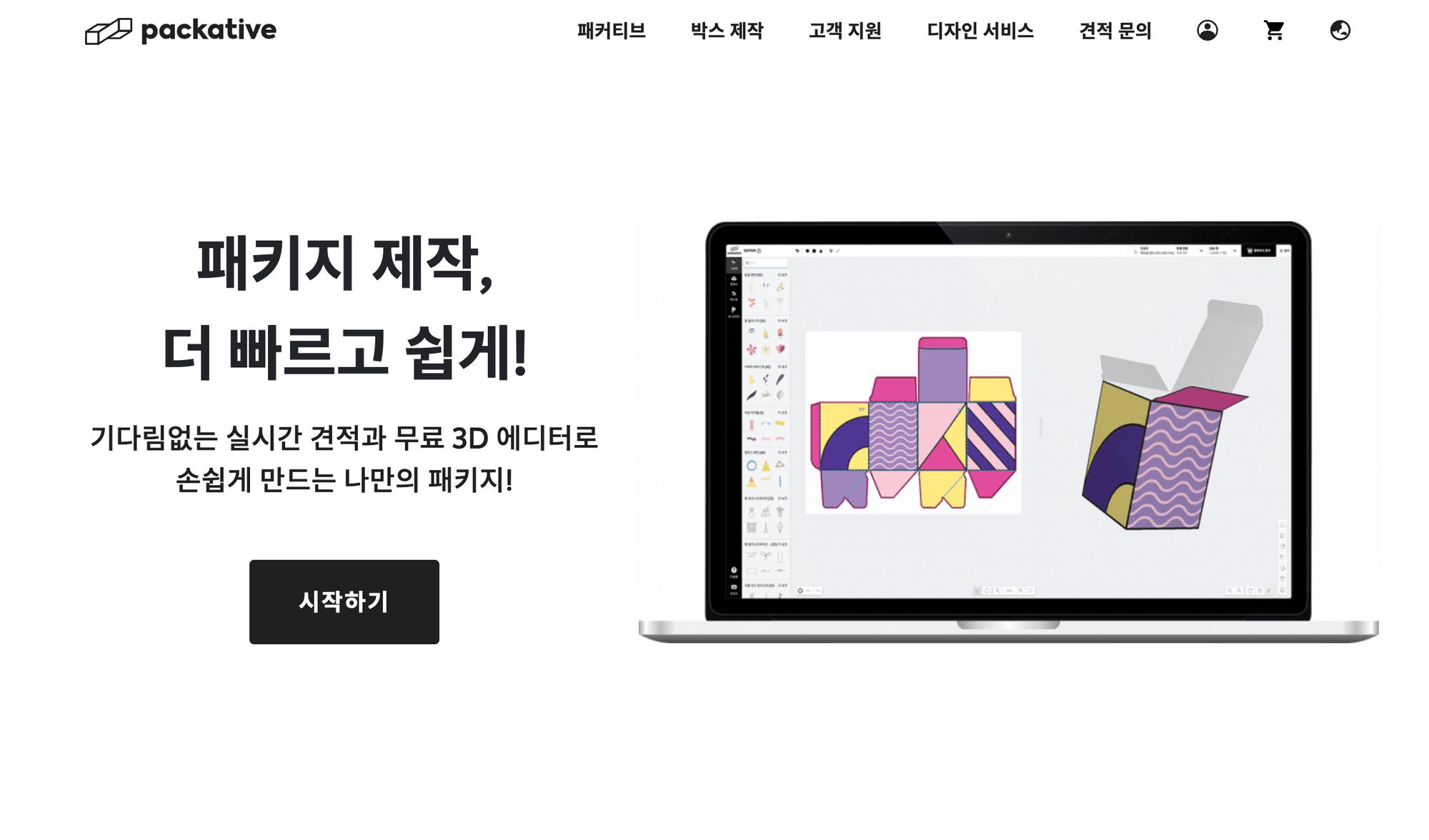
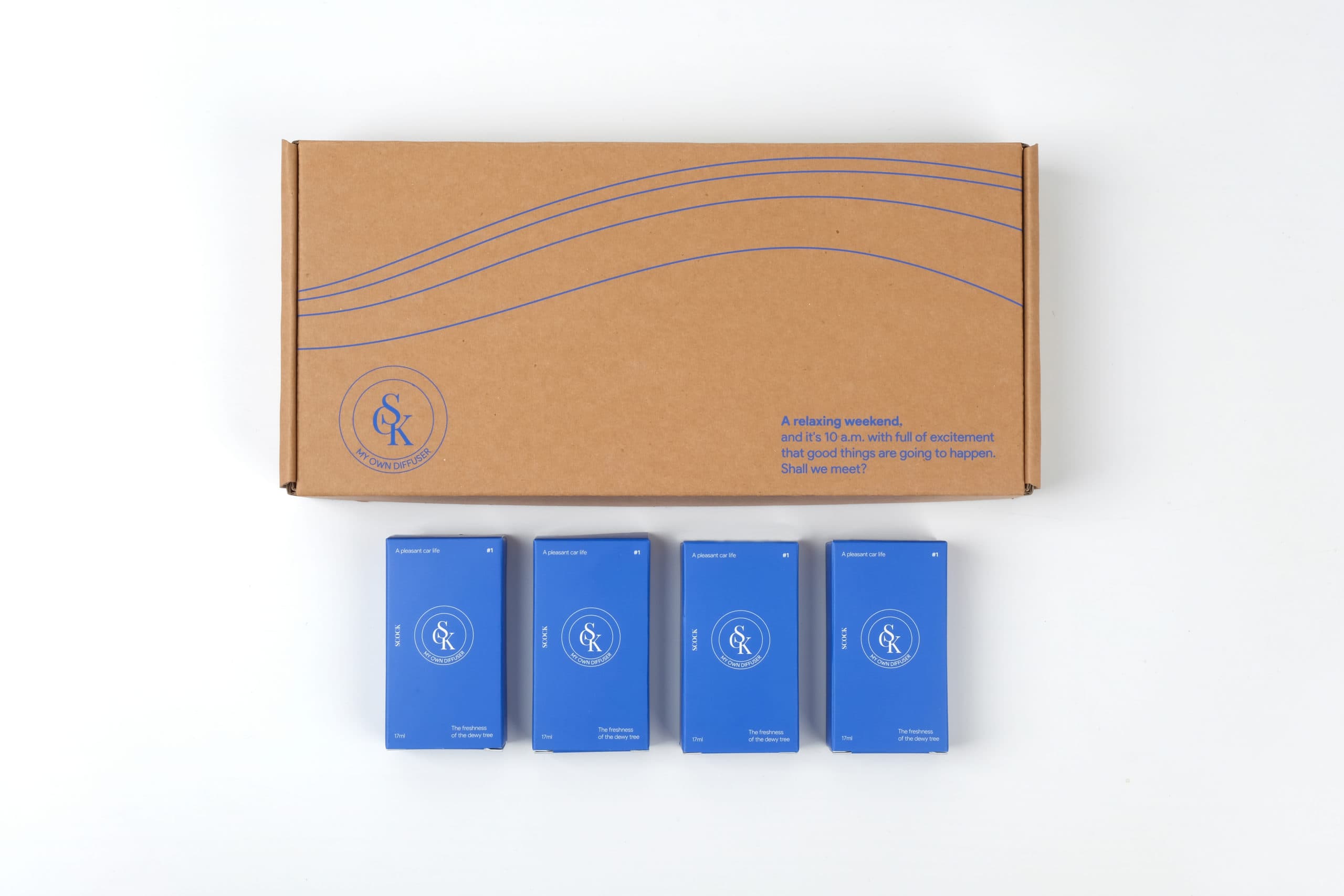
If everything still feels overwhelming, visit Packative. Just like with the box shown here, you can use free design tools to handle everything at once—from your brand’s logo design to the package design for products that use that logo. If you want, you can also consult with an expert and check estimates in real time while designing.