How to Use Four-Color Printing and Spot Colors (PMS Colors)
There are essential terms you need to know for package design. Among the most important are words related to printing and color. To understand what it takes for a beautifully designed package made in a design tool to actually be printed, it helps to know the concepts of four-color printing and spot colors...

 Source: thedieline
There are essential terms you need to know for package design. Among the most important are words related to printing and color. To understand what it takes for a beautifully designed package made in a design tool to actually be printed, you need to know the concepts of four-color printing and spot colors.
Before that, shall we take a look at box printing first?
What Is Four-Color Printing?
 Source: usimprints
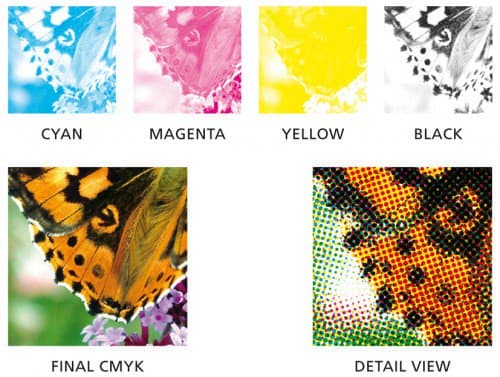
Four-color printing is the most commonly used method for printing full-color images. It means that four inks are used in printing. These are Cyan, Magenta, Yellow, and Black, collectively known as CMYK. (Black uses K instead of B because B could be confused with Blue; K comes from “Key,” meaning the primary color.) For this reason, four-color printing using these four inks is often called CMYK printing.
Basic packaging printing terms
It would be a mistake to think that because there are only four inks, the range of colors is limited. When these four colors are mixed in different densities, they can produce thousands of colors. Since each color is printed as a dense pattern of tiny dots, you can see those dots if you enlarge the printed piece. Four-color printing is widely used for books, catalogs, manuals, magazines, brochures, and packaging boxes, among many other applications.
Why Use Four-Color Printing?
 Source: thedieline
There are broadly four types of printing: one-color, two-color, four-color, and four-color plus spot color printing. One-color means the job was printed using just one ink. It can be printed in colors other than black, but when people say one-color printing, they usually mean black-and-white printing.
Likewise, two-color printing means two inks were used. Usually, this means black ink plus one other color. Although the palette is simple, combining two colors with black can create a relatively wide range of effects.
 thedieline
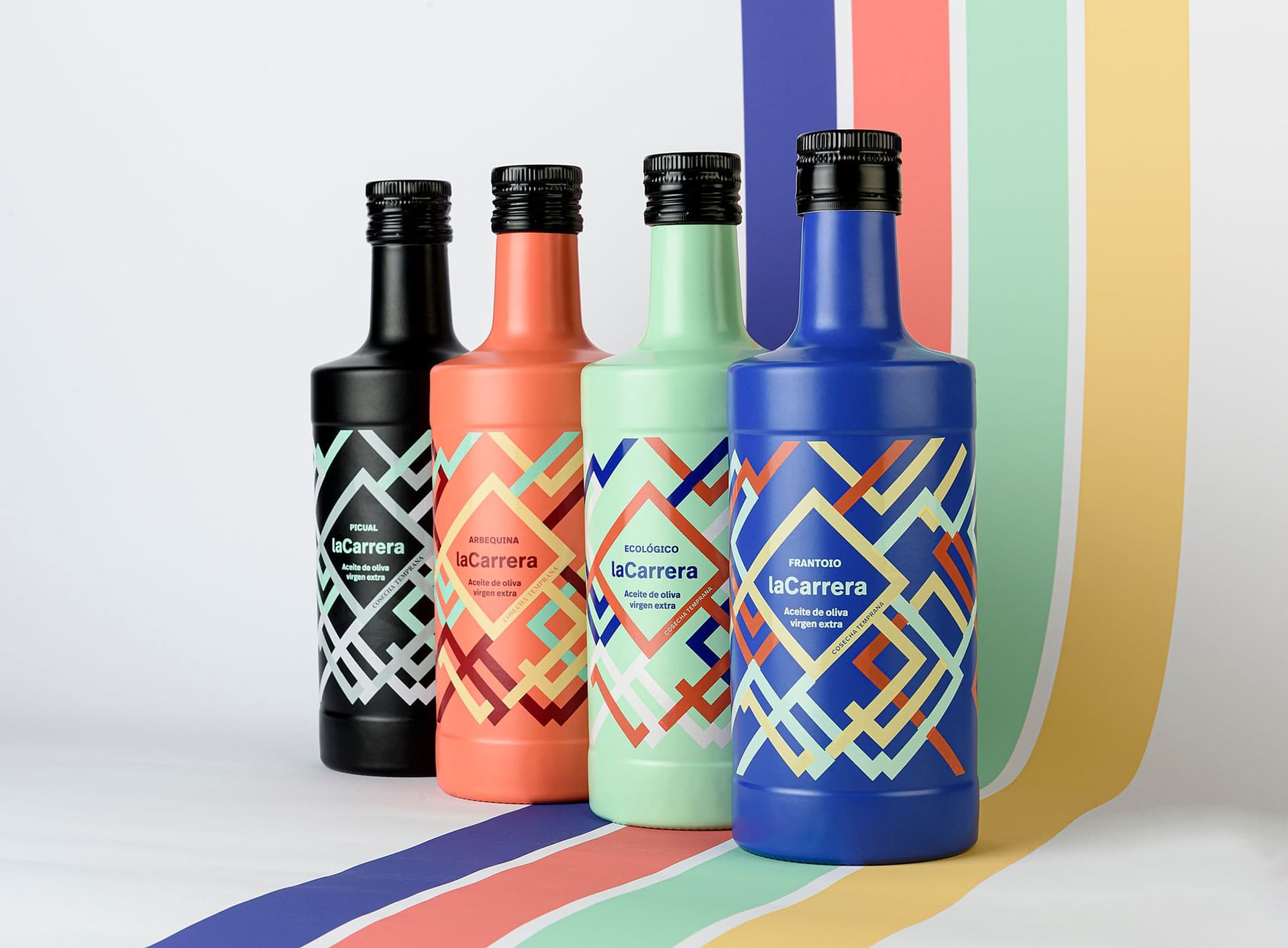
As mentioned above, four-color printing uses four inks, allowing it to reproduce full-color images — in other words, almost every color needed in real-world printing. However, colors that cannot be expressed with four-color printing alone, such as fluorescent shades, pastels, gold, and silver, require an additional pass using a separate ink. This is called spot color printing.
Most packaging, brochures, and catalogs use four-color printing because brands and products usually need distinctive design and rich colors to stand out.
How to design packaging using logos and colors
What Does the Four-Color Printing Process Look Like?
 cucocreative
In theory, mixing Cyan, Magenta, and Yellow inks can create black, but in practice the result is a dull, muddy black. That is why black ink is used after the three process colors have been applied, to add clearer detail and contrast.
The actual four-color printing process works like this. First, the four separated colors are needed. Then each single color is printed in the necessary locations and in the necessary amount as dots to build one image. After that, black ink is added to provide detailed shading. Since black ink is cheaper than the other process inks, replacing some colors with black is more economical.
What Are Spot Colors (PMS Colors)?
 thedieline
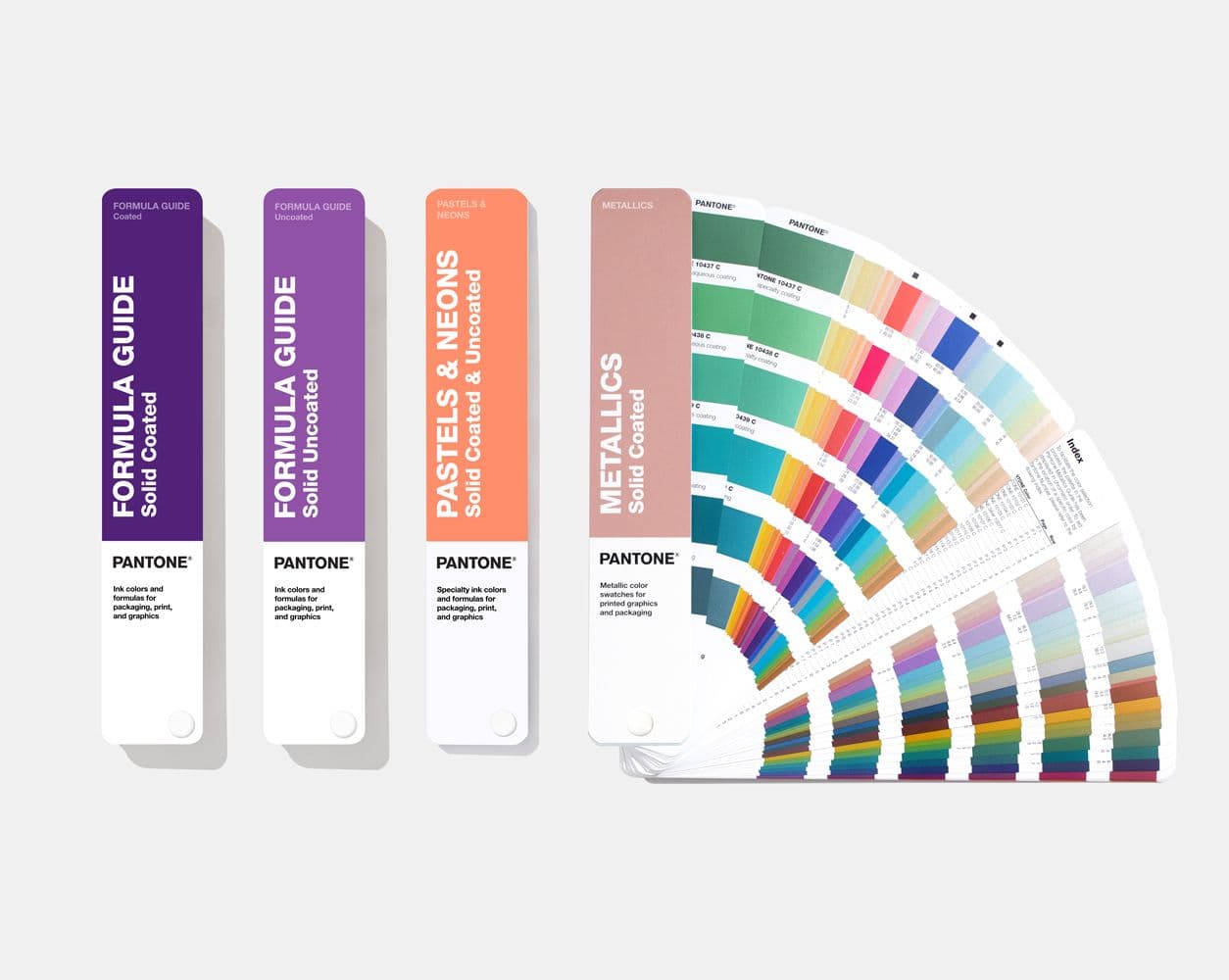
Not every color can be reproduced with four-color printing. Fluorescent colors, metallic shades such as gold or silver, and even colors like navy or orange are difficult to match precisely using only CMYK. In these cases, spot colors are used to print a specific desired color accurately.
Spot colors are referred to in English as PMS colors, which stands for Pantone Matching System. Pantone, an international color authority, standardizes a wide range of colors, and using these colors is what spot color printing means. Because four-color printing expresses color by mixing four inks, the final result can sometimes turn out slightly different from what you expected. Spot colors, however, allow you to select the exact color number listed in the swatch book, making precise color specification easier.
If your goal is simply to print an image, it may be fine if the colors come out reasonably well. But that is not the case for printing used in marketing or branding. Colors used in marketing design need to create a specific image and convey a message to customers, so consistency matters. That is why it is important to use four-color printing and spot colors appropriately depending on the purpose.
If you want to learn more about printing colors
How to Use Four-Color Printing and Spot Colors Effectively in Packaging Production
 Source: thedieline
Ideas can come from anyone, but design is clearly the realm of experts. Very often, what looks perfect on a computer screen prints out in a completely different color, which can be frustrating. To reduce these mistakes and avoid unnecessary costs, it is best to work through consultation with an expert. Packative offers a service that allows even beginners to design custom packaging and logos with ease.
Create custom packaging with the exact colors you want, right here, right now!