Practical Tips for Brand New Product Packaging Design: From Boxes to Shopping Bags
Has your brand’s new product been scheduled for launch, or has it just launched? Congratulations! Most sellers will start thinking about how to promote the product and develop a marketing strategy from the very beginning of the planning stage. But when it comes to how the product should be packaged, many people either don’t think about it or start looking for a solution too late. So how can you design packaging for a new product effectively?
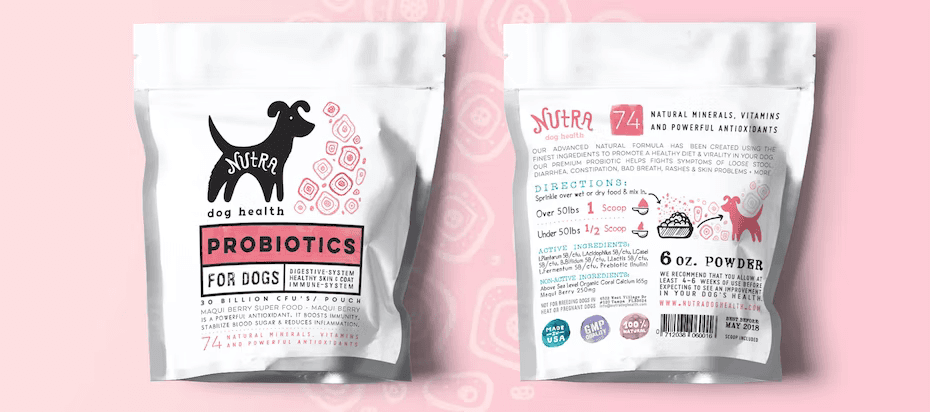
 Source: Thecoolhunter
Has your brand’s new product been scheduled for launch, or has it just launched? Congratulations! Most sellers will think about how to promote the product and develop a marketing strategy from the very beginning of the planning stage. But when it comes to how to package a new product, many people either don’t think about it or only start looking for a solution too late. So how can you design packaging for a new product effectively?
Organizing the information needed for new product packaging production
First, to come up with a custom packaging design that fits your new product perfectly, you need to organize detailed information about the product. Let’s first identify the product, its target audience, and its sales channels in the following ways.
1. What product are you selling?
 Source: 99designs
First, you need to define exactly what the newly launched product is. What are you selling? What size and weight is it? What is it made of? Is there a risk of spoilage or damage?
As you answer these questions one by one, the packaging requirements for the product will naturally become clearer. For example, if the product doesn’t fit standard box sizes because of its size or shape, you’ll need a custom packaging box. If there is a risk of spoilage, discoloration, deformation, or breakage, you may need additional packaging materials beyond the box.
Try using an “elevator pitch” approach when making this list. An elevator pitch means summarizing product information as if you were explaining it during the short 20-second ride you might share with a potential investor in an elevator. This helps you efficiently organize only the most important information about the product. From there, the direction of the packaging becomes clearer.
2. Who is the end user of the product?
 Source: 99designs
Once you’ve organized what the product is, you need to identify who its target customers are. Is the main target audience women or men? Is it for children or adults? Is it aimed at people who are highly interested in environmental issues? Are low-income or high-income consumers the expected buyers?
Packaging should intuitively reveal the product’s identity. In other words, it needs a design that appeals to the ideal consumer. For example, if the target audience is older adults, the text printed on the packaging should be clear and large. If the product is aimed at higher-income customers, packaging that feels luxurious will be more effective.
Once you’ve organized the necessary information by answering these questions, more specific design planning will become possible. You can print exactly what you want to appeal to customers on the packaging, or minimize illustrations and text and instead convey the overall mood through color and texture.
3. Information about the sales channel
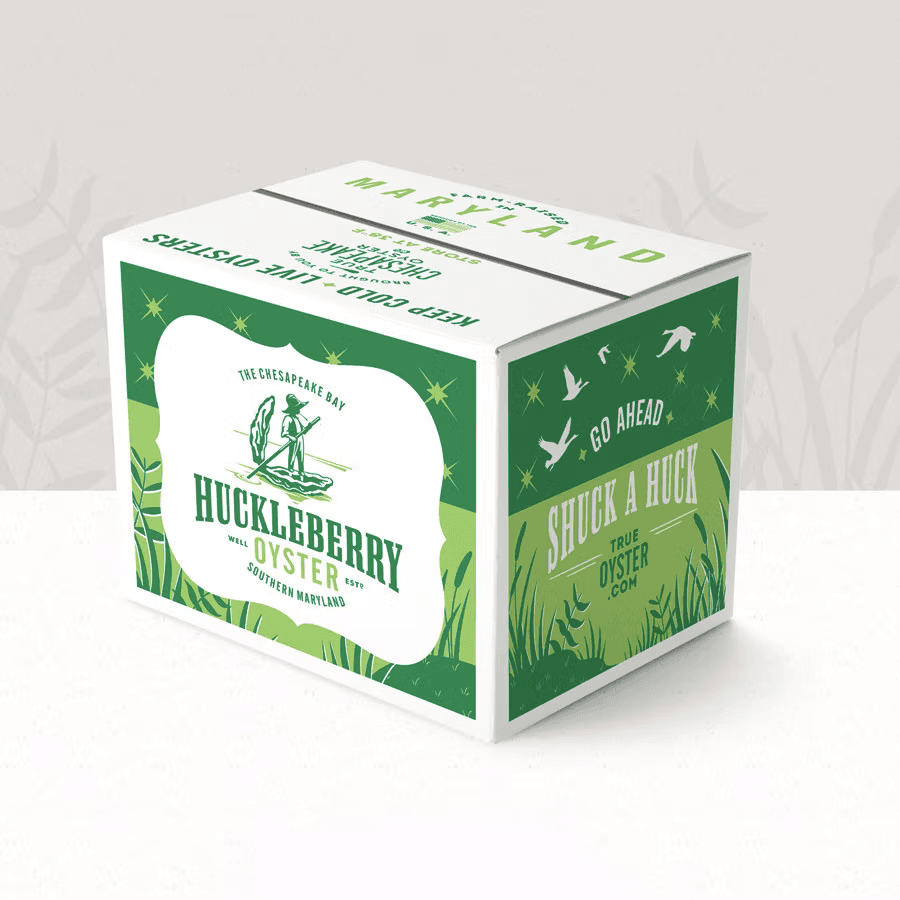
The next thing to consider is how the product will be sold. Products sold online and those sold in physical stores are very different. For products displayed in stores, it helps to design attractive packaging that makes the product stand out more. For products shipped online, customers cannot see and buy the product in person, so you need to pay more attention to the packaging. In addition, because the product must not be damaged during delivery, the packaging method needs to be considered more carefully.
What types of packaging boxes are there?
1. Simple paper boxes
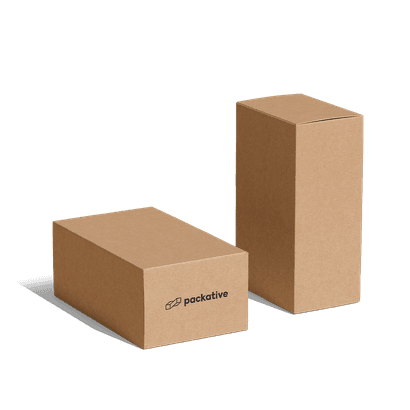
Paper boxes, which can be considered the most basic type of box, are mainly used for retail packaging. There are many different types, such as folding cartons, half-moon boxes, and slide boxes.
Paper boxes are especially suitable for packaging lightweight products and have the advantage of being cost-effective. For ordinary products, they are one of the first options worth considering.
2. Durable corrugated boxes
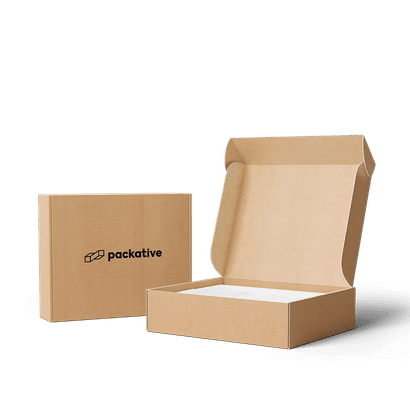
Corrugated boxes are more durable than ordinary paper boxes and are used for shipping. Parcel boxes and G-type boxes fall into this category, and they have the advantage of being able to package relatively heavy products. If your new product is vulnerable to external impact, try using a corrugated box that offers excellent protection.
3. Premium rigid boxes
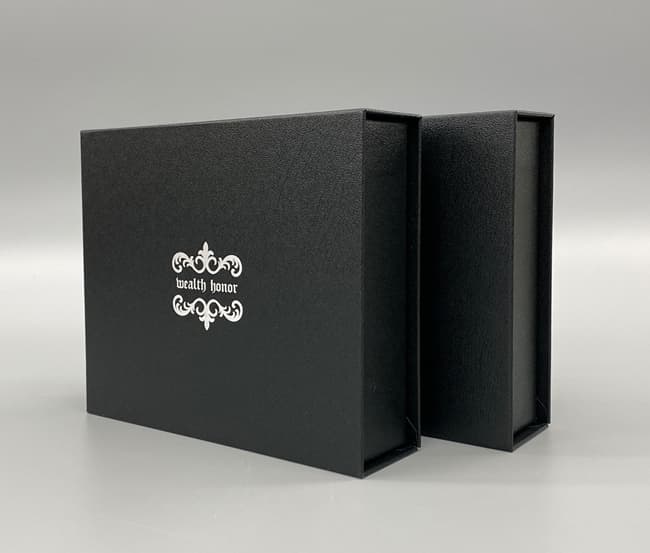 Source: boxmga
Rigid boxes can create a more premium feel than paper boxes or corrugated boxes. They are therefore better suited to premium packaging than to relatively inexpensive products, but they also come at a higher price point. If your product characteristics or target audience call for premium packaging, consider using rigid boxes.
Request a quote for rigid boxes
4. Shopping bags optimized for branding
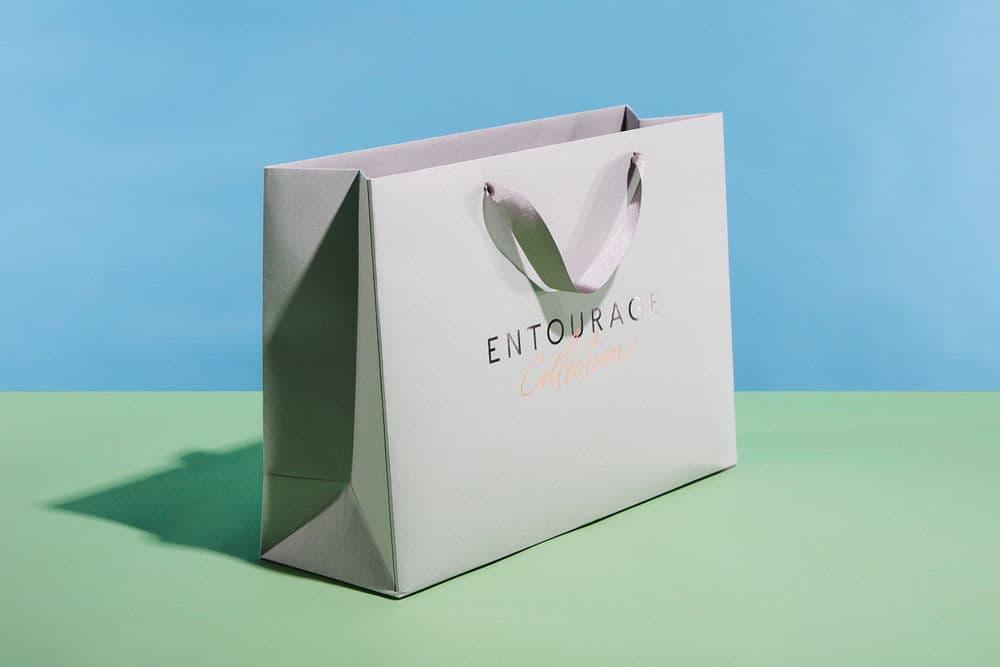 Source: thedieline
When customers buy multiple products at once or when an extra layer of packaging is needed after the box, shopping bags are a convenient option. Shopping bag designs can convey a different feel from boxes, making them highly effective for branding. If customers are buying a product as a gift, a specially designed shopping bag is a must.
Request a quote for shopping bags
How to choose the right packaging design for your product
Once you’ve decided on the type of packaging you need, it’s time to choose the design approach. How exactly can you order packaging with the design you want? Unless you are placing a bulk order for plain boxes without design elements, there are three options below.
1. Design it yourself
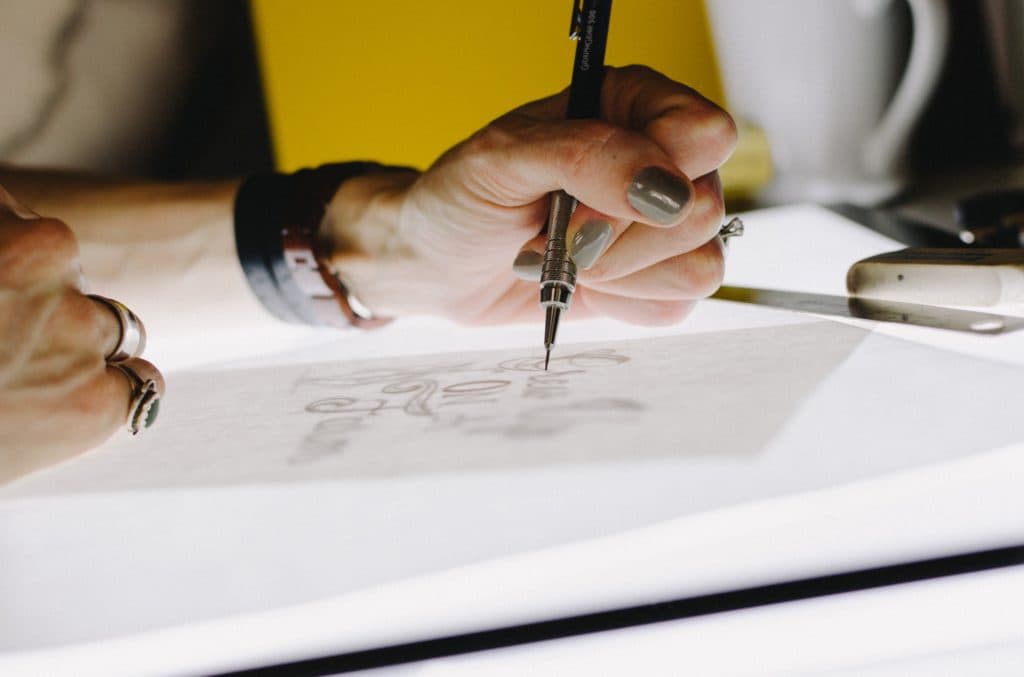
If you have the knowledge and experience in packaging design, you can create the design yourself and leave only the production to the manufacturer. This can be the most ideal option, but it also requires a lot of time and energy.
2. Design with the Packative Editor
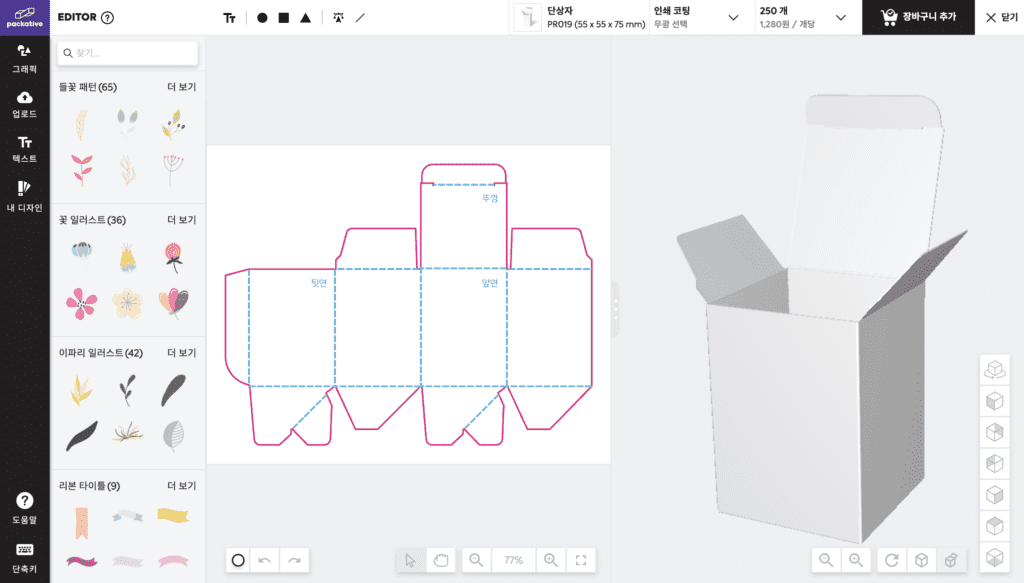
Packative provides an editor program that allows even beginners to complete packaging designs easily. Just like using a simple photo editing or retouching app on your smartphone, you can create your own packaging design easily and conveniently.
3. Use Packative’s design service
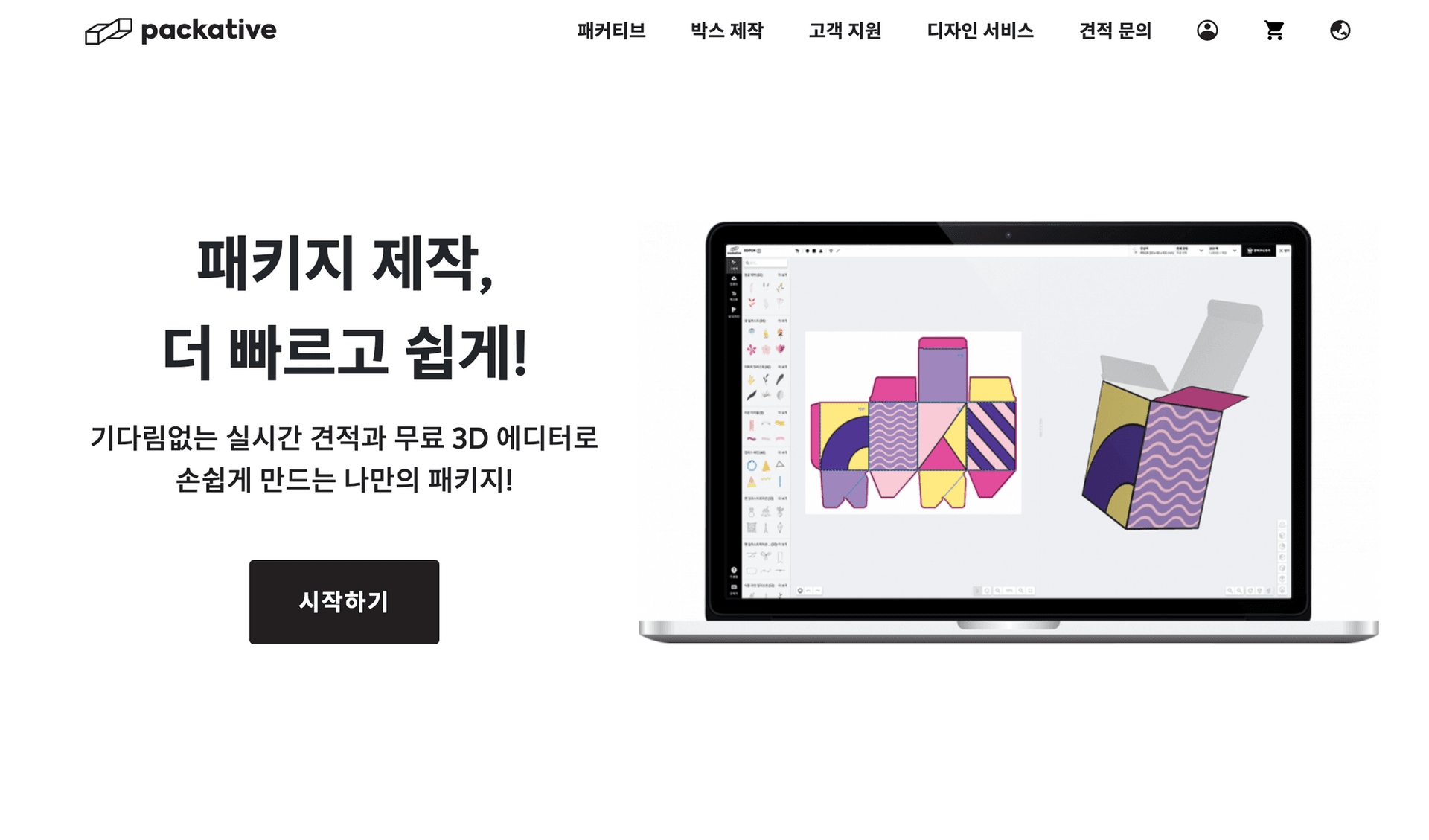
Packative offers a complete end-to-end packaging design service from A to Z. If you want to know how much a box in your desired design and size will cost when ordered in a certain quantity, or if you have a design effect in mind but find it hard to turn that into specific design elements, consult directly with a packaging expert and get results you’ll love.