Small-Batch Rigid Box Production: Structural and Paper Selection Tips for the Premium Package That Fits Your Brand
Hello, this is Packative. The moment customers first encounter a product, what shapes that first impression is not just the packaging itself, but the structure and finishing of the package that expresses the brand’s identity and mood. Among them, the ‘rigid box’ stands out for its refined structure and premium appearance, making it a powerful way to visually communicate brand quality. In this article, we’ll organize everything from the definition of a rigid box to its structure, paper selection, and production process for those considering their first custom order...
Hello, this is Packative.
The moment customers first encounter a product, what shapes that first impression is not just the packaging itself, but the structure and finishing of the package that expresses the brand’s identity and mood.
Among them, the 'rigid box' is a premium packaging format that can visually convey brand quality through its highly finished structure and refined appearance. In this article, we’ll cover the definition of a rigid box to structure, paper selection, and production process—an A to Z guide for anyone planning their first rigid box project.
What Is a Rigid Box? | A Premium Packaging Format Defined by Structure
The term 'rigid box' comes from the way the paper is wrapped and finished, and is known to have originated from the Japanese word "sawaru (さわる, to wrap)."
A rigid box is a box made by wrapping an inner board (thick board) with an outer paper sheet (printed paper). It generally uses board with a thickness of 2–3 mm, and because it retains its shape firmly, it is well suited for premium product packaging.
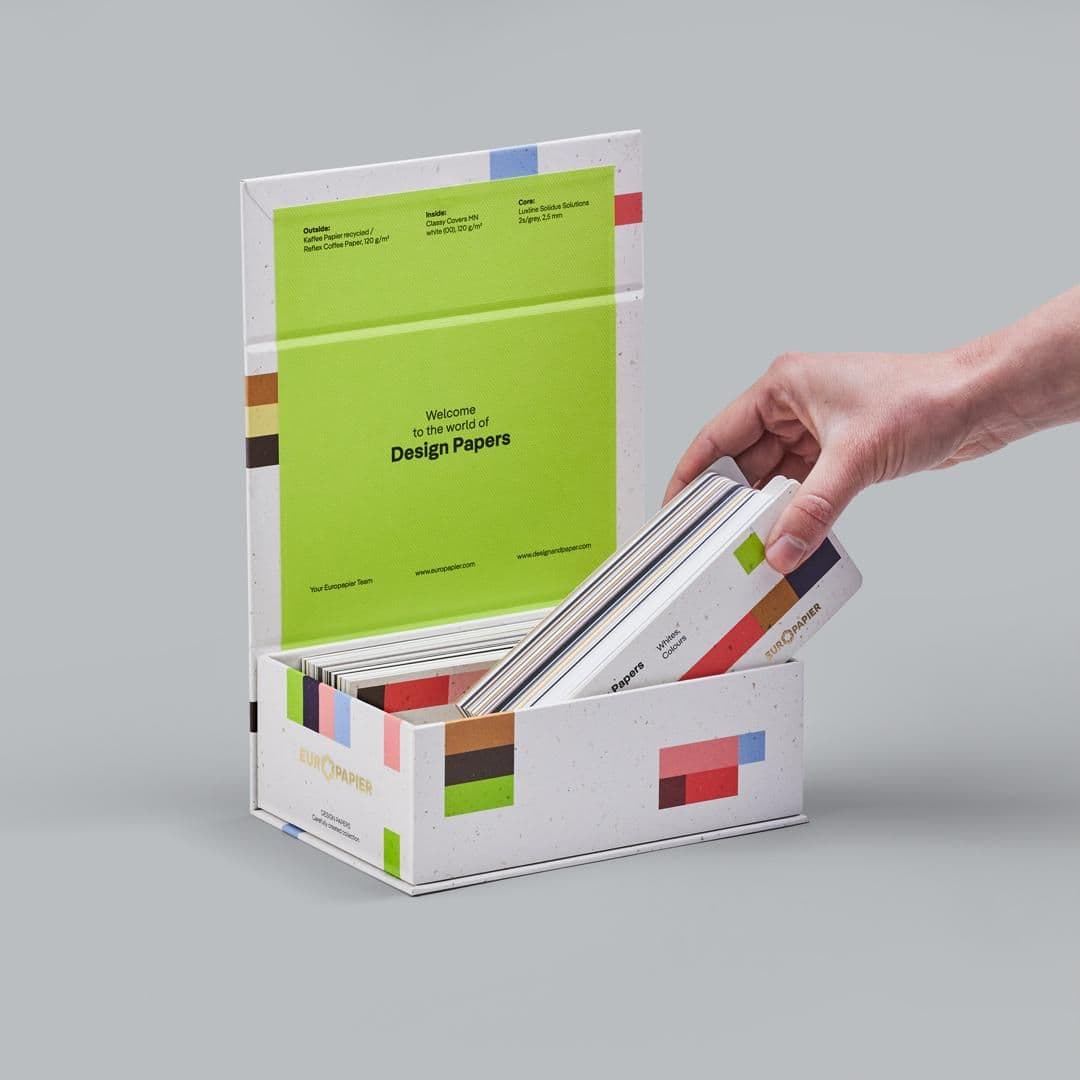 Source @thedieline
Thanks to this production method, rigid boxes:
- allow the outer paper and inner board to be selected independently in different materials
- deliver a structure that is both sturdy and visually refined
Types and Features of Rigid Boxes
Rigid boxes are divided into the following types depending on their form, and are selected based on the product’s characteristics or the brand mood you want to create.
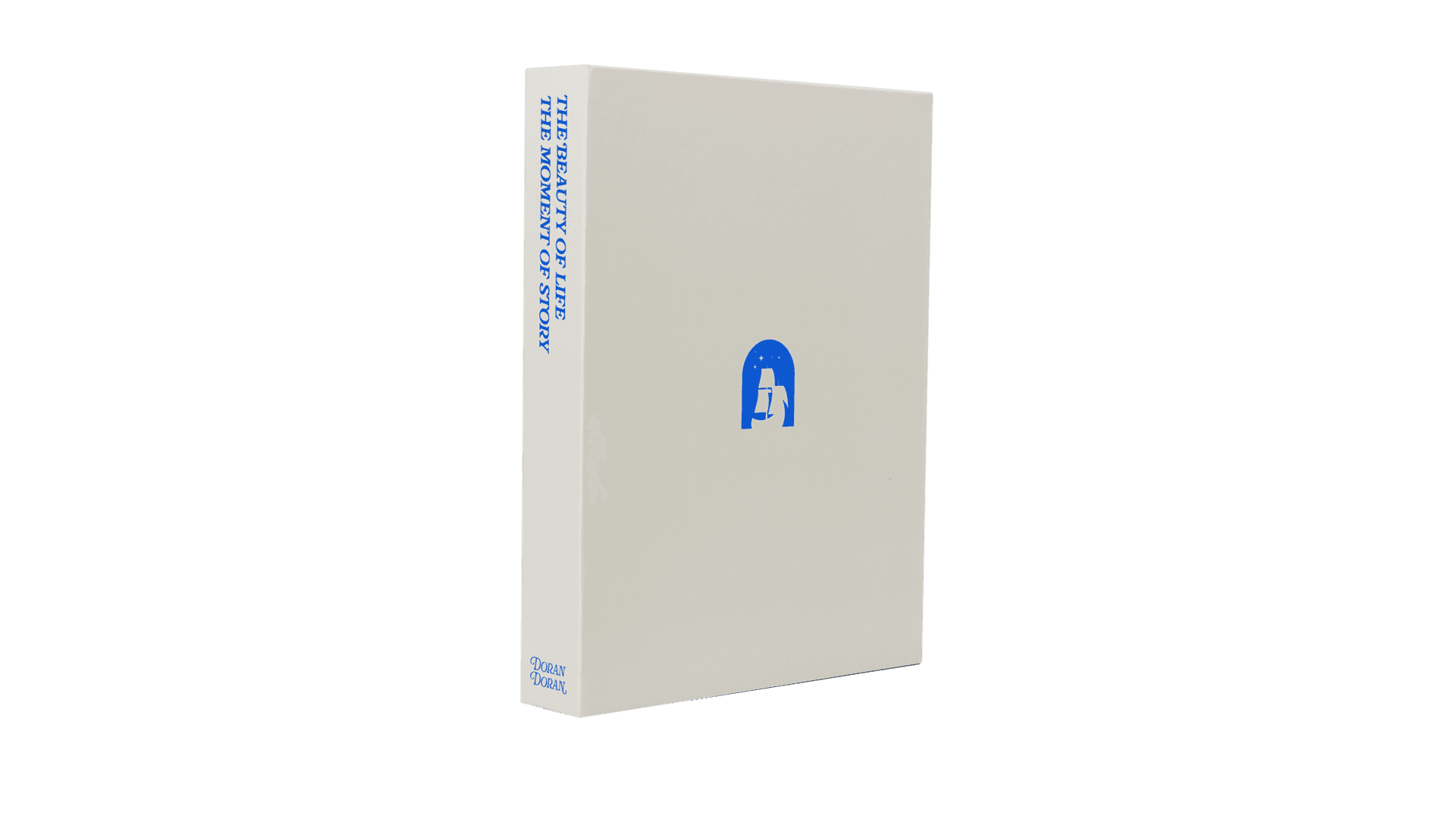
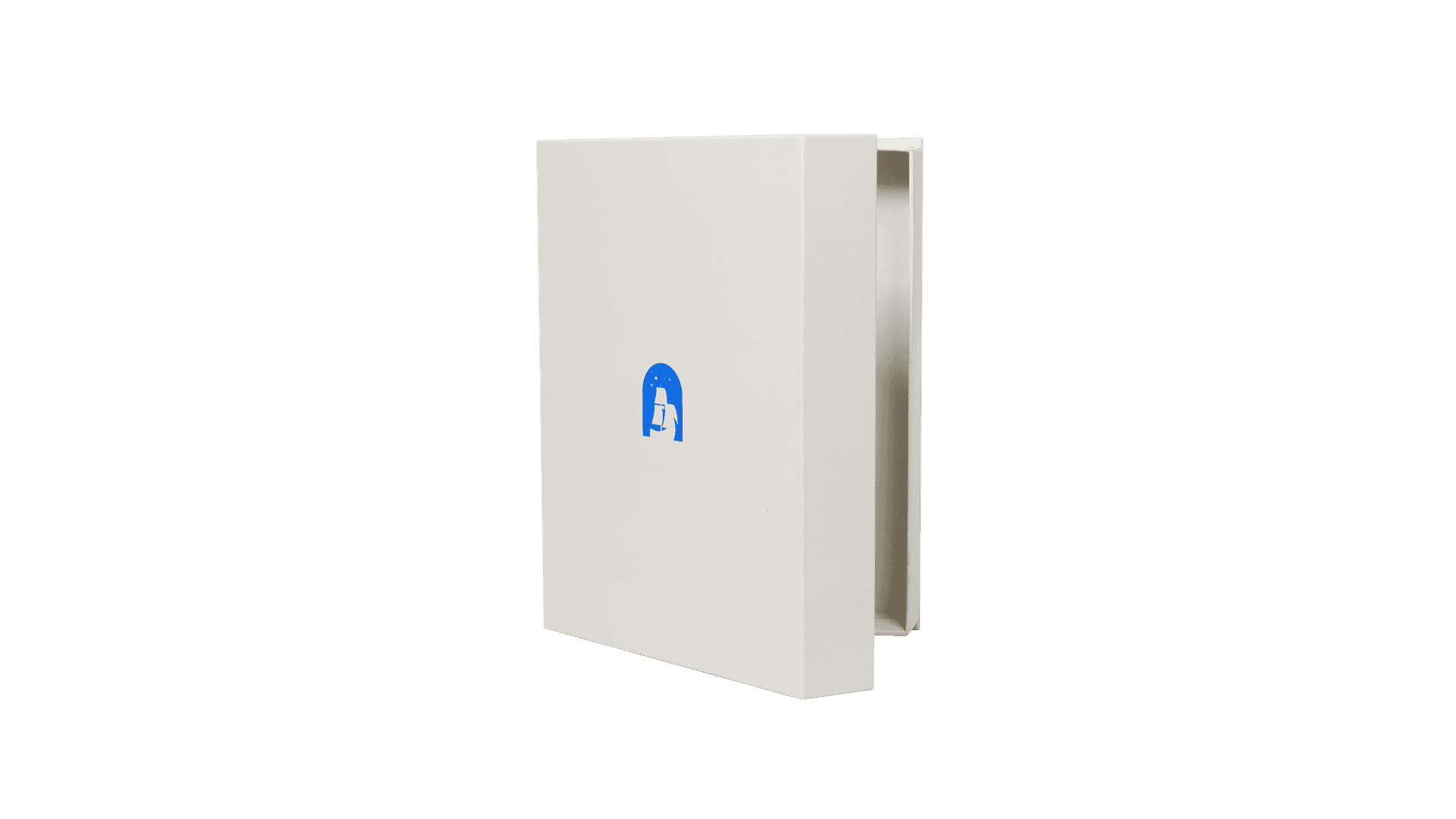
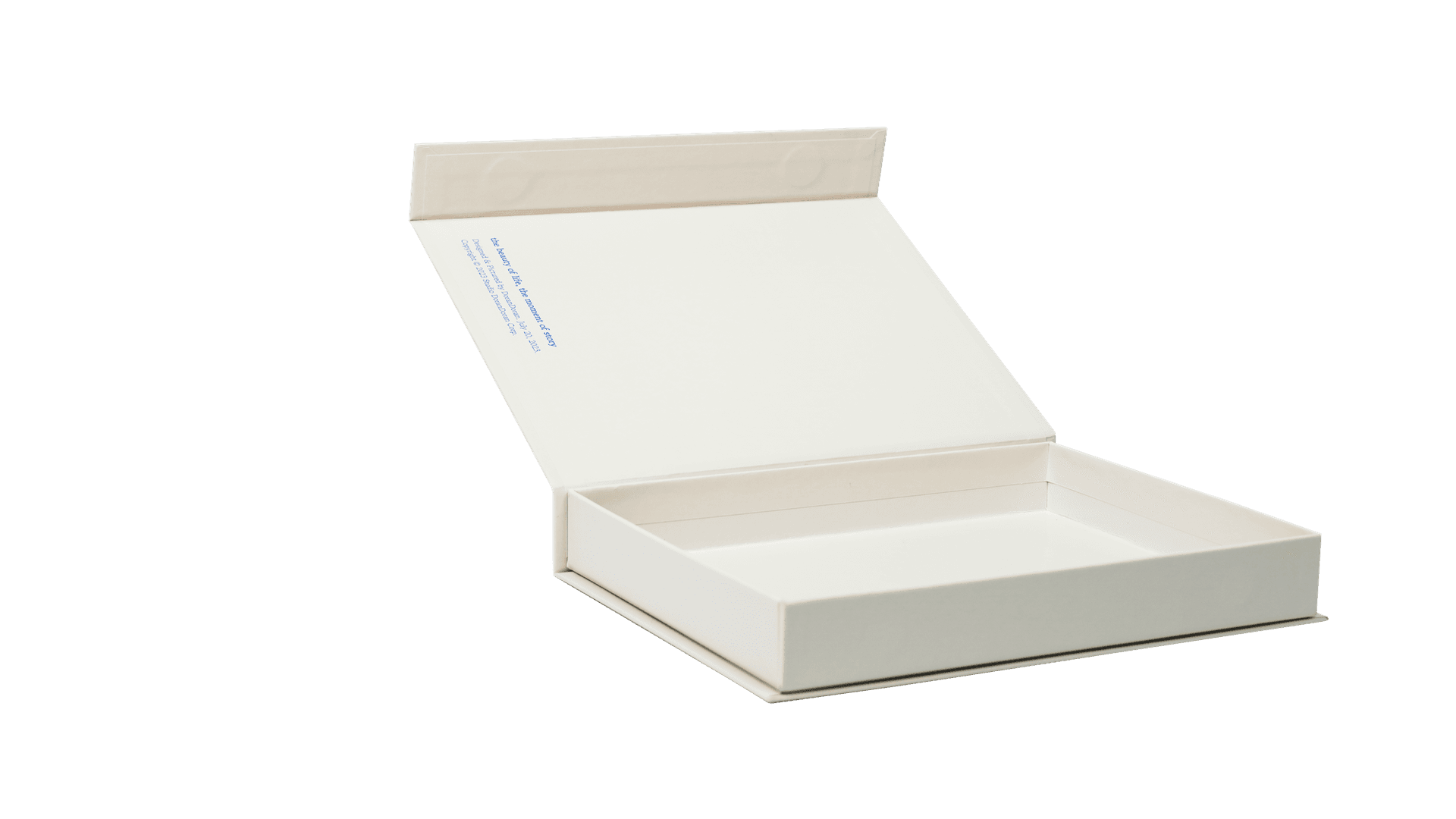
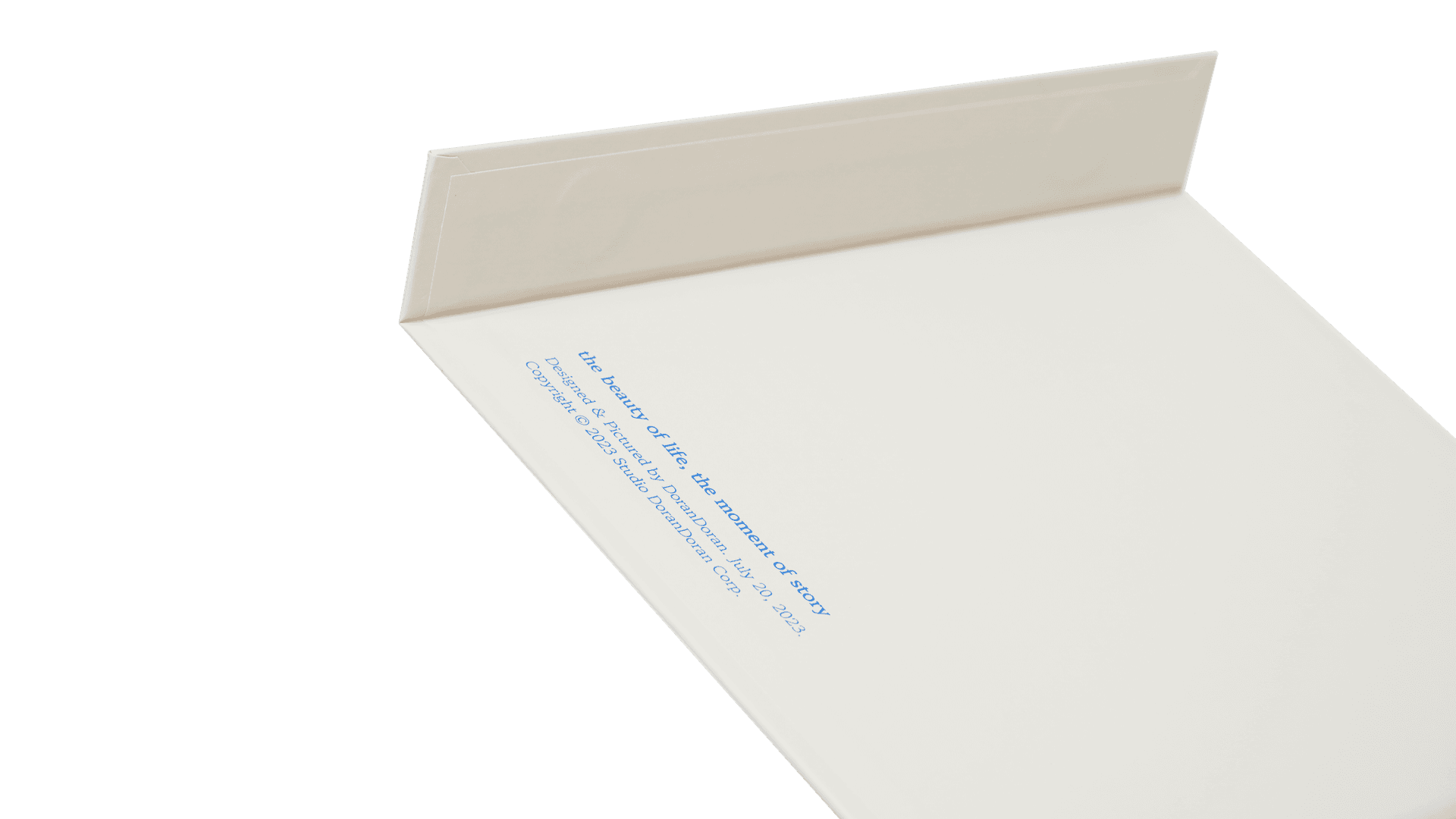
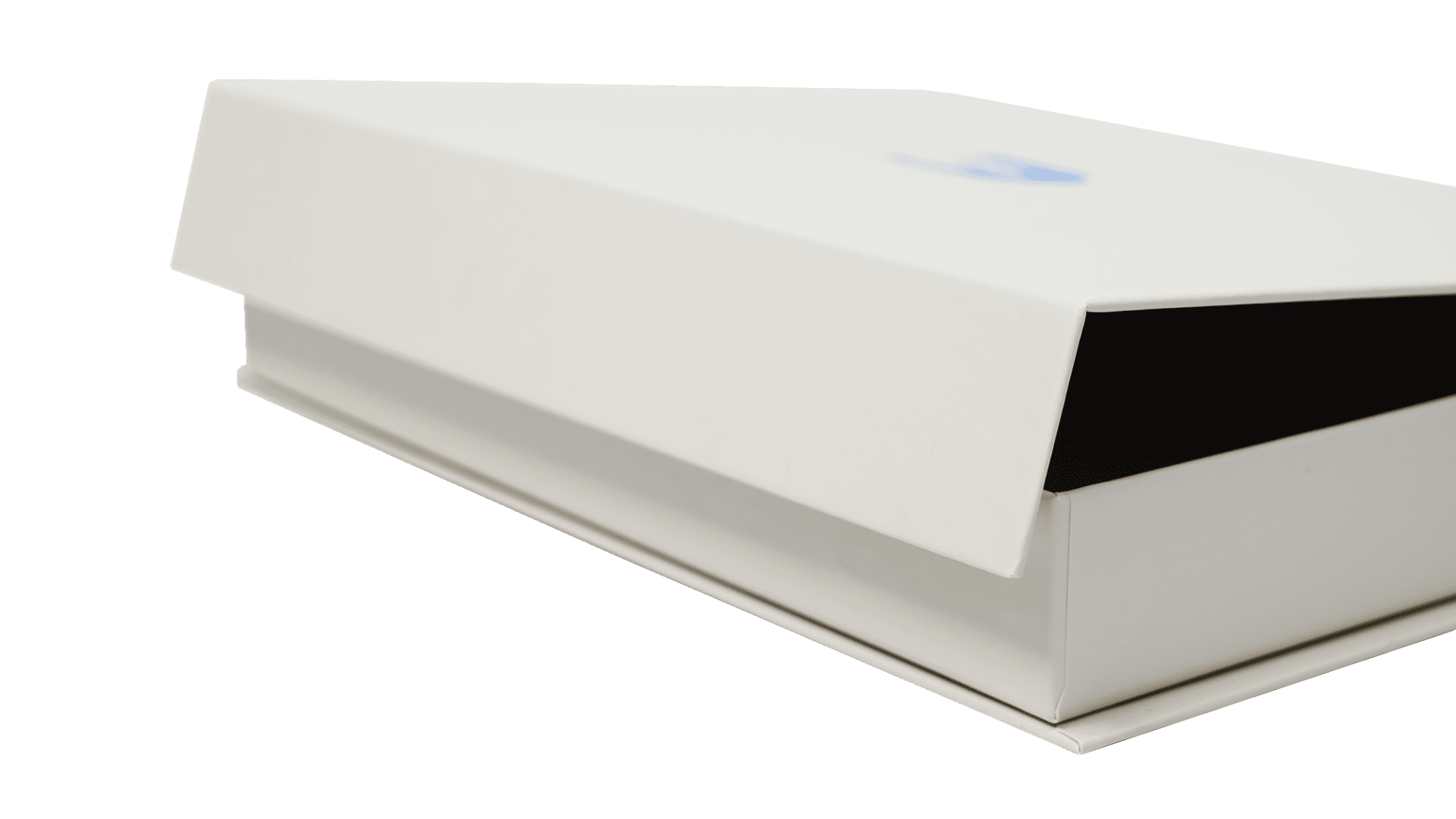
📘 1) Cover-Style Rigid Box | Magnetic Rigid Box | Book-Cover Type
This is the most representative form: a box that opens on one side like a book. By inserting magnets inside the lid, it can close smoothly while still feeling premium. It is ideal for conveying a brand identity in a refined way.
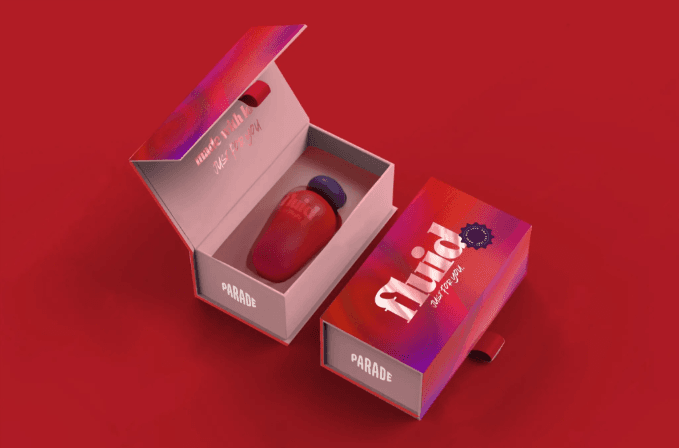 Source @thedieline
- The opening and closing motion itself creates an emotional unboxing experience
- Built-in magnets make the structure sturdy and easy to use
- Suitable for seeding kits, perfume/cosmetics sets, luxury goods, and more
📦 2-Piece Rigid Box | Separate Lid and Base Box
This is a lid-style structure where the top and bottom are completely separate. It is widely used as a gift box and gives a simple yet stable, protective feel around the product.
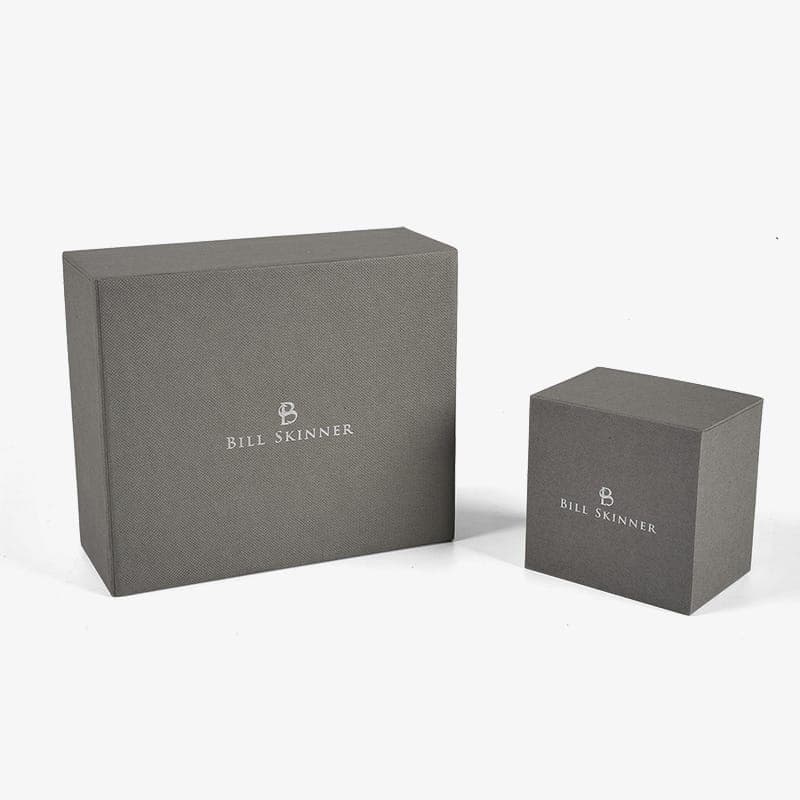
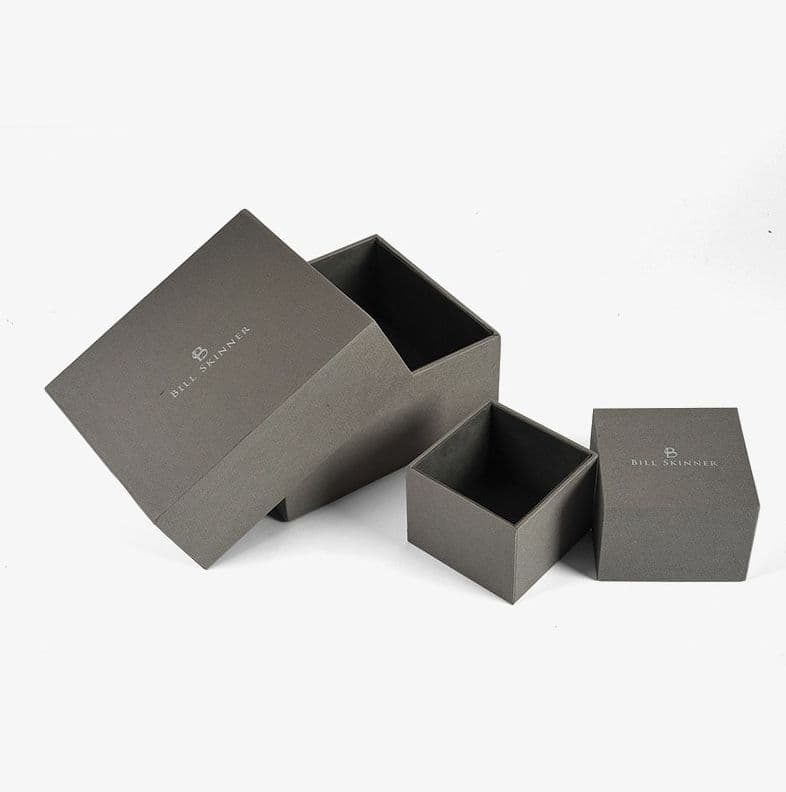
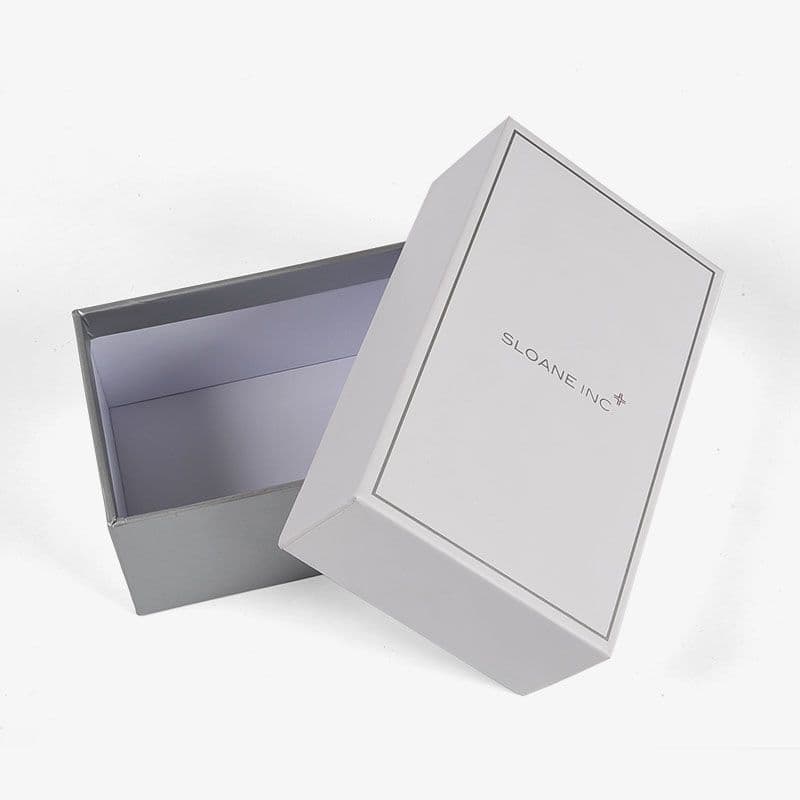
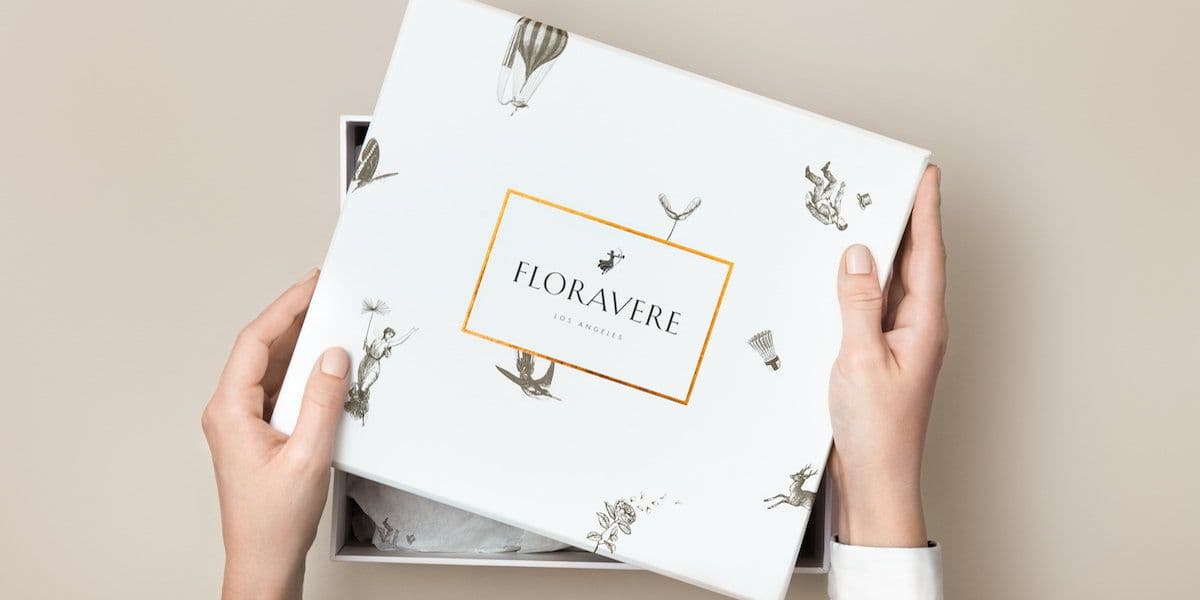
- A classic box structure that conveys brand trust
- Allows add-on features such as ribbons and handles
- Suitable for stationery sets, VIP gift kits, merchandise packaging, and more
📚 3-Piece Rigid Box | Top, Middle, and Bottom Structure
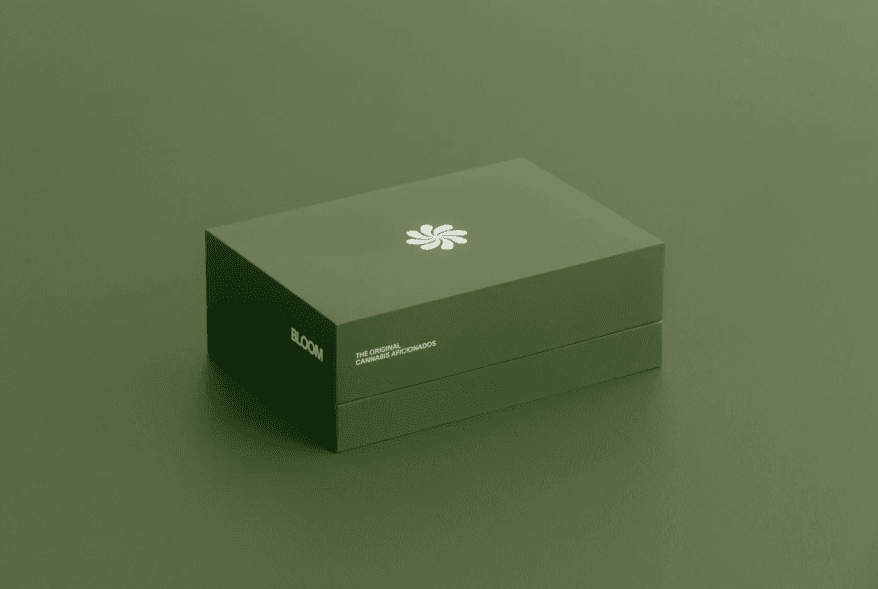
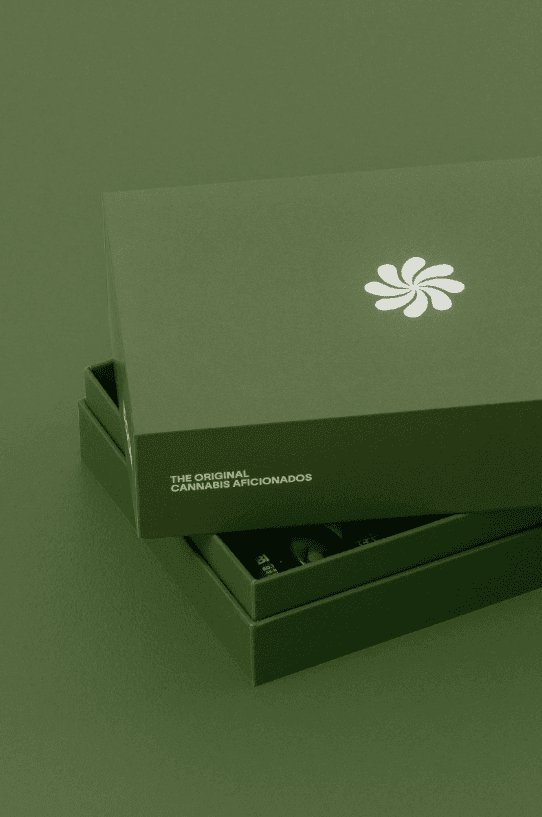
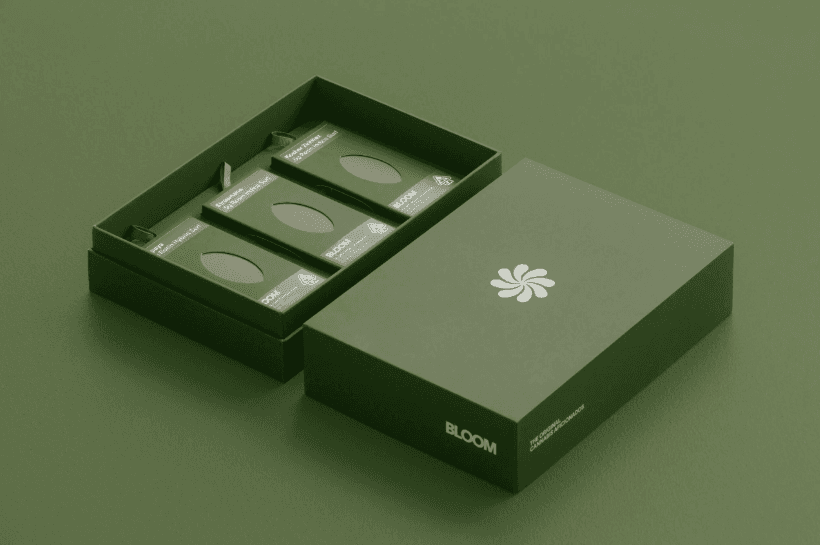
- The process of opening the box itself becomes part of the unboxing performance
- Enables a more segmented internal layout (easy to combine with inserts/dividers)
- Suitable for limited-edition kits, premium accessories, and high-end products
Rigid Box Production Process and Paper Selection Tips
Rigid boxes are made by separately producing the outer paper and inner paperboard, then using the inner board as the framework and wrapping it with the outer paper for finishing.
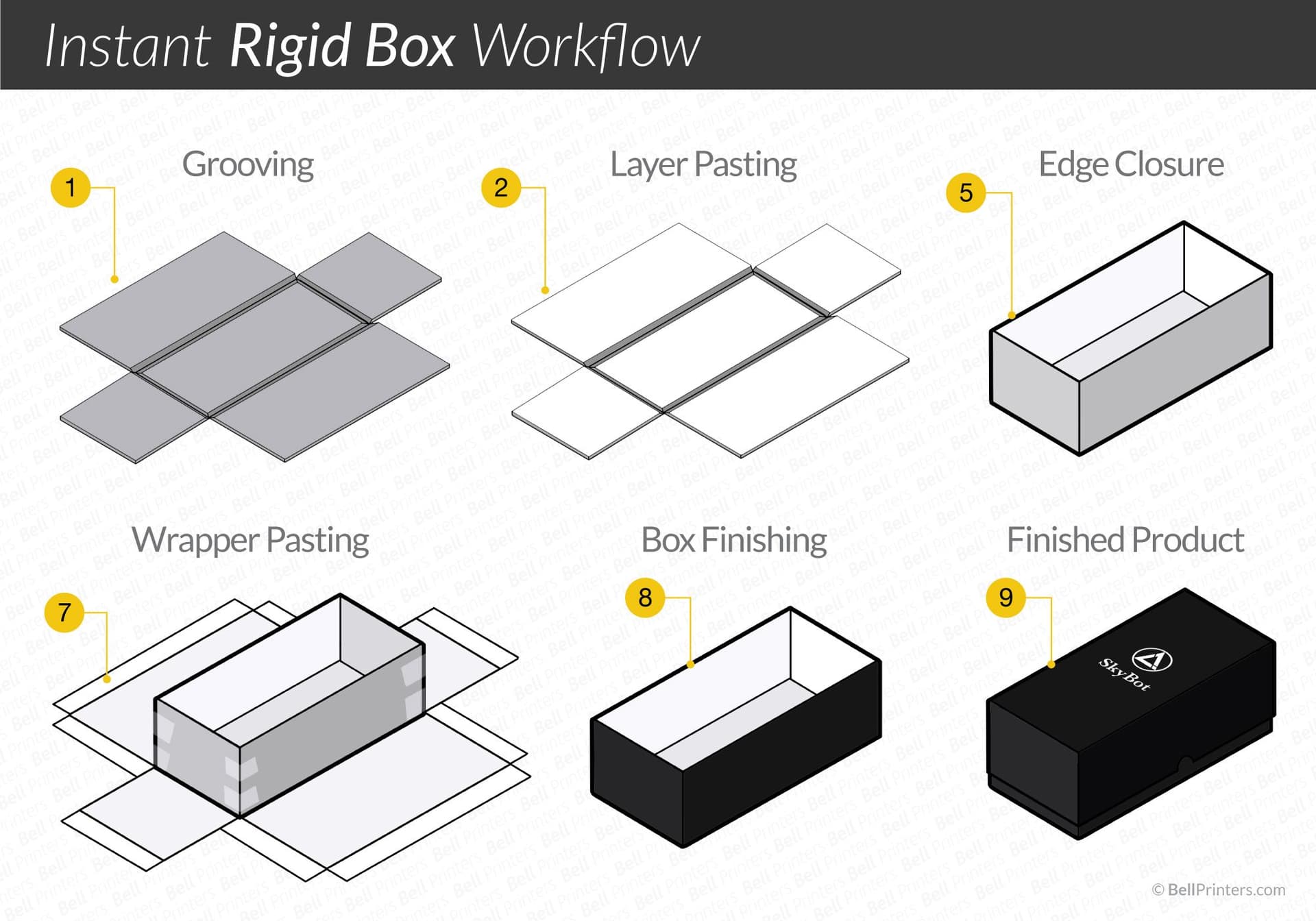 Source @bellprinters
In general, the process follows the steps below, and additional detailed steps may be added for more precise packaging production such as magnets or V-groove cutting.
➡️Basic process for the outer surface paper (printing → post-processing → die-cutting)
The outer surface paper can be printed on art paper or specialty paper, then finished with post-processing such as coating, foil stamping, and embossing finishing.
➡️Grey board (inner board) cross-shaped die-cutting / bonding
The inner board is cut to fit the product size, creased, and assembled to form the box’s basic frame.
➡️Bonding the outer surface paper + grey board (inner board)
The printed outer paper is carefully wrapped and bonded to the inner board in a rigid box assembly process.
➡️Finishing
Any residue created during bonding is cleaned up, and the final steps are completed before the finished product is shipped out.
💡Rigid box paper selection tips
- Outer surface paper: choose art paper, texture paper, fabric paper, or other materials that can express a luxurious mood
- Inner board: DT (Duplex Board), a thick board with strong rigidity, is most commonly used because it offers excellent structural support
Small-Batch Rigid Box Production | Start from 500 Units
As explained above, due to the structure of rigid boxes, production takes longer than standard boxes and requires a high level of precision and attention to detail. That is why many suppliers set the minimum order quantity for rigid boxes at 1,000 units or more.😓
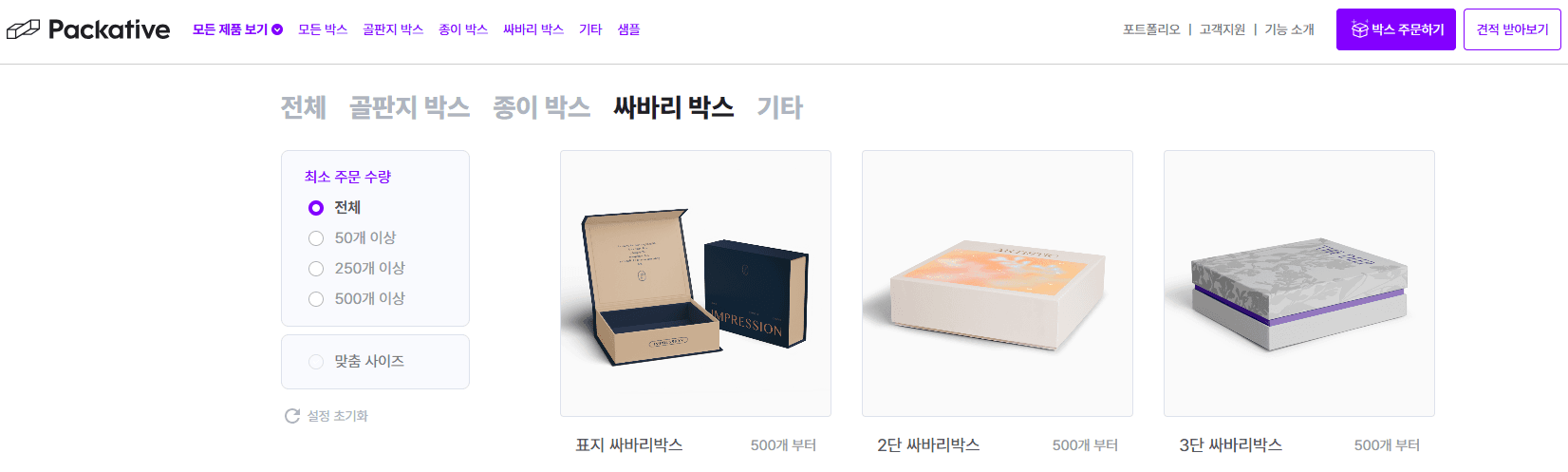
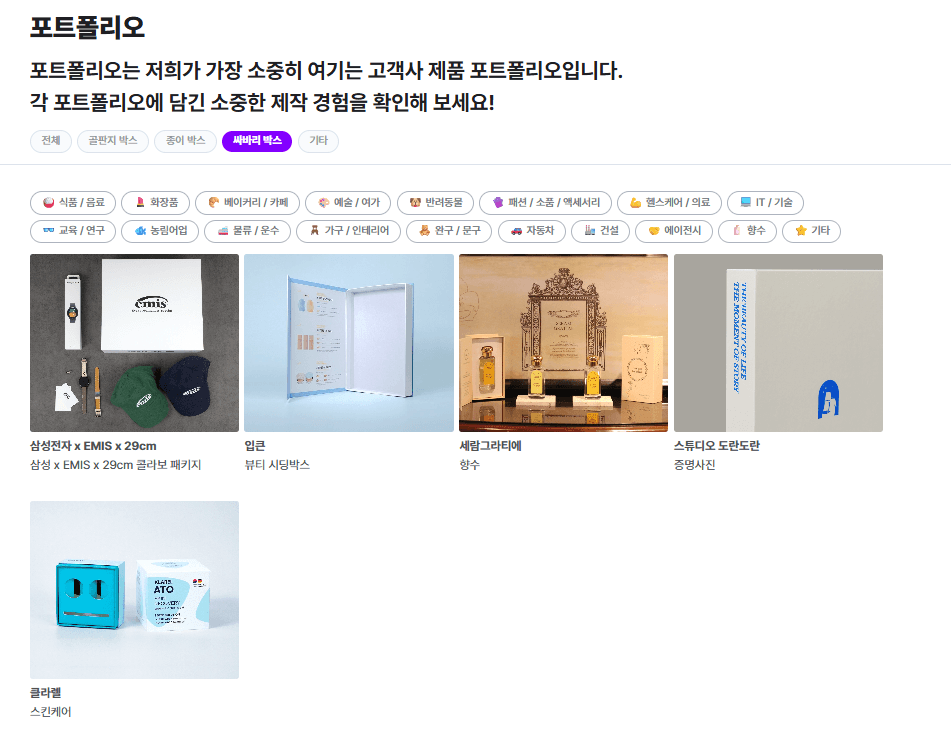
At Packative, where small-batch box production is possible, rigid boxes can also be produced starting from 500 units, even though they are a premium packaging format. If you’d like to test a smaller quantity, or are preparing for a brand launch or limited-edition merchandise project, feel free to contact us anytime.
On the Packative website, take a look at our production experience across a wide range of brands, from seeding boxes to limited-edition packaging and beauty.📸
🔽Go to the Packative website🔽
Custom packaging 3D design & production, fast and easy! | Packative