Smart ESG Branding from Eco-Friendly Paper Packaging, A to Z
Hello, this is Packative. 💜 If your brand has been considering packaging production lately, you’ve probably come across eco-friendly packaging at least once. In the past, product design and price were the main priorities, but today consumers also look at what materials the packaging is made from and whether the brand considers the environment...
Hello, this is Packative. 💜
If your brand has been considering packaging production lately, you’ve probably come across eco-friendly packaging at least once. In the past, product design and price were the main priorities, but today consumers also look at what materials the packaging is made from and whether the brand considers the environment.
In particular, in the K-beauty and lifestyle sectors, eco-friendly paper packaging is increasingly becoming a standard choice. That’s because it goes beyond environmental responsibility and also helps strengthen brand image and build consumer trust.
In this post, we’ll walk through the following topics for brands exploring eco-friendly packaging production:
- Why eco-friendly packaging has become a brand strategy
- Common eco-friendly paper types used in packaging production
- Small-batch packaging production to reduce inventory burden
- How to manage leftover products in a meaningful way
Why Eco-Friendly Packaging Has Become a Brand Strategy
Eco-friendly packaging is more than just a choice for the environment — it is an important element that shows a brand’s direction and philosophy. Consumers are considering more information when making purchases. Beyond product ingredients and design, they also look at whether the brand is environmentally conscious and whether it uses sustainable materials.
In response to this trend, many brands are choosing packaging made with FSC Certified paper or non-wood eco-friendly paper. These materials not only help reduce environmental impact, but also add texture and quality to the packaging itself.
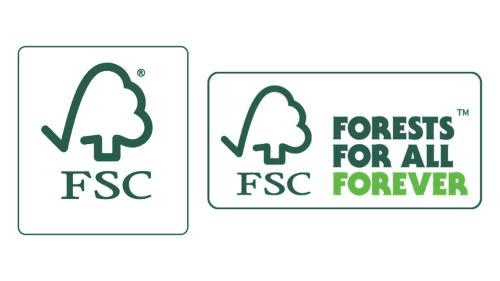 Source: FSC official website
Paper Types Commonly Used for Eco-Friendly Packaging Production
There are more eco-friendly paper options available for packaging production than you might expect. Choosing the right material based on brand image and product type is important.
Some of the most commonly used eco-friendly papers include the following.
Earthpack
 Smart ESG Branding from Eco-Friendly Paper Packaging
This is a non-wood paper made from sugarcane byproducts, and it has attracted a lot of attention as an eco-friendly material because it is produced without cutting down trees.
- 100% sugarcane byproducts used
- Natural brown color
- Biodegradable
- Widely used for eco-friendly brand packaging
Naturepack
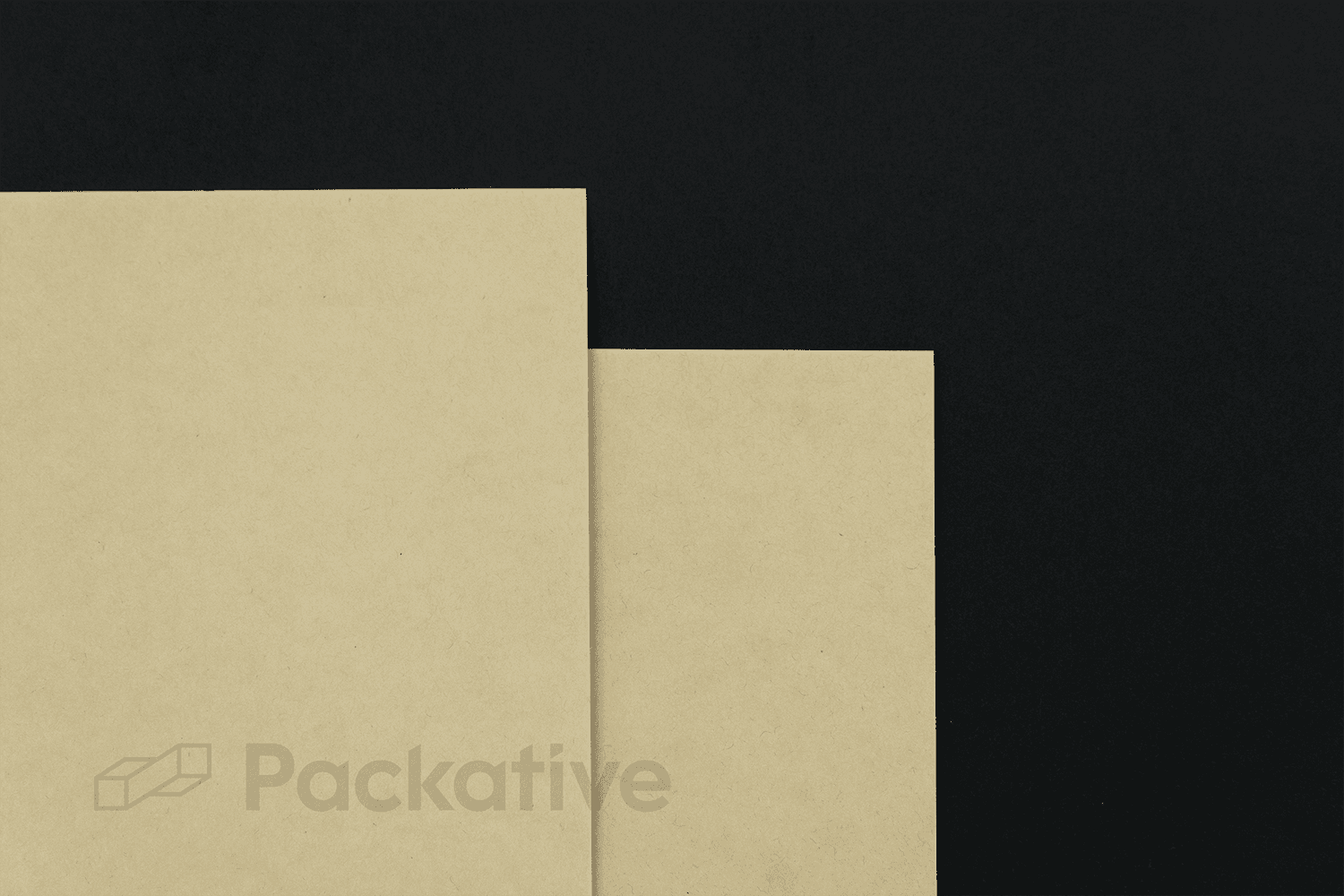
This eco-friendly paper is made from bamboo pulp and is often used when creating packaging with a natural, clean look.
- 100% bamboo pulp
- FSC Certified non-wood paper
- Lightweight and highly biodegradable
- Ideal for natural-looking packaging
New Eco Kraft / New Eco Black
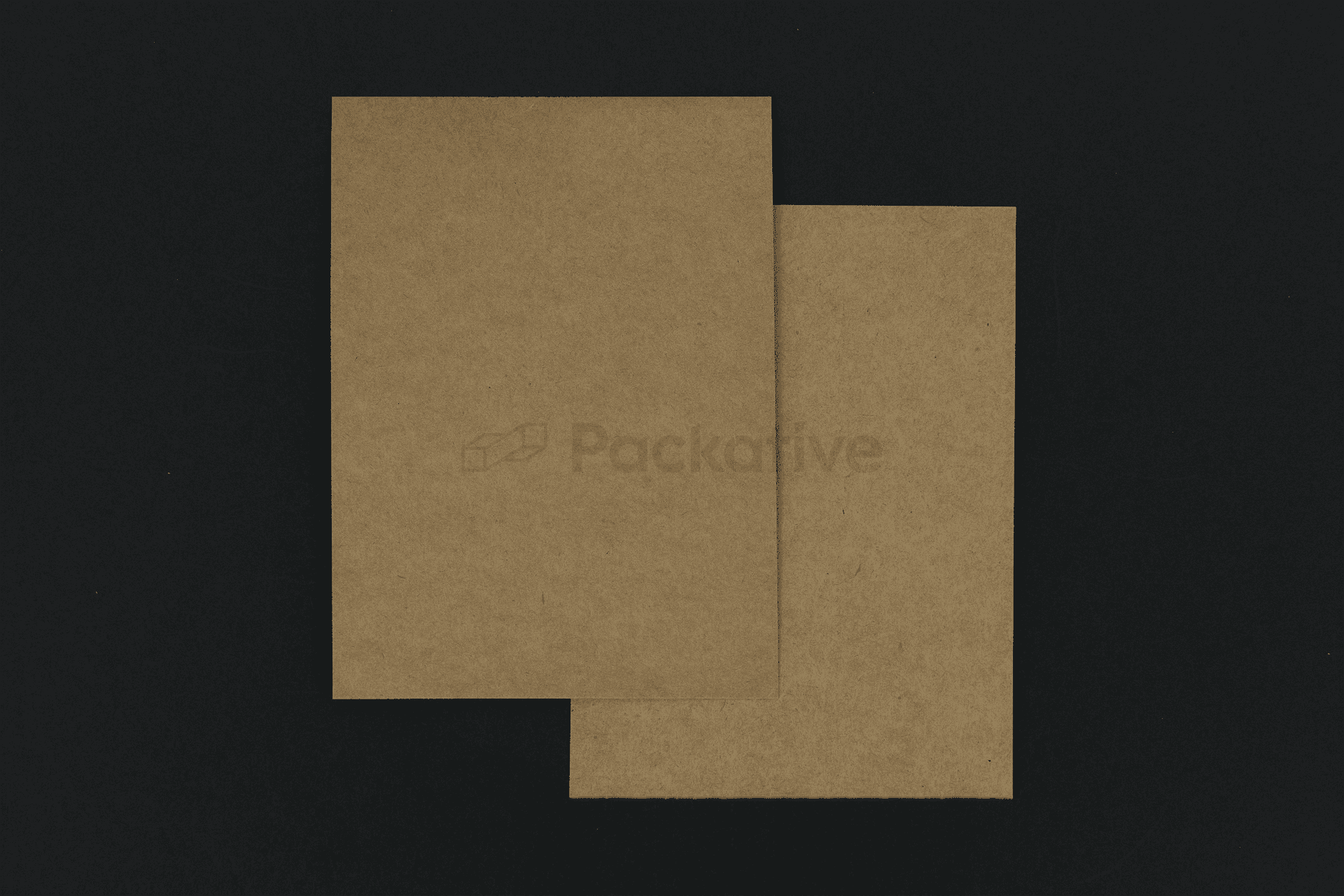
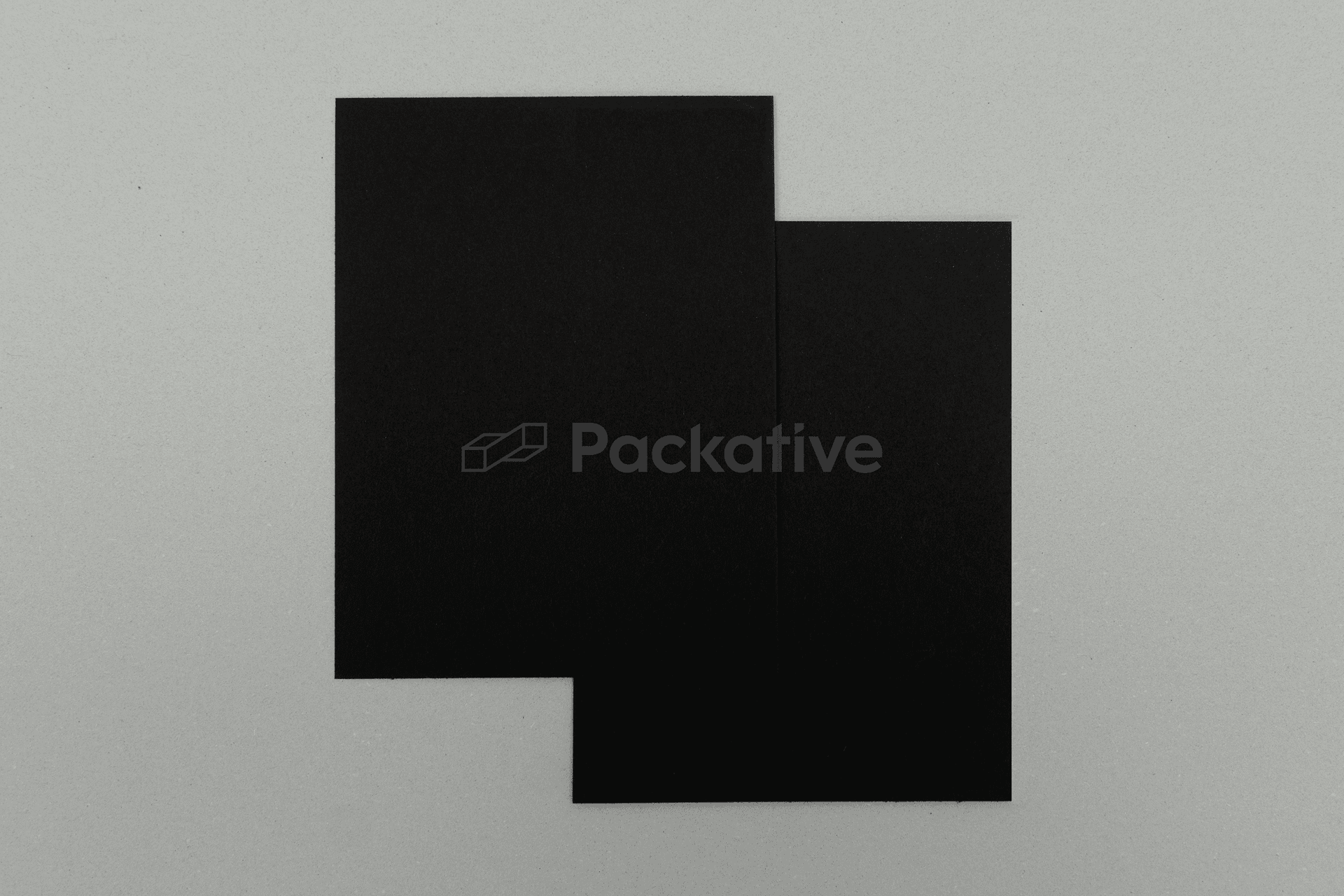
These are FSC Certified papers that include recycled pulp and are often used for practical yet eco-friendly packaging.
- Recycled pulp used
- FSC Certified paper
- High strength and cost competitive
- Suitable for a wide range of packaging applications
Old Mill
 Smart ESG Branding from Eco-Friendly Paper Packaging, A to Z
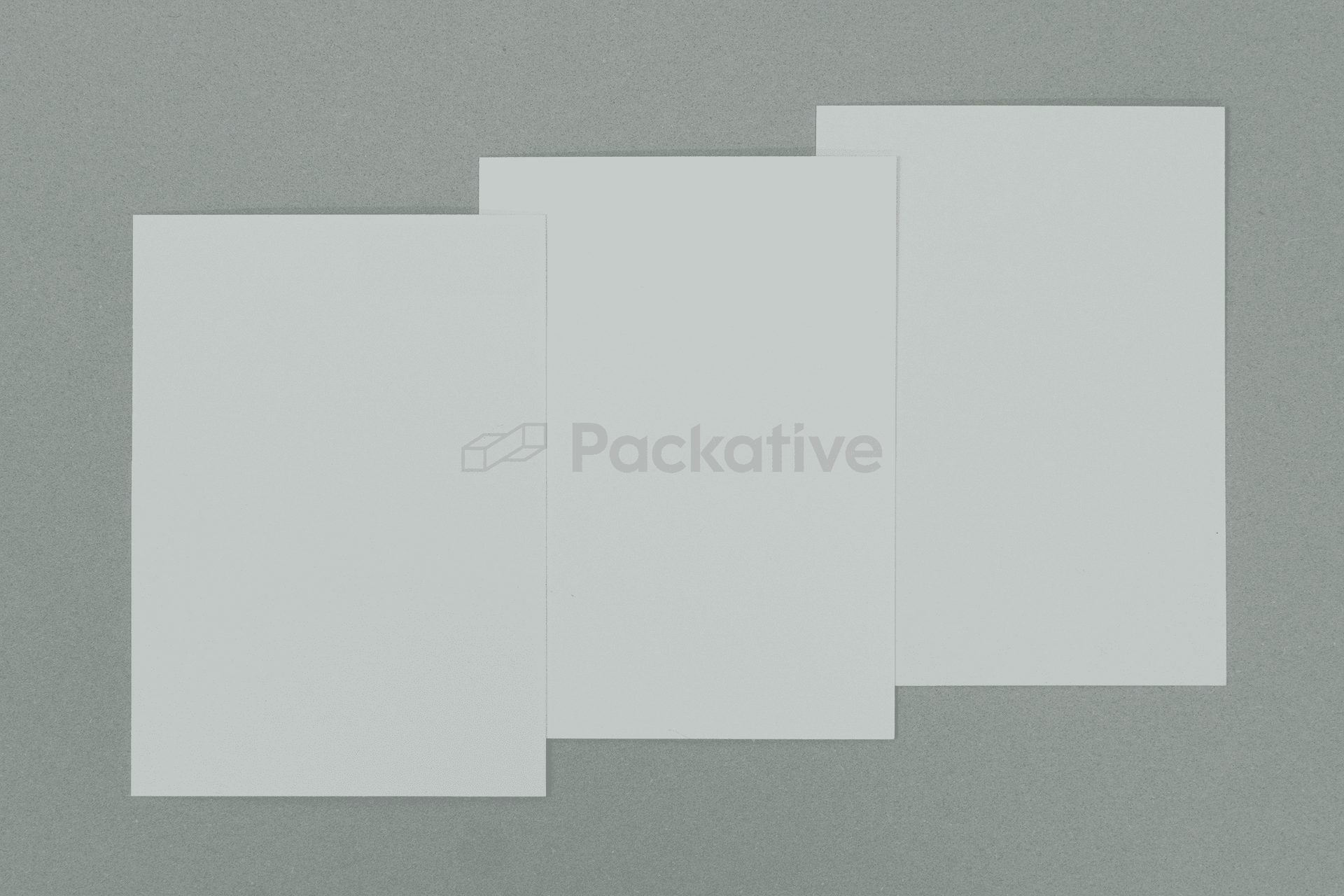
This premium eco-friendly paper is known for its natural texture.
- FSC Certified uncoated paper
- Luxurious texture
- Suitable for brand shopping bags and premium packaging
🔽 Request a quotation for box production using eco-friendly paper 🔽
Real-time custom box production quotation request | Packative
Eco-Friendly Packaging Production Cases
Many brands are already using these eco-friendly papers for their packaging.
 Smart ESG Branding from Eco-Friendly Paper Packaging, A to Z - Greedyscent
Perfume workshop brand Greedyscent produced shopping bags using Earthpack paper. By using paper made from sugarcane byproducts, they created biodegradable shopping bags and naturally reflected the brand’s eco-friendly image through the paper’s organic texture.
[친환경-향수패키지-그리디센트-단상자-소량제작-후기]
 Smart ESG Branding from Eco-Friendly Paper Packaging, A to Z - Alloso
Lifestyle brand Alloso used Naturepack Rough White paper to produce coffee capsule packaging for a pop-up store. The clean design and eco-friendly material came together nicely, creating a packaging example that conveys the brand’s stylish image.
Small-Batch Packaging Production to Reduce Inventory Burden
One of the biggest challenges brands face when producing packaging is inventory management. Mass production has the advantage of lowering unit costs, but depending on sales speed, it can also lead to more inventory than expected.
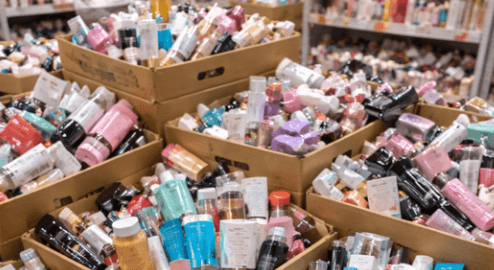 Cosmetics inventory piled up and left unattended
Packaging inventory is especially likely to build up for products such as:
- Seasonal limited-edition packaging
- Collaboration products
- Test launch products
- Promotional products
In these cases, choosing a small-batch packaging production approach from the start allows for much more flexible responses.
Producing packaging in small quantities offers the following benefits:
- Lower initial production cost burden
- Reduced packaging inventory risk
- Ability to test multiple designs
- Faster product launch
How to Manage Leftover Products in a Meaningful Way: MONA
Even with small-batch packaging production, leftover products can still occur depending on market conditions or sales speed. If these products are simply discarded or distributed through unmanaged channels, they can negatively affect brand image and increase environmental burden.
In particular, cosmetics and lifestyle products require careful management even during donation or transfer processes. For example, the following factors are important:
- Expiration date management
- Product traceability
- Safety verification
- Distribution channel control
To help with these challenges, product donation and matching platforms have emerged. One of them is MONA.
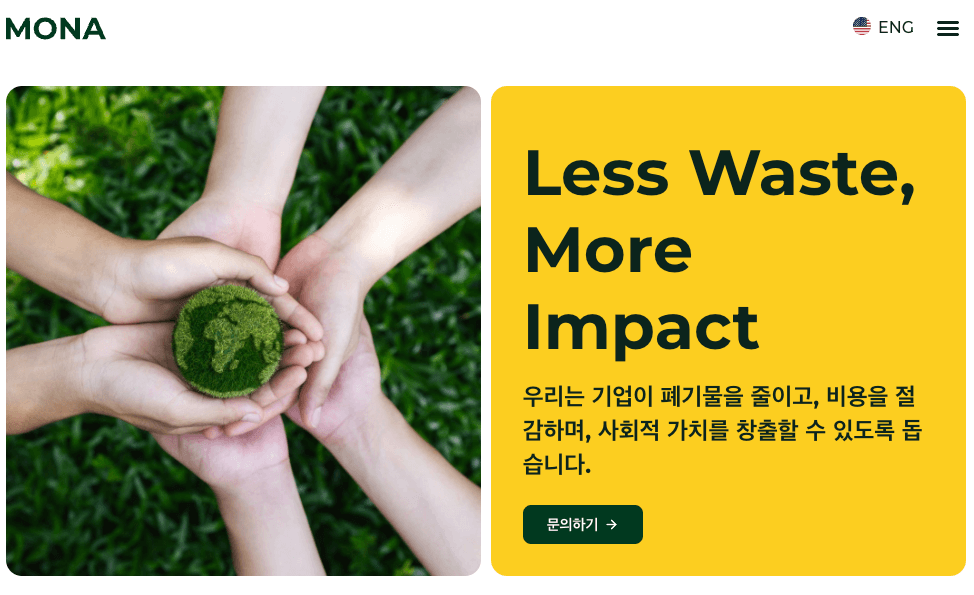 *Source: MONA homepage
MONA is a platform that connects companies with leftover products to places that need them, supporting a wide range of ESG activities beyond simple donation.
- Connects leftover products with organizations in need
- Coordinates complex logistics and verification processes to safely deliver inventory products
- Creates a structure that prevents indiscriminate distribution
- Can be used as a case study for corporate ESG activities
For brands, this can be an option to consider as a way to turn leftover products into social value rather than simply disposing of them.
Sustainable Brands Start with Packaging
Eco-friendly packaging is not just about switching one paper material for another — it is also a choice that shows what values a brand prioritizes. The paper you use, how much you produce, and how you make use of leftover products all become part of the brand experience.
For example, you can produce packaging using eco-friendly paper, manufacture only the quantity needed for the product to reduce inventory burden, and consider ways to pass leftover products on to places that need them. When these small decisions come together, they can naturally communicate the direction your brand stands for.
Packative supports eco-friendly paper packaging production and small-batch production tailored to each brand’s concept and product characteristics. If you are creating new packaging or looking for materials that fit your brand, explore more packaging production options on the Packative website.💜
🔽 Go directly to the Packative website 🔽
Custom packaging 3D design & production, fast and easy! | Packative