What Branding Means and How to Build Brand Consistency Through Packaging
Which brand comes to mind when you think of your favorites? From fashion brands to cars, electronics, food, accessories, household goods, and even social media, plenty of brands are probably popping into your head. They all have one thing in common: they are the result of “branding.” Success...
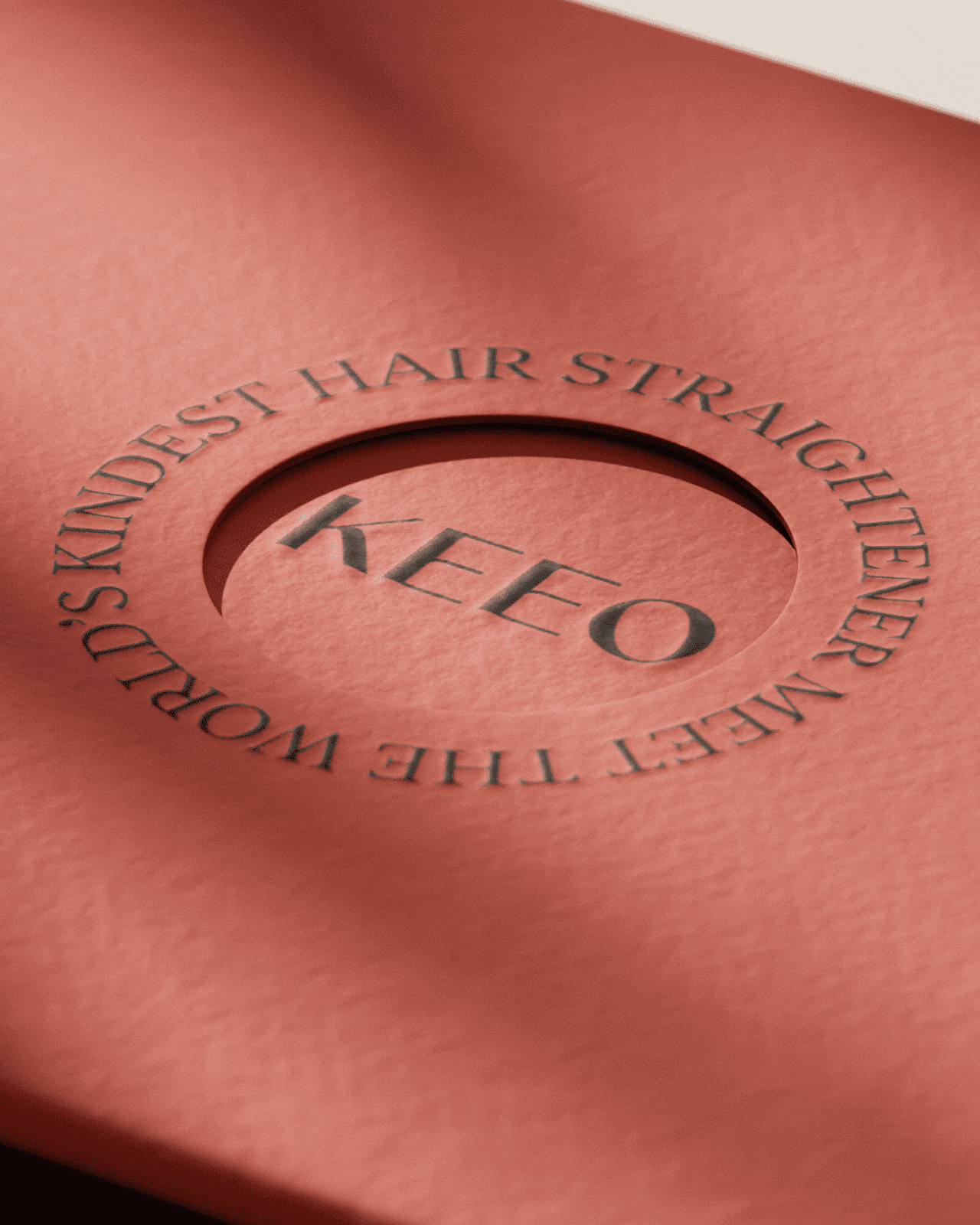
Which brand comes to mind when you think of your favorites? From fashion brands to cars, electronics, food, accessories, household goods, and even social media, plenty of brands are probably popping into your head. They all have one thing in common.
They are all the result of branding after all. Successful brands—the ones that stay in consumers’ minds—are never created by chance. So how is a strong brand with a single image and a consistent identity built? Let’s look at the meaning of branding and specific branding methods in order.
 thedieline
What Is Branding?
To put it simply, branding is the process of helping a business introduce itself to the public and distinguish itself from competitors. That is why it often includes visual design elements and memorable catchphrases that make it easy for consumers to recognize.
“Branding” is often used almost interchangeably with “marketing,” but while they are similar, there is a clear difference. Marketing focuses on the market, as the word suggests. It centers on competition in the market, consumer preference, and boosting purchase rates. Branding, however, is centered on the brand itself. The key question is how to give the brand life and how to build its own identity.
 flynkk
Why Branding Matters for Business
1. Building Trust
At the heart of branding is trust. Here, trust refers not only to the confidence potential customers have in a brand, but also to the impression it makes within the industry. When a brand builds trust, it means that on one hand it becomes remembered by consumers as a brand they can rely on and on the other it builds solid trust with partners.
Defining a brand’s identity through branding is, especially for consumers, like a stranger becoming a dependable friend!
 forbes
2. Expressing the Company’s Values and Mission
Does the word “mission” sound too grand? But for a brand, a clear set of values, a mission, and a purpose are essential! For example, Coca-Cola’s mission statement is “to refresh the world and make a difference.”
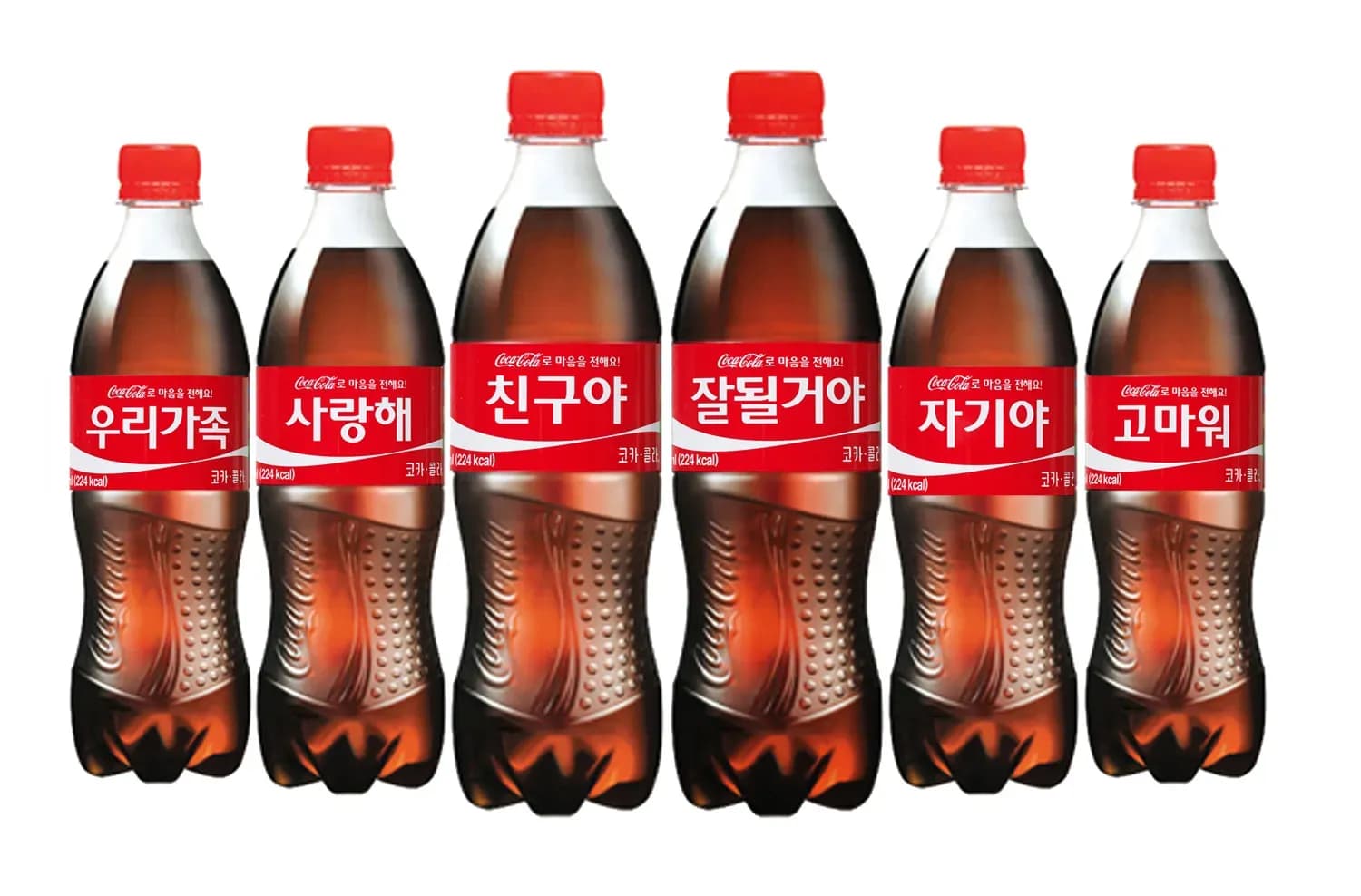
The goal of branding is not simply to look “cool” to consumers. A brand’s identity must ultimately be able to persuade customers. Coca-Cola did not stop at making a tasty cola; it broadened its vision to become a company that positively changes the world. This vision resonated with many consumers and led to the success of campaigns like “Share a Coke.”
 coca-cola
3. Attracting New Customers
Becoming a “trustworthy brand” means you can attract not only existing customers but also new ones. Today’s consumers are not just looking for “good products.” Have you heard of “value consumption”? Current consumer behavior leans toward choosing products that, even if they cost a bit more, can have a positive impact on the world.
Examples include eco-friendliness, animal protection, and support for vulnerable communities. So, if a brand clearly presents the positive values it stands for, many consumers who share those values will naturally become interested.
 forbes
Elements for Consistent Branding
1. Package Design
The way to do branding “well” is to never lose sight of consistency . There are so many strong identities and values that can be applied to a brand. But trying to pursue everything at once is the same as doing nothing at all! So you need to pursue consistent branding through careful selection and focus.
The most effective way to do that is through product package design. Branding is usually built through visual elements. People see countless products while walking down the street, browsing online, or shopping both online and offline.
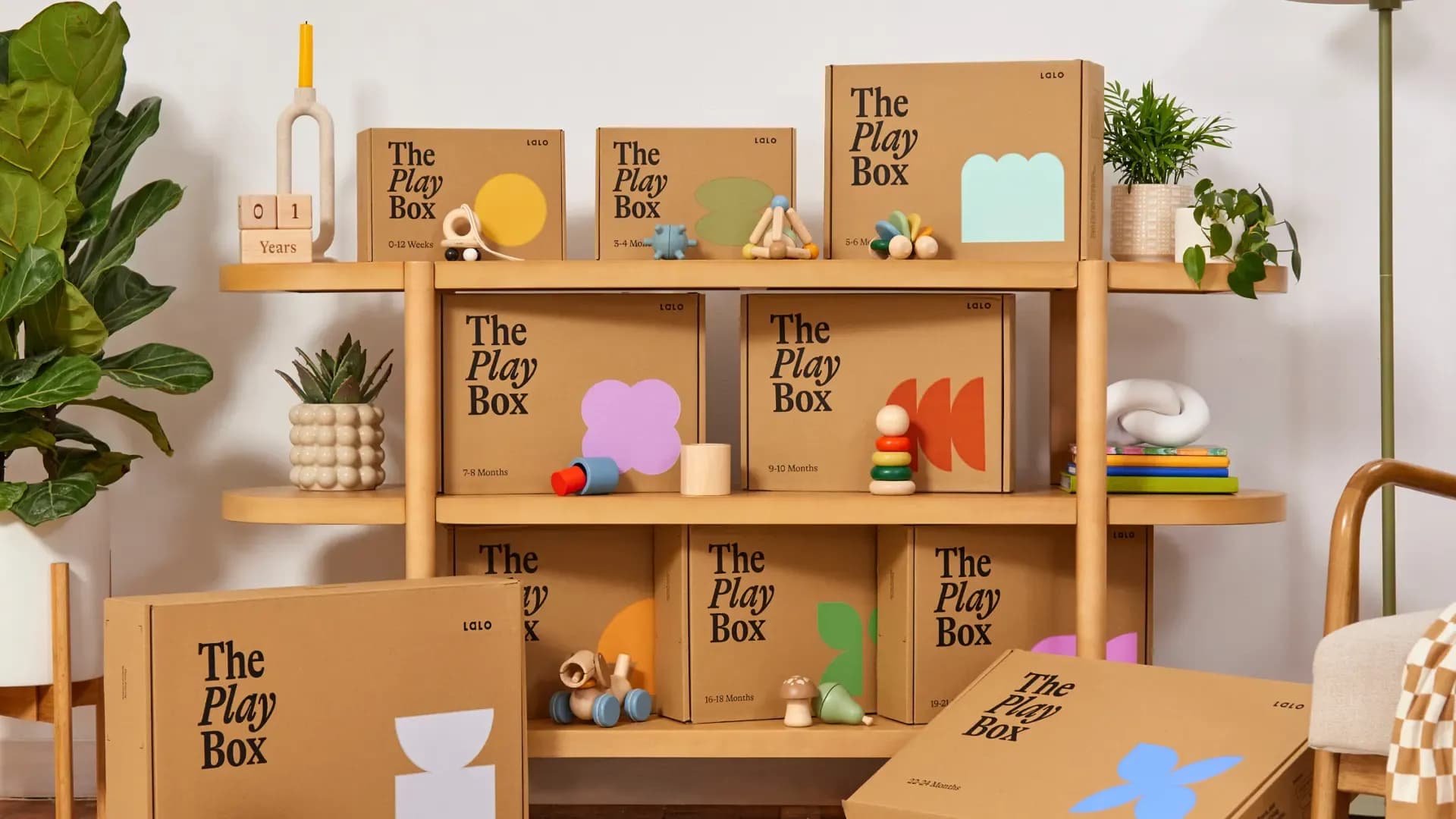
Some of them stay in memory, while others do not. The outer packaging that meets customers before the product itself is, in a very real sense, the space where customers and brands communicate and interact most actively. So how should packaging be designed to achieve consistent branding?
 thedieline
2. How to Build Consistency with Branding Packaging
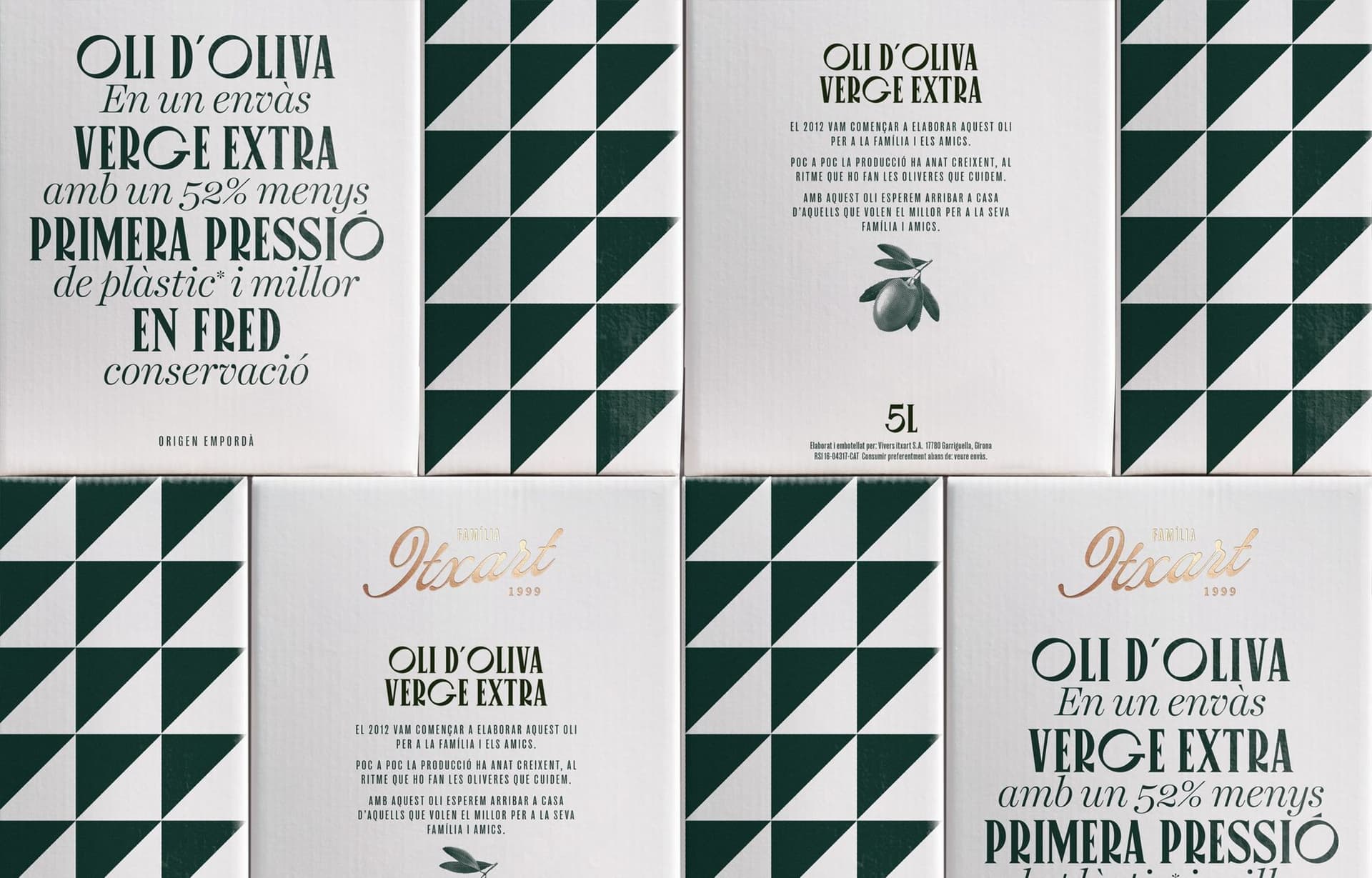
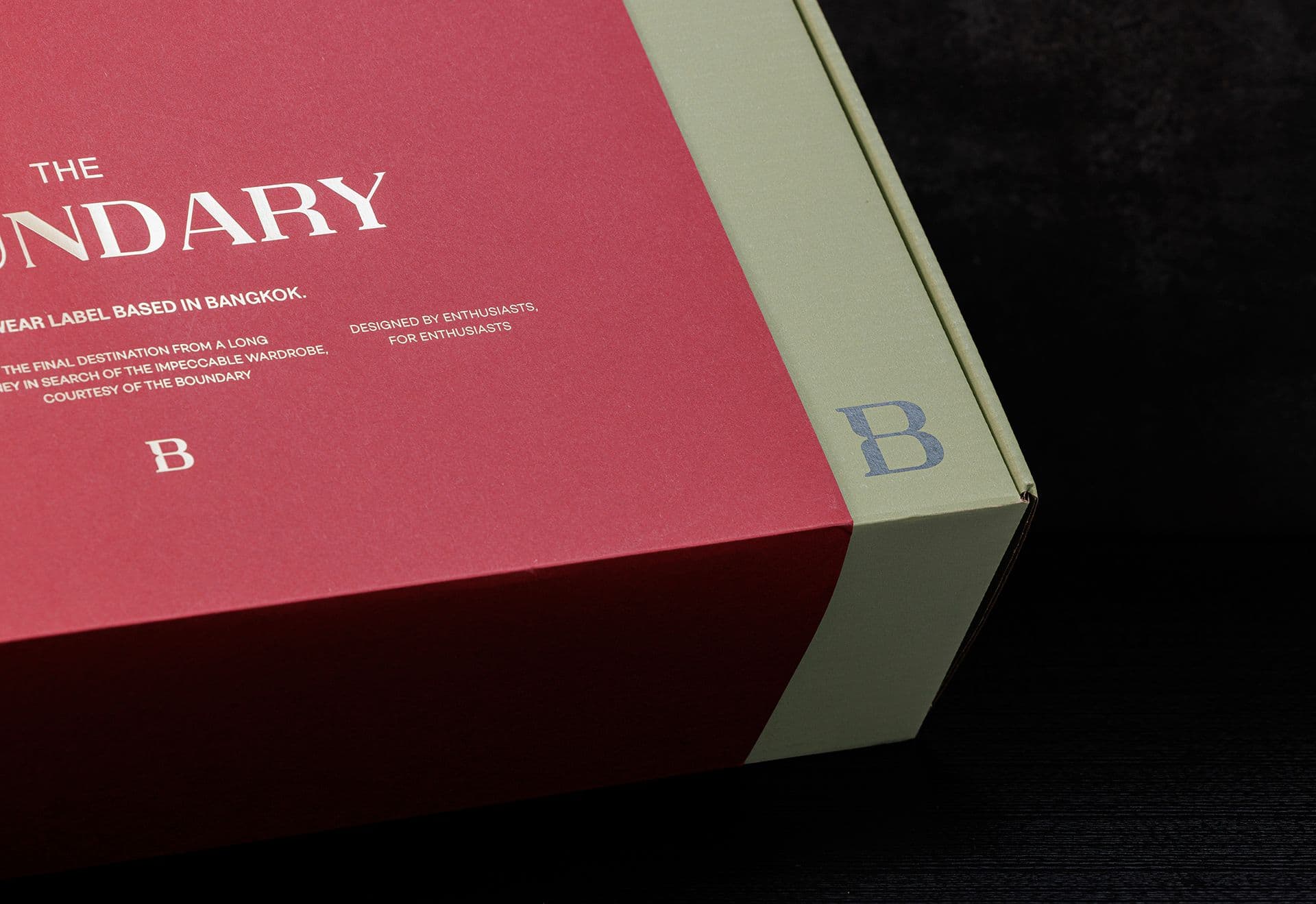
(1) Logo Design A logo helps consumers recognize a brand quickly and easily. But a logo does not have to be flashy or highly unique to work. It should be flexible enough to be used in a variety of packaging environments. It does not need to stay fixed forever. Create several variations of the logo so it can be recognized in the same way whether it is large or small, on a dark background or a light one, printed or viewed on a screen.
 thedieline
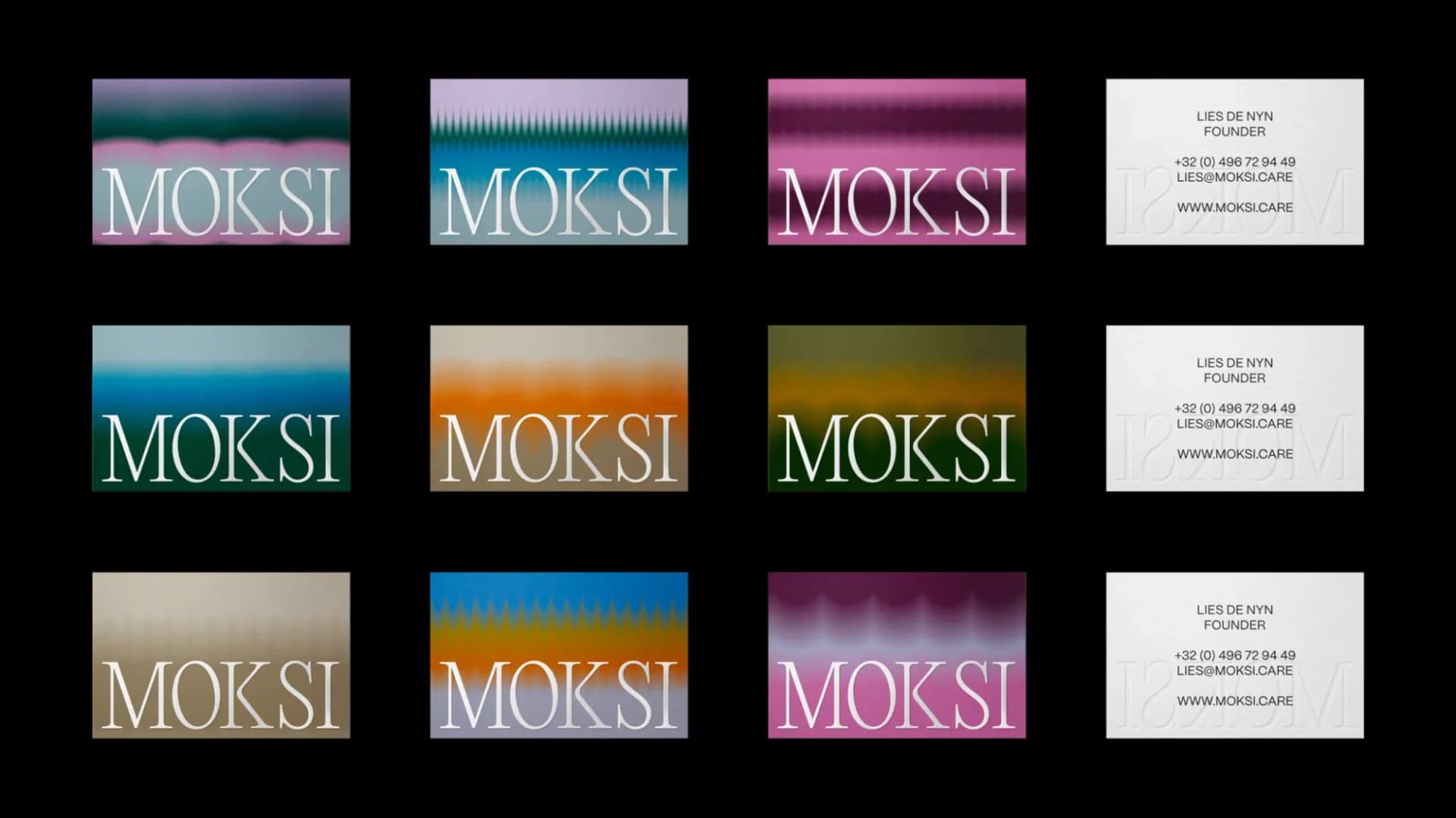
(2) Color Palette A color palette keeps the various colors used across social media, promotional materials, product packaging, websites, and other media consistent. The colors used by a brand should always have exact color values and be specific and clearly defined. Using a color palette helps maintain consistency even when the same design work is handled on multiple devices or by different people.
 thedieline
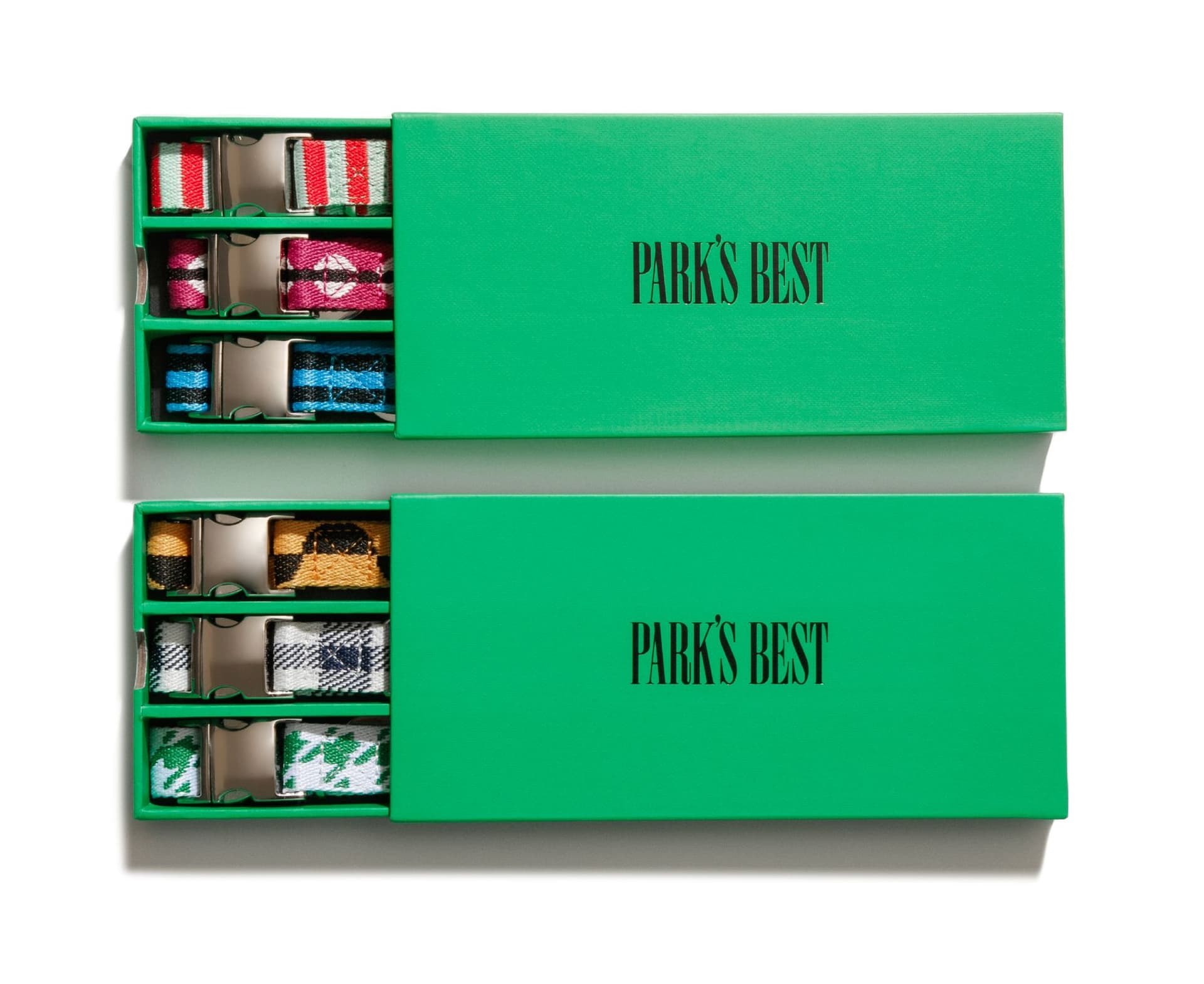
(3) Brand Typography Typography does not just mean the typeface itself. Of course typeface matters, but you also need to consider every text-related element, including size, layout, and spacing. Just like with a color palette, set clear guidelines in advance for what text should be used, where, and when.
 thedieline
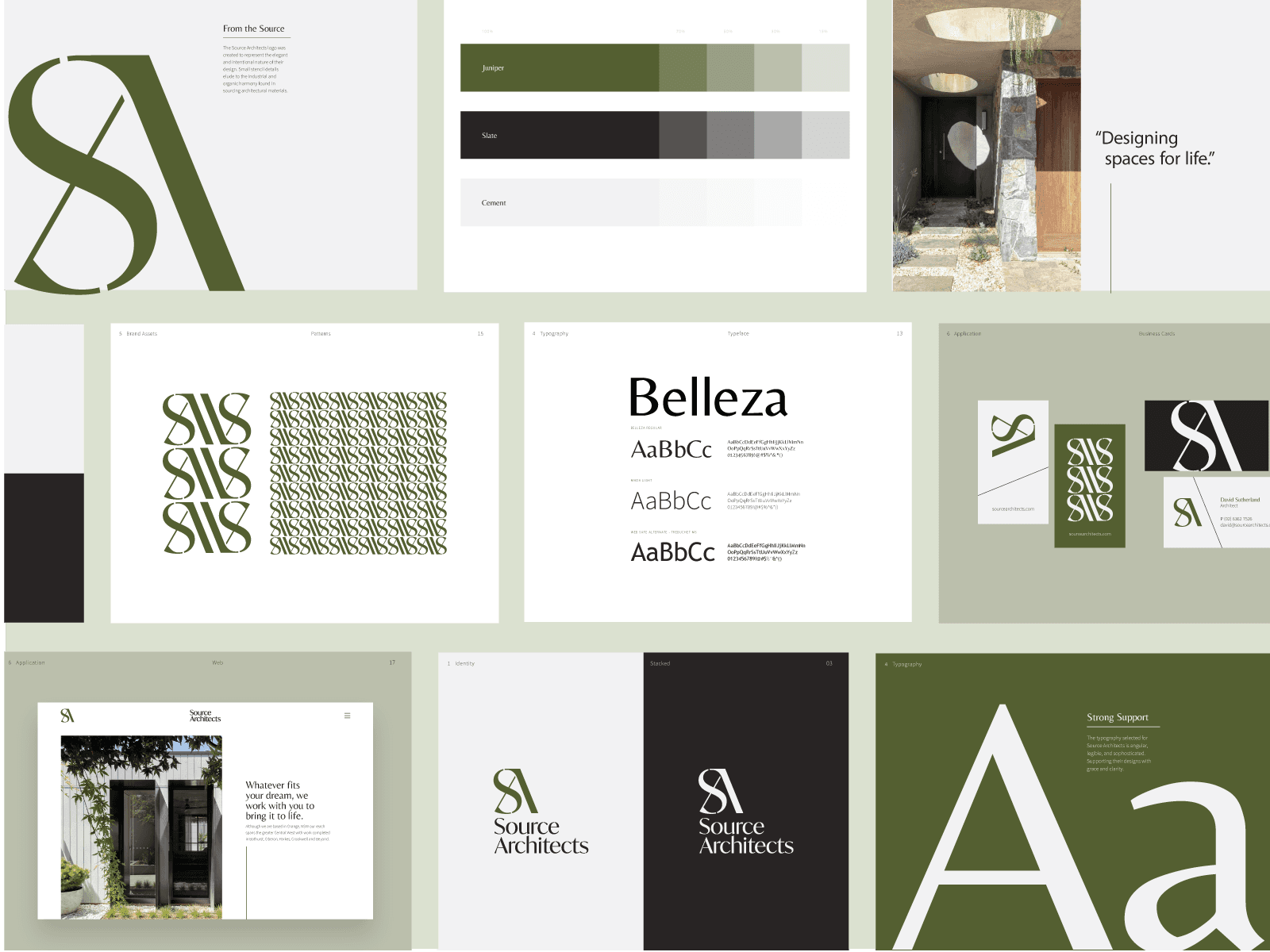
(4) Brand Style Guide Create a brand style guide that documents the brand’s overall design and style, including everything above. To keep a brand consistently aligned over time, you need a standard that does not change. When creating packaging and every other design asset, decide in advance what design direction your brand should follow, which colors, fonts, and logo to use, and remove the need to rethink it each time!
How Should Branding Packaging Be Made?
So how can you design and produce a stylish branding package that maintains consistency?
Visit Packative, where you can customize everything from the packaging material and color to the box type, coating, and overall design, one detail at a time. It is easy enough for beginners to design, and you can also get help from experts when needed.