What Is Eco-Friendly Packaging?
Eco-friendly packaging, or sustainable packaging, simply means optimizing packaging to minimize resource and energy consumption while causing as little environmental pollution as possible. Simple ways to approach packaging sustainably include reuse and recycle, reducing excess packaging, and light weighting, as well as using biodegradable or low-toxicity materials...
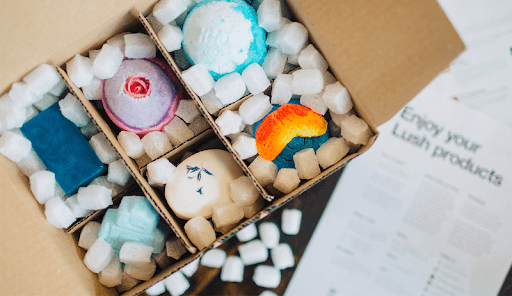
Eco-friendly packaging, or sustainable packaging, simply means optimizing packaging to minimize resource and energy consumption while causing as little environmental pollution as possible.
Simple ways to approach packaging sustainably include reuse and recycle, reduce excess packaging, light weighting, and making materials biodegradable or low-toxicity.
Is eco-friendly packaging really eco-friendly?
Just as the zero-waste trend has recently gained momentum, avoiding packaging as much as possible is ideal. However, with the rise of home shopping, e-commerce, and parcel delivery, there are times when packaging is necessary to safely ship products. That is why it is worth exploring eco-friendly packaging for these essential uses.
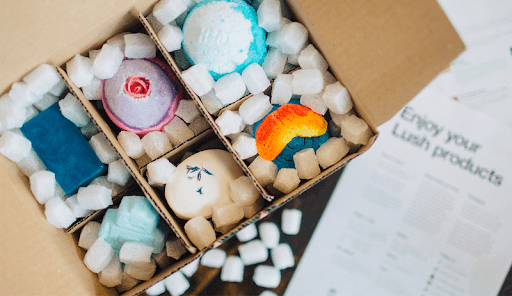
For example, Lush also pursues zero waste, but for necessary packaging it focuses on sustainability by using recyclable fabric or paper materials whenever possible. For deliveries, it uses paper boxes and environmentally conscious cushioning made with water-soluble materials, such as anti-breakage convoy, to reduce its environmental impact.
Packative also prefers eco-friendly packaging and has continued to operate with the environment in mind for various brands. If you need eco-friendly packaging, Packative.
What types of eco-friendly packaging are there?
1. Eco-friendly packaging material: corrugated board
Corrugated board is made by attaching fluted paper between one or two liners of paperboard. Depending on weight, size, and material, it can have different strengths and colors. Corrugated board is very easy to recycle, and even printed corrugated board can be reborn as new corrugated board through the proper process, making it one of the most sustainable packaging types.
First, let’s look at the types of corrugated board:
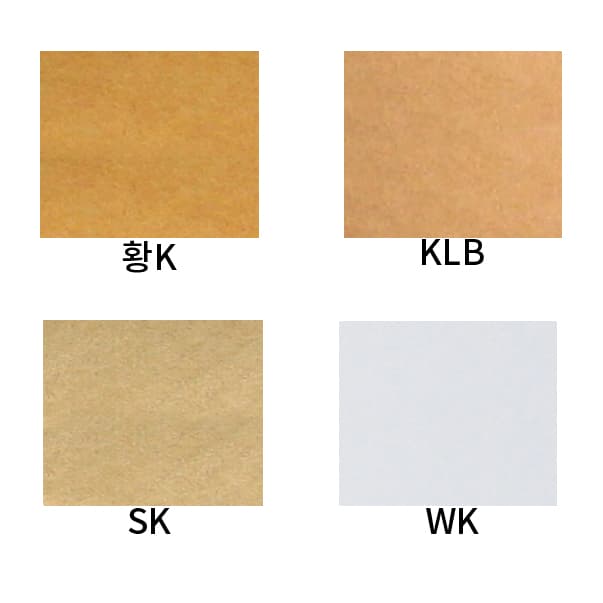
- SK liner: SK liner is the most commonly used corrugated board color and is one of the most basic types of corrugated board.
- Yellow K liner: This paperboard has a yellow tint and is also called “yellow paper.” It is used in the same way as SK paper.
- WK liner: A white corrugated board type. Because of its bright color, it is mainly used when you want to emphasize cleanliness or color printing in product packaging, but it has the drawback that even slight dirt is noticeable, so care is needed during packaging.
- KLB: Compared with basic corrugated board, it has a slightly darker color and better strength than other types of corrugated board.
Please note that even with the same type of liner, the color of corrugated board can vary slightly depending on the production environment or manufacturer.
Also, depending on corrugated board thickness (flute size), the size notation changes, such as E-flute (1.5–2 mm thin flute), B-flute, and A-flute (about 5 mm thick flute). Since the load-bearing capacity differs depending on the flute type, you should choose the material based on the weight of the product the box will hold. You need to consider sufficient strength and color for the product, right?
2. Eco-friendly packaging material: paper
Of course, paper boxes are one of the types of eco-friendly packaging. But did you know this? Winged boxes that can be secured without separate tape are even more eco-friendly than standard shipping boxes. Types such as G-type boxes, which are fixed by the flaps, minimize the use of plastic such as tape, making them a more eco-friendly box type than other paper boxes.
In addition, products such as ramen containers, which were usually made with Styrofoam or plastic, are increasingly being designed as paper containers, expanding the uses of eco-friendly paper boxes.
If you want to explore recent packaging trends: The Top 5 Most Noteworthy Packaging Trends of 2020
3. Paper bubble wrap, an eco-friendly alternative to plastic air caps
When ordering by courier, most packages are filled with unwanted plastic cushioning to keep items safe during delivery. Plastic air caps are especially harmful to the environment because they are difficult to recycle and are usually discarded altogether. To minimize such packaging waste, there has been a movement to replace plastic bubble wrap with eco-friendly paper cushioning.
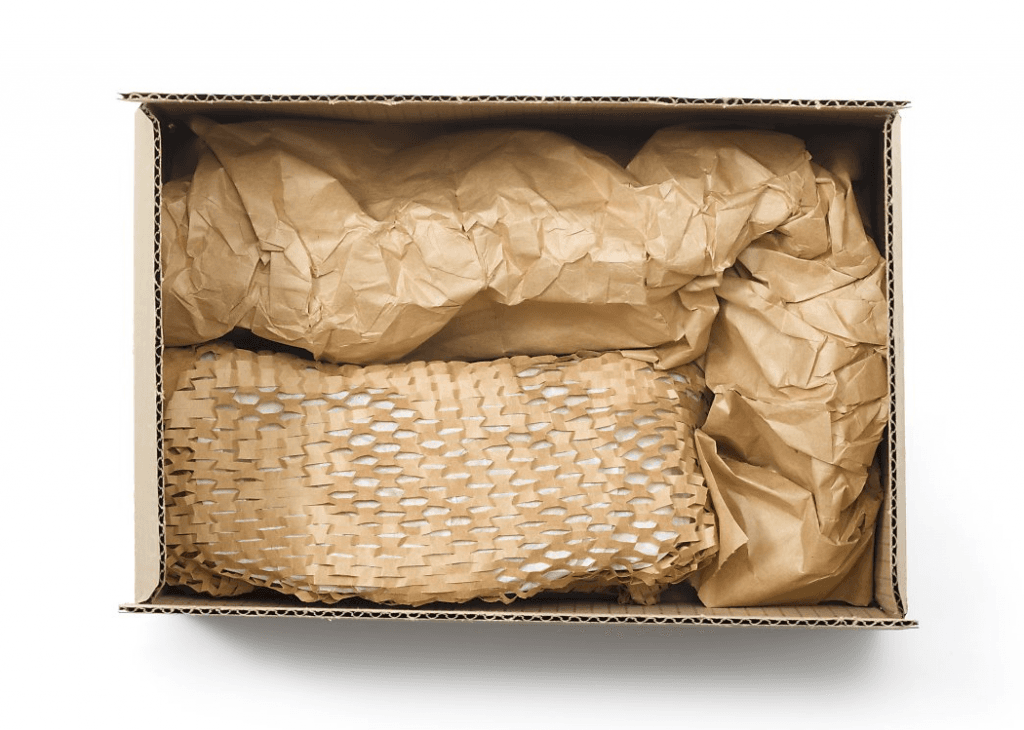
Amorepacific in Korea has also established a sustainable management vision and uses eco-friendly paper cushioning instead of plastic packaging materials for online orders to minimize packaging waste.
4. Eco-friendly plastic (bioplastic)
According to the Korea Research Institute of Chemical Technology, bioplastics are polymer plastics manufactured using biomass as a raw material. Biomass is a broad concept that refers to living organic matter such as plants, animals, and microorganisms, but biomass used in bioplastic production is often based on plant-derived resources such as sugarcane, corn, wood, and rice straw.
 Different kinds of garbage for recycling
Depending on how much biomass is contained in the material, bioplastics can be broadly divided into two types: biodegradable plastics and biomass-based plastics.
1. Biodegradable plastics
First, biodegradable plastics contain 50–70% or more biomass and, when discarded after use, are plastics that are completely broken down into water and carbon dioxide by microorganisms under certain conditions. They decompose much faster than regular plastics, and even when burned, they emit only enough carbon dioxide to have little impact on air pollution.
2. Biomass-based plastics
Biomass-based plastics are materials that contain about 5–25% ingredients derived from biomass as raw material. Unlike biodegradable plastics, biomass-based plastics do not decompose, but they have the advantage of being more environmentally friendly because they generate relatively less carbon dioxide than conventional petroleum-based plastic processes.
Although producing eco-friendly bioplastics requires more cost than conventional plastics, they have recently attracted considerable attention because they can reduce soil pollution caused by landfill waste and cut pollution gases emitted from fossil fuels.
However, there is still ongoing debate over whether bioplastics are truly eco-friendly.
The UK environmental group Green Alliance stated that “biodegradable plastics do not break down as well as expected.” The certification standard for biodegradable plastics requires 70–90% or more decomposition under specific conditions (temperature 58°C ±2), which differs from real natural environments. Jennifer McGlade, a scientist with the United Nations Environment Programme, said, “Biodegradable plastics decompose at temperatures above 50°C, but most biodegradable plastics thrown into the ocean drift in the colder deep sea, where they do not decompose and destroy marine ecosystems just like regular plastics.”
A marine scientist at the University of Plymouth in the UK conducted an experiment to see how well biodegradable plastic bags decompose in natural environments. The study found that even after three years, biodegradable plastic bags did not rot in soil or the ocean, and products left in the air remained intact enough to be used for shopping.
Biodegradable plastics also have a limitation in that they cannot use the existing recycling system for petroleum-based plastics, making them difficult to recycle. For this reason, replacing materials with biodegradable plastics should be considered only after carefully evaluating disposal and recyclability.
Why eco-friendly packaging matters: About the rising Gen Z
5. Other eco-friendly packaging materials
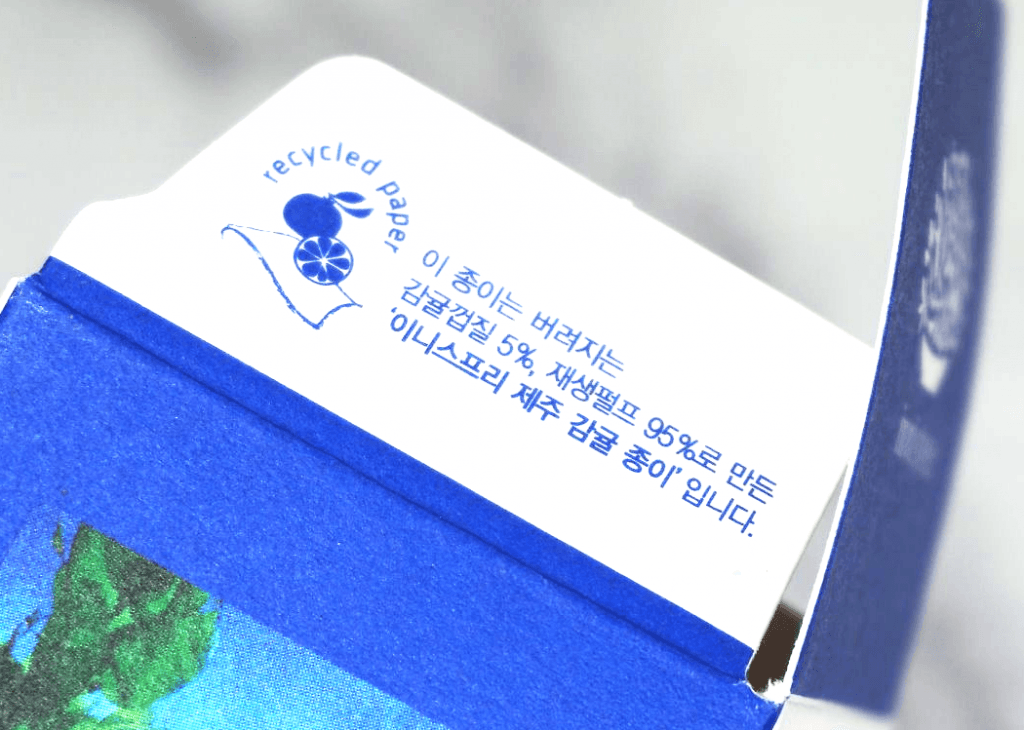
Innisfree created “Innisfree Jeju Tangerine Paper,” making packaging from 5% discarded tangerine peels and 95% recycled pulp. As a result, based on the number of boxes shipped in 2018, it reportedly reduced annual plastic waste use by 94 tons compared with the previous year.
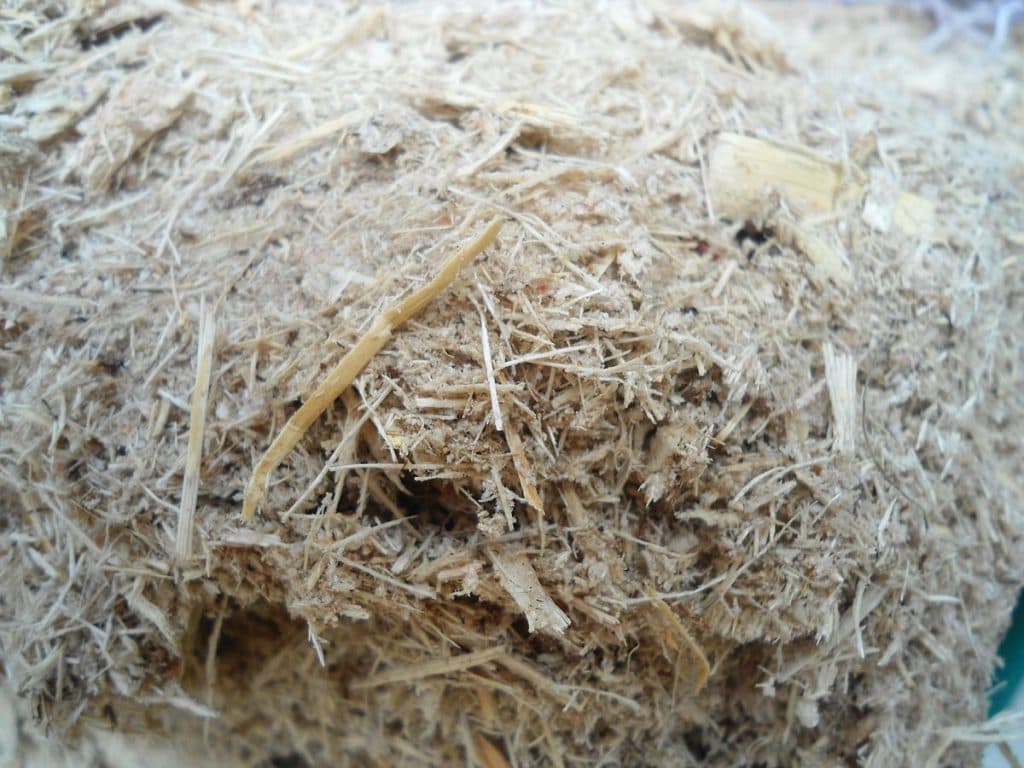
Many companies are creating fast-decomposing eco-friendly packaging using natural materials such as sugarcane. World Centric, which sells eco-friendly kitchenware, developed plant-based boxes that can be composted after disposal using 80% sugarcane and 20% bamboo.
To learn more about package design: Beauty Product Packaging Planning
What is the difference between high-end eco-friendly packaging and low-cost eco-friendly packaging production?
One affordable way to produce eco-friendly packaging is to print directly on corrugated board using flexo printing. Flexo printing is a printing method mainly used when printing with a small number of colors, usually one or two. Another advantage is that it can be printed directly on corrugated boxes, making production simpler. However, print quality may not be very sharp, the grain of the board can make small text hard to read, and ink may spread.
A higher-cost way to produce eco-friendly packaging is to do offset printing on kraft paper. This offers better print quality and allows four-color printing with a wide range of colors. However, because it cannot be printed directly on corrugated board, producing offset-printed corrugated boxes requires an additional lamination process, which adds cost and inconvenience.
If you want to learn about packaging production costs: How Much Are You Curious About Packaging Box Production Costs?
Why is custom production an eco-friendly packaging option?
Custom production may seem like nothing more than making the box smaller, but in fact it is also an act that adds sustainability to your business. If a box does not match the size of the product, it creates unnecessary volume during shipping, increasing carbon emissions in transit and wasting extra material. Therefore, reducing packaging to fit the product is an essential choice for the environment.
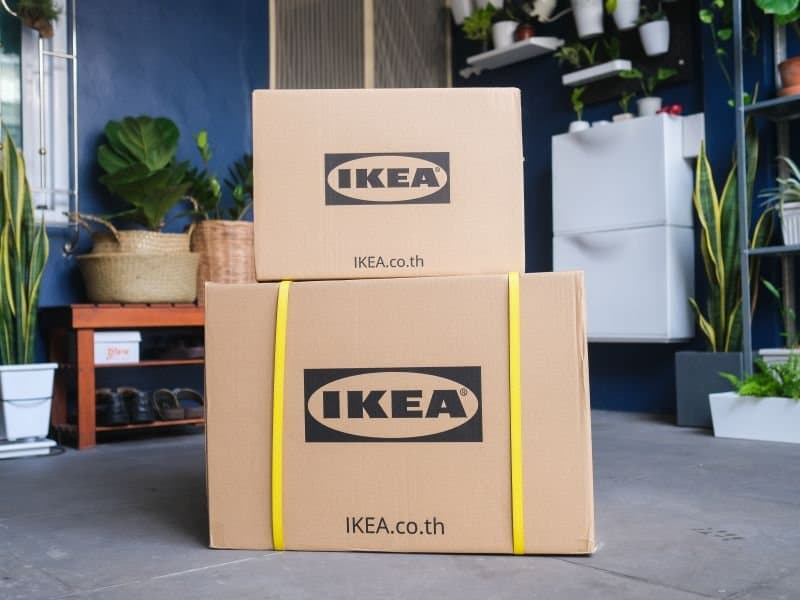
Sweden’s IKEA also designs custom packaging for sustainability. In fact, IKEA reportedly designs packaging at the product planning stage as well. By developing packaging design together, it maintains all five values IKEA believes in: form, functionality, sustainability, low price, and quality. It also maximizes space efficiency within minimized packaging by designing flat packs that can hold parts in the smallest possible space.
To learn more about sustainable packaging methods: Practical Ways to Create Sustainable Packaging
Packative x Refeely eco-friendly packaging
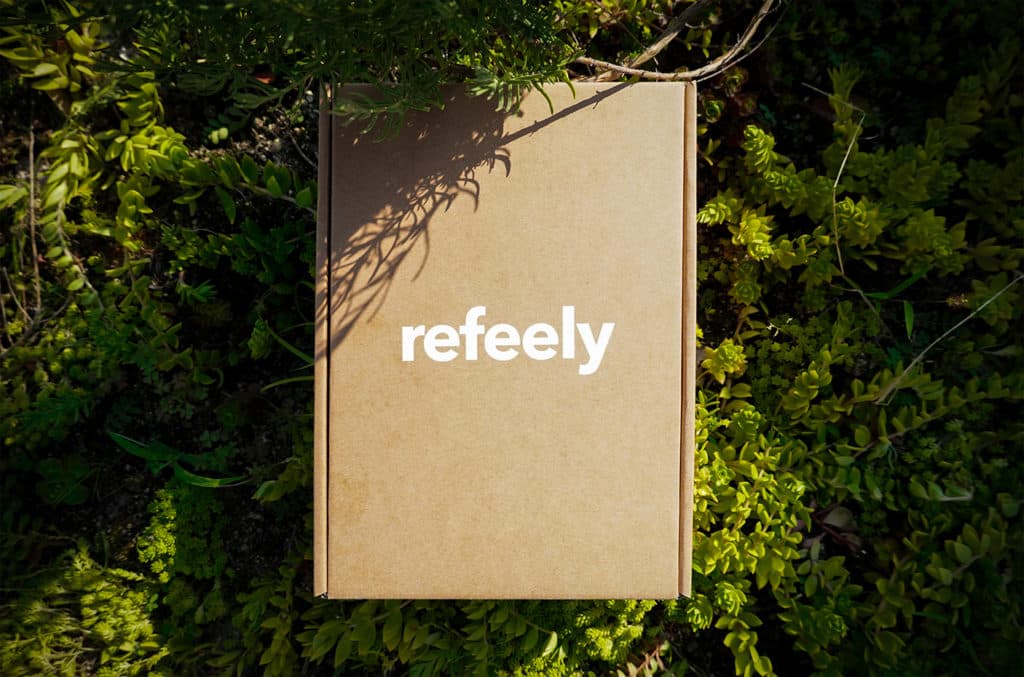
What kind of brand is Refeely?
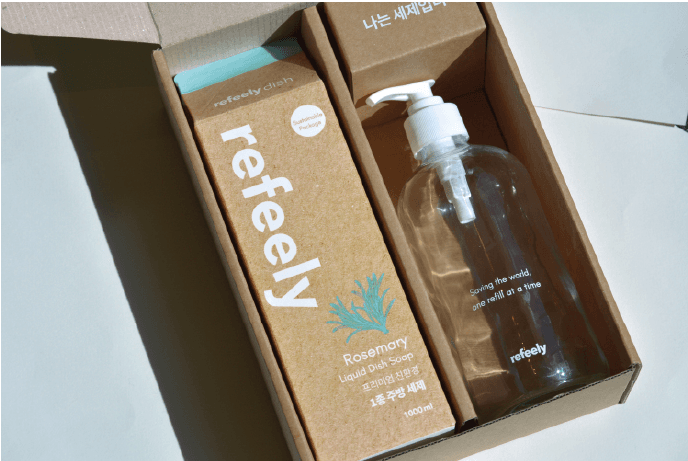
Refeely is a brand that provides a solution for using the kitchen detergent we often use in our daily lives without placing a burden on the environment. Its components include eco-friendly packaging, an eco-friendly refill package, and a detergent pump, and all components have the advantage of being recyclable. The refill container uses Tetra Pak, commonly known as a milk carton, which has a thin coating but minimizes the use of plastic.
Why did Refeely choose eco-friendly packaging? + Why is this package eco-friendly?
Refeely’s packaging was made with uncoated corrugated board and double-sided white silk printing. Coatings that use plastic place a burden on the environment when discarded, even if they can be recycled, so eco-friendly packaging does not use coating.
How should Refeely customers dispose of the packaging?
You can recycle all components. The paper carton containing the detergent — the milk carton we all know — can reportedly be 100% recycled into premium toilet paper or other materials. Since the refillable detergent container can be reused after refilling, it was designed for continued use whenever new detergent is added. Refeely’s direction is to create a virtuous cycle through reuse rather than disposal, living together with nature.
If you need eco-friendly packaging like Refeely, feel free to contact us.