What Is Print Proofing?: Tips for Reviewing Print Proofs Well
Have you heard the term “print proofing”? If you’re planning to produce packaging, books, or other printed materials, it’s one of the essential basics you should know. Once you finish carefully designing your printed piece and send the file to the printing company, isn’t that the end? Actually, something new begins from the moment the design is finished...

Have you heard the term “print proofing”? If you’re planning to produce packaging, books, or other printed materials types, it’s one of the essential basics you should know. Once you finish carefully designing your printed piece and send the file to the printing company, isn’t that the end? From the moment the design is finished something new is waiting for you!
 printfinish
What Is Print Proofing?
1. Definition
First, the dictionary meaning of “proofing” is “to supervise and manage.” In simple terms, print proofing means supervising and checking whether the printing is going well. More specifically, it refers to checking at the printing company whether the printed result matches the design intent as intended. In particular, elements such as color can be judged differently by different people, so it’s important to establish as objective a standard as possible and check carefully and accurately.
2. Why Proofing Matters
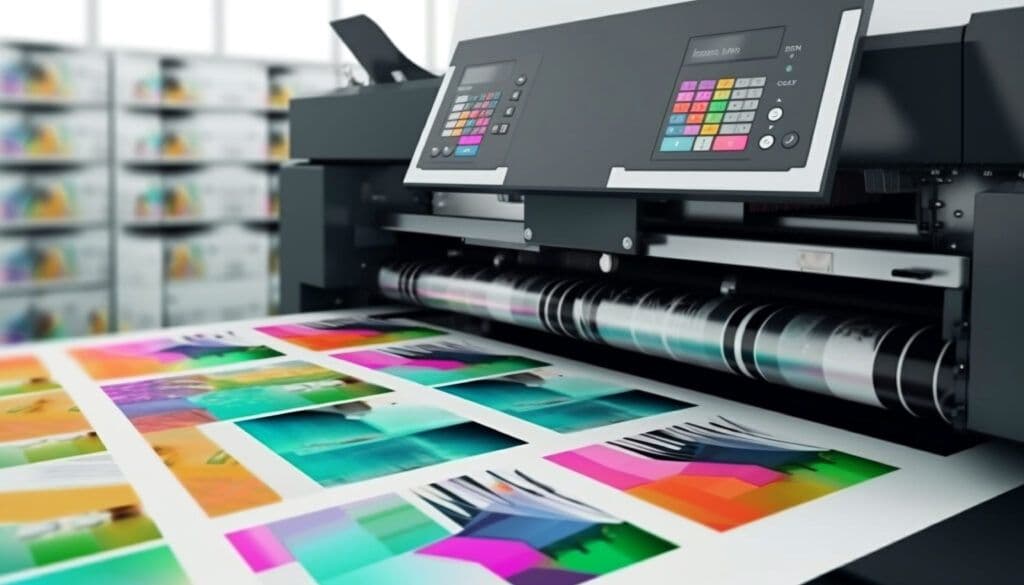
In principle, any design is created on a monitor, while the final output is printed on paper, so the two are difficult to match perfectly. Also, when printing in large volumes, it’s important to run a test print first and check the result before printing the full run, so you can prevent large quantities of defective prints from being produced. It’s also common to discover typos or small mistakes during proofing that were missed during the design stage.
 oliver-ziegert
5 Things You Must Check During Proofing
1. Paper
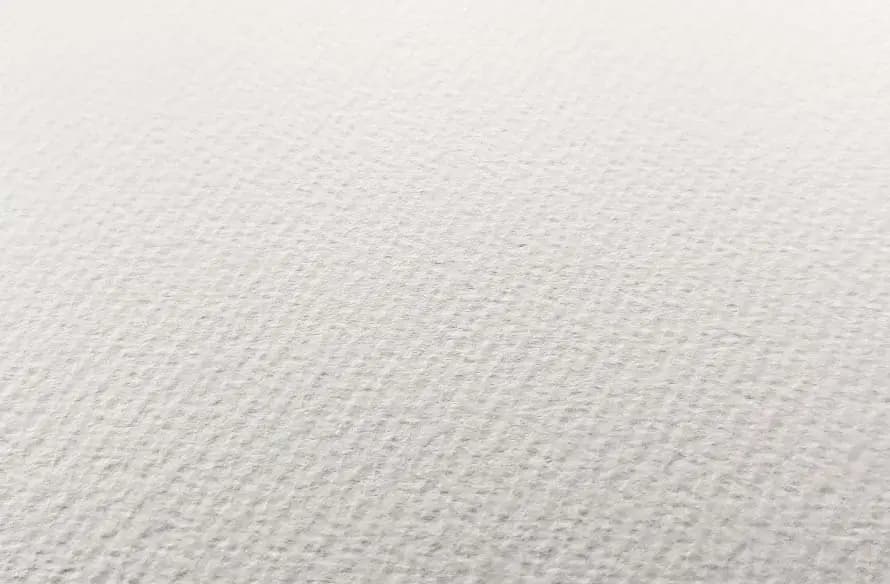
The first thing to check during proofing is the paper. Even if the desired type of paper has been used correctly, the overall result can still change if the grain direction is wrong. If a printed book doesn’t open well or keeps closing on its own, check whether the paper was used correctly.
 orchiddigitals
2. Alignment
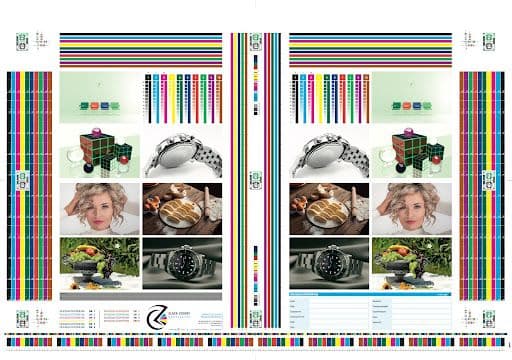
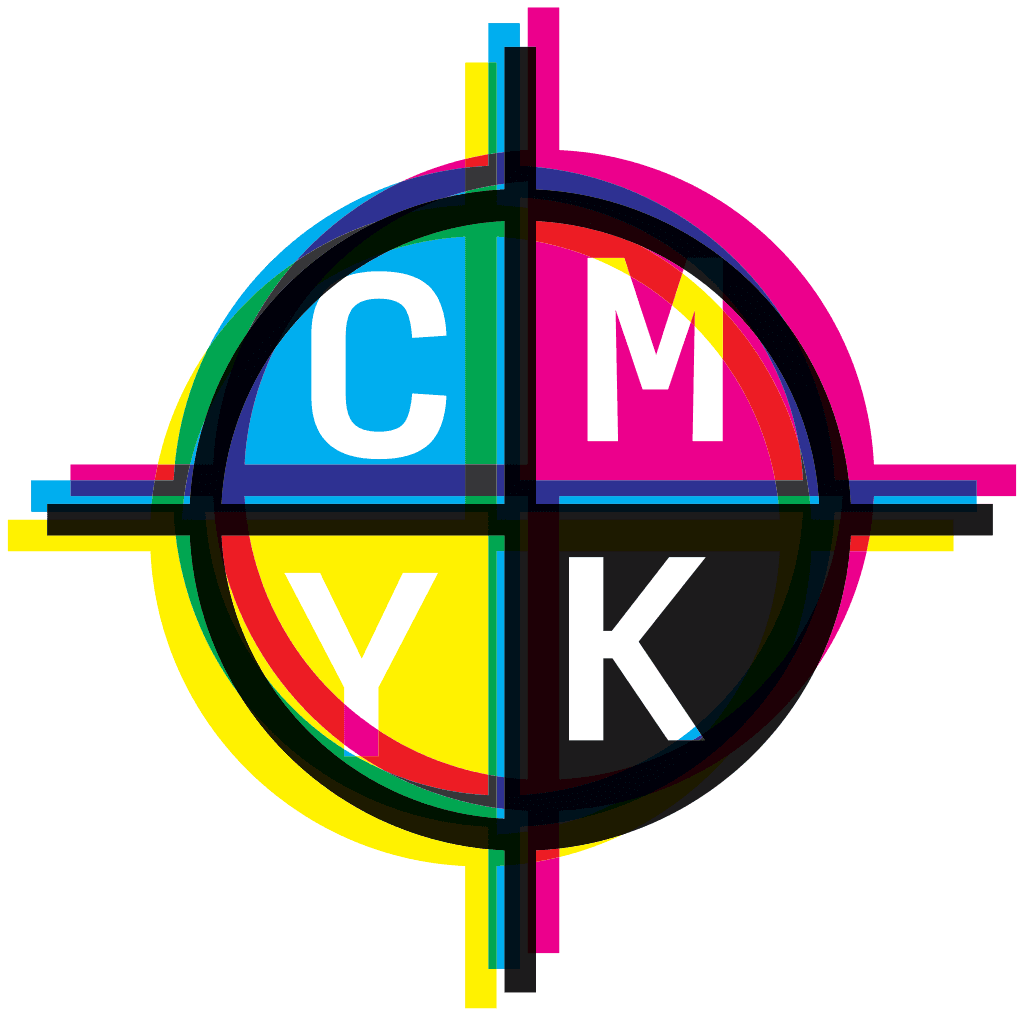
Basically, printing expresses colors by overlapping different inks. In color prints, you may sometimes see yellow or pink slightly sticking out around the edges of an image, making it look distorted.
To prevent this, during printing registration marks called “dombo” are printed together, usually with a circle centered on a crosshair at each corner of the sheet. Checking whether these registration marks are aligned precisely without color shift is called checking the “alignment.”
 wikipedia
3. Typos
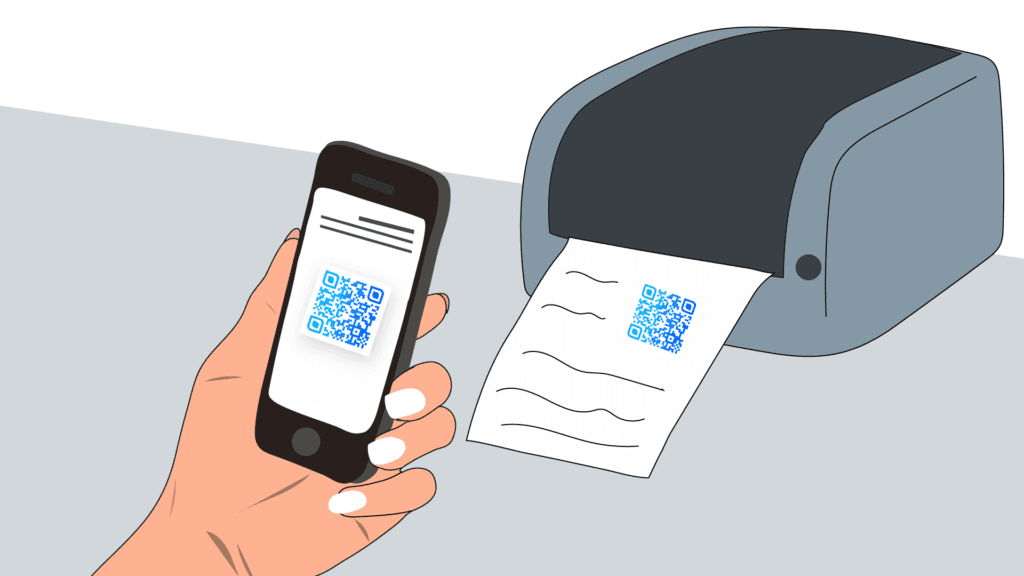
Of course, basic typo checks should already have been completed during the design process, but surprisingly, many issues only become noticeable after the printed piece is in hand! Even if it’s not a typo, there may be problems such as text that is difficult to read or barcodes and QR codes that don’t scan properly so careful rechecking is necessary.
 uniqode
4. Color
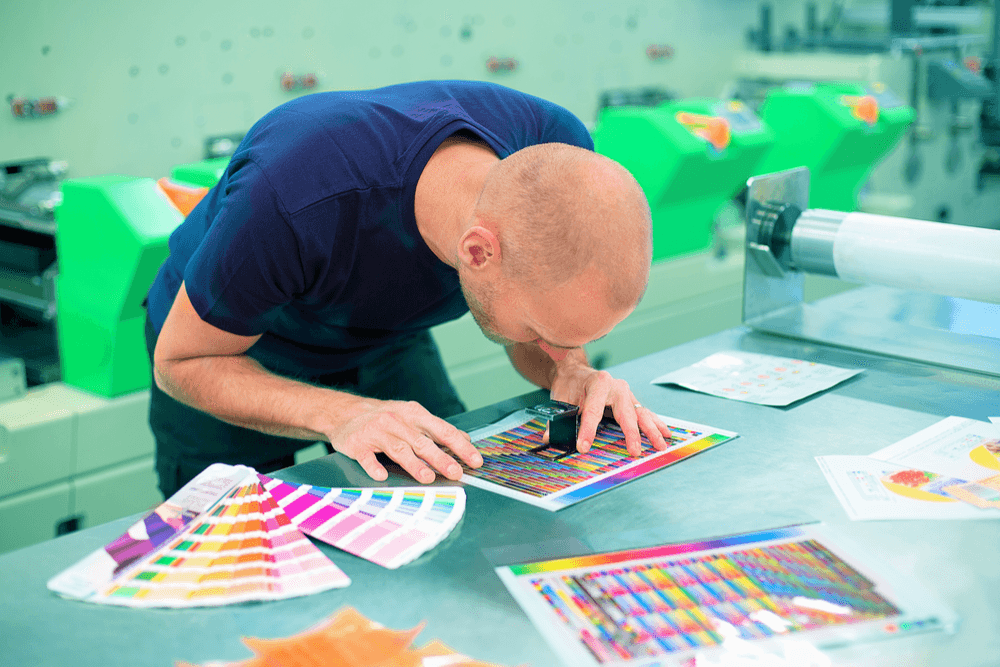
Usually, after checking the paper, alignment, and typos, the color check comes next. But this is the stage that can truly be called the core of print proofing.
That’s because color checking is essentially a “subjective” area that can be perceived differently by each viewer. Even if you define and communicate the desired color numerically with precision, the color can still vary slightly depending on the color of the paper, the texture of the paper surface, and the characteristics of the printing machine. Colors can change slightly. So color proofing is also an area that requires some compromise.
 doubleapaper
5. Finishing
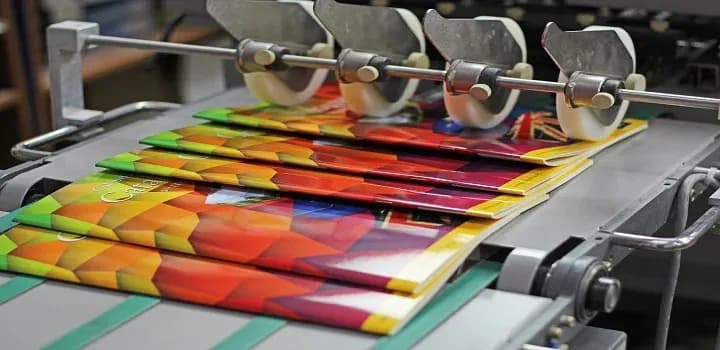
If post-processing is added after printing, one more step must be checked. This is because the saturation or brightness of the color may look slightly different before and after coating. So, not only should you verify that the finishing itself was done properly, but after all finishing is complete, you should do one final check to make sure every proofing item from 1 to 4 is still fully satisfactory. That’s when proofing is truly complete!
 parchmentuk
Things to Keep in Mind During Print Proofing
1. Communication with the press operator
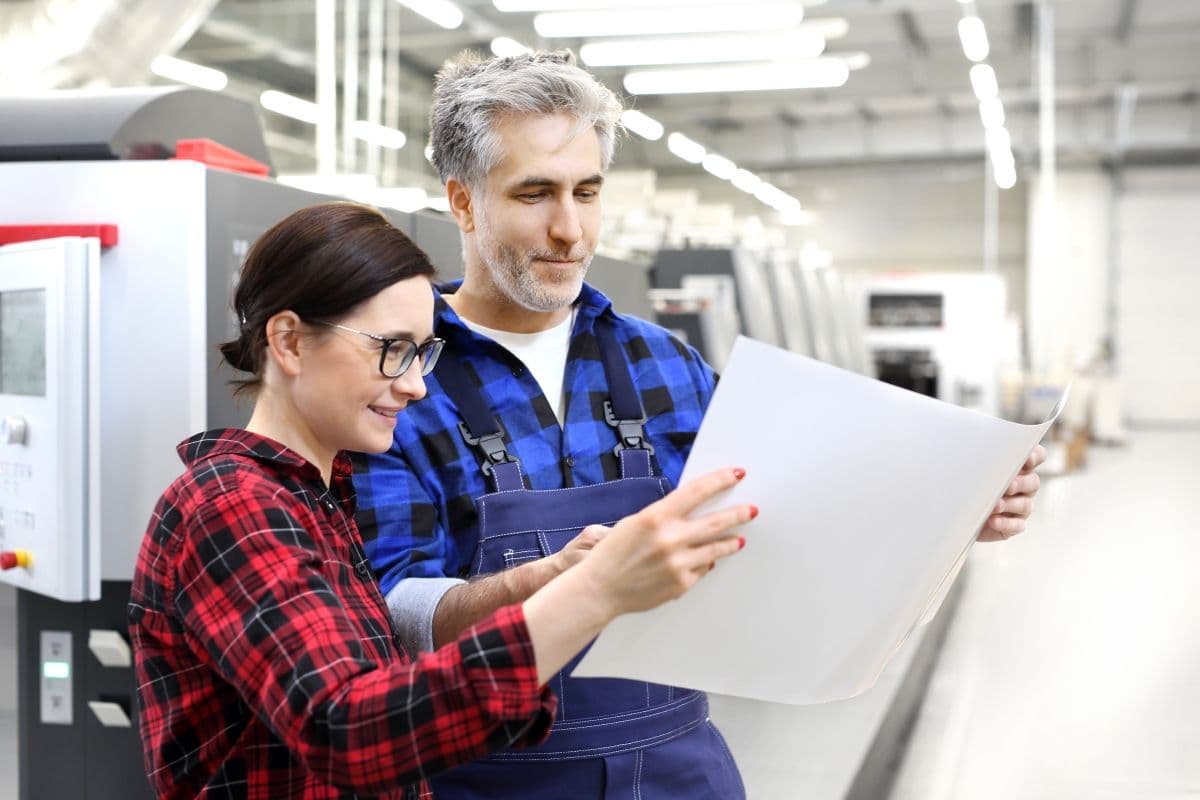
There are a few things many people easily overlook during print proofing. One of them is communication with the press operator. It’s important to check the proof carefully, but that’s not all! A press operator is a specialist who, after at least 3 to 6 years of training, earns the qualification to take responsibility for operating the printing press. In fact, when you trust the operator’s experience and skill, respect their opinion, and communicate actively, the chances of a good print result are higher!
 workbc
2. Avoid excessive delays
This is another common mistake many people make during printing. Being late for the appointment or taking too long during proofing can cause significant damage to the printing company. Of course, it’s not easy to review a print proof quickly, accurately, and thoroughly from the start, but it is essential to understand that you still need to keep the schedule to some degree!
 rsiconcepts
Print Proofing Feels Too Complicated?
How do you feel? You finally finished the design and handed the completed file over to the printing company, but there are still this many steps left — doesn’t it feel overwhelming? Is it possible to skip the proofing stage altogether?
If you’re unsure, try producing your packaging and printed materials with Packative, where color expression is handled in detail from the very beginning. Experience a practical packaging production process where customization and expert craftsmanship come together!