What’s Wrong with Overpackaging? Why It’s Bad and Practical Ways to Solve It
As environmental issues become more visible and more urgent, people no longer see the climate crisis as someone else’s problem or something far off in the future. We affect the environment simply by living our daily lives—not necessarily by doing anything extraordinary. That’s why we need to pay attention to everything around us. One issue that has a major environmental impact while staying closely tied to everyday life is overpackaging...
 Source: cubouldersustainfood
As environmental issues become more visible and more urgent, people no longer see the climate crisis as someone else’s problem or something far off in the future. We affect the environment simply by living our daily lives—not necessarily by doing anything extraordinary. That’s why we need to pay attention to everything around us. One issue that has a major environmental impact while staying closely tied to everyday life is overpackaging. Overpackaging products harms sellers, buyers, and everyone else involved in the process. So what exactly makes overpackaging so bad, and what are some practical alternatives? Using eco-friendly packaging materials? Reducing plastic? Let’s take a closer look.
The relationship between environmental issues and marketing
What Is Overpackaging?
 hbr
hbr
The problem is not packaging itself. Packaging is essential because it protects the contents, provides product information, and to some extent helps attract buyers. So “underpackaging” is not an alternative.
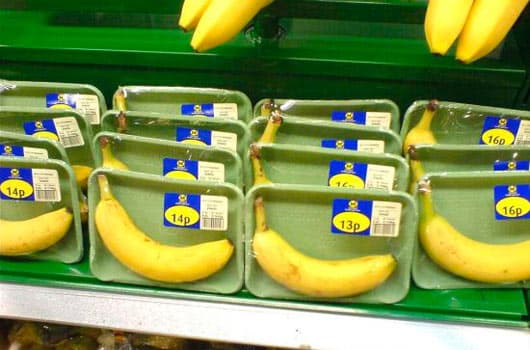
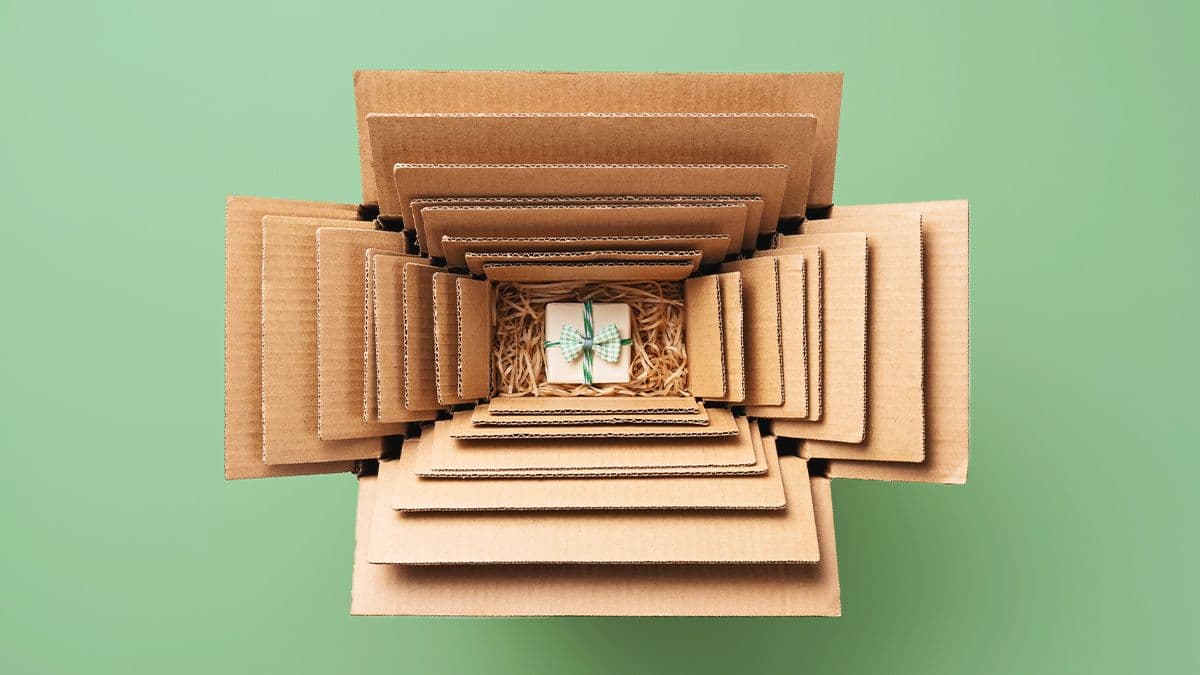
Overpackaging basically means wrapping a product in unnecessary layers. This is especially common when selling food, cosmetics, and clothing. Of course, there are situations where extra packaging is unavoidable. For example, when shipping fruit, stabilizers may be used to keep it from shifting around and getting damaged inside the box. But adding more packaging than necessary simply to make a product look fancier creates unnecessary waste and pollutes the environment. According to the Ministry of Environment, packaging waste accounts for as much as 40% of all household waste, so this is clearly a serious issue.
Why Overpackaging Is Bad
Efforts to avoid overpackaging are already well underway. But the more attention this issue gets, the easier it is to forget exactly why overpackaging is bad in the first place. If we understand the real reasons it’s harmful, we can also put the right solutions into practice. Generating more waste is not the whole story.
1. A Negative Consumer Experience
 cityoftioga
Overpackaging is usually done to capture consumers’ attention. But in the end, it often leaves consumers with a negative experience. A full, beautiful package can certainly make a strong first impression. But once the buyer has to tear off the wrapping, open the box, remove the Styrofoam, peel off the plastic, and finally face the contents that are tiny compared to the packaging, they are likely to feel deceived. On top of that, they are the ones left to deal with all the waste. The more aware consumers are of overpackaging and environmental issues, the more unpleasant this experience becomes.
2. Higher Costs

It is the seller who has to buy all the packaging materials used for overpackaging. In particular, when many packaging materials are used for online delivery products, the larger volume and weight of the packaged goods increase labor, transportation, and processing costs. Naturally, as production costs rise, product prices rise as well. The more packaging used, the longer the packaging process takes, so production and delivery times also increase. In the end, overpackaging comes at the consumer’s expense.
3. Harmful Environmental Impact
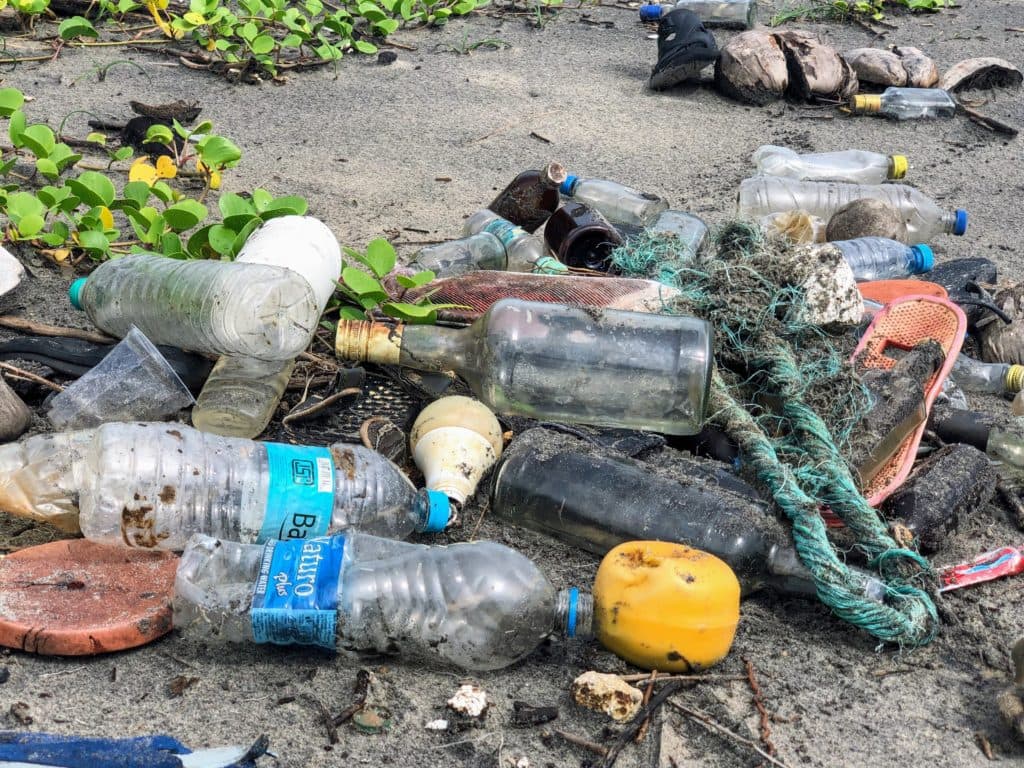
Of course, the environmental impact is the main reason we need to stop overpackaging right away. The material most commonly used in overpackaging is plastic. In reality, most plastic is never recycled and simply accumulates on the planet. According to a Greenpeace report, only 9% of plastic waste is recycled, 12% is incinerated, and 79% ends up in landfills. Incinerating plastic releases carbon dioxide and pollutes the air, while plastic buried in landfills does not decompose for 500 years or more and causes soil contamination. Creating all this waste simply to “bulk up” a product, without even using it for any real purpose, is a very serious problem.
If you want to learn more about overpackaging
Some Practical Alternatives We Can Take
Solving the overpackaging problem is not as simple as it sounds. As long as we live, we still need to consume goods, and the e-commerce market keeps growing. Even environmentally conscious consumers cannot buy everything in person and carry it home in a bag. So what practical alternatives are there?
1. Use Sustainable Packaging Materials
 Source: purepolymers
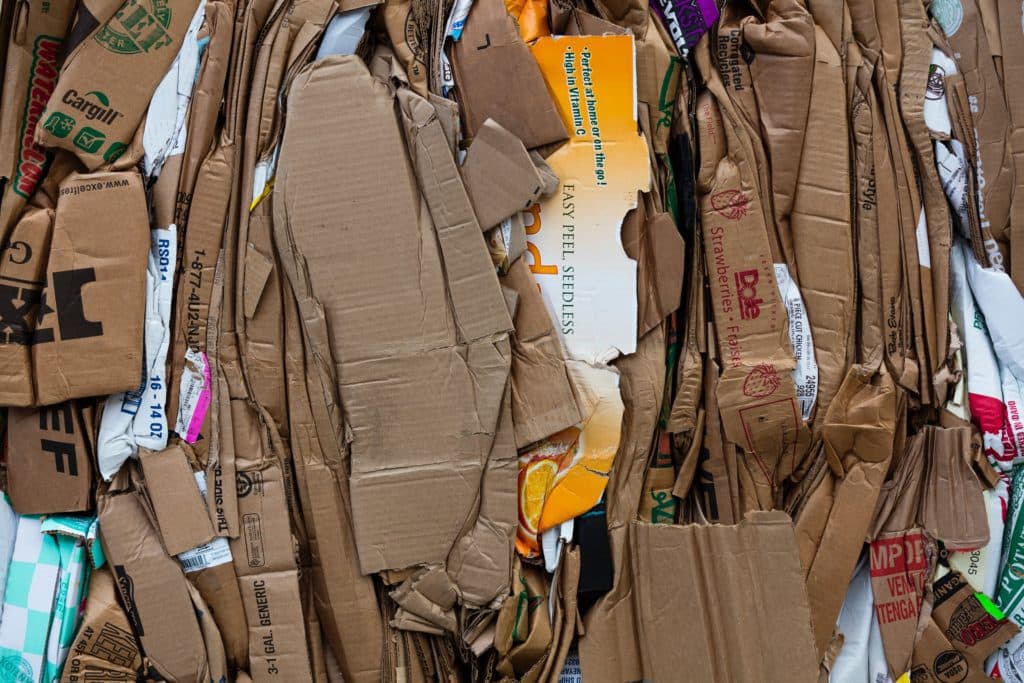
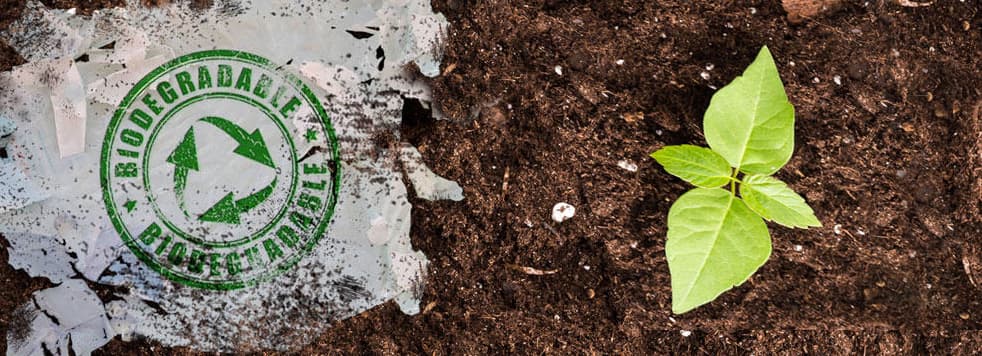
The first possible alternative is to change the packaging material. Since plastic is what causes the most serious problems, switching from conventional plastic to biodegradable plastic or paper can maintain the necessary packaging function while greatly reducing environmental pollution. Using eco-friendly packaging materials also helps improve brand image, which is why many sellers are already using this approach.
How are eco-friendly boxes made?
2. Use Reusable Packaging
 Source: amazon
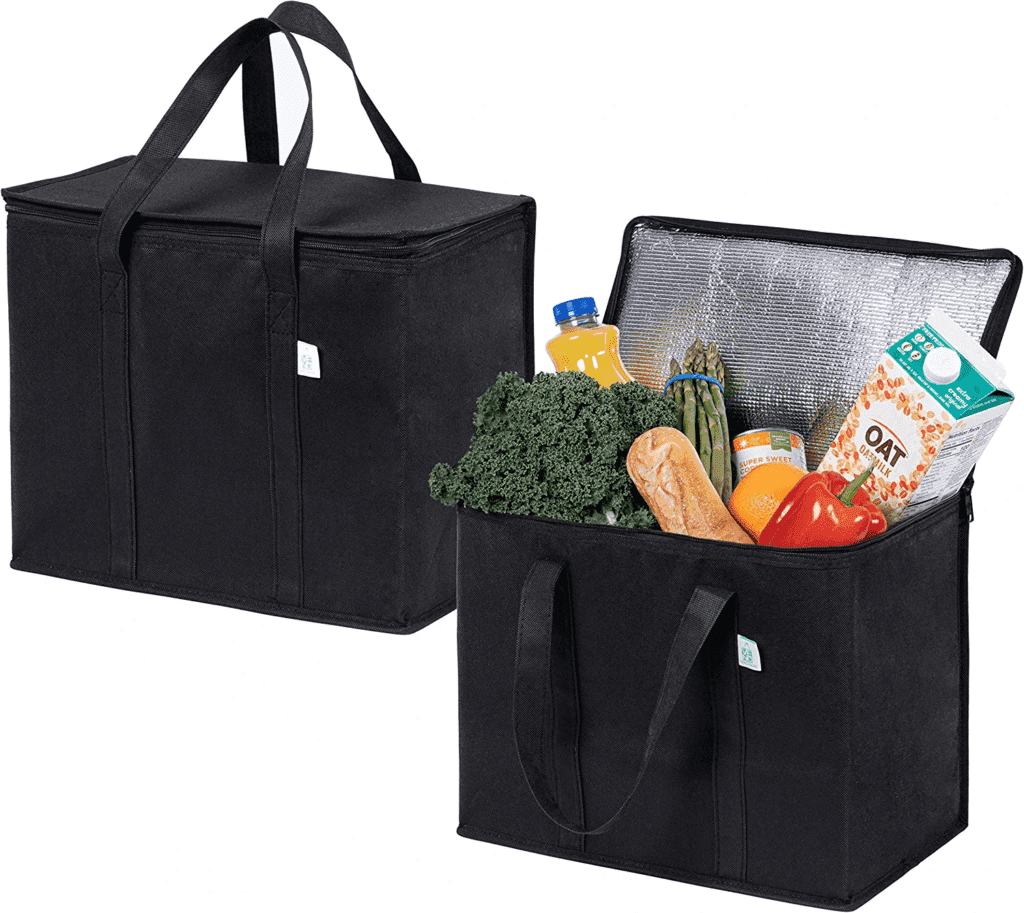
However, there has also been steady criticism that simply switching to a more recyclable material is not enough. While using eco-friendly materials is certainly much better than using ordinary plastic, continuing to consume disposable items at the current scale and pace is still hard to call a true long-term solution. That’s why, instead of using recyclable disposable packaging, another approach attracting attention is to make the package itself reusable multiple times. A representative example is the insulated delivery bag often used in early-morning grocery delivery services. When customers first use the service, they receive the bag for free or for a fee. After that, products continue to be delivered using the same bag.
3. Reduce Unnecessary Packaging
 Source: campaignlive
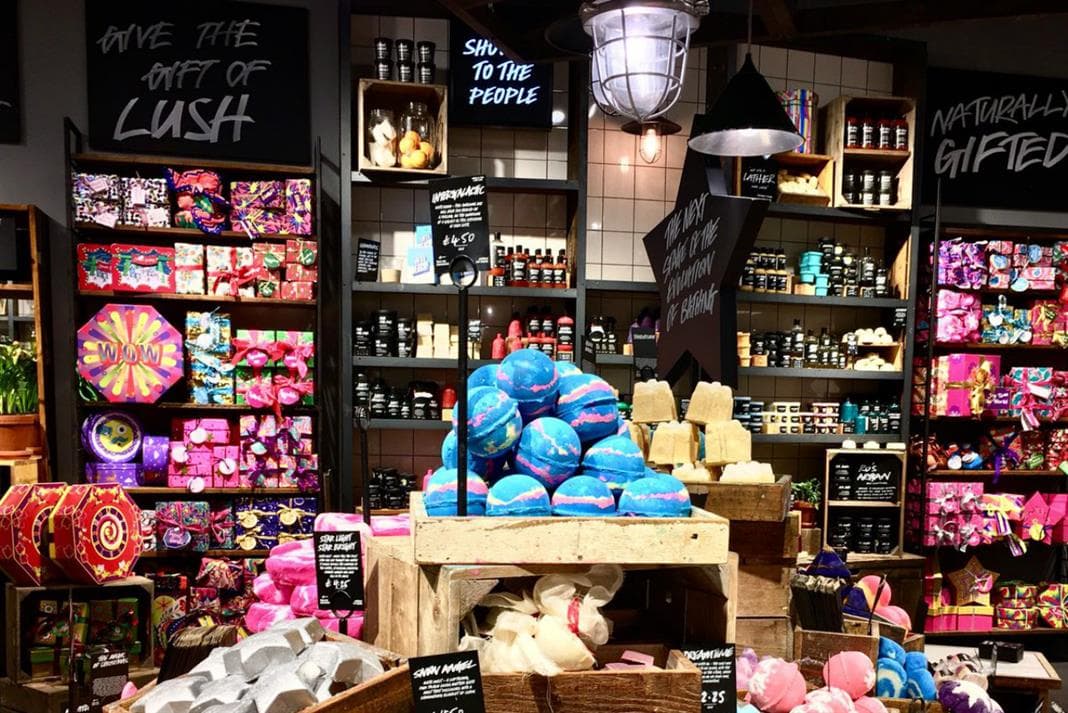
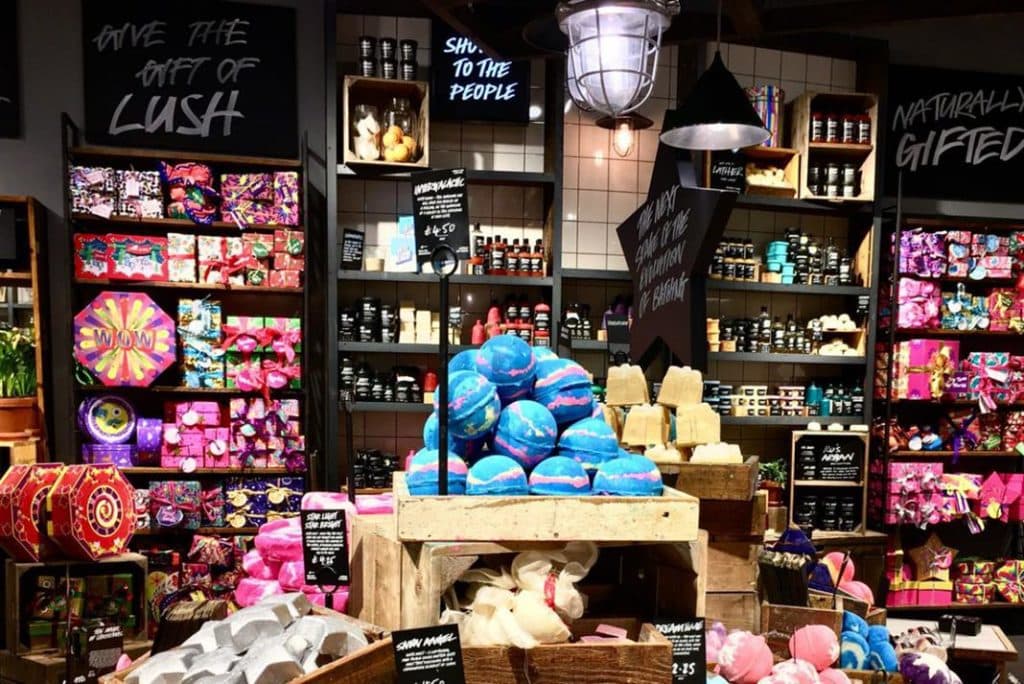
Here we have the most ideal alternative. The fundamental solution to overpackaging is simply not to overpackage. The British cosmetics and bath brand LUSH is famous for its “no packaging” campaign. It is now part of the brand’s signature style, but in the early days, it was a surprisingly bold sight to see a large bar of soap cut in front of the customer, weighed, and handed over wrapped in only a thin sheet of paper. LUSH’s packaging method is admittedly inconvenient. Even a short time after purchase, soap oils often seep out through the paper wrapping. But despite that, both the seller and the consumer choose to accept the inconvenience. The issue could be solved easily with an extra box, but instead they reduce packaging by simply not doing that.
Other brands practicing sustainability?
4. Make Boxes with Eco-Friendly Settings at Packative

We’ve introduced a few methods, but for small sellers, there may seem to be no realistically applicable alternative right away. If you want to preserve the promotional power of a well-designed package while also reducing environmental pollution caused by overpackaging, what should you do?
At Packative, we offer a custom packaging production service that lets you choose and customize a wide range of options. If you select the “eco-friendly setting,” you can produce boxes using Naturepack, a paper made from bamboo pulp that is biodegradable.
Don’t worry—this eco-friendly paper also comes in a variety of colors, from white to brown. Now you can choose an eco-friendly option even when producing stylish product boxes in small quantities!