What Should You Watch Out for in Full-Color Solid Printing / Flood Printing?
Hello, this is Packative. If you’ve ever prepared packaging or printed materials, you may have come across the terms “solid printing” or “flood printing.” Today, we’ll explain what solid printing means and summarize the key precautions you should know before printing. We’ll also look at the Japanese-derived printing terms commonly used in the industry and what they mean ...
Hello, this is Packative.
If you’ve ever prepared packaging or printed materials, you may have come across the terms “solid printing” or “flood printing.”
Today, we’ll explain what solid printing means and summarize the key precautions you should know before printing.
Japanese-derived terms commonly used in printing
When working on print jobs, you may notice that unfamiliar Japanese terms such as 베다, 게또바시, 오시, 도무송, 미싱..등의 생소한 일본어의 사용이 많은 점을 느낄 수 있는데요. The reason Japanese terms are widely used in the Korean printing industry is that modern Western printing technology was introduced to Korea through Japan from the late 19th century to the early 20th century.
| Korean | Japanese | Meaning |
|---|---|---|
| Solid printing, flood printing | 베다(ベタ) | Printing at 100% density |
| 게또바시 | 게또바시(蹴飛ばし) | Plastic vacuum forming |
| Crease line, pressure mark | 오시(押し) | A pressed line on the folding area |
| Thomson, shape cutting | 도무송(トムソン) | A method of cutting or die-cutting into a specific shape |
| Perforation, tear line | 미싱 (ミシン) | Creating a perforated tear line |
What is solid printing?
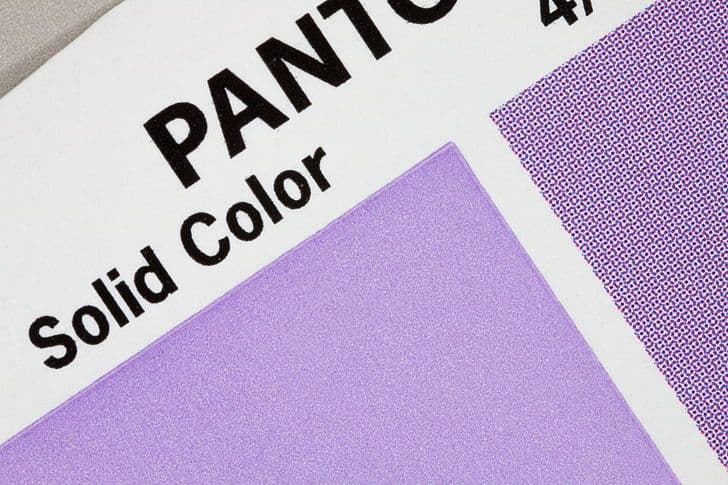
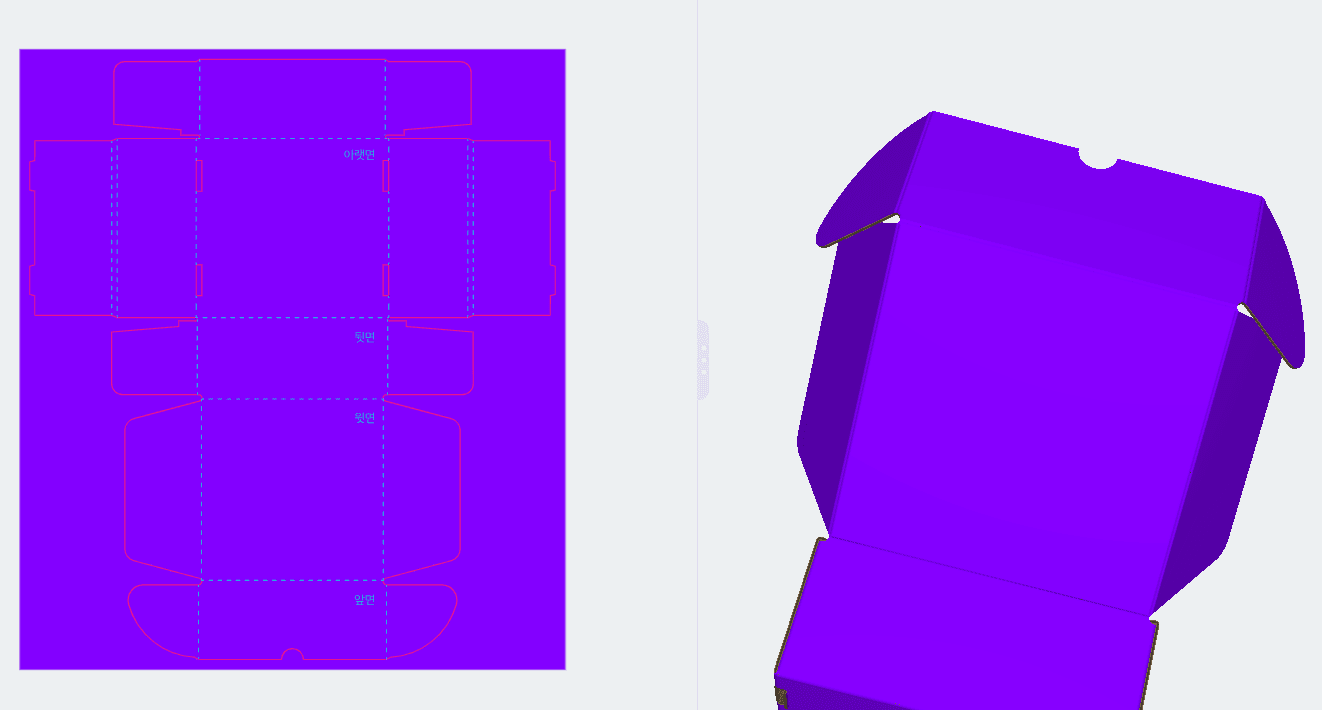
“베다” is a printing term derived from the Japanese word “beta (べた),” and it refers to a printing method that fills more than 60–70% of the printable area with ink. It means printing a solid area at 100% dot density so that the halftone dots are no longer visible, and it is mainly used to create background colors or express large areas in a deep, rich tone.
When is solid printing a good choice?
- When you want to emphasize your brand color
- When you need premium printed materials such as store displays or shopping bags
- When designing packaging that uses a simple logo and strong color combinations
What should you be careful about with solid printing?
Full-color solid printing can create visually striking results, but because there are many variables that can affect print quality, caution is needed.
☑️Ink drying time and set-off
Because solid printing uses a large amount of ink over a wide area, drying time becomes longer, and problems such as prints sticking together or ink smudging can occur, leading to set-off.
💡How to solve it
- Minimize unnecessary solid areas
- Consider printing methods with fast drying, such as UV printing
☑️Color variation and blotching
When a single color is printed over a large area, differences in ink density can make the color look blotchy or dull.
💡 How to solve it
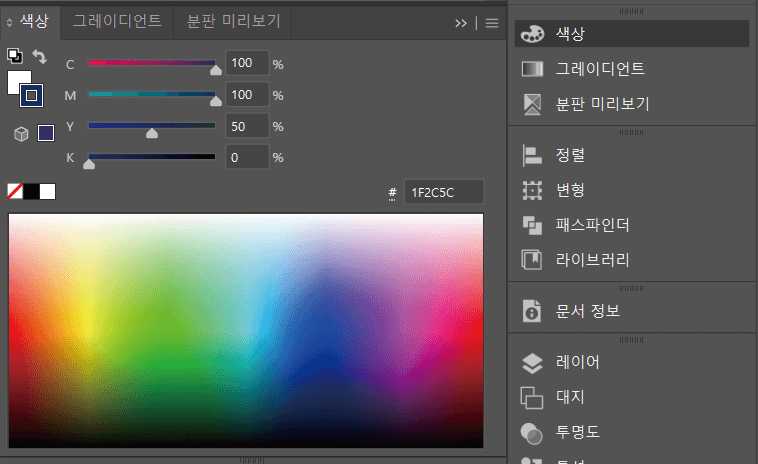
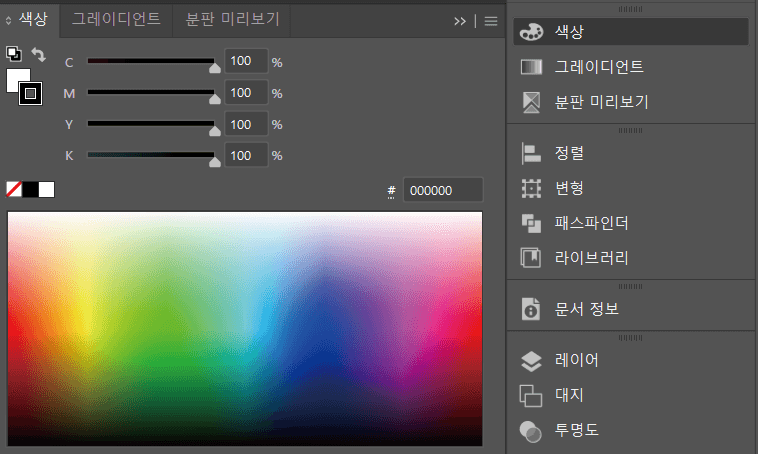
- When using CMYK combinations, adjust the total ink coverage so it does not exceed 250%
Example)
⭕ C100 + M100 + Y50 + K0 = Total 250%
❌ C100 + M100 +Y100 +K100 = Total 400% → Risk of blotching due to excessive ink
If this is your first time producing packaging, you probably have even more to think about. Visit the Packative website to explore more production methods and real-world project examples.🔎
🔽Go to the Packative website🔽
Custom packaging 3D design & production, fast and easy! | Packative
🔽Request a quote for custom box production🔽
Real-time quotation inquiry for custom box production | Packative