Why Should You Make Small Batches of Packaging Boxes?
Have you ever needed to produce product packaging, only to be surprised by an order minimum that was far too large? For small businesses or event-based product packaging, there are cases where you need to produce small batches of packaging, from a few dozen to a few hundred units. As production quantities increase, the unit cost goes down, but if unnecessary box inventory piles up...
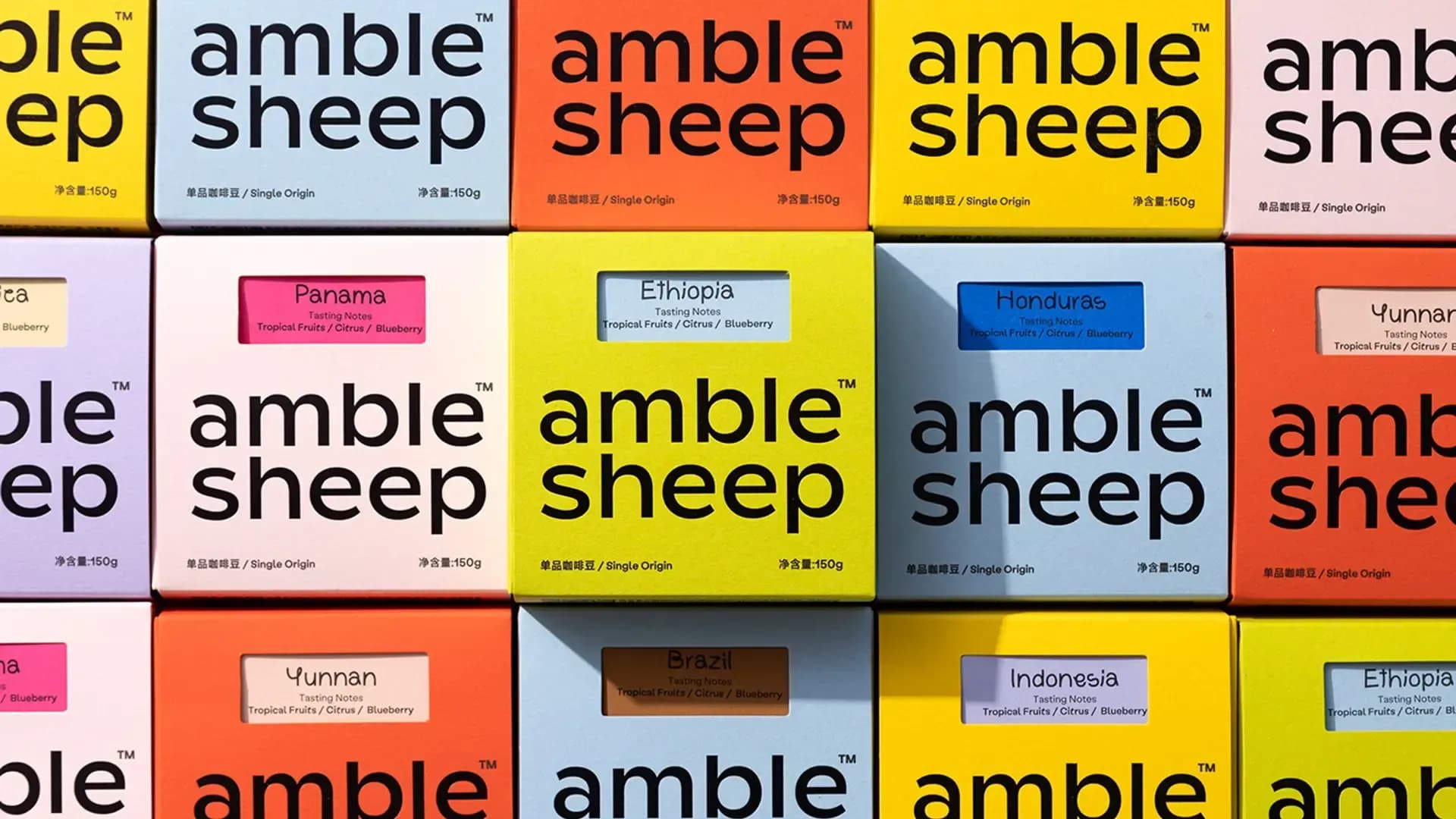
Have you ever needed to produce product packaging, only to be surprised by an order minimum that was far too large? For small businesses or event-based product packaging, there are cases where you need small-batch packaging production from a few dozen to a few hundred units. As production quantities increase, the unit cost goes down, but if unnecessary box inventory piles up, it can end up being a loss. So, what are the benefits of producing packaging in small quantities? And what should you watch out for when ordering small-batch boxes ?
 thedieline
The Importance of Small-Batch Packaging Box Production
Small-batch packaging production is economical because you can avoid creating unnecessary box inventory as long as you know exactly how many boxes you need. In addition, you can save on logistics costs associated with storing surplus inventory. Producing packaging in smaller quantities is also environmentally friendly because it reduces paper and ink usage.
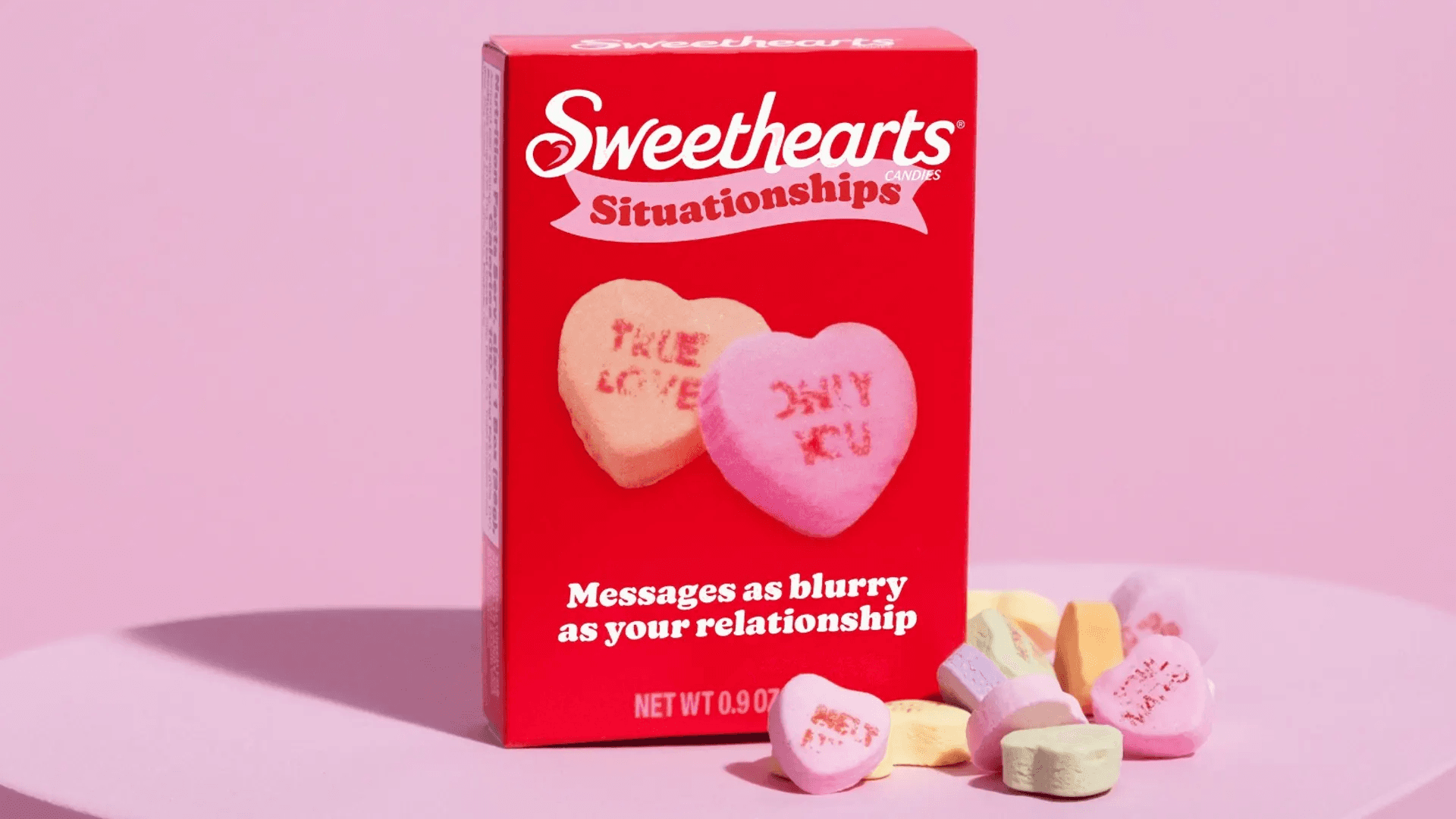
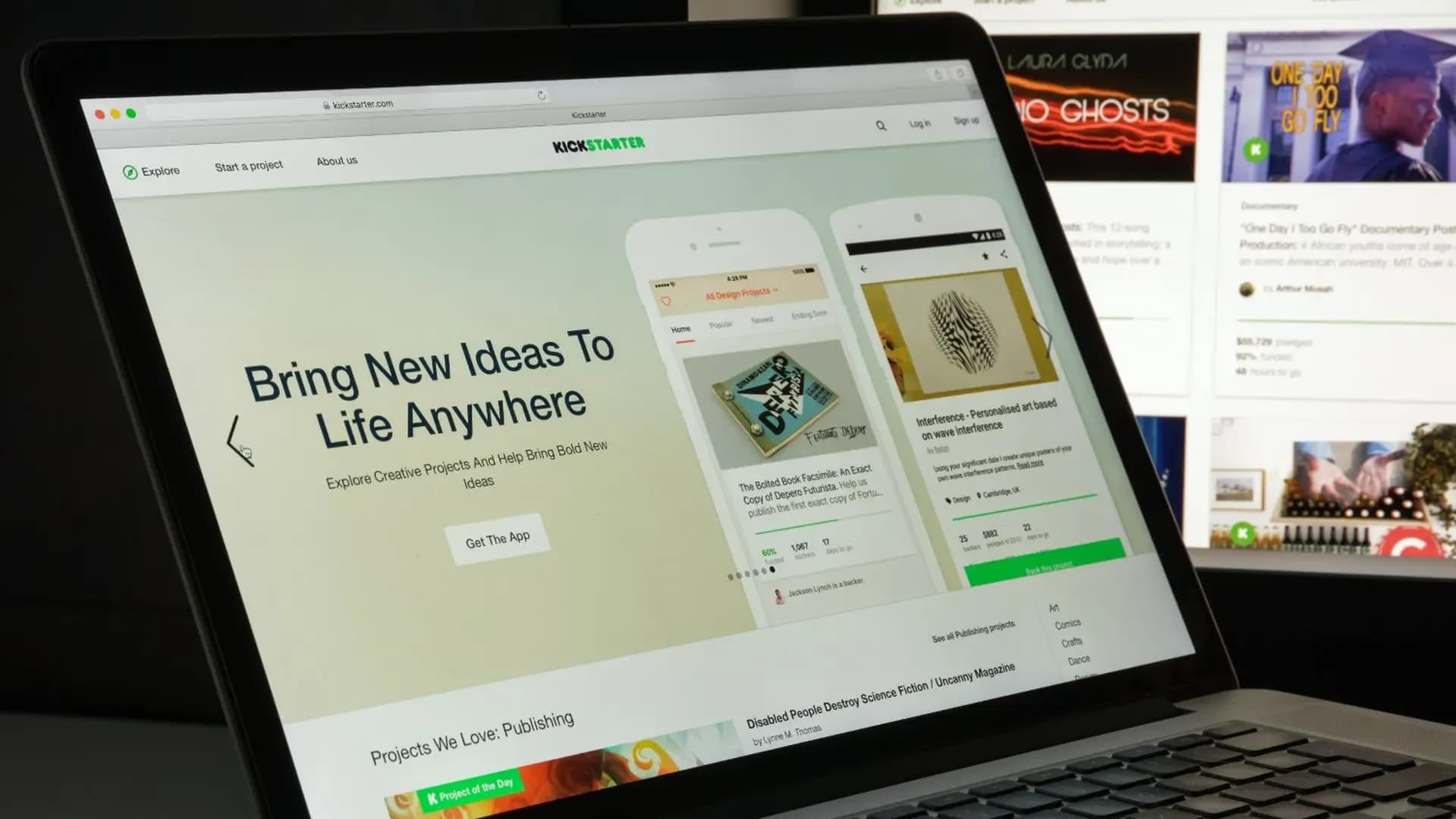
When producing product packaging boxes, orders are often only available starting at a minimum of 1,000 units. But there are many situations where far fewer boxes are needed. For example, before launching a new product, you might test sample products to gauge customer response first, or you may have a crowdfunding product whose sales volume is difficult to predict. In situations like these, using small-batch box production, which lets you quickly assess demand and produce packaging flexibly, can be a smart solution.
 thedieline
Material Selection Process for Small-Batch Packaging
When deciding what kind of box to produce, the first thing to consider is the material. The packaging material you choose determines the box’s purpose and function in many different ways. Especially when ordering custom packaging in small quantities, the intended use is usually clear, so you need to examine the box material and type more carefully before making a decision.
When ordering custom packaging boxes, you generally choose from three main types: paper boxes, corrugated boxes, and rigid boxes. Paper boxes are the most basic and simple type, literally made of paperboard. Corrugated boxes are typically used when packaging needs to be sturdier than paper boxes and are commonly used as shipping boxes. Rigid boxes are made with two layers, making them more durable and used for premium packaging.
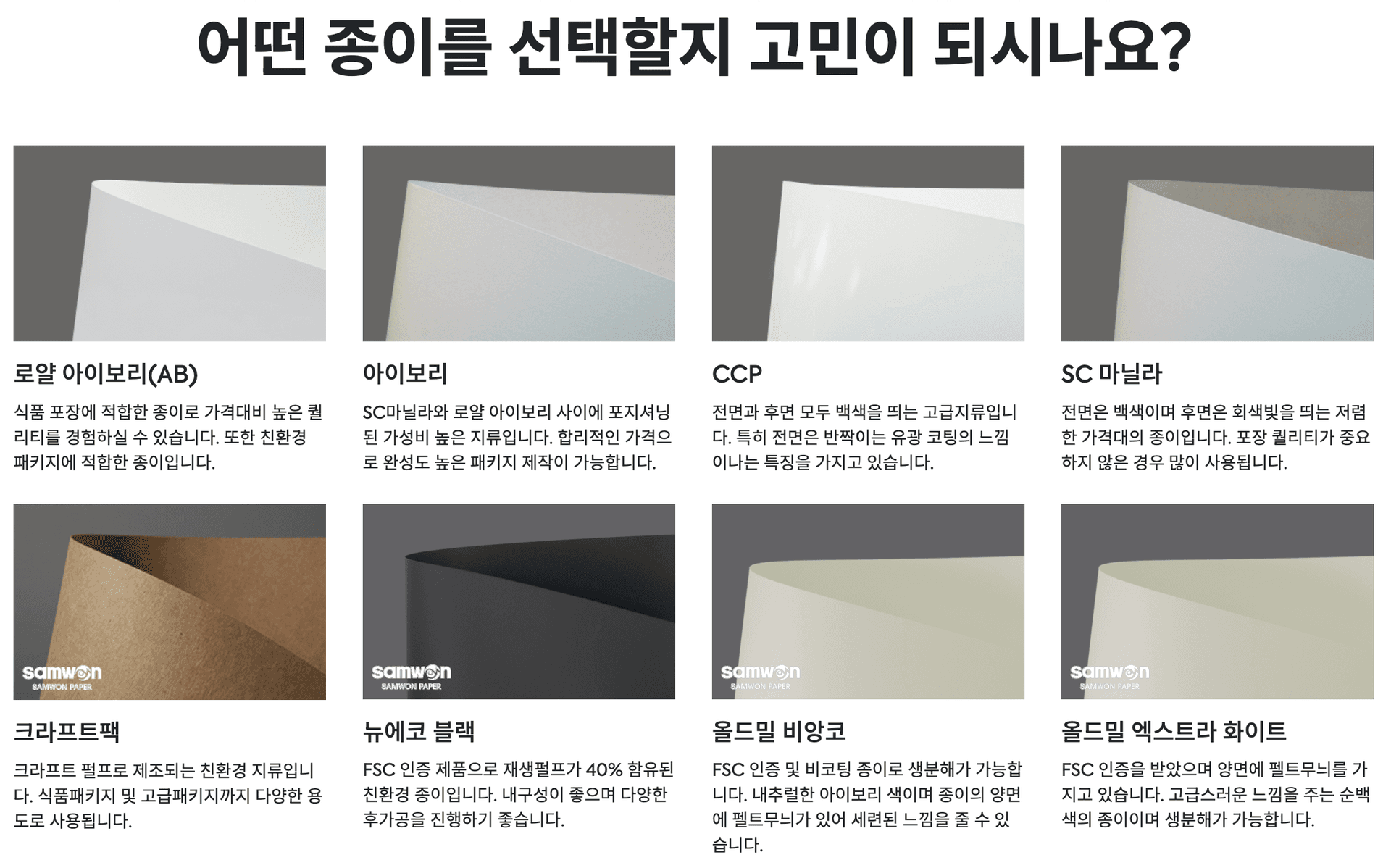
Meanwhile, it is a common misconception to think that paper boxes are always cheaper and thinner than corrugated or rigid boxes. That’s because packaging boxes are made not from ordinary paper we use every day, but from “paperboard,” which is constructed by layering paper or pulp. There are also many types of paperboard, such as Royal Ivory, Ivory Board, CCP, and SC Manila. Since each differs slightly in color, thickness, unit cost, and texture, be sure to check carefully!
Printing and Finishing Methods
1. Printing options and techniques
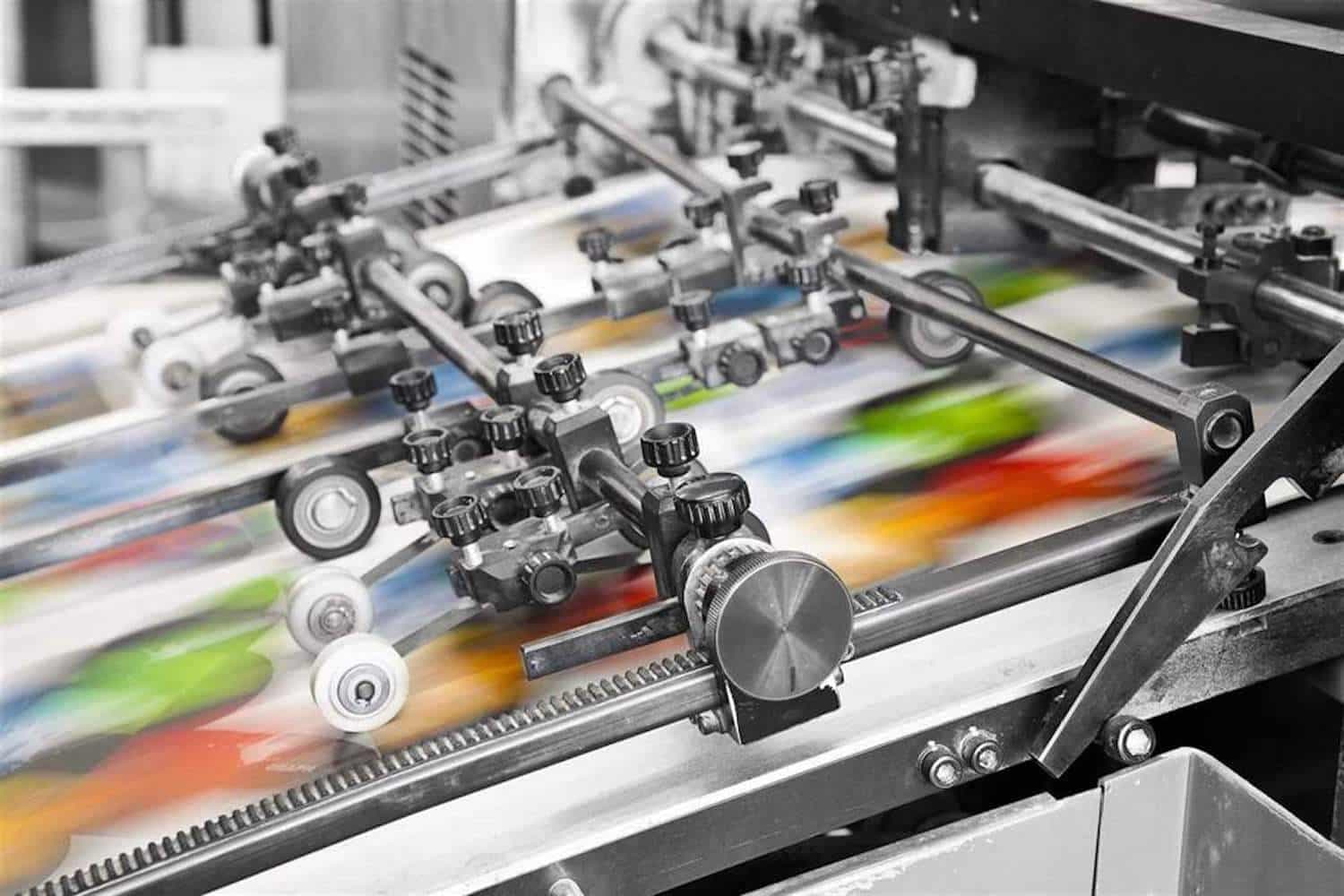
After selecting the paper, it’s time to think about how to print design elements such as text and logos. Box printing involves a variety of techniques, including offset printing, UV printing, digital printing, silk screen printing, and flexo printing. You need to check each factor one by one — how many colors you’ll use, what your budget is, how much time you have, and whether you need special printing such as curved-surface printing or special colors — and then choose the most suitable printing option.
 refinepackaging
2. Types and importance of finishing
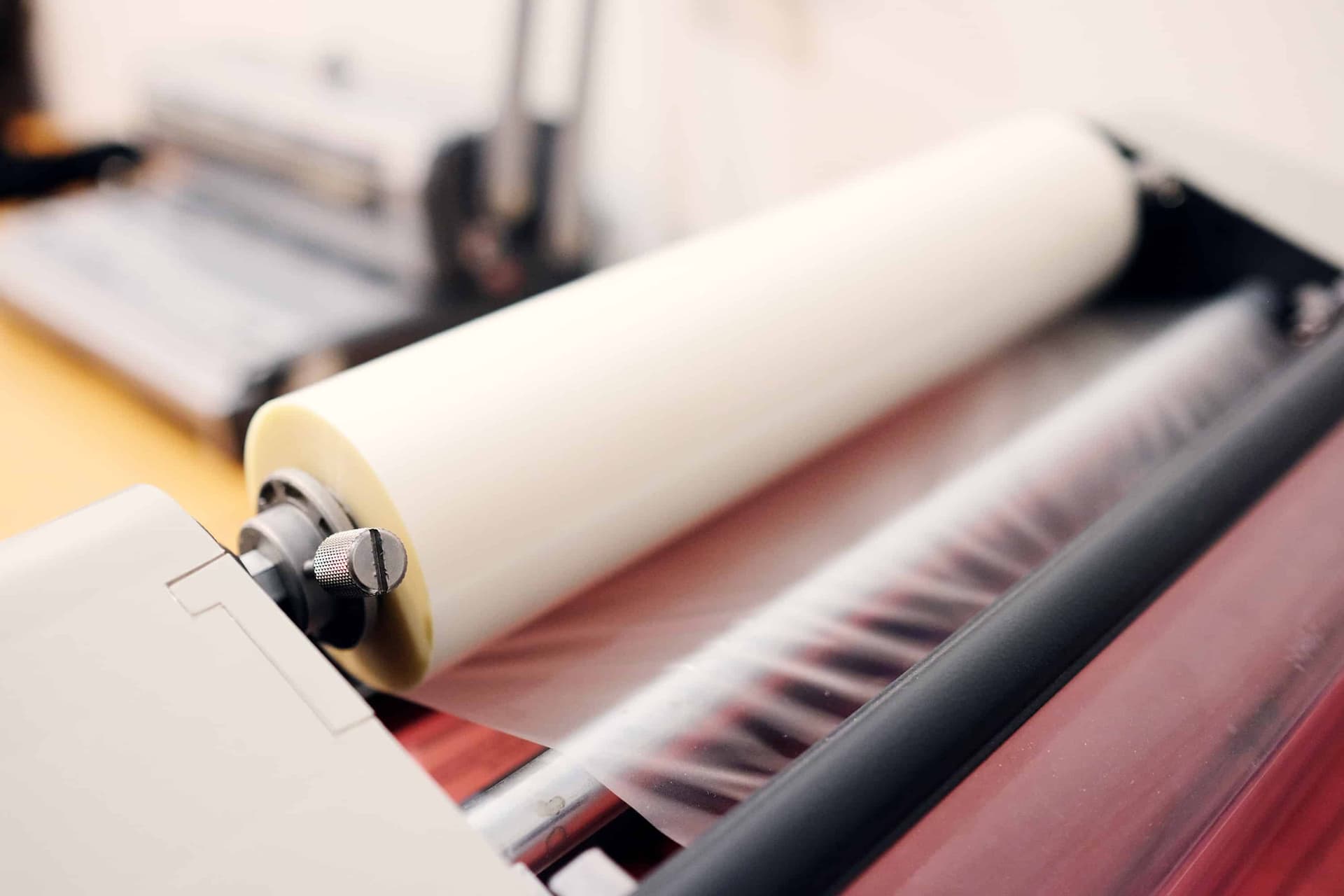
In the final stage of box production, coating is often added. This is because ink printed on paper can smudge easily due to moisture and other factors. However, when it comes to coating, you can choose between glossy and matte finishes. In other words, you decide whether you want a shiny, reflective surface or a soft, smooth texture. Or, you can choose not to coat it at all. Recently, many boxes are also finished without coating in order to preserve the paper’s natural texture or for environmental reasons.
 printivity
Budget Management and Cost-Saving Tips
If you don’t have much experience in packaging production, it’s very easy to waste budget unnecessarily. Most of the time, this happens because of excessive packaging beyond what is needed. It’s great to want to give customers a special, memorable experience, but it’s worth asking once more: “Is this element really necessary and meaningful?”
After all, extra packaging that consumers won’t remember is wasted budget in itself, and it also increases the weight and volume of the package, which in turn raises shipping and storage costs. So, the best way to reduce costs when producing packaging is to accurately determine the exact size, shape, quantity, and design of the box you need!
 crewscontrol
Conclusion: Here’s How to Order Small-Batch Packaging!
So far, we’ve covered the benefits of small-batch box production, the ordering process, and what to keep in mind. But where and how can all of this be handled? If you simply search for “custom packaging production” on a portal site, it’s hard to know which companies are actually suited for small-batch orders. For those looking for a solution, we recommend Packative! On Packative’s website, you can easily and conveniently order custom boxes in quantities under 1,000 units — and experience a fun, efficient packaging production process for yourself!