7 Strategies for Creating Sustainable Packaging
As the climate changes day by day, consumers are becoming increasingly aware of environmental issues. According to a 2016 survey by Seoul Environmental Movement Federation, 92.1% of 2,067 consumers in their teens to 40s recognized the seriousness of recent environmental problems, and 78.5% said they were willing to change their purchasing habits for eco-friendly consumption...
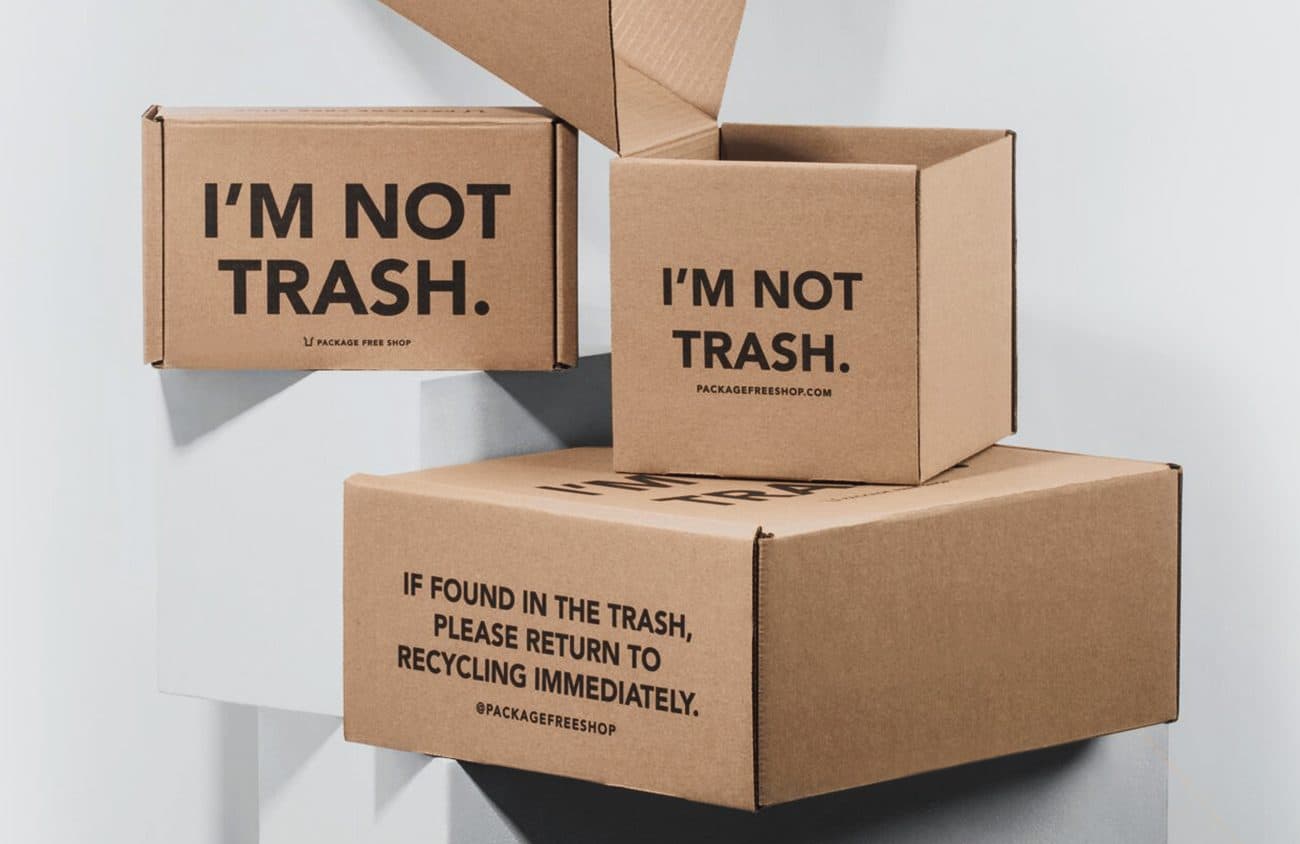
As the climate changes day by day, consumers are becoming increasingly aware of environmental issues.
According to a 2016 survey by Seoul Environmental Movement Federation, 92.1% of 2,067 consumers in their teens to 40s recognized the seriousness of recent environmental problems, and 78.5% said they were willing to change their purchasing habits for eco-friendly consumption, while 71.0% said they would be willing to pay more for eco-friendly products.
Recently, brands that provide excessive packaging have found it hard to avoid criticism from consumers. So this time, let’s introduce strategies that can help you create smart packaging for sustainable consumption.
Table of Contents
Design Strategy
- Use fewer packaging components
- Ship smaller
Material Strategy
- Avoid mixed materials
- Use recycled materials
- Explore alternative materials
Shipping Strategy
- Find local delivery partners
- Avoid excessive packaging at retail stores
Design Strategy
Use fewer packaging components
It’s time to recognize that the more packaging components you use, the greater the burden on the environment. Packaging that is shipped with excessive plastic cushioning material to protect the product not only harms nature, but also creates extra work for customers who must sort it for recycling. Cushioning should be used only as needed, and efforts should be made to find ways to protect products effectively with less material.
At Packative, create packaging designs in the right size!
Ship smaller
Regardless of product size, you should avoid shipping items in oversized boxes packed with excessive cushioning. If a small product is packaged in a large box, it can also be seen as a waste of paper and space. Customers do not appreciate large boxes taking up space at their doorstep, and it’s also worth remembering that seeing empty space inside a big box can increase disappointment.
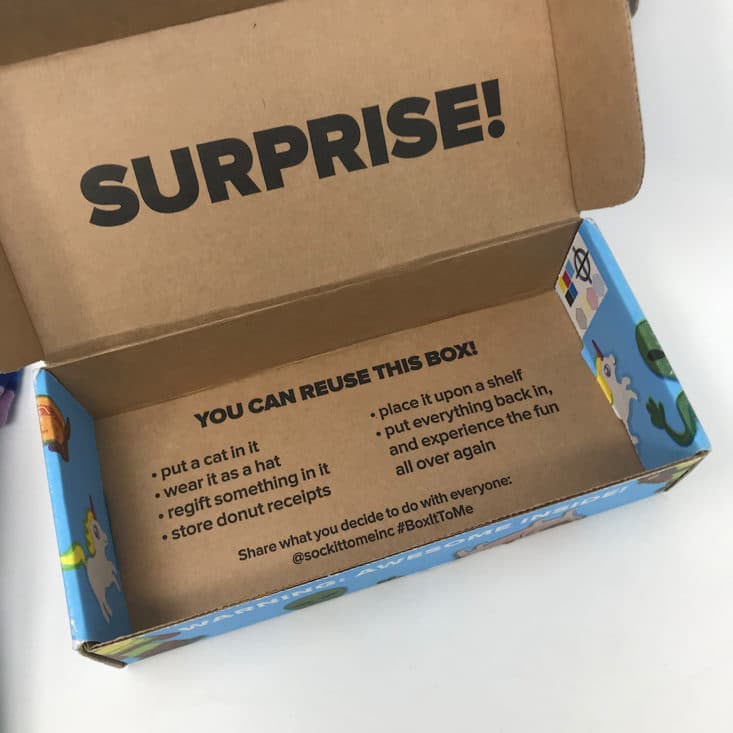 Also consider ways to keep using the box! Source: sockittome
Material Strategy
Avoid mixed materials
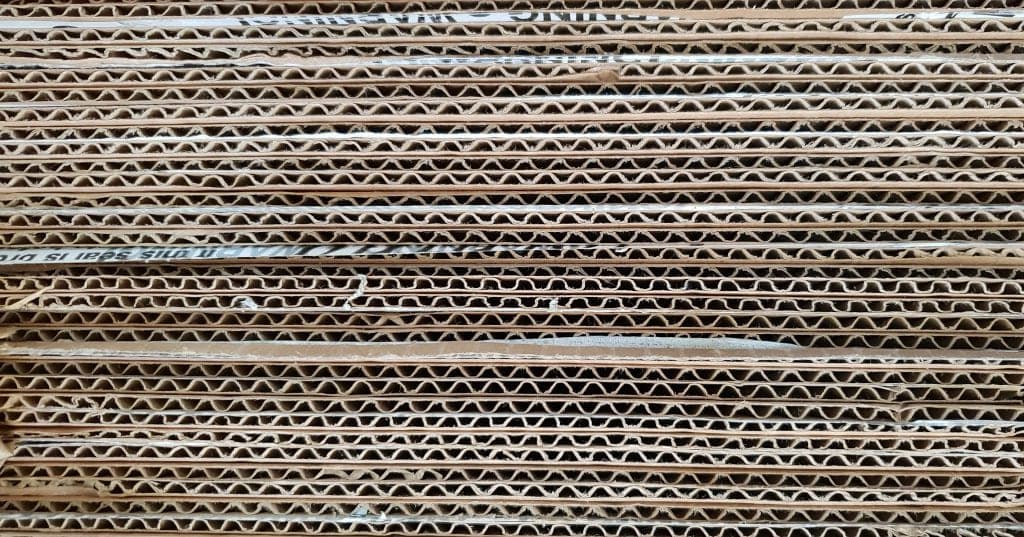
Mixed materials are known to be difficult to recycle. For example, coated paper flyers, film used in videotapes, and contaminated vinyl are not recyclable and are classified as general waste. Don’t forget that materials that cannot be recycled release many mixed substances into the air when incinerated, and buried waste can negatively affect the soil.
Use recycled materials
Using recycled materials can also be a great option for the environment. Today, you can find recycled paper in a variety of thicknesses and strengths, and as more of these materials are adopted one by one, they can help the environment compared to using new paper made by cutting down trees unnecessarily.
Must-read if you’re considering packaging production: Optimize maximum efficiency in online shopping malls with eco-friendly packaging materials
Explore alternative materials
The UK vegan cosmetics brand LUSH began using reusable cloth gift wrap to reduce plastic packaging as much as possible, and for shipping products, it uses eco-friendly cushioning made from corn instead of plastic. This cushioning dissolves quickly in water, making cleanup easy and posing no harm to the environment, which has earned strong support from consumers. Thanks to active research into new materials, it’s now easy to come across straws and tableware made from seaweed, containers made from plants such as gourds, and bioplastics made from ingredients extracted from fruits, mushrooms, and more.
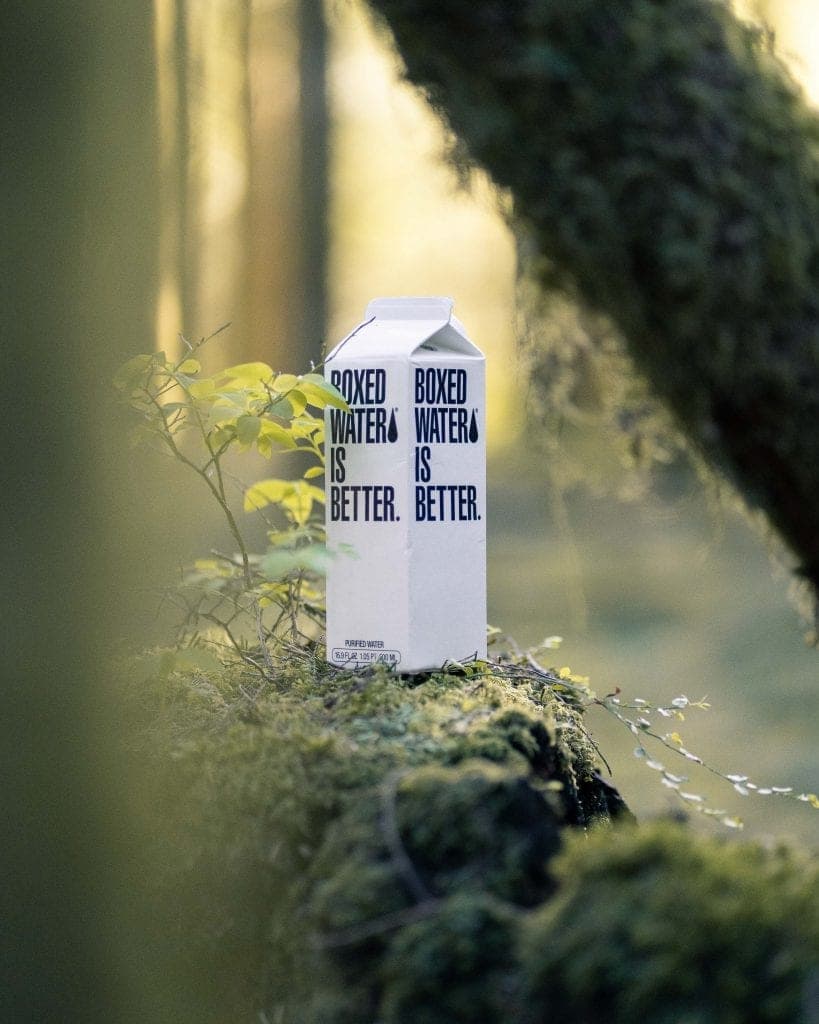 Boxed Water Is Better, which replaced plastic water bottles with paper
Shipping Strategy
Find local manufacturing partners
What if most of your shipping destinations are in Korea, but your warehouse is located overseas? It would take longer to deliver, and air pollution from transportation by planes and ships quietly harms the environment. Whenever possible, it’s better to distribute products manufactured in your own region domestically. There are plenty of ways to reduce labor and manufacturing costs, and the cost of supporting the local community and environment may not be too burdensome.
Packative is 100% made in Korea. Create your packaging design now!
Avoid excessive packaging at retail stores
Recently, the Ministry of Environment significantly strengthened regulations on disposable items, with the goal of cutting plastic waste generation in half by 2030. The changes go beyond charging for disposable shopping bags and now also regulate disposable cups and straws at cafes. These government measures can be seen as starting from concern for the environment, and until retail packaging methods—most of which are made of paper and plastic—become more eco-friendly, it is best to join efforts to reduce packaging materials as much as possible. By cutting unnecessary packaging wasted in the process of moving products to retail stores and then into customers’ hands, a great deal of resources can be saved.
Must-read if you’re considering packaging production: 9 important reasons for package design