A Basic Guide to Product Packaging Box Design - Even Design Beginners Can Do It!
Packaging is more than just a “pretty box.” A perfect product package can excite customers. Great box design is one of the easiest ways to make a good product even better. Believe it or not, product packaging design is easier than you might think. If you’re confident, try it for free right away...
Packaging is more than just a “pretty box.” A perfect product package can excite customers. Great box design is one of the easiest ways to make a good product even better. Believe it or not, product packaging design is easier than you might think. If you’re confident, try it for free right away!
Good branding through package design is essential and will help increase sales. On Naver Store Farm and other online marketplaces, it’s easy to see businesses trying to capture potential customers’ attention with attractive package designs that stand out from competitors.
A strong package and strong branding can increase repeat purchases, create stable sales, and help reduce marketing costs over the long term.
Table of Contents
- Easy-to-use package design programs for beginners
- What to keep in mind before creating package design
- Analyzing the meaning of colors in package design
- About fonts in package design
- What to prepare for great package design
Let’s learn the basics of product packaging box design!
Don’t worry even if you’ve never made a custom box before. Package design isn’t difficult. It helps to know a few basics about package design. We’ll show you the fundamental methods that make product packaging box design easy to execute, regardless of your experience level.
If you’re thinking about packaging production, this is a must-read: 9 Important Reasons for Package Design
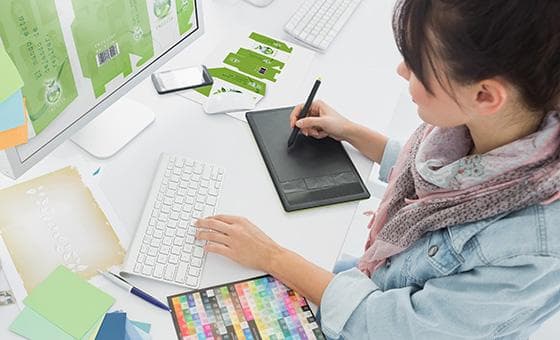
Do you need a professional packaging designer?
The answer to this question is very simple. If you can afford it, it’s definitely best to hire a packaging designer, but you can still create a simple package design without one.
There are now many solutions for product packaging design. In the past, minimum order quantities for box production were often over 10,000 units, and hiring professional designers was expensive. But nowadays, custom boxes can be produced much more cheaply and easily.
If you already have a package design, check out custom box pricing!
If you want to hire a professional packaging designer, you can find skilled freelance package design experts at relatively affordable prices on sites like Kmong or Soomgo.
If you already have some design experience, designing the box yourself is also a great option.
With a few design elements and a well-placed logo, you can quickly create a minimalist design that remains a lasting trend.
We explain in detail here how to find a packaging design freelancer online.
 Source: studio le_m / Source: studio le_m
This product is similar to Packative’s product box. Try it now!
What software do you need for package design?
To get started with package design, it’s best to use software such as Adobe Illustrator or Adobe Photoshop. Illustrator has the advantage of being able to create vector files when you need to produce 2D images from a dieline.
Curious about what your package design will actually look like? There are limits to checking font size and design structure in 2D. Even package design experts sometimes place text incorrectly while working. If you catch these mistakes before printing, it’s not a big problem, but if you find them after printing, the loss can be enormous.

If you make boxes with Packative, you can create them without those difficulties anymore. That’s because you can add design elements to the dieline and check the final box design in a 3D mockup at the same time.
With Packative’s online 3D editor, you can create easy, fast, and beautiful box designs in just a few minutes.
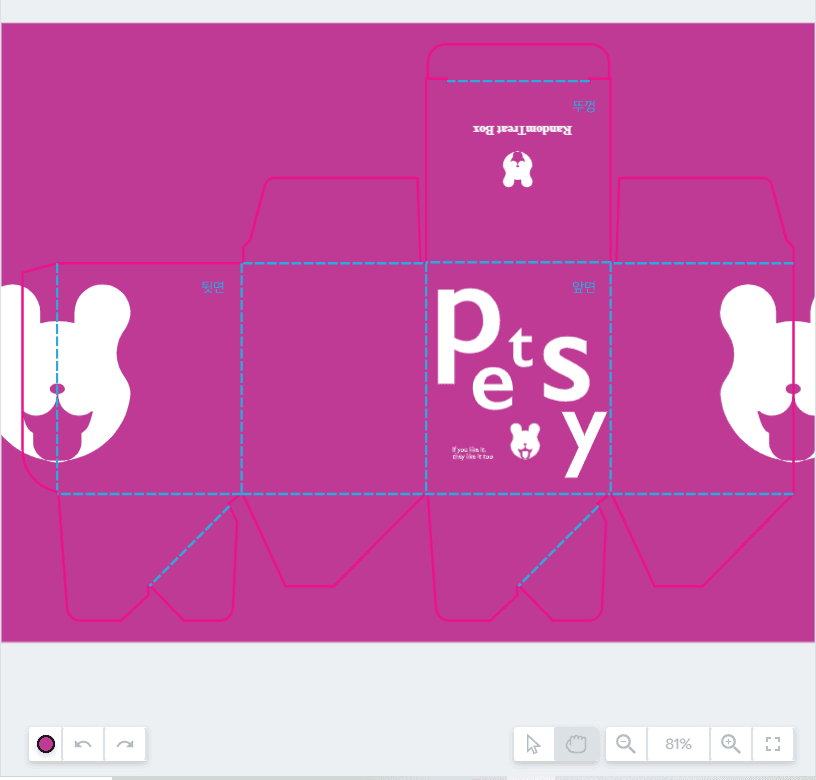
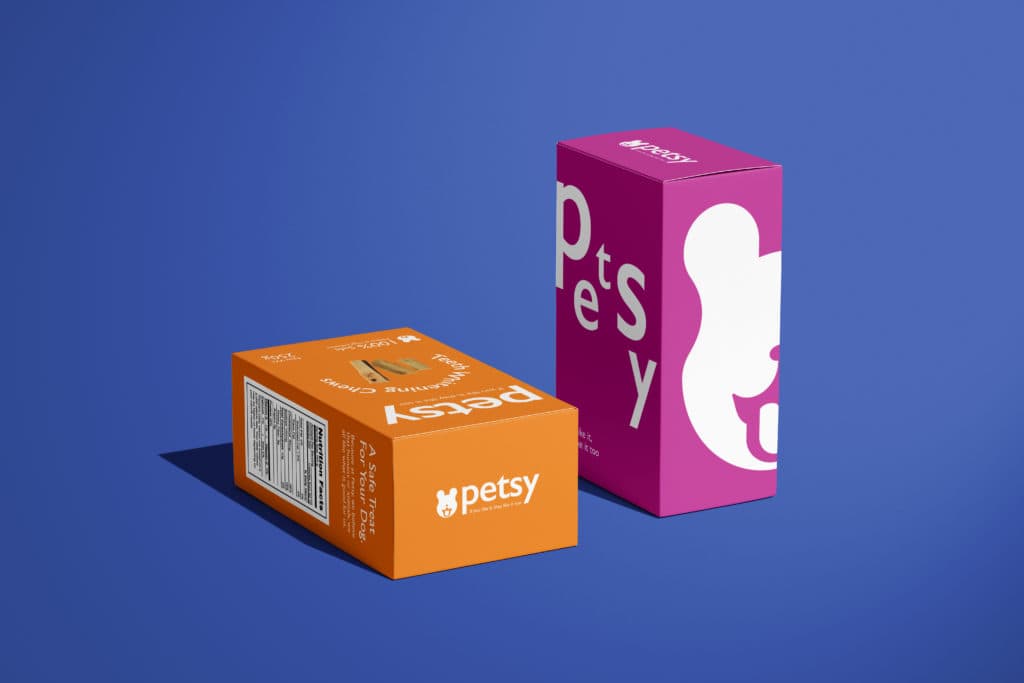
Why not start box design with Packative’s web editor, where you can check the real result in real time without having to buy expensive 3D mockup assets or use 3D rendering tools—results that were hard to verify with 2D dielines alone?
What to keep in mind before creating package design
- Focus on the customer
- Differentiate from competitors
- Explain the product’s purpose
- Consistency in design and font
- The impact of package design colors
- Brand colors at the center of package design
Focus on the customer
Business owners should generally know who their customers are. After analyzing factors such as gender, age, and financial situation, consider the package design to suit those customers. For example, McDonald’s red and yellow express energy and youth that customers can relate to.
In addition, box design should play a role in telling customers what the product contains. For example, the color of a shampoo bottle can give consumers a hint about what’s inside.
Package design should differentiate you from competitors
Products sold at retail should not just blend in with neighboring products; they should stand out. Choosing colors that differentiate you from competitors can make your product more noticeable and memorable. For example, the carbonated drink companies Coca-Cola and Pepsi use contrasting primary colors: red versus blue.
Differentiation matters online too! Must-read for store owners: The Importance of Shopping Mall Packaging Boxes (Including a Collection of Beautiful Boxes)
 Source: Rapscallion Soda©, FreytagAnderson
Use package design to explain the product’s purpose
Package design should subconsciously convey the message you want to send to the buyer. Do you want the product to be perceived as comforting, or as something playful? Is it about wellness or security? Does it evoke luxury or sophistication? For example, Apple’s classic white color is meant to convey a sense of premium quality.
If you’re interested in packaging production, this is a must-read! 5 Essential Rules of Package Design (Must Read When Producing Packaging Boxes!)
Maintain consistency in design and font
The color should work well with the package design and font choice. Although it may seem obvious, being too creative or overly expressive isn’t always necessary. The font you choose should communicate your brand’s message to buyers, and the packaging colors should align with that message.
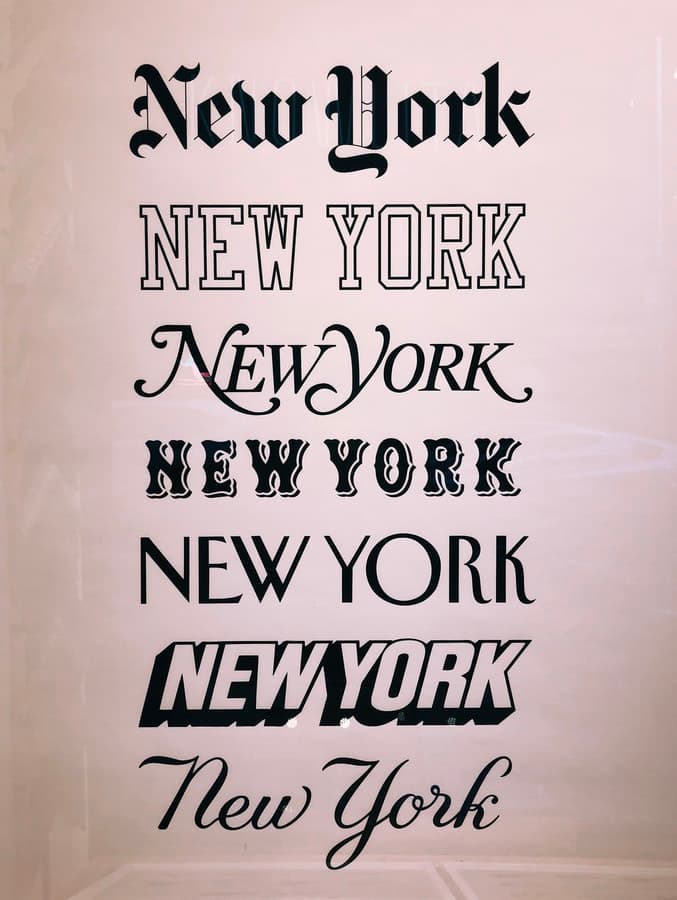
If you want to learn more about typography, this is a must-read: The Flower of Package Design: Using Typography Properly
The impact of package design colors
Let’s look at how colors influence and reinforce purchasing decisions.
Using color effectively to communicate a brand story is an essential part of package design. Package design color is likely the first element customers will notice. Since color is one of the most visually powerful elements, it can be the reason we prefer certain colors, and understanding how color affects consumer psychology can greatly influence product sales. That’s why choosing the right colors is important in package design.
When selecting the most suitable color for a product package, there are several things to keep in mind.
Brand colors at the center of package design
If you’re considering package design colors, choosing your brand colors is the most appropriate option. You already chose these colors carefully to represent your brand, and they have resonated with customers. Using brand colors will increase loyalty and recognition, helping customers notice your company first.
 Source: Clare
Always keep your brand colors!
It’s good to be experimental when packaging a new product, but you should maintain color consistency and brand identity. In other words, consumers should be able to recognize your brand regardless of the packaging or colors. For example, when Maja introduced new packaging for its bottle, it still kept the traditional yellow and red. You can also maintain consistency through shades and tints.
To keep your brand colors consistent, save them in Packative and keep using them. Let’s make boxes that are uniquely ours!
 Source: DeCecco, Kajsa Klaesén
The psychological impact of package design colors
The colors used in box design can evoke feelings and emotions, and they can directly affect purchasing decisions. Since 85% of consumers buy products based on color, choosing the right packaging color is even more important.
To help you choose colors carefully, we analyzed the colors most often used in package design.
Package design color: White
- Characteristics: simplicity, elegance, purity
- Brand: Apple
White is often used as a packaging color to convey that a product is simple, safe, and traditional. For example, Apple has always emphasized the simplicity of its devices, and all iPhone or iPad packages are white. White is often influenced by other colors to improve or change perception.
 Source: BP&O, Perky Bros / Source: Carl Nas Associate / Source: Base Design
Package design color: Black
- Characteristics: sophistication, strength, authority
- Brand: Zara, Coach
Black is used for premium products, and the color conveys luxury. It evokes class and elegance. Like white or gray, black can be accented with other colors. A black matte-coated box with gold or silver foil creates a high-end look.
 Source: bond / Source: Unblvbl
Package design color: Blue
- Characteristics: strength, honesty, reliability, harmony
- Brand: Pocari Sweat, Pepsi
For product packaging boxes, blue is one of the safest colors regardless of the target customer’s age or gender. On the other hand, because many companies use blue to create trust in package design, some may find it boring.
Before using blue in box design, make sure it suits your target audience. Dark shades of blue are appropriate for older audiences, while lighter or more vibrant shades work very well for younger customers.
Proof of blue’s popularity: 2020 Pantone Color: Classic Blue
 Source: Ashleigh Godsmark / Source: Studio Ingrid Picanyol
This product is similar to Packative’s product box. Try it now!
Package design color: Red
- Characteristics: excitement, passion, power
- Brand: Coca-Cola, KFC, CheongKwanJang
Red can represent many things. It really depends on the shade of red you use.
Dark shades are often used for products that want to appear luxurious and professional, while brighter shades are vivid and energetic but can make a product seem less valuable. Gold or silver can increase the perceived value of the product.
 Source: caterinabianchini / Source: Timur Salikhov
Package design color: Green
- Characteristics: stability, growth, harmony
- Brand: Starbucks, Kamil hand cream, Trevi sparkling water
Green is a key packaging design color for eco-friendly, healthy, natural, or organic products.
 Source: Peter Gregson Studio
Package design color: Orange
- Characteristics: fun, adventurous, friendly
- Brand: Fanta, Saewookkang
In psychology, orange is associated with exploration, extroversion, confidence, and optimism.
 Source: Post Projects / Source: fourteenten
Package design color: Yellow
- Characteristics: fun, optimism, energy
- Brand: McDonald’s, Lemona, LEGO
Yellow represents originality, innovation, and fun. Yellow packaging is generally aimed at children and teenagers. It is a suitable choice for products intended to make people happy.
 Source: Julie Schott / Source: asari
Package design color: Teal
- Characteristics: calmness, clarity, purity
- Brand: Tiffany
Teal is a calming color. Because teal symbolizes cleanliness and purity, it is a suitable color for health-related products or even cleaning products.
 Source: moodley design
Package design color: Purple
- Characteristics: generosity, luxury, spirituality
- Brand: Market Kurly
Purple is used by food brands that feel indulgent rather than essential. Purple package design expresses individuality, imagination, and expression, which is why many premium products use purple packaging. When purple package design includes gold or silver elements, it conveys high quality and exclusivity.
 Perfume package design Senti / Source: Amir Mohamed / Source: weareonfire
Package design color: Pink
- Characteristics: calmness, beauty, femininity
- Brand: Barbie, Victoria’s Secret
Pink gives a comfortable and calming feeling. Pink is associated with empathy, sincerity, and beauty. Light shades of pink are generally used in package design for products aimed at women. Strong shades of pink or combinations of pink with dark colors express power and sophistication. Muted, grayish pinks appeal to older customers, while bright neon pinks attract younger audiences.
 Source: Medusas Makeup / Source: dieagenturlux / Source: Feitoria
Set the mood with fonts
Fonts help set the tone that suits your brand’s message. Do you want your brand to feel professional, relaxed, or fun?
Choosing the right font can be difficult, but it can also be very enjoyable. The key to selecting the right font is keeping things simple. Using too many font types can make things confusing and messy.
If you use more than one font, it’s recommended to pair two contrasting styles, such as a script font with a sans serif.
 Source: Robot Food
Sans serif fonts
The French word sans means “without,” and these fonts do not have the extensions at the ends of strokes called “serifs.” Sans serif fonts such as Helvetica or Arial are often used to convey simplicity, modernity, or minimalism. They are recommended when creating clean, minimal packaging design or when readability is especially important.
 Source: Akin
Serif fonts
Serif fonts such as Times New Roman or Georgia feel professional, traditional, and more serious. As a result, consumers may perceive your brand as established or conservative (or both). Depending on the type of product you sell, these fonts provide reliability and respectability. Serif fonts are a good option when designing packaging because they are often used in print materials and are easy to read.
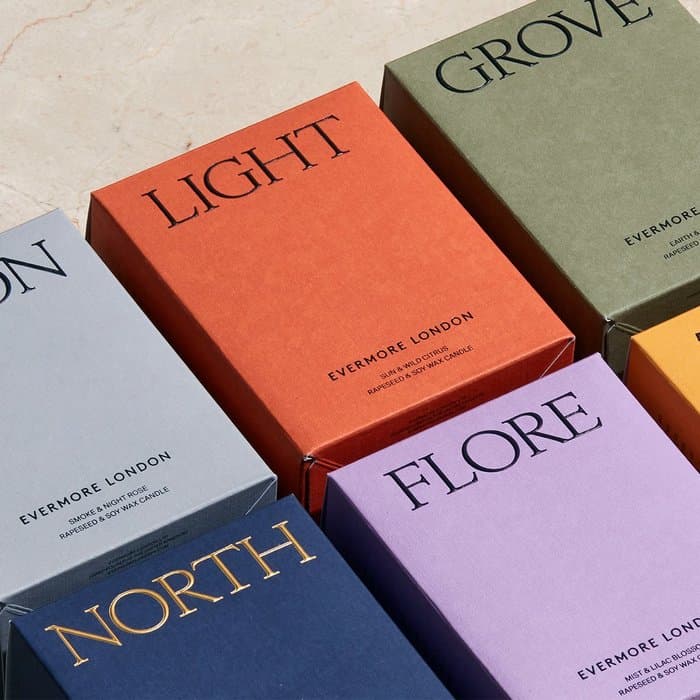
 Source: Evermore Candles
Script fonts
Script fonts such as Lobster or Lucida evoke traditional handwriting and can suggest elegance and luxury. You’ll often find script fonts in high-end and premium products, but using them can feel too heavy for some consumers and may not fit certain types of products.
Try various script fonts in Packative: Let’s make boxes that are uniquely ours!
 Source: Ocean branding
What to prepare for package design
- Brand message and copywriting
- Pattern
- Icons
- Product photos
- Other image files
Brand message and copywriting
Using a clever brand message is another way to make the most of product packaging design. It allows you to communicate the product’s benefits effectively so customers are encouraged to buy from your company. Use funny and cheeky phrases to put a smile on customers’ faces and make them laugh.
Making customers share an impressive brand message with their friends is the best-case scenario. Sharing on social media and a great unboxing experience are ways to bring in new customers.
Copywriting is used when a product needs to build trust or present a more professional or serious tone. If privacy or security is involved, professional copywriting can reassure potential customers about concerns they may have about your brand. If you want to move customers emotionally, you should use a touching and sincere tone.
Sharing brand values directly on the product packaging through storytelling will help customers better understand your brand and build trust.
If you’re creating package design, take a look at this: How to Convey Your Brand Message Through Package Design
 Source: Oatly
Pattern
Custom patterns will add a lovely touch to package design by effectively showcasing your brand’s unique visual style, with interesting colors, shapes, and other design trends.
 Source: designwomb / Source: Studio Ingrid Picanyol
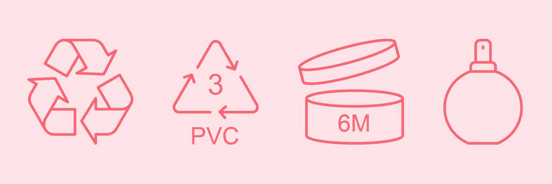
Icons
Use icons that are easy to understand and intuitive regardless of language. Icons are one of a designer’s essential tools. Because they provide visual cues about what to do, they don’t need extra text or instructions and are one of the most effective ways to communicate complex ideas quickly.
Creating a great box design with photos
Use photos when you want to showcase product features such as color, shape, or form, or show who your ideal customer is. A picture is worth a thousand words.
Packaging protects the product, but it can also hide the actual item inside the box. Buyers may have specific questions about the product’s appearance or features. That’s where product photos come in. Photos can answer several questions customers may have about color, size, or functionality while reassuring them that the product is safely inside the box.
We also recommend using illustrations to brighten the mood while presenting useful information about your product.
 Source: Octavia Soebiyanto
Illustrations
Illustrations are great for demonstrating how to use a product. They can be a simple way to add visual interest and bring fun and character to packaging.
 Source: Plácida 🙂 / Source: Horse
Vector illustrations
Vector illustrations can be scaled to any size, so there are no resolution problems when printing. You can learn more about the difference between vector files and regular image files here.
Use Packative’s free editor to create boxes uniquely for your store!