Color Psychology: The Best Brands Have Their Own Best Brand Color
When we talk about successful brands like Nike, Starbucks, and Apple, the logo image representing each brand is the first thing that comes to mind. In that sense, a logo is a core element of branding. But to define a brand’s overall identity, we need to extend the use of the logo much further...
 Source: spacerefinery
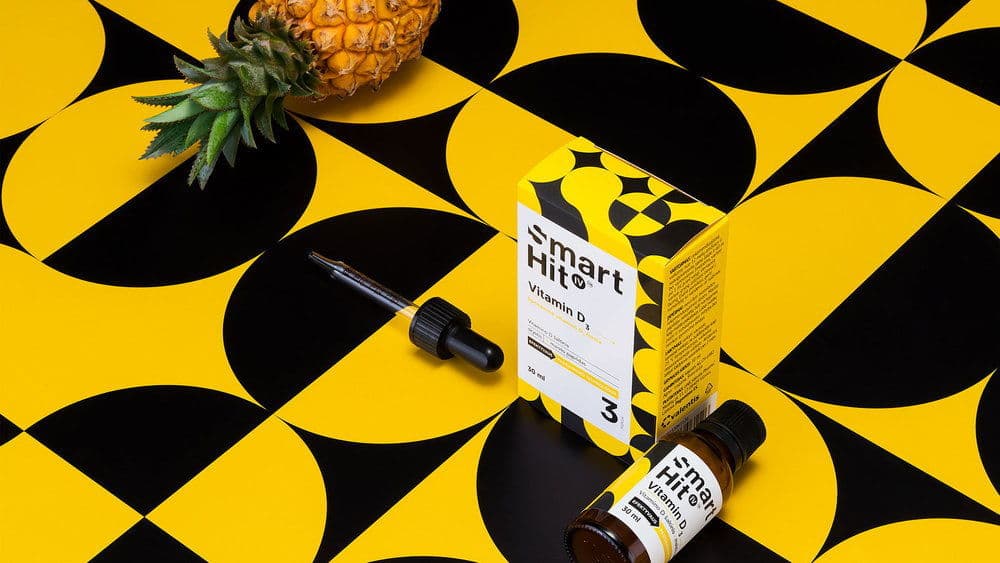
When we talk about successful brands like Nike, Starbucks, and Apple, the logo image that represents each brand is the first thing that comes to mind. In this sense, a logo is a core element of branding. But to define a brand’s overall identity, the use of a logo has to be expanded far beyond that. Even without Starbucks’ famous siren logo, the combination of green and white immediately brings Starbucks to mind. If you pass a sign with red and yellow colors on the street, you may even find yourself checking whether it’s McDonald’s. Brand color is an essential part of branding.
Why Brand Color Matters
 Source: venngage
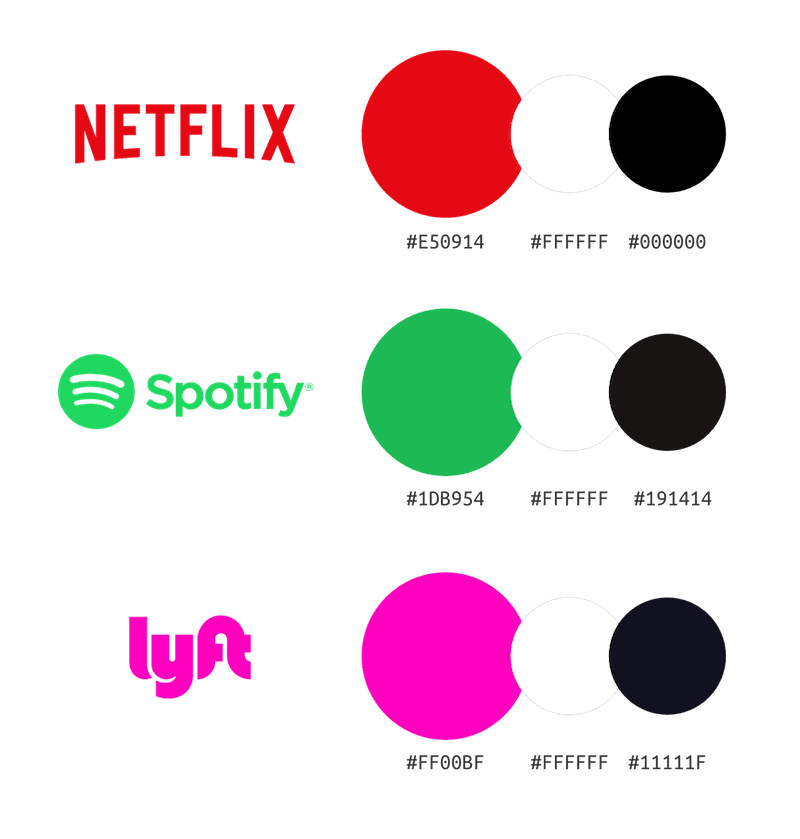
The connection between brand color and brand identity is powerful. A brand’s color influences brand recognition just as much as the brand name does. That is why there has been so much research in this area. According to a survey, more than 85% of credit card brands use blue, whereas only 20% of fast food brands do. These figures prove that certain colors can trigger certain effects.
It can be important to describe a brand in detail with words and writing, but consumers encounter thousands of advertisements every day in daily life. Messages need to be delivered as quickly and powerfully as possible. Repeated exposure to a brand’s unique color can store in consumers’ subconscious which product is sold by whom.
How to Choose a Brand Color
1. Define the Brand Image
 Source: hashmicro
Before choosing a brand color, the first thing to do is define a clear and specific brand image. One of the most effective ways is to create a mind map through brainstorming. What products does your business handle? Which customer segment are you targeting? What identity do you want to build? List and organize in detail the core values of your brand and the points you need to appeal to customers with.
In particular, you need a clear definition of what kind of impact you want your brand to have on customers and how you want it to be perceived. It could be a brand that provides more information, one that inspires confidence, one that feels cheerful and fun, or conversely, one that comes across as serious and trustworthy. Thinking from the perspective of the customer who will receive the brand may help.
2. Research Competitors’ Brand Colors
 wix
wix
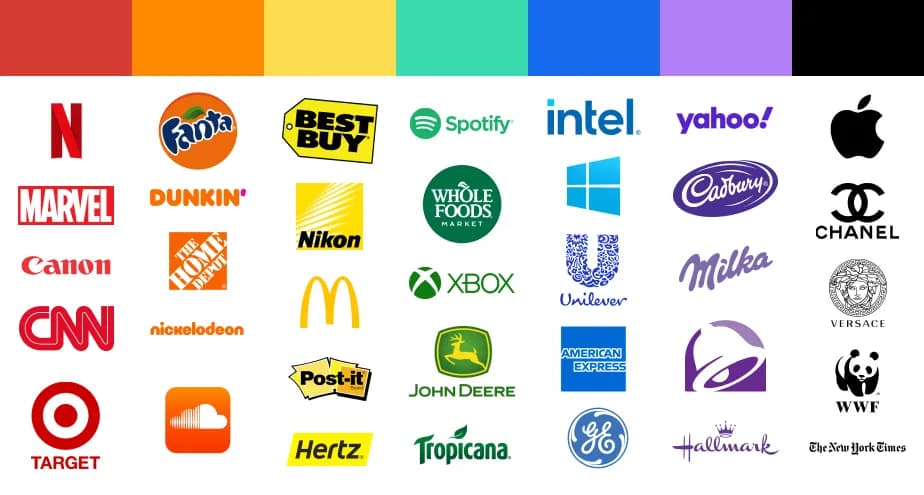
Once you have organized your brand identity and image, the next step is to research the brand colors of competitors in the same industry. Analyze which colors are widely used in the industry, what effects they are achieving, and what approach you should take to differentiate yourself. Looking only at each brand’s logo is not enough. You need to broadly examine how brand colors are used across the content they provide, package design used for product packaging, and more.
On a more active note, it can also be helpful to contact the managers of each brand directly and ask about their use of brand colors. If they are willing to give an interview, you may be able to gain valuable information and ideas that research alone cannot provide.
How Each Color Affects Buyers
1. Color Psychology
 acrylgiessen
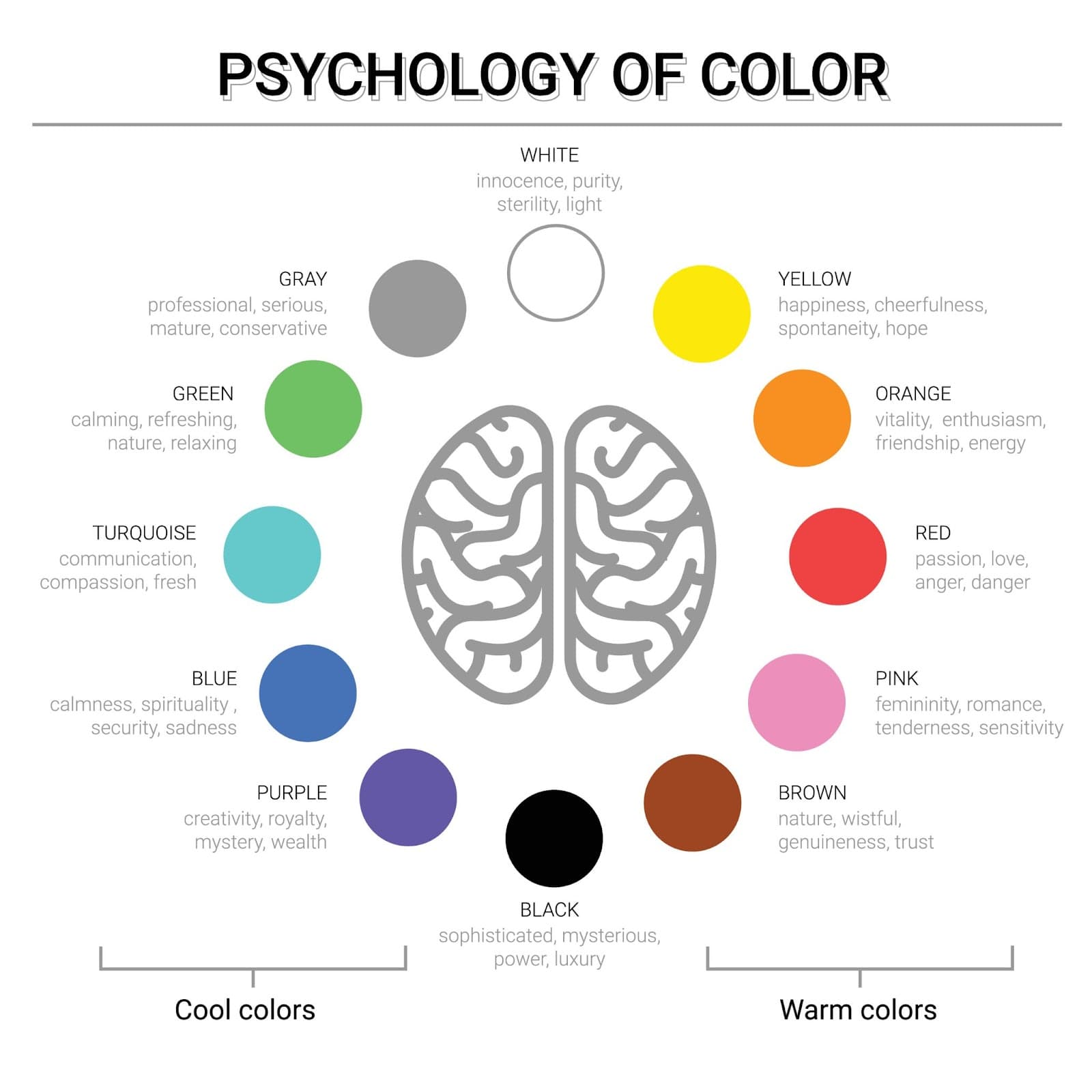
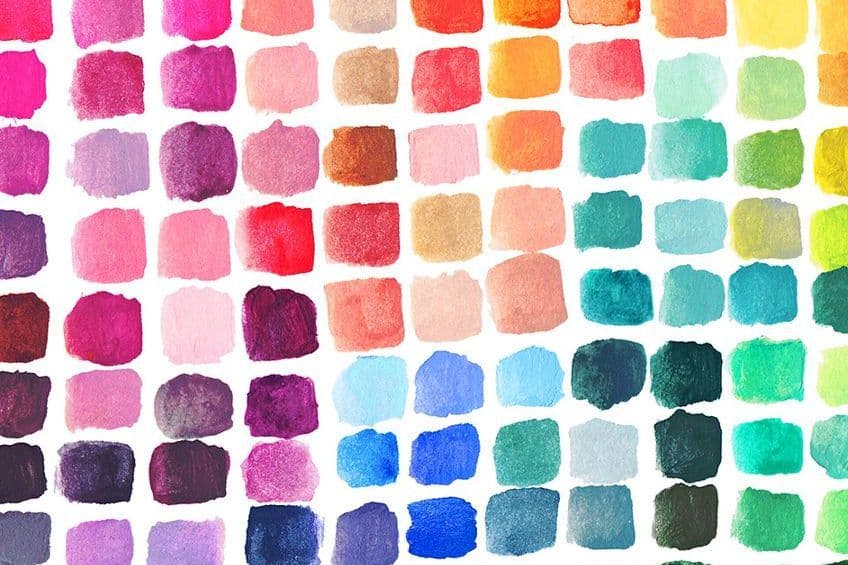
Certain colors affect people’s moods in specific ways. Color psychology is the study of the relationship between color and human cognition. According to color psychology theory, using certain colors can trigger certain human behaviors. Of course, color and cognition do not have a simple one-to-one relationship. For example, some people see red and think of passion and love, while others think of blood and war. Therefore, when choosing colors, you must consider various factors such as country, gender, age group, and culture.
Even so, there are colors that succeed in triggering certain effects with a high probability. So it is a good idea to know how a few representative colors are used.
2. Image by Color
- Red
 Source: thedieline
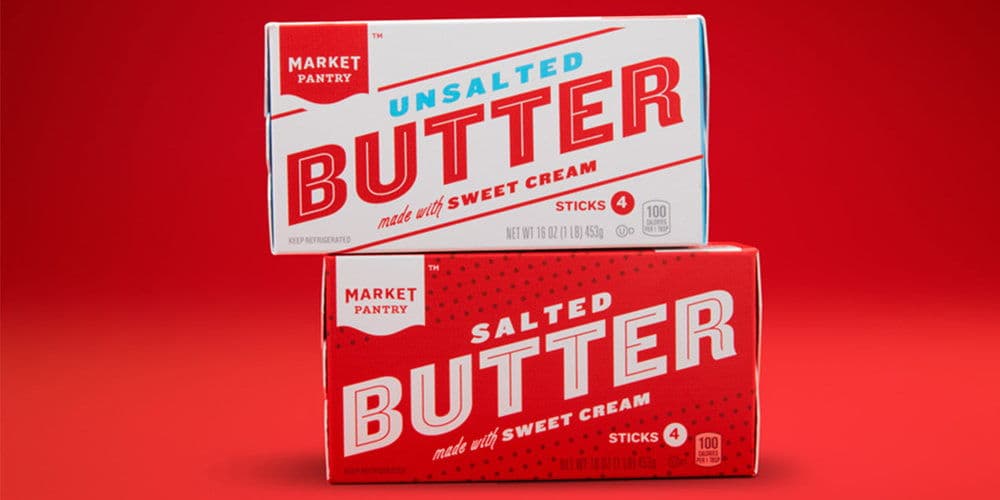
Red symbolizes danger, excitement, energy, and impulse. Coca-Cola chose red for the purpose of encouraging consumers to make “impulse purchases.”
- Pink
 Source: 99designs
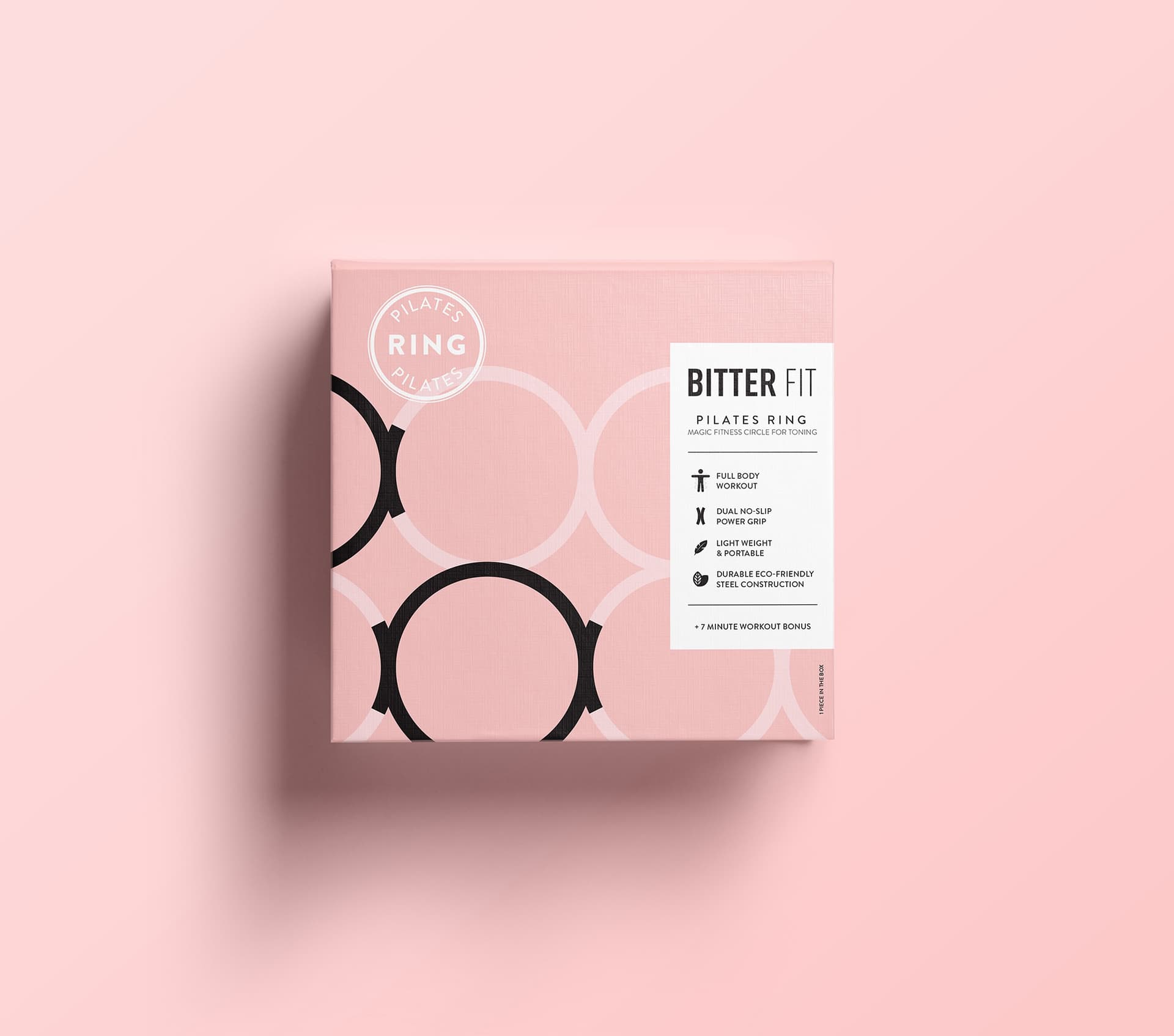
Pink is emotional and romantic. Hot pink, in particular, gives a younger and bolder feel. Many cosmetics brands targeting female consumers actively use pink.
- Orange
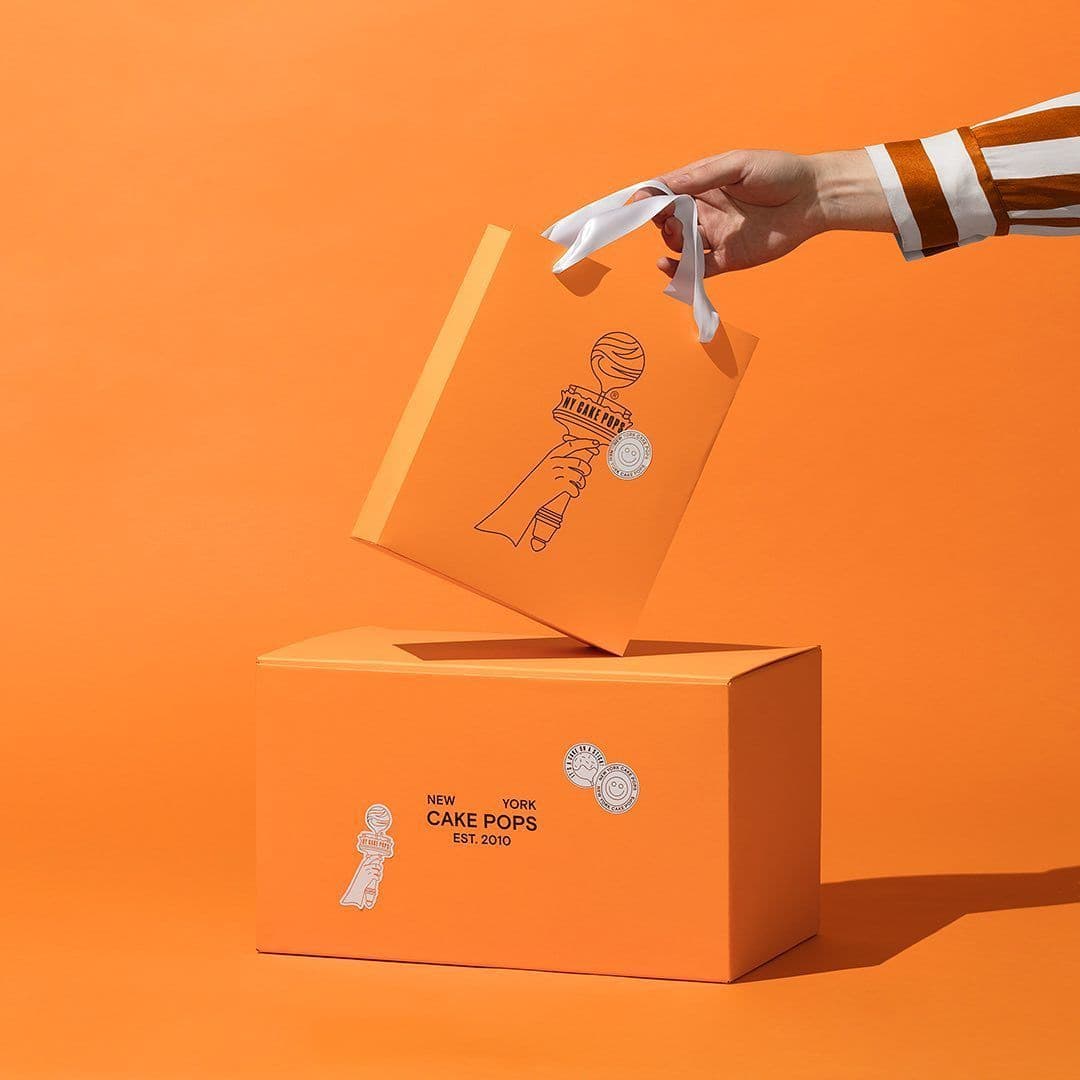 Source: thedieline
Orange is a vibrant color. It symbolizes creativity, adventure, and efficiency. It works well for fitness and technology brands.
- Yellow
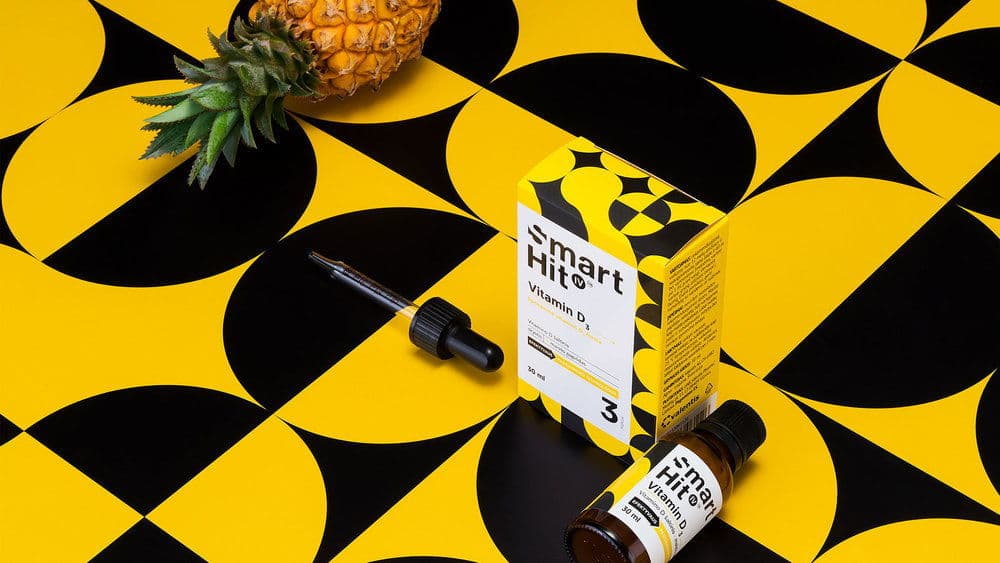 Source: thedieline
Yellow is optimistic and positive. It is closely associated with playfulness and happiness. One of its advantages is that it stands out most clearly, especially at night. One of the brands that uses yellow best is McDonald’s, because it raises the viewer’s heart rate and stimulates appetite.
- Green
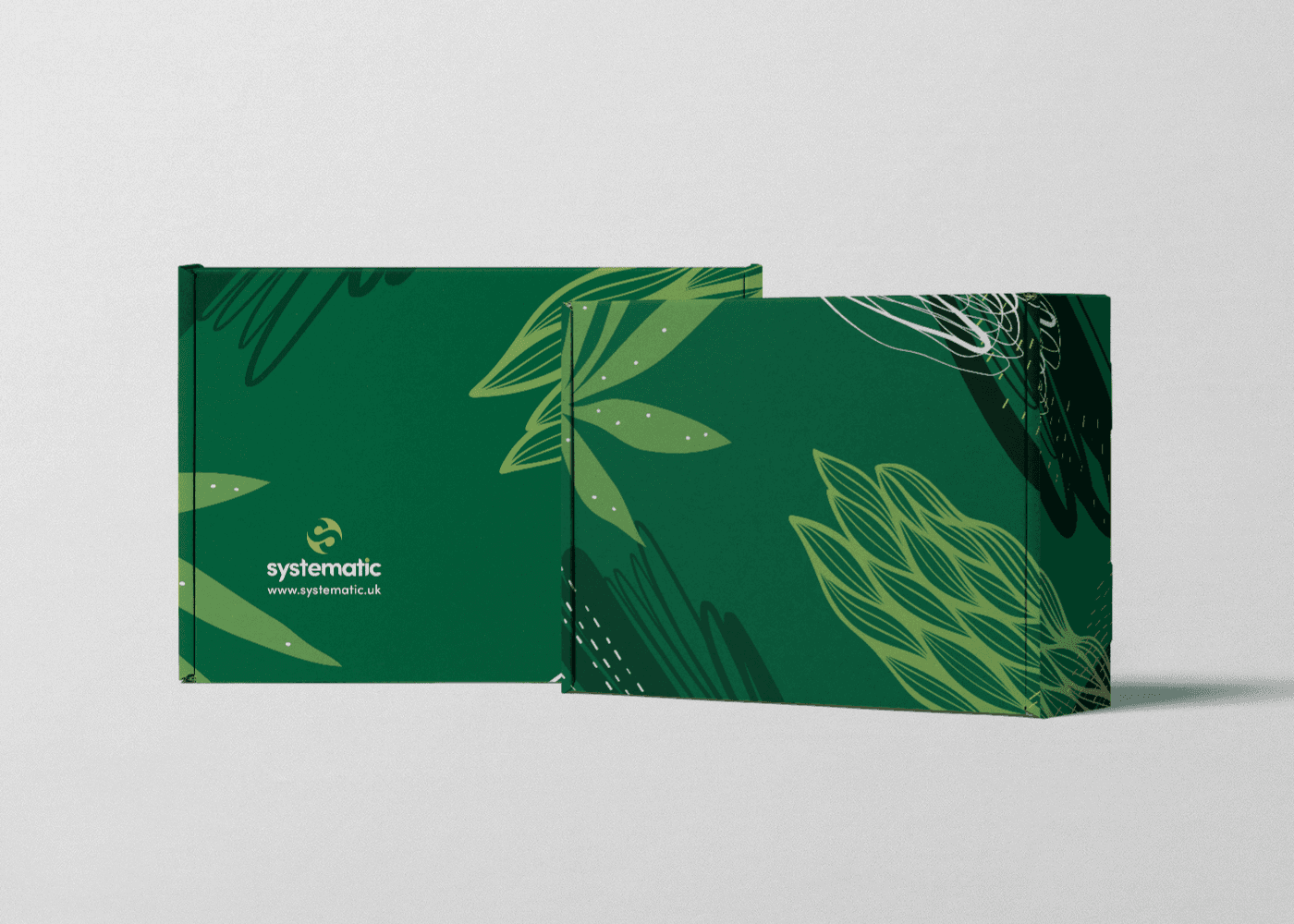 Source: systematic
Green represents eco-friendliness and sustainability. For that reason, it conveys a trustworthy image. It works well for outdoor and health-related brands.
- Blue
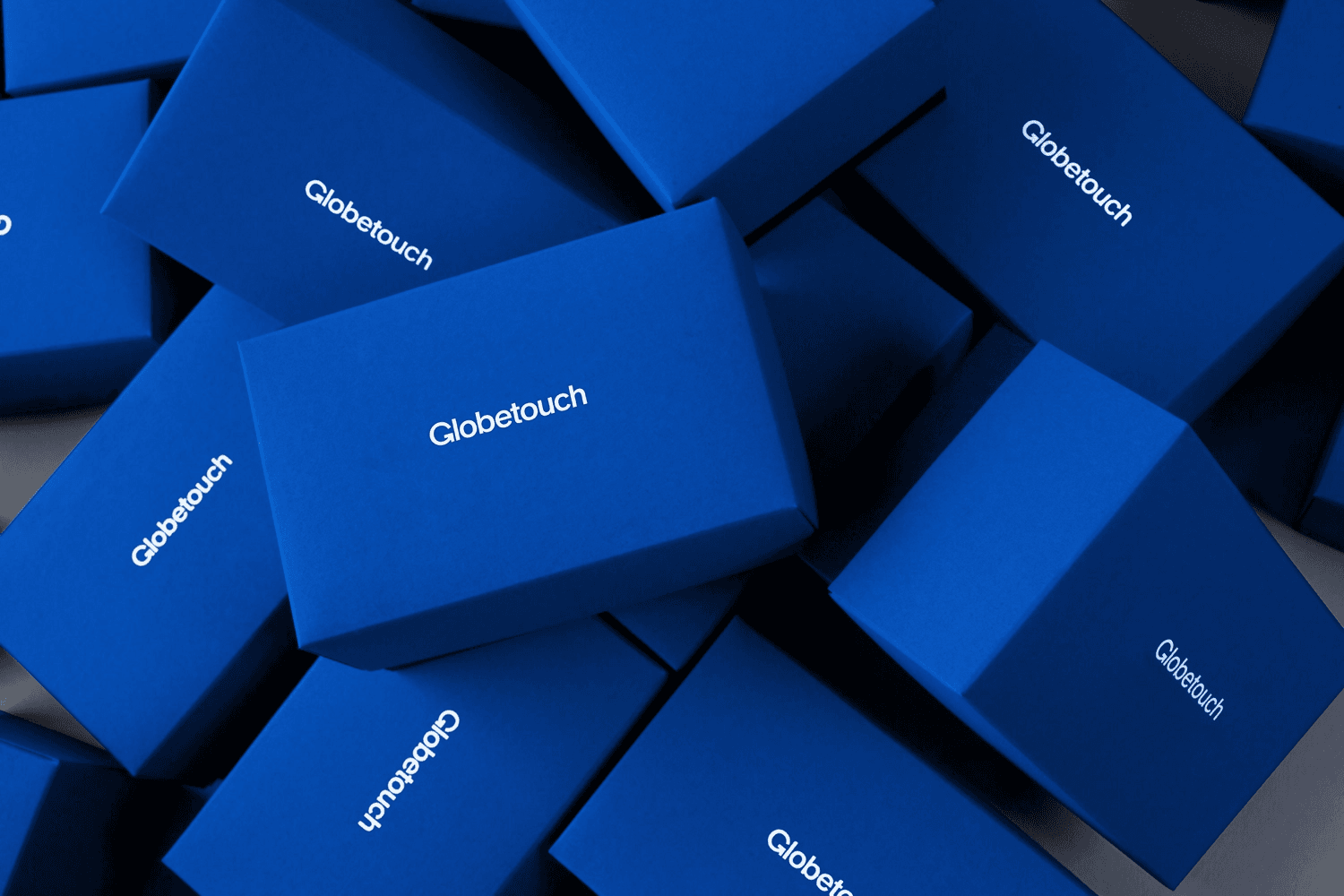 Source: designandpaper
Blue has a calming effect. It is therefore used for people who need trust and stability. It is widely used by insurance and financial brands.
- Brown
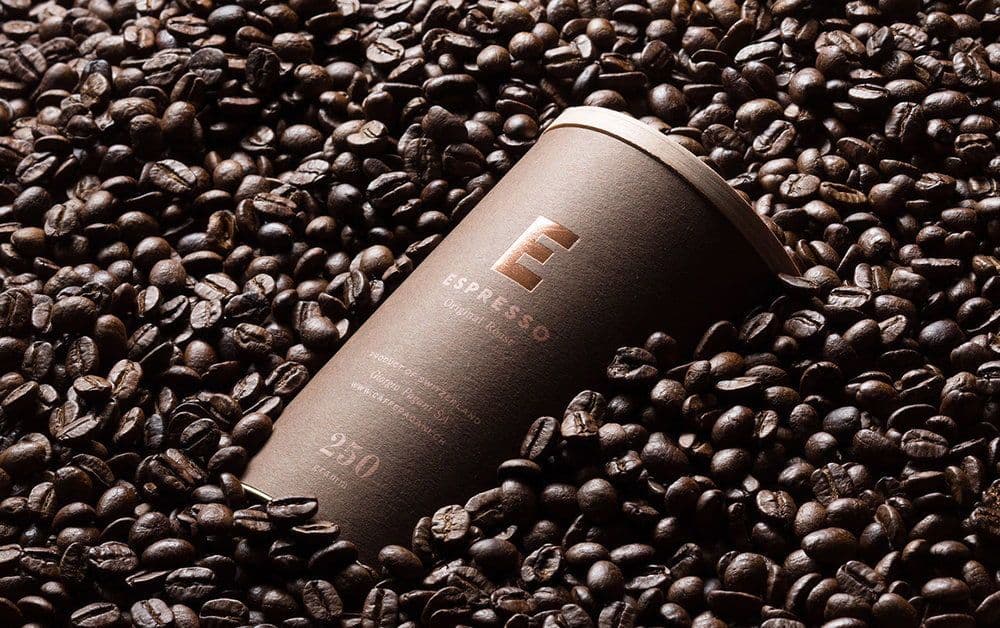 thedieline
Brown is realistic and honest. Along with green, brown is also used to promote organic products, and of course, it pairs perfectly with coffee brands.
- Purple
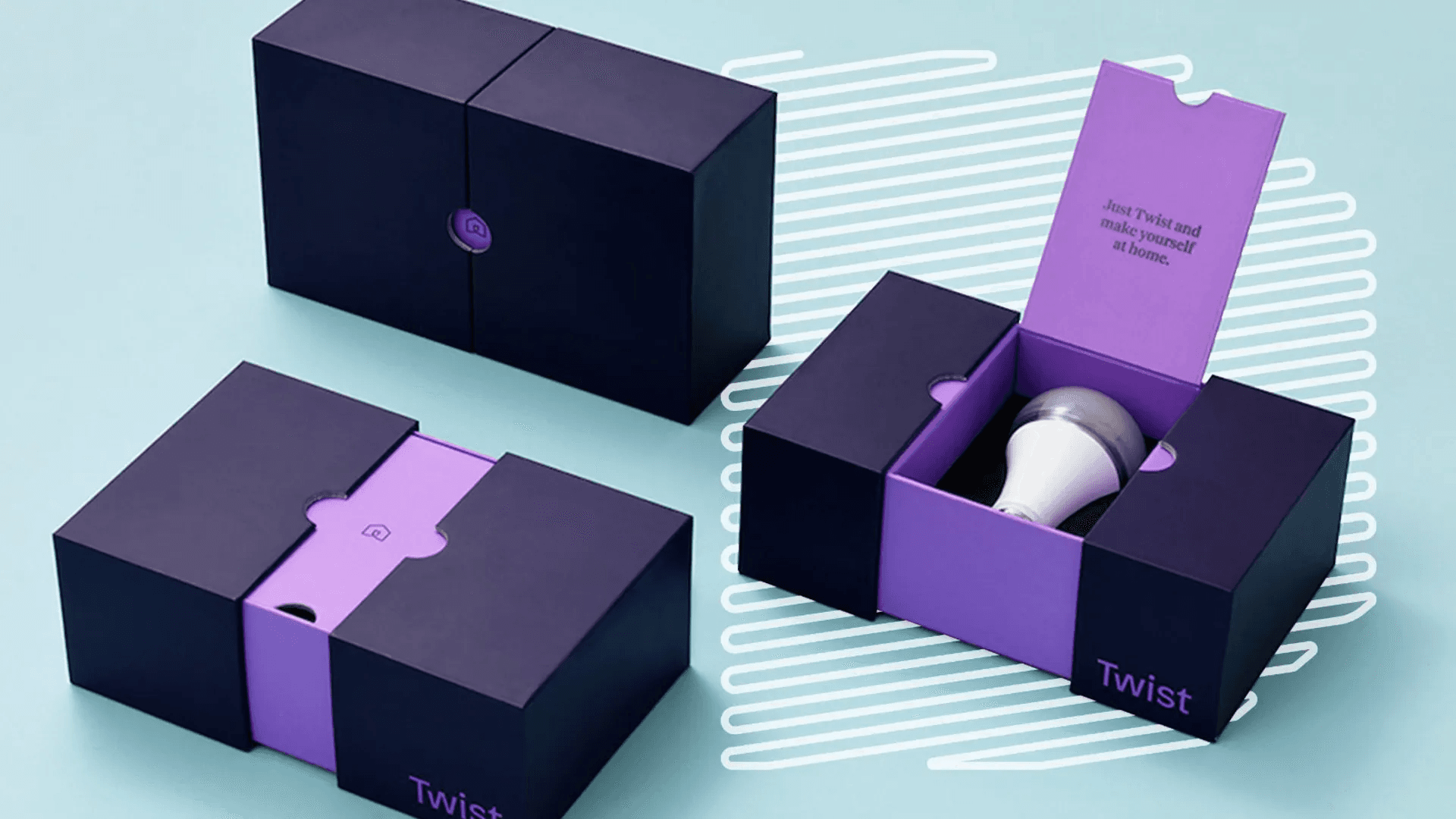 Source: thedieline
Purple is the color of royalty and represents dignity, spirituality, and mystery. It is often used in high-end luxury products and design brands. It is a color well suited to creating an elegant and premium feel.
- White
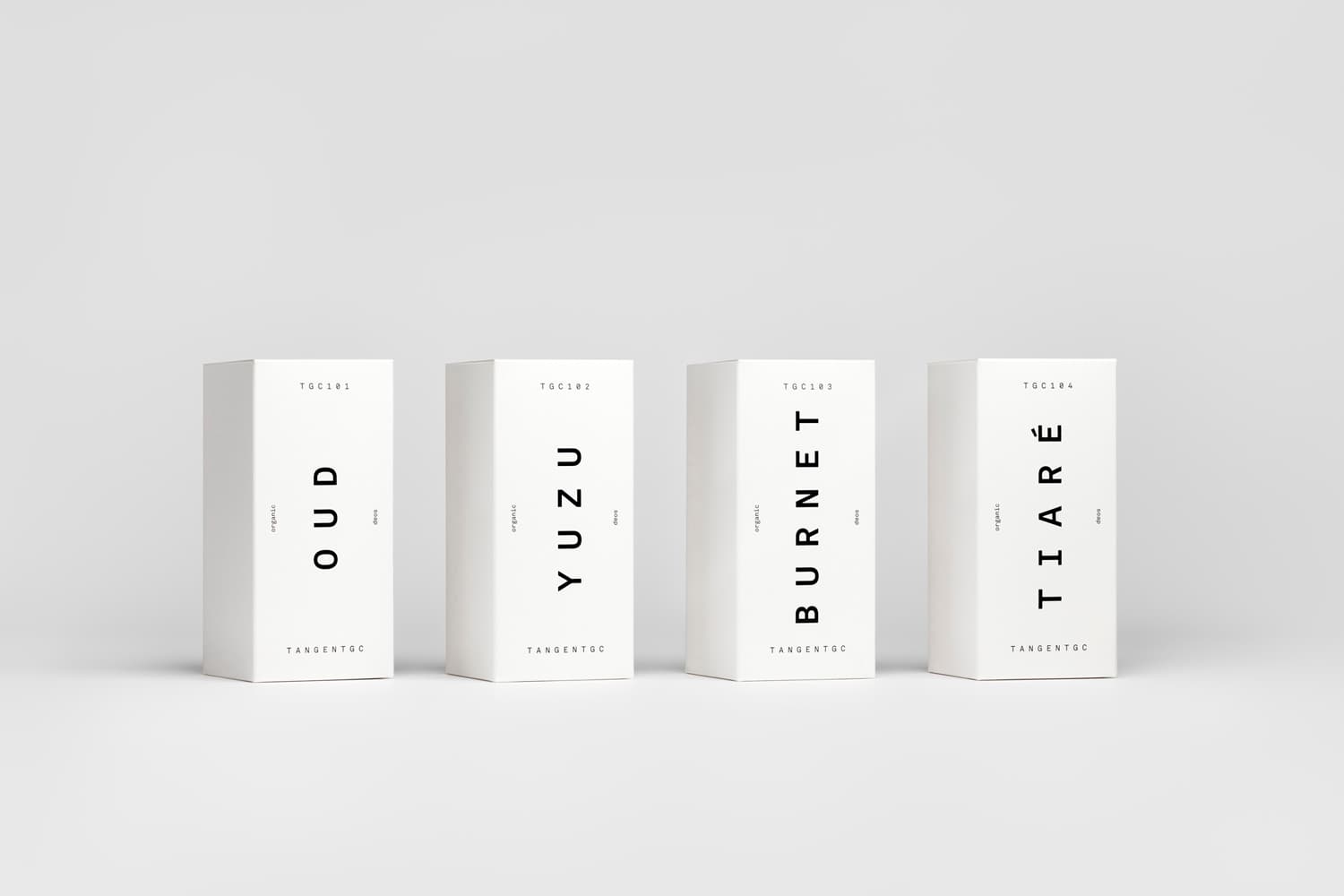 Source: bpando
White is pure and minimalist. It is widely used in pharmaceutical products and health-related brands that aim for a clean, fresh image. It is often used on packaging to give the impression that there are no harmful additives.
- Black
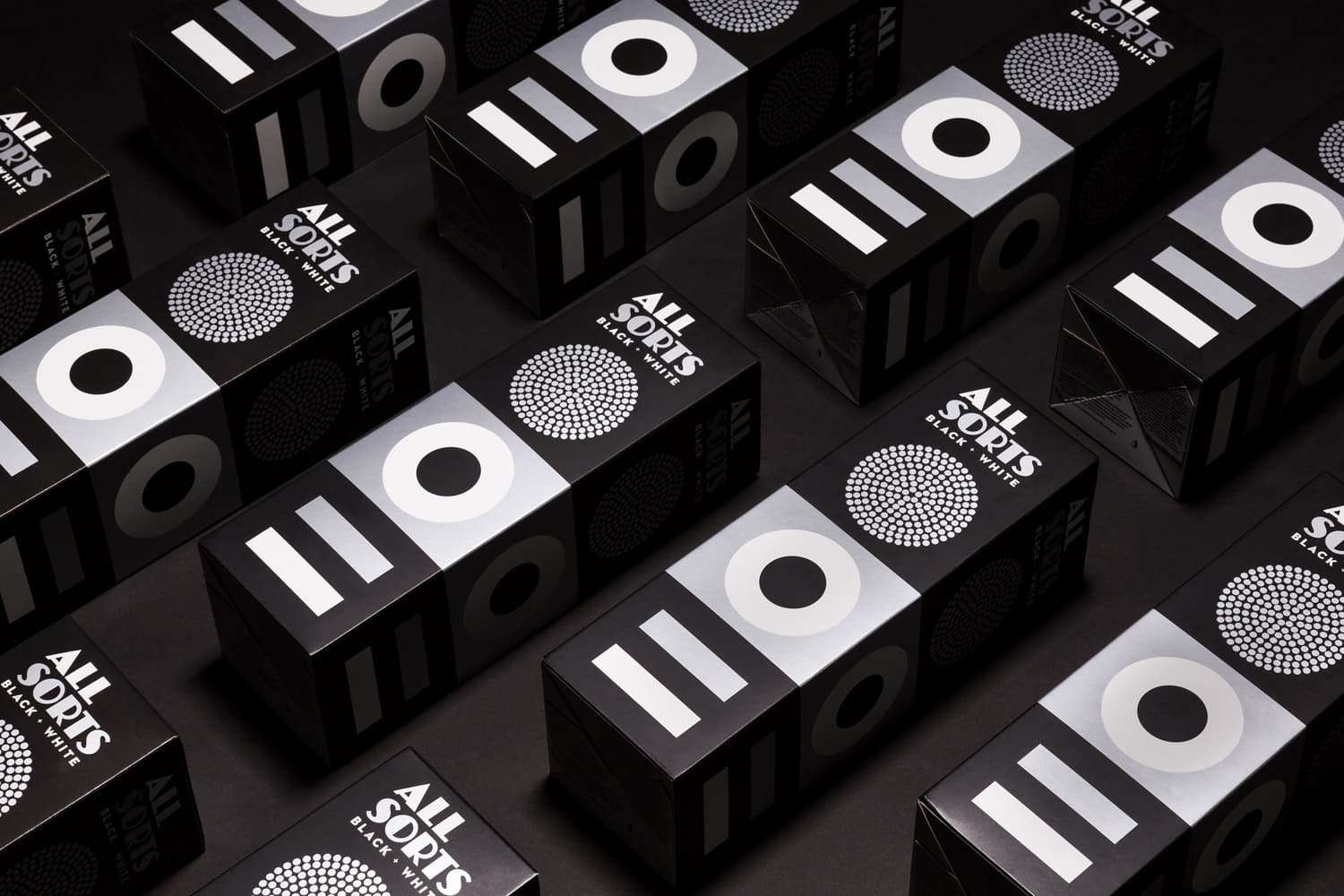 Source: bpando
Black is sophisticated and elegant. Apple is a brand that makes great use of black, which is formal and luxurious, as well as minimalist white. With its clean and dignified image, black is also commonly seen in automotive brands.
Understanding Printing Methods
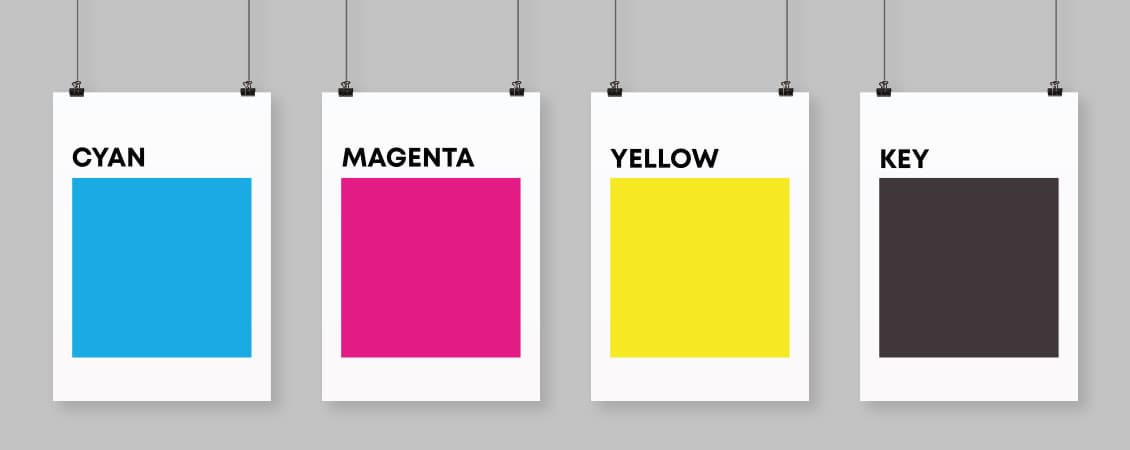 Source: instantprint
Now that you understand the basics of color psychology and how each color can be used in branding, it is time to figure out how to apply it in practice. Printing color is a different matter from simply using color on a computer screen. To understand color printing, you first need to understand the concepts of “4-color printing” and “spot color”.
First, 4-color printing is a printing method that uses four inks: cyan, magenta, yellow, and black (CMYK). There are similar principles for 1-color and 2-color printing, but 4-color printing is by far better at expressing rich colors. However, there are colors that even 4-color printing cannot reproduce, such as fluorescent colors, metallic colors, and pastel colors. In that case, the “4-color printing + spot color” method is used. After basic printing with 4-color printing is complete, the color is printed one more time using the Pantone Matching System.
Once a brand color has been decided, you need a logo and packaging that make use of it. Expert judgment is needed to determine which printing method should be used, what kind of packaging should be produced, and how to accurately reproduce the right color to achieve successful branding results. At Packative, a packaging specialist, we provide customized services optimized for each product and brand. From design to packaging production, experience every step you need with ease.