Everything You Need to Know About Starting a Studio Workshop: Types, Process, and Differentiation
The dictionary definition of “studio workshop” is “a place where crafts and similar items are made.” Recently, more consumers have wanted to create products such as soap, candles, accessories, and handmade furniture themselves—not only to make one-of-a-kind items, but also to enjoy the process of making them. As a result, studio workshops that let people experience product-making easily and enjoyably, without special professional skills or excessive time commitment, have become popular.

The dictionary definition of “studio workshop” is “a place where crafts and similar items are made.” Recently, more consumers have wanted to create products such as soap, candles, accessories, and handmade furniture themselves—not only to make one-of-a-kind items, but also to enjoy the process of making them. As a result, studio workshops that let people experience product-making easily and enjoyably, without special professional skills or excessive time commitment, have become popular.

In a studio workshop, operators take reservations from customers who want to experience making products, allowing them to create items such as perfume, soap, or candles themselves. While the customer is making the product, the operator provides the necessary materials, space, and tools, then guides the process and packages the finished item so the customer can take it home. Since the operator is an expert in making that product, they may also sell their handmade items online and offline, and when there are no visit reservations, they can even rent out the space for meetings or filming.
In other words, a studio workshop is a place where sellers and consumers meet through a hobby.
Why starting a studio workshop is hot these days
Wanting to turn a hobby—in other words, something you love—into a career is something almost everyone dreams about at least once. From that perspective, starting a studio workshop may be one of the most ideal businesses. For example, someone who loves candle-making can earn money by making and selling candles while also teaching others how to make them. More and more people are choosing to earn a living by doing what they love rather than repeatedly handling meaningless tasks at a stifling company.
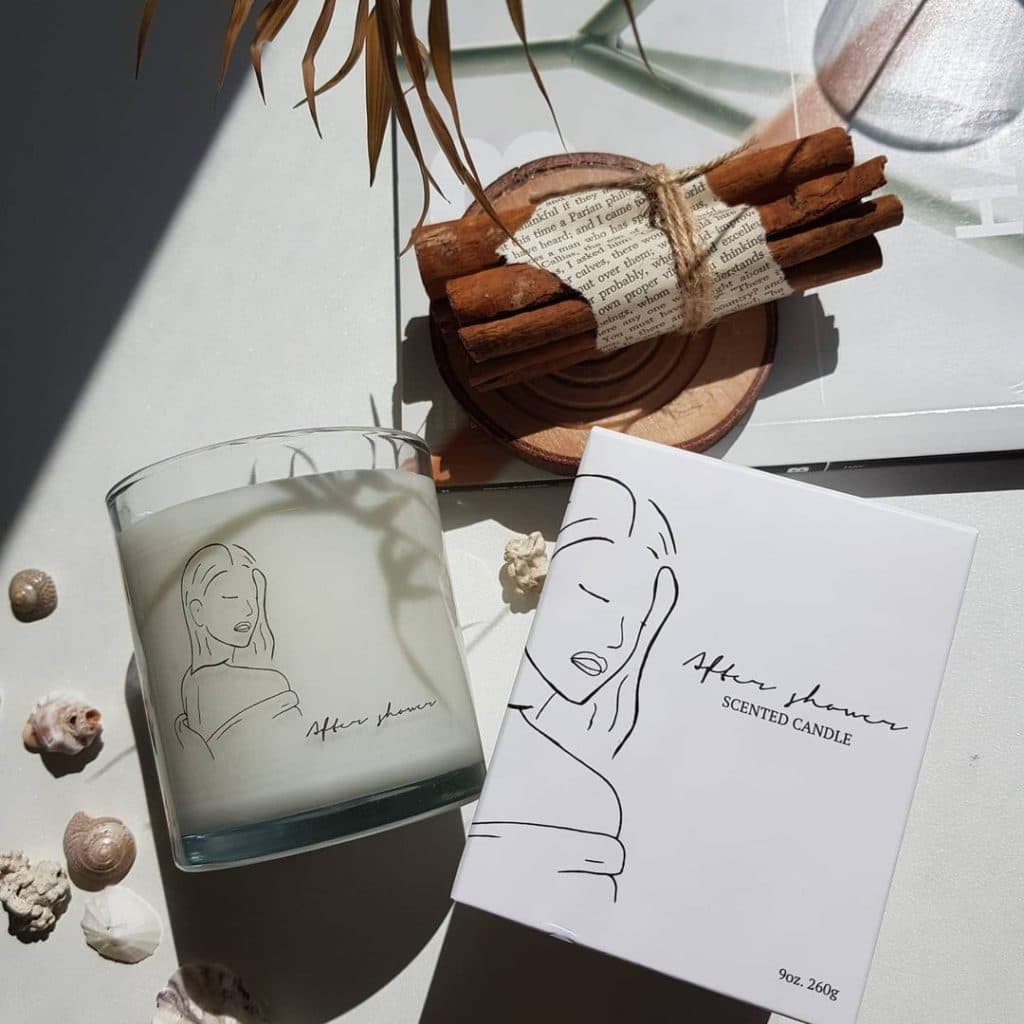 Source: Greenie Shop
But the reason studio workshops are growing is not only because more people want to sell. Demand has increased accordingly as well. Internet commerce has advanced so much that now, with just a few taps on a smartphone, we can easily and quickly buy whatever we want. It is an incredibly convenient way to purchase everyday necessities, but the story changes a bit when you need to give a gift to someone special. We don’t give gifts simply to satisfy another person’s needs. We want to present something special for them, with time, meaning, and care. Handmade gifts have always been among the most beloved gifts, regardless of the era, because they carry the giver’s time, effort, care, and heart. In an age where anything can be purchased easily, consumers have found the way to seek out a special item in one place: making it themselves.
What types of studio workshops are there?
So, what kinds of fields does studio workshop entrepreneurship cover? What products do consumers most want to make themselves? Let’s look at some of the most popular studio workshop categories.
1. The competitiveness and uniqueness of leather craft workshops
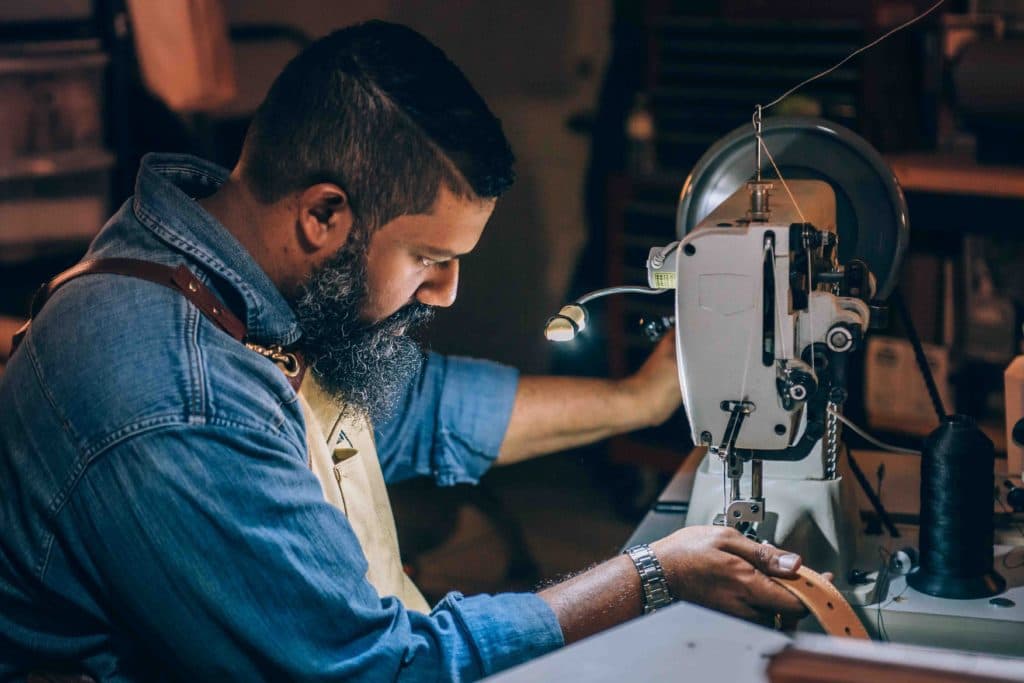
When people make something in a studio workshop, many prefer something practical that can be used in everyday life. Leather craft is especially popular for this reason, since you can make wallets, bags, pencil cases, keyrings, and other items used every day. Leather craft is the process of making crafts using various types of leather as the main material. The basic steps are choosing the leather, cutting it, punching holes, and sewing it with a needle. Leather craft often feels more difficult to try alone at home than products like candles or soap, so many consumers end up visiting a workshop.
2. A meaningful gift: perfume workshops
Anyone interested in perfume wants a scent that is “just right for me” and truly “mine.” The more perfumes a consumer has tried, the stronger that desire can become. How appealing is a scent that is uniquely your own? But making perfume yourself requires help from an expert and specialized tools. Learning the special terms and materials used in the process can be even more meaningful than the perfume itself. Creating a blend that suits a loved one and giving it as a gift is also a very special and meaningful act.

3. Easy and approachable candle workshops
When people think of a studio workshop, candles may be one of the first things that come to mind. They are highly popular because anyone can easily follow the simple process of melting wax, pouring it into a desired container, and letting it set with a wick inside. They are also relatively inexpensive compared with crafts like leather or perfume, so the barrier to entry is low. As long as it can be lit and burned, candles can be made in any color or shape, and they work as gifts for almost any occasion, which is why they remain a steady bestseller in the workshop world.
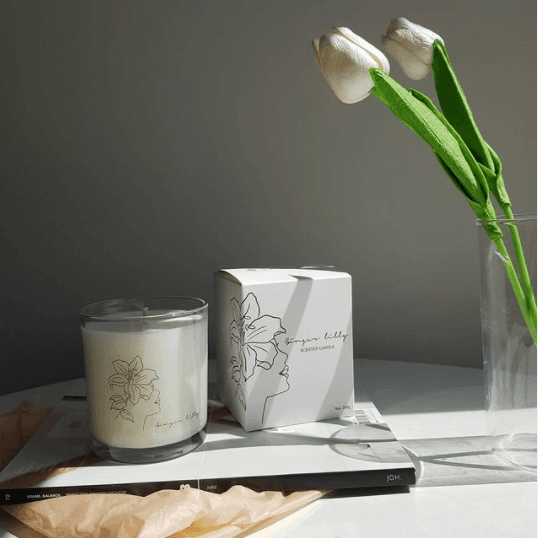 Source: Greenie Shop
4. Soap workshops that kids can enjoy without pressure
Similar to candles, soap craft is another low-pressure and popular option. Soap is also made through a simple process: melt and mix the necessary ingredients, pour them into a mold, and let them harden. Being able to choose from a wide range of ingredients based on your preferences, and using handmade natural soap in daily life, are major advantages of soap craft. Like candles, it is relatively affordable and endlessly varied, and even young children can enjoy trying it, which is why it remains so popular.
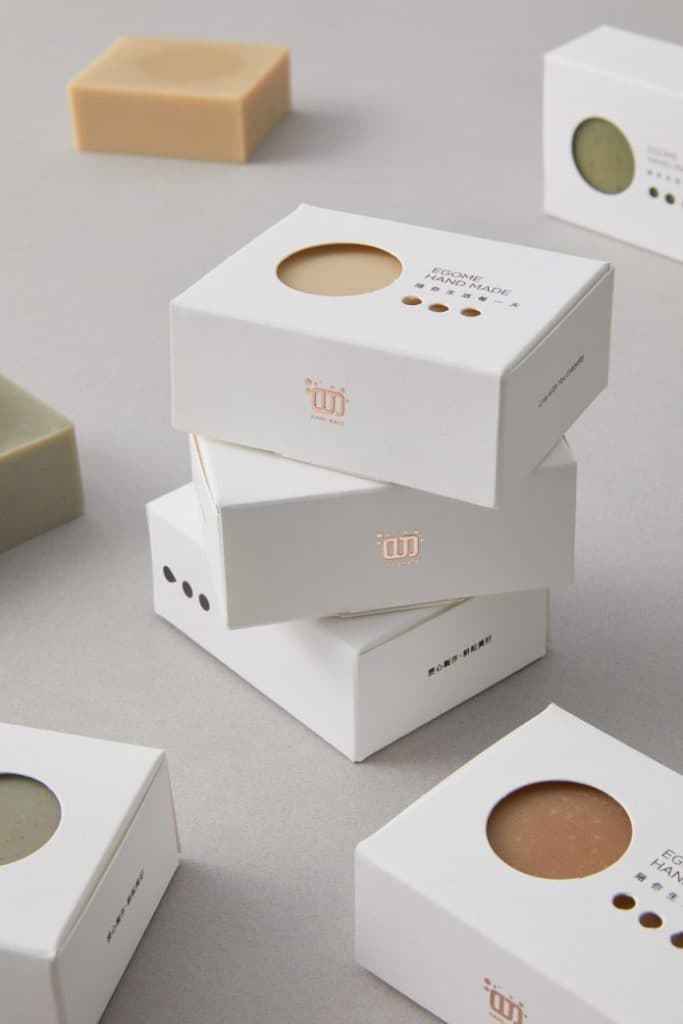 Source: K9 Design
5. A fun time with friends or partners: baking workshops
Baking is still seen as a fairly professional field, and that is exactly why it has long been popular as a workshop activity. Since the era of Instagram began, independent cafés with charming and diverse atmospheres, rather than the same old franchise cafés, have flourished. Along with that trend, home cafés and home baking naturally became popular too. Even people who are especially interested in cooking rarely get the chance to make bread, cookies, cakes, and other baked goods themselves in everyday life. Many Korean homes still do not have ovens, either. Even though the ingredient names may seem unfamiliar and intimidating, many people gladly visit baking workshops to experience the irresistibly appealing results.
 Source: Keunbyeol Macaron
Procedures required to start a studio workshop
So what are the practical things you need to put a studio workshop startup into action? We’ve organized the items that people starting a workshop are most curious about.
1. What licenses do you need to start a studio workshop?
You do not necessarily need a related license to start a business, but completing a certification course is beneficial for gaining enough knowledge and practice to make products. From the customer’s point of view, a seller with proper certifications is also more trustworthy, which is why certification courses are one of the first things most people preparing to start a studio workshop look into.

Studio workshop-related certifications cover a wide range of fields, including leather craft, natural soap, plaster air fresheners, candle craft, sugar flower art, floristry, and perfume blending. They also come in different types such as basic certifications, instructor certifications, master instructor certifications, or levels such as Level 1 and Level 2. Since handmade craft certifications related to studio workshops are all private certifications, various associations run their own training and issuance programs. Because you are learning a hobby you enjoy, you can usually obtain the certification you want without much burden as long as you invest a certain amount of money and time, so you can look into the right institution for your situation and register.
In addition to certifications, there may be extra things to consider depending on the type of workshop. For example, workshops handling candles or plaster air fresheners must go through the inspection process for household chemical products subject to safety confirmation. However, these days, many institutions that guide you through the entire workshop-opening process in one step offer 100% online courses.
2. Offline studio workshop startup vs. online studio workshop startup?
Since a studio workshop is basically a place where products are made by hand, an offline store is necessary. However, starting small at home is also a good option. A common trait of workshop handmade products is that most consumers learn about them through online channels such as social media. So start by creating a social media account, uploading product photos, and building awareness for your brand, then gradually begin selling online according to demand.

Unlike cafés or restaurants, the accessibility of the shop location is not absolutely critical for a studio workshop. This is because, rather than walk-in customers noticing a sign and stepping inside, it is far more common for customers who have looked closely at the product quality and interior atmosphere online to contact the shop in advance, make a reservation, and then visit. So whether you focus on product sales or on education and hands-on experiences, choose between an online or offline startup accordingly—but don’t forget to gauge the market response first through social media promotion.
How to open a store on Idus! The fastest route to starting an online shop
3. How much does it cost to start a studio workshop?
So what are the actual startup costs? Let’s take a look at investment costs based on information published by the Korea Small Business Institute.
First, the startup costs. Based on a 15-pyeong shop on the second floor in a Class B commercial area, the costs come to a total of KRW 33.4 million: about KRW 10 million for the deposit, about KRW 17 million for facilities including interior design, heating and cooling, and lighting, about KRW 3.2 million for other expenses such as preparing products for display or sale, promotion, and product development, and KRW 2.4 million as reserve funds equivalent to three months’ rent.
The example above is exactly that—just an example—so when making a plan, it is important to calculate your budget while considering more detailed items yourself. However, since governments and local authorities run a variety of support programs for small business owners starting a business, we recommend looking into and applying for this information first. If your business direction and plan are clear, especially if it qualifies as youth entrepreneurship, you may be able to receive a substantial amount of actual support. In addition, you can also secure both promotion and funding through methods such as crowdfunding, so please refer to the page below for details.
Crowdfunding A to Z: Everything You Need to Know Before Starting Your Project!
How to differentiate your studio workshop in a red ocean market
The fact that studio workshops are very popular these days means, in other words, that this is already a red ocean—a market where fierce competition is unavoidable. That makes differentiation even more important. How can you introduce your studio workshop to consumers in a special way and win their choice?
Online marketing and online sales
When it comes to starting a studio workshop, online marketing cannot be overemphasized. Use social media actively, but don’t get discouraged if you don’t get much attention right away. Attractive content, consistent uploads, and practical information are what matter. Try to avoid giving the impression that the account exists only for promotion, and focus instead on image and branding. While it is necessary to showcase your products and programs in detail, what matters most in social media marketing is how attractive the workshop itself is perceived as a brand.
Millennials and COVID-19 – Securing marketability in a fast-changing new era
Delivery of products in stylish packaging
How can you maximize customer satisfaction after a purchase? Is there a way to make people feel as if they have received a “gift,” even though they paid for the product themselves? Whatever the product may be, beautiful packaging that matches the item’s identity and the brand image creates exactly that effect. Especially for online purchases, products arrive at the customer’s home by courier. Rather than simply placing the product alone in a plain brown shipping box, packaging it properly in a stylish box increases both promotional impact and repeat purchase rates.
3 reasons why you should invest in product packaging and shipping boxes
Packaging types for studio workshop businesses
So what kinds of actual packaging can be used for a studio workshop startup? Which boxes should you use to make consumers recognize a differentiated workshop brand and product image?
1. The foundation of workshop product packaging: folding cartons
The most basic box, a folding carton, is used to package small products such as cosmetics, soap, and food. It is also often used as an inner box inside a larger box.
 Source: Iguoda
Learn more about folding cartons
2. A must for accessory workshops: sleeve boxes
Sleeve boxes, represented by matchbox-style packaging, are suitable for gift wrapping. They are also useful for customers who want additional gift packaging beyond the product’s standard package.
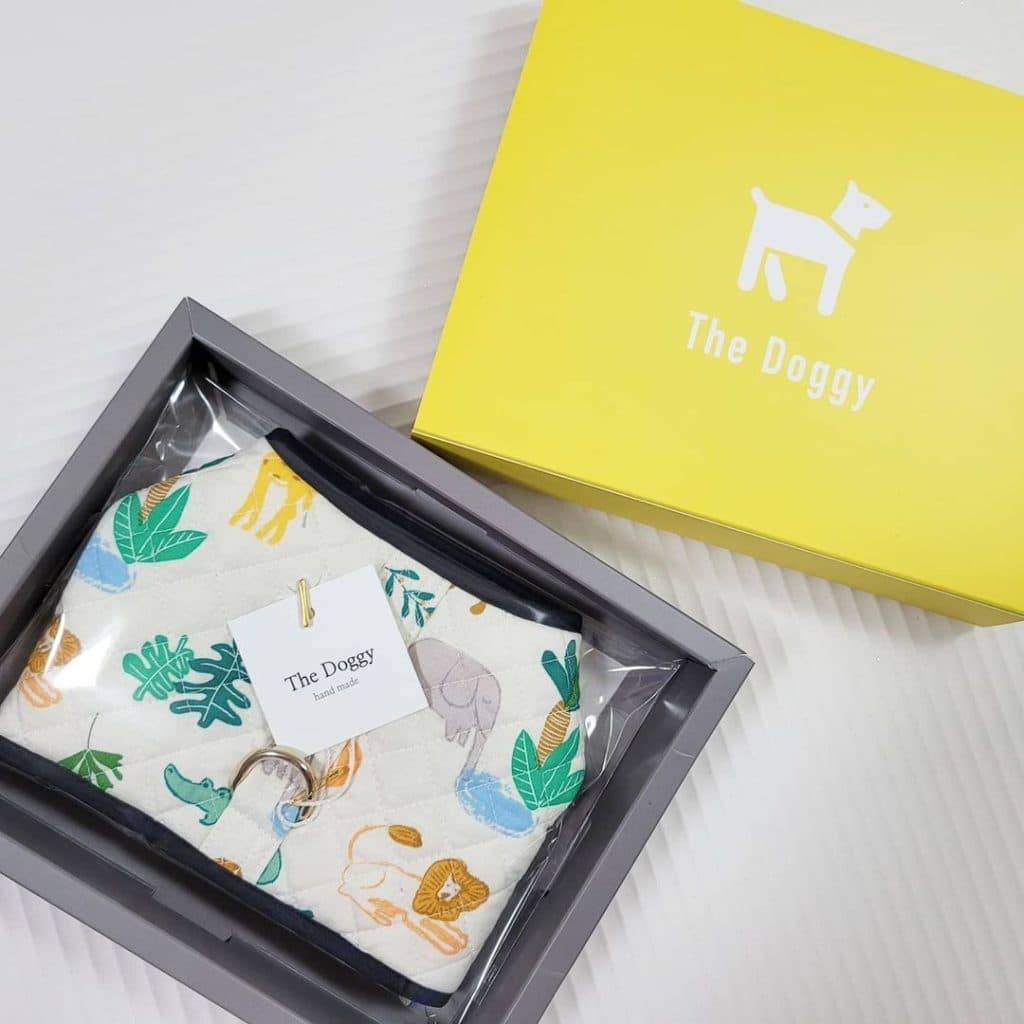 Source: The Dogi
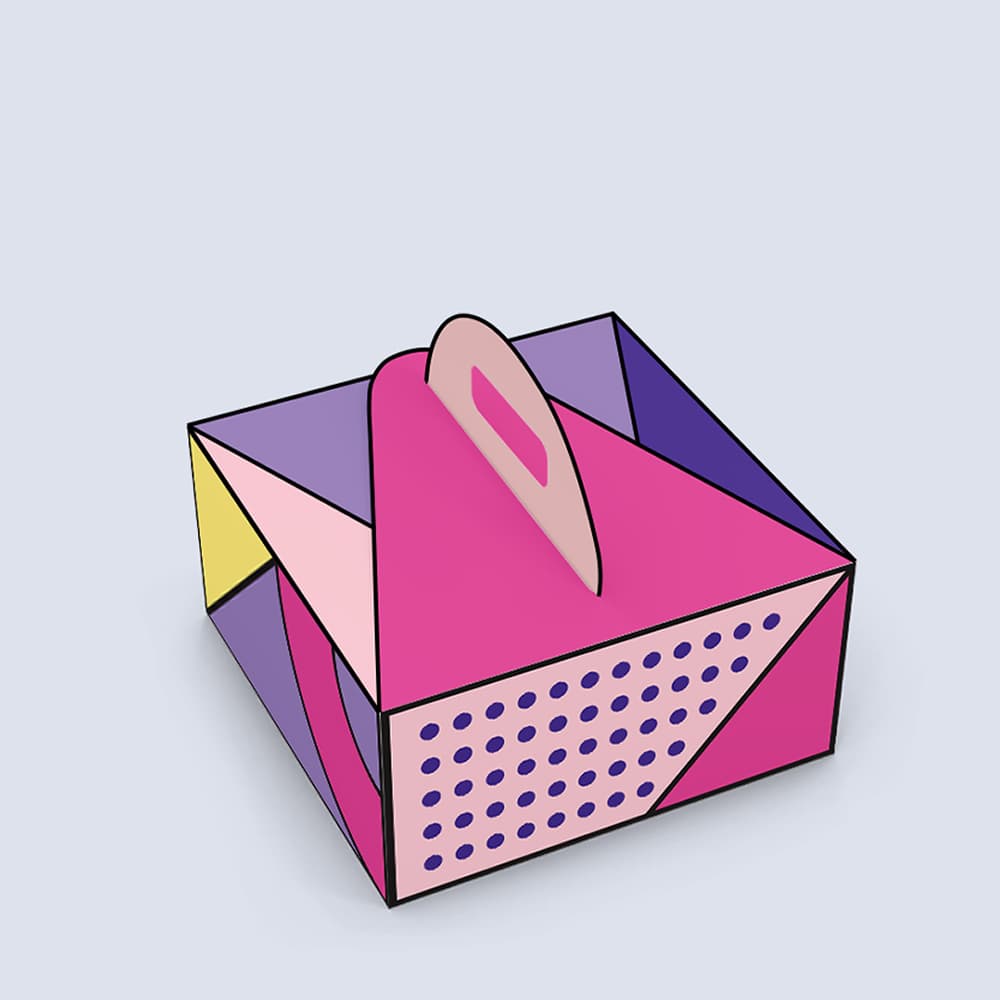
3. A bakery essential: handle boxes
Handle boxes, represented by cake boxes, are easy to carry. That is why they are widely used for cakes and other items that are inconvenient to place directly in a bag.
4. Donut boxes for baking workshop businesses
These are essential box shapes for baking workshops that make macarons, donuts, canelés, madeleines, dacquoise, and more. For bakery products, eye-catching designs that stimulate appetite and sturdy box construction that keeps contents from spilling easily are essential.
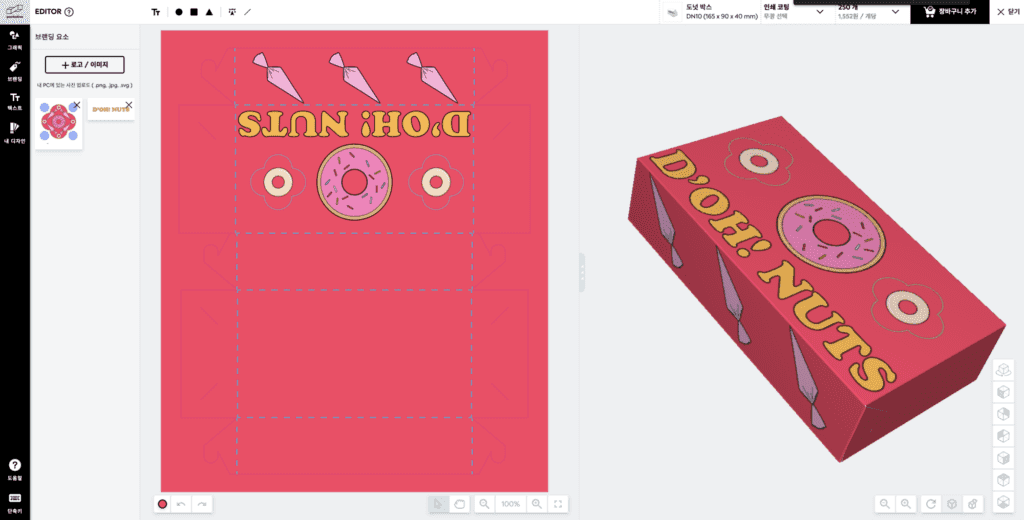 Custom-made donut box
5. Simplify the startup process with custom packaging
In fact, the variety of box types and designs goes far beyond the four above. With Packative, even beginners can easily use a free editor program to design boxes in the exact specifications and style they need. Another advantage is that you can order only the small quantities you actually need. If hiring a professional package designer feels burdensome, try customizing and ordering packaging that fits your studio workshop products perfectly with Packative.
 Easy box production
Want to learn more about packaging that suits a studio workshop? – Packative