Optimize E-Commerce Sales Efficiency with Eco-Friendly Packaging Materials
Does the term “eco-friendly” sound familiar by now? In the 21st century, we are paying more attention than ever to the importance of sustainable packaging. When Millennials and Gen Z consume a brand’s products, they look at whether the company fulfills its social and environmental responsibilities. In addition, the Ministry of Environment...
‘Eco-friendly’—doesn’t the term sound familiar now?
In the 21st century, we are paying more attention than ever to the importance of sustainable packaging. When Millennials and Gen Z buy brand products, they look at whether the company fulfills its social and environmental responsibilities. In addition, the Ministry of Environment has begun strictly regulating the use of disposable items in an effort to reduce them. Businesses that ignore environmental regulations can harm your business through fines and other penalties.
Eco-friendly packaging is no longer just a marketing trend; it has become part of real consumer behavior. To increase brand loyalty among consumers who value the environment and think about sustainability, “sustainable packaging” using eco-friendly paper is no longer optional—it is essential.
Table of Contents
- What is sustainable packaging?
- The difference between retail packaging and e-commerce packaging
- Put efficiency first
What Is Sustainable Packaging?
Sustainable packaging design is product packaging designed with the goal of causing as little harm to the environment as possible. This can be achieved by using recycled materials, and it can also be designed with other uses or purposes in mind.
For example, H&M designed a shopping bag that can be reused as a hanger. H&M’s main customer base, Millennials and Gen Z between the ages of 18 and 35, are highly interested in the environment and are not hesitant to pay extra for it. H&M created reusable eco-friendly packaging to show these ethical consumers that the brand is making efforts for the environment. This move increases the target consumers’ trust and loyalty to the brand, raising customer lifetime value.
If you’re considering package production, this is a must-read: 5 Tips for Creating Package Design!
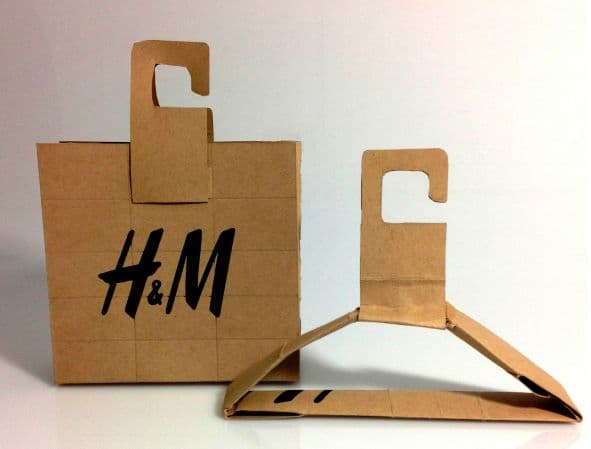 A shopping bag designed by H&M that can be used as a hanger. Source: H&M
The Difference Between Retail Packaging and E-Commerce Packaging
It is a good idea to plan packaging in advance with both in-store sales and products shipped to customers’ homes through e-commerce in mind. For retail, except for minor situations such as buying shoes or requesting gift wrapping, packaging generally only needs to protect the product during a short display period and then be delivered in a simple box or shopping bag with handles after the sale. In this case, there is little concern about overpackaging, but online products are often criticized for using excessive packaging with too much cushioning material during delivery to customers.
The complaints consumers point out are as follows:
- Packaging that is too large for the product
- Too much cushioning material
- Use of non-recyclable materials
Of course, cushioning materials may be essential to prevent accidents that can occur during long shipping processes. Packaging must also be lightweight to reduce shipping costs. It may seem impossible to create packaging that satisfies all these requirements, but in fact it can be done simply.
If you’re creating package design, take a look at this: 9 Important Reasons for Package Design
Always Put Efficiency First!
The most important thing when creating sustainable packaging for an e-commerce business is to focus on efficiency. Here are three things you should not forget in order to stay efficient and avoid excessive costs.
Replace with Paper and Corrugated Board Whenever Possible
Paper is still one of the best materials available. Not only is it suitable for all industries and products, but it is also easy to dispose of through sorting and recycling. It is also very lightweight and inexpensive.
If you’re struggling with package production, be sure to read: 7 Strategies to Practice for Sustainable Package Production
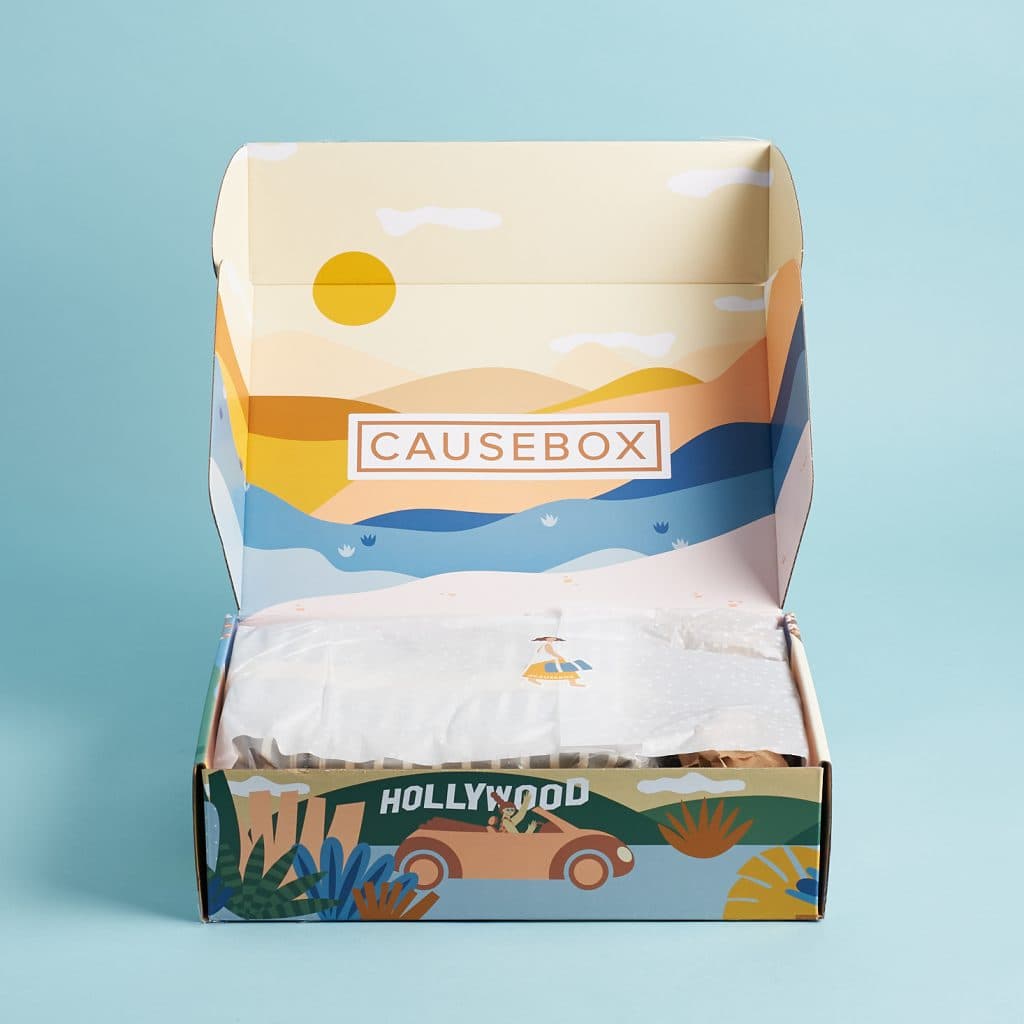 A double-sided corrugated box. Source: causebox
Focus on the Function of the Packaging
Focus on protecting the product with as few elements as possible. By reducing the types of materials used, you can make sorting and recycling easier and cut down on size and weight to lower shipping costs. Rather than bulky cushioning, it is better to choose cushioning that may be slightly smaller but is lightweight, highly durable, and eco-friendly.
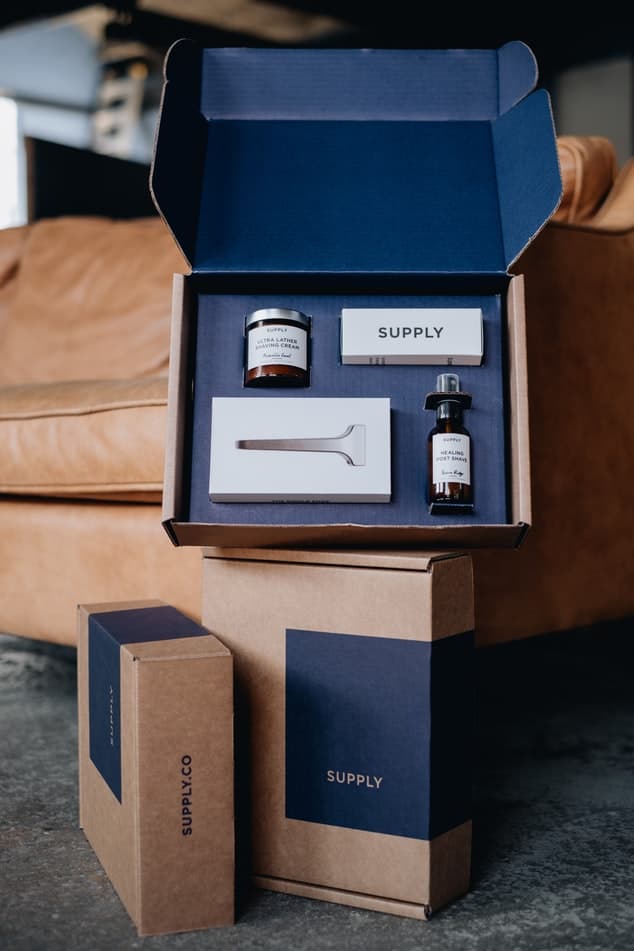 Source: Supply.co
Lead the Change
Even if the industry your product belongs to is very rigid and slow to change, you do not need to match that pace. Apply sustainable packaging to your products and use it in your marketing. Through promotions, continuously expose customers to the fact that your brand is making an effort. Consumers will become more environmentally conscious through your brand philosophy, and this can build trust in your brand.
Consumers are becoming increasingly aware of environmental issues and are beginning to make purchases with a sense of responsibility for the future. First, make efforts in packaging and distribution processes, then let people know on your website and social media that your brand cares about the environment. Share how your brand is practicing environmental protection and sustainable consumption so customers can see it for themselves, trust it, and buy your products.
If you’re considering package production, this is a must-read: 5 Easiest Ways to Make a Difference in Package Design
Making eco-friendly boxes is very easy. Give it a try!