Packaging A to Z: Different Packaging Examples and Unboxing Tips
What has been the biggest change in the e-commerce market over the past two to three years, or even the past decade? Whether you’re a seller or a consumer, we’ve all felt it firsthand during the pandemic years. It’s the rapid growth of the market itself. The total value of the e-commerce market is projected to rise to about $61.55 billion by 2025...
What has been the biggest change in the e-commerce market over the past two to three years, or even the past decade? Whether you’re a seller or a consumer, we all felt it directly during the pandemic years. It’s the rapid growth of the market itself. The total value of the e-commerce market is projected to rise to about $61.55 billion by 2025.(Read the article) And of course, that means demand for product shipping, logistics, and packaging has also surged dramatically.
Although we have moved from the pandemic into the endemic phase, the changes that took place during that period are not simply returning to how they were. As the e-commerce market has grown, it has also diversified, and consumers are now more accustomed than before to interacting with sellers through e-commerce. In this 2022 article, we’ll look at the trends shaping product packaging, a core part of e-commerce, and share tips for winning over consumers through the unboxing experience.
What Is Product Packaging?
 Source: Raylo
What do we mean by product packaging, or packaging? It’s not just another word for a “box.” It refers to the overall process of designing, evaluating, and producing the appropriate container for the product being sold. Packaging was originally conceived to prevent damage or loss of value during shipping, but in practice it serves many more purposes than that. In e-commerce especially, product delivery is the most direct point of contact and connection between seller and consumer. So the way a product is shipped — in other words, how it is packaged — becomes an excellent marketing opportunity in itself.
Why Do We Need Packaging?
 Source: Scent By Mail
In truth, online markets have far fewer direct ways to win over consumers than brick-and-mortar stores do. In a physical store, customers can see the entire space, walk in, inspect products up close, touch them, even test them, and speak directly with staff to resolve any questions. None of that is possible online. That’s why product packaging matters: it’s how you deliver a special brand experience without meeting the customer in person.
That’s right — looking at a product, deciding to buy it, receiving it, checking it, using it or giving it as a gift, and then sharing the experience with others. All of that is part of the “customer experience.” These days, people don’t buy products solely because they “need” them. Consumers want to gain a satisfying “experience” through purchase, and then expand and share that experience. Packaging is what completes that storyline.
 Source: Dieline
A brand that grows over the long term is a brand that has won the customer’s heart. A brand grows when the first purchase leads to the next, and then the one after that. When a brand’s image and values are reflected in product packaging, the product and brand gain differentiation. And that differentiated product and brand turn an act of simple “consumption” into a memorable and special experience.
Learn more about package marketing, “Packvertising”
What Types of Packaging Are There?
So, let’s take a look at the actual types of packaging one by one. Broadly speaking, there are three kinds of packaging boxes: corrugated boxes, paper boxes, and plain boxes.
1. Durable and Safe Corrugated Boxes
First, corrugated boxes are the most common type of product packaging used by retailers, and they’re highly durable. Their biggest advantage is sturdiness. They also don’t add much weight to the package and are recyclable. If you need safer packaging, you can use double-wall corrugated boxes to hold heavier products. Corrugated boxes include the following types.
In particular, Packative’s corrugated boxes improve print quality by laminating paper onto the existing corrugated structure, allowing brands to freely express their unique identity even in corrugated packaging.
See Packative corrugated boxes
(1) Mailer Box
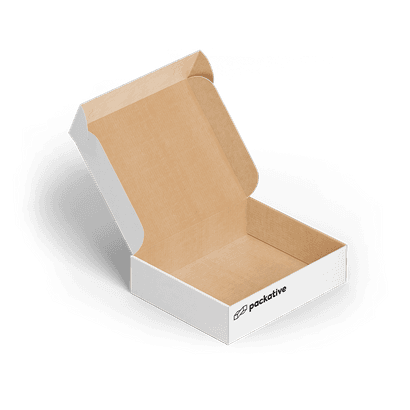
A box made by combining corrugated board with printed paper, it is ideal for packaging items attractively yet securely. This is the type commonly used as a shipping box overseas.
(2) Corrugated Gable Box
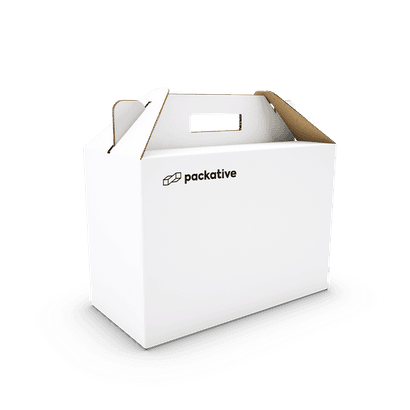
With a handle on top, it’s easy to carry, and because it’s sturdily designed, it can also hold somewhat heavier products. That’s why it’s often used for packaging herbal medicine or fruit juice.
See Packative corrugated gable boxes
(3) Corrugated Product Box
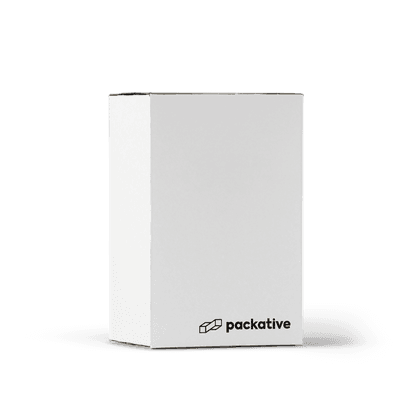
One of the most popular box styles, made from corrugated board for extra durability. It’s suitable for packaging products with some weight or when products need reliable protection. Made with white corrugated board, it allows for vibrant full-color designs.
See Packative corrugated product boxes
(4) Corrugated Two-Piece Box
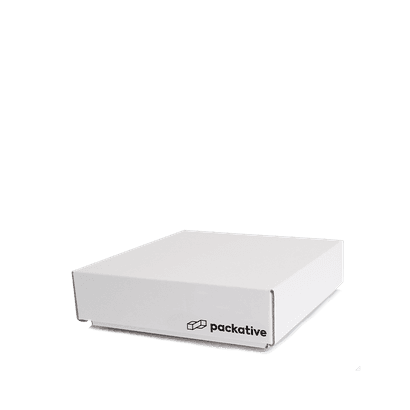
A box ideal for elegantly presenting multiple products together as a gift. Because the lid and base are separate, it can be used creatively in different ways, and its double-wall structure makes it very sturdy and stable.
See Packative corrugated two-piece boxes
(5) Sleeved Plain Mailer Box
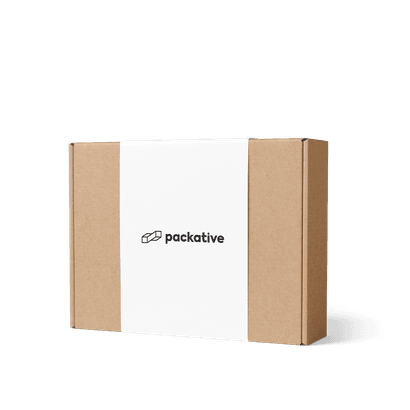
A box in which a paper sleeve is slipped over a plain corrugated mailer box. It allows for cost-effective branding while still providing solid product protection.
See Packative sleeved plain mailer boxes
2. Paper Boxes That Vary by Use and Design
Paper boxes include folding cartons, pillow boxes, and boxes for retail packaging. They are better suited to holding products directly than to shipping by courier. Depending on the use, product type, and size, there are many different kinds of paper boxes for store packaging, gift packaging, and more.
(1) Folding Carton
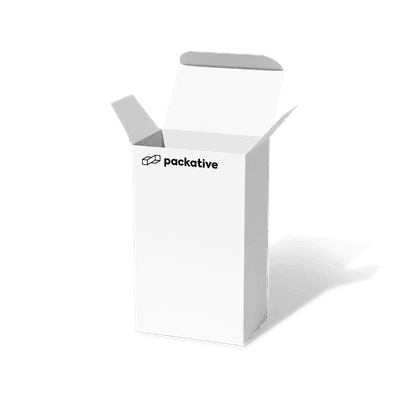
A box format suitable for retail packaging and display. Made from paper material that makes color reproduction easy, it is one of the most commonly used types for product packaging. It’s suitable for retail and easy to assemble.
(2) Slide Box
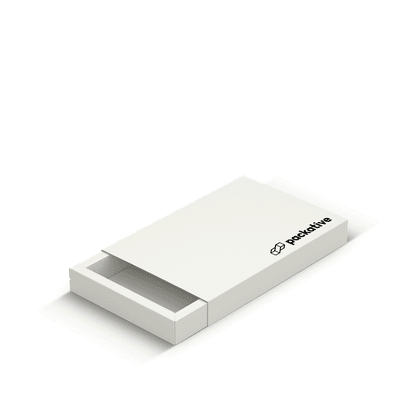
Mostly used for packaging fragile items such as sweets or glass. This durable paper box is assembled in two layers and opens and closes like a matchbox. It is often used for gift packaging.
(3) Pillow Box
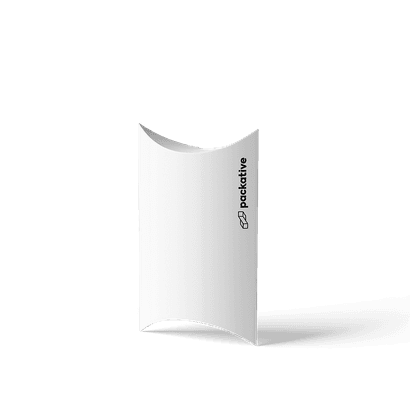
A paper box well suited for small products such as jewelry, gifts, cosmetics, candy, and accessories. It is often used by online shops, clothing stores, and accessory shops for gift packaging. It gives the impression that the giver put real thought into it.
(4) Paper Gable Box
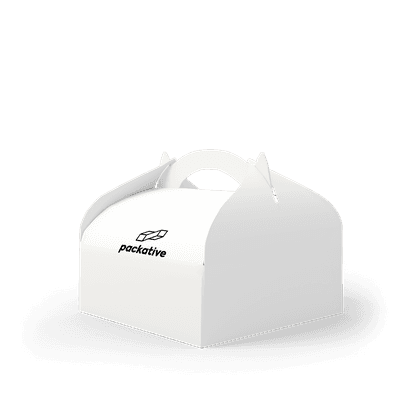
A handled paper packaging box that combines practicality and design. Because it is light yet sturdy, it can also be used for takeout desserts, and its unique look makes it easy to catch customers’ attention.
See Packative paper gable boxes
(5) Paper Two-Piece Box
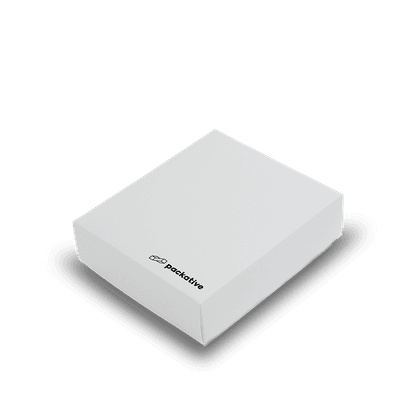
A box that can elegantly hold wide-format items such as clothing and scarves. Since the product is revealed by lifting the lid upward, it creates a unique and pleasant unboxing experience.
See Packative paper two-piece boxes
3. Simple and Practical: Adding Stickers to Plain Boxes
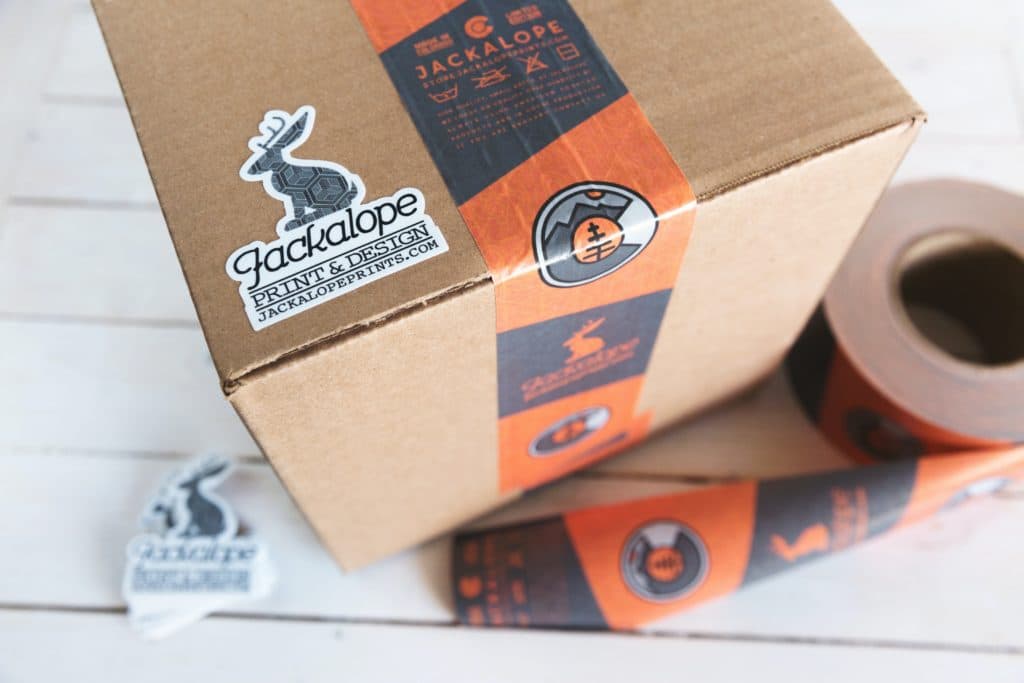
Plain boxes are boxes with no printing on the surface and limited options in size and material. They can be purchased easily from Bangsan Market or online. Since they are mass-produced, they don’t come with any basic design elements, so they are often used more for shipping disposable items for personal use than for product packaging. Instead, you can decorate the outside with stickers featuring your brand identity.
Stickers are a practical choice because they are very affordable relative to their versatility. In addition to design stickers, you can also include brand stickers along with a short note as a thank-you for the customer’s purchase.
Not sure how plain boxes, standard boxes, and custom boxes differ?
Tips for Creating Packaging That Delivers a Memorable Unboxing Experience
Over the past few years, “unboxing” has become a major trend in its own right. It’s increasingly popular on social media, and as a result it has become an essential marketing strategy in the e-commerce market. If the moment a customer opens a product package becomes a pleasant, exciting experience, it directly affects how they perceive the product and the brand. And once that unboxing experience spreads through social media, consumers begin promoting the product themselves through a single meaningful package. So how can you create packaging that delivers a high-quality unboxing experience?
1. Build Customer Relationships with Personalized, Emotional Design
 Source: Journ
“Special” is the best gift. A handwritten note, custom packaging materials, encouragement to share on social media, or a small card with the brand story all serve to directly connect the customer and the brand. By “personalizing” packaging in this way, consumers begin to perceive the seller — the brand — as human. At that moment, the act of purchasing transforms into relationship-building. Extend a hand of friendship and loyalty to your customers.
2. Include Brand-Related Goods Beyond the Product
 Source: IngenioVirtual
If building customer relationships matters to you, offering a surprise gift is also a great option. Try including a free sample or promotional item related to the product the customer purchased. Even something very small is fine. This, in itself, expands the customer’s experience with the brand. Through the surprise gift, customers feel that the seller has been thinking about them. When they receive something additional that aligns with the brand’s values and consistency, their understanding of the brand deepens, and naturally their sense of closeness to the brand grows as well. That means they are more likely to buy again.
3. Design Product Placement That Is Aesthetically Pleasing
 Source: The One Club
Imagine this: a big box with items carelessly tossed inside, and when it’s opened, the first things you see are piles of receipts and return labels instead of the product itself... No one wants that. Arranging what goes inside the box in the right place and order is also an important packaging method. You need to carefully calculate and consider the customer’s unboxing experience. Design and organize the package so that every step of opening the box and taking out the product feels appealing.
Apple’s former chief design officer Jonathan Ive said, “Packaging can be theater. It can create a story.” Jonathan Ive and Steve Jobs actually spent a great deal of time perfecting the packaging of Apple products. They “designed the ritual of unwrapping to make the product feel special.” When we buy a new smartphone, the order in which we unbox it is usually set: the box exterior, the smartphone itself, the charger, the user manual, and finally the other documents. That flow is all intentional on the seller’s part. Packaging is a “theater” that stages a story.
Just as important as the “order” of unboxing is the “fit” of the packaging box. It needs to give that perfect, just-right feeling. If the contents and the box holding them are mismatched, you can’t expect the unboxing effect described above.
How much does it cost to make a custom box that fits your product perfectly?
4. Create Bigger Excitement with Internal Packaging Materials
 Source: WestPack
Adding internal packaging materials to product packaging can heighten excitement by adding another layer of anticipation to the unboxing experience. It can deliver that delightful sense of excitement — like a child opening Christmas presents. Depending on the product, consider options such as custom-printed packaging materials, colored packaging materials, and eco-friendly packaging materials.
Brands That Make Great Use of the Unboxing Experience
1. Caraway’s Eco-Friendly, Personalized Unboxing Strategy
 Source: Twitter @bzises
Caraway Home is a direct-to-consumer retailer that sells well-designed, non-toxic ceramic cookware online. As such, it focuses on sustainable packaging practices. The brand packages and ships its products using recycled materials along with zero-waste plastic bags, low-impact printing inks, and 100% biodegradable cork trivets.
Caraway also prints individualized messages on its packaging so customers can have a personalized experience with the welcome booklet made from recycled paper and with the lids, pans, and storage units inside the box. What stands out most about Caraway’s packaging is how consistently branded the overall experience is.
2. Packaging Without Packaging: Lush
 Source: Twitter @LushAustin
There’s a brand famous for its minimalist packaging: the eco-friendly handmade cosmetics brand Lush. Sometimes, you don’t need to do everything possible to make a product package ambitious and stylish.
Lush shows the values it pursues through its packaging. All materials are 100% recyclable or reusable, and the packaging used for online shipping is also plant-based.
More than half of the brand’s products are sold “naked.” In other words, there is “no product packaging.” It’s a bold move, but the results show there’s a lot to learn from it. Lush demonstrates how a brand can actively shape the perceptions of consumers around the world who agree with the values it stands for.
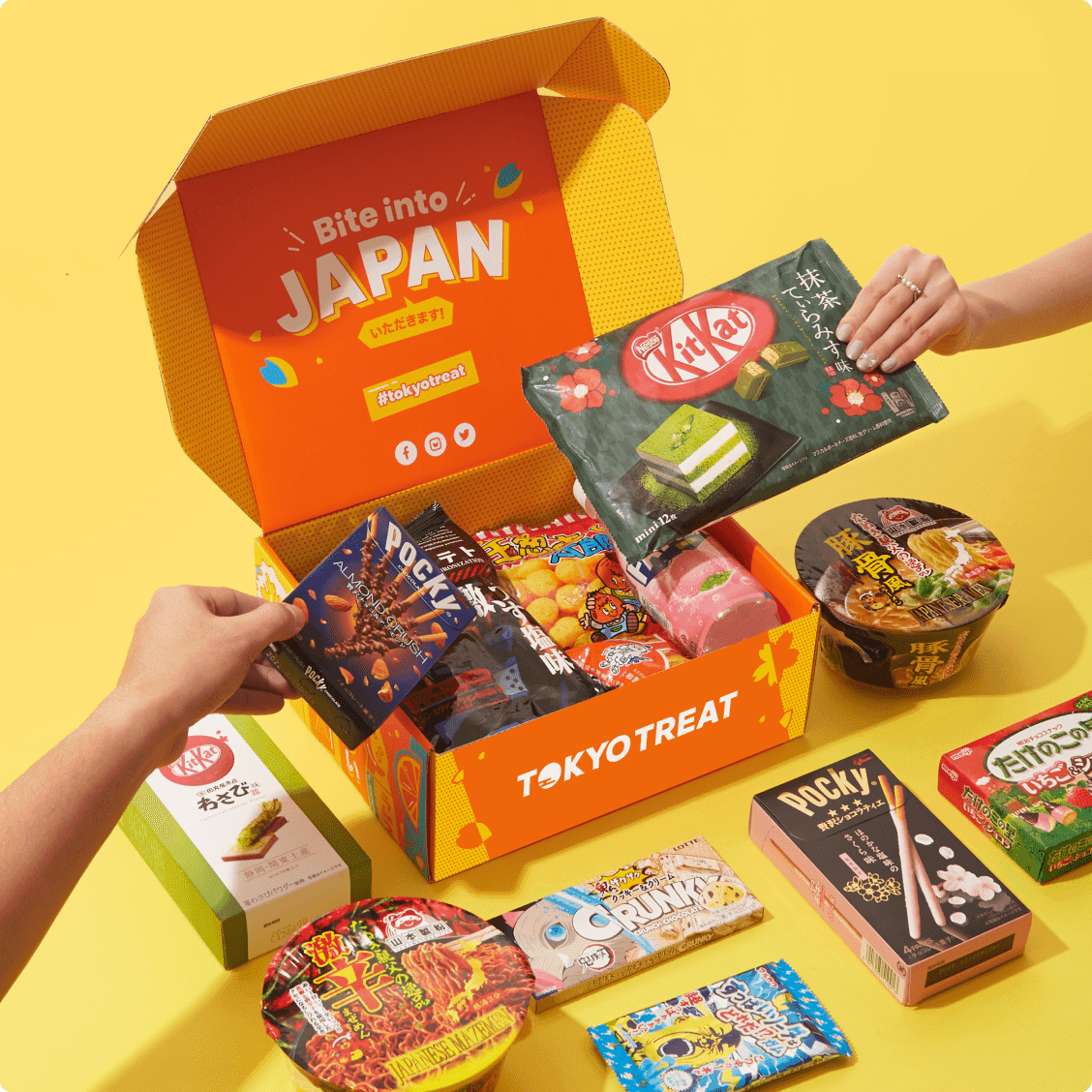
3. Instagrammable Cheerfulness: TokyoTreat
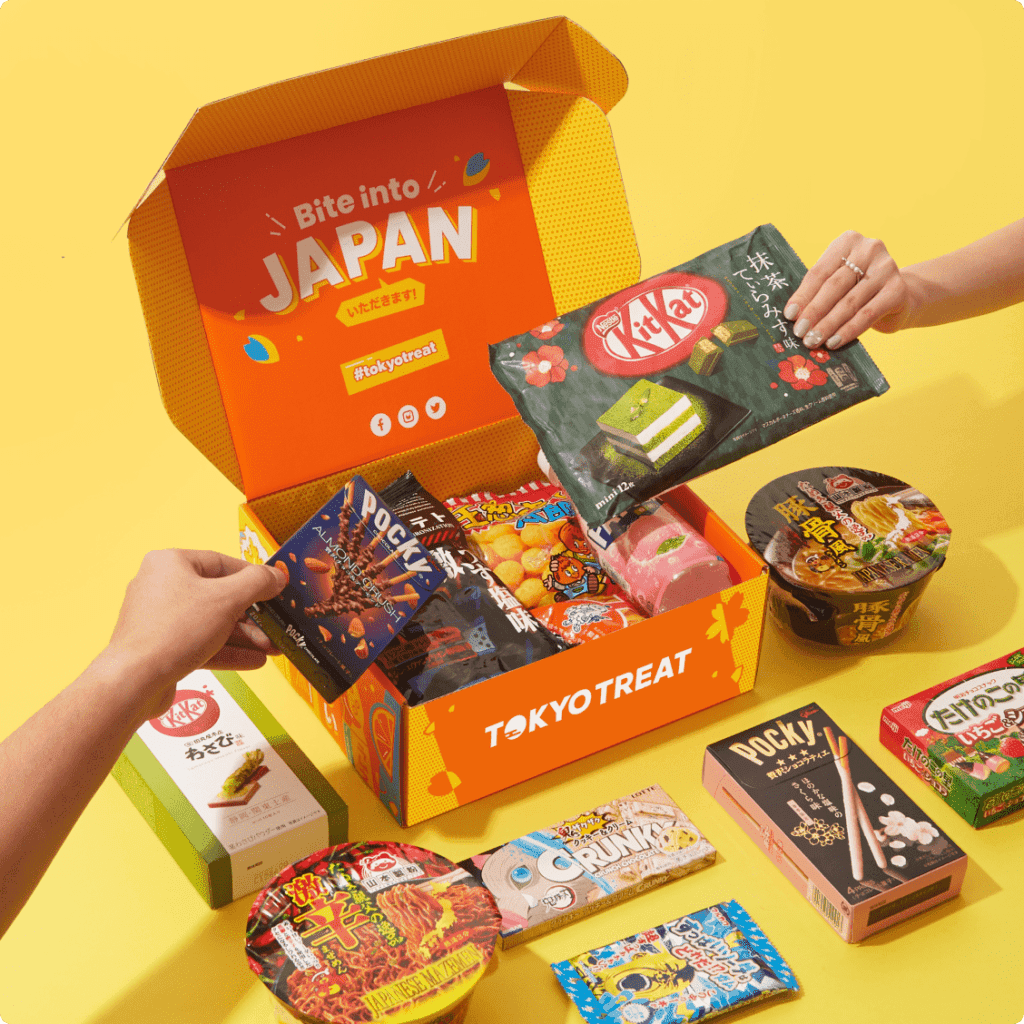
The online snack brand TokyoTreat operates on a subscription-only model, where customers subscribe to monthly snack boxes rather than buying individual snacks.
What’s interesting about TokyoTreat’s subscription box is that there is very little internal packaging in the actual box, and the color palette is limited to orange, yellow, and white. And that design clearly delivers strong branding effects.
But in fact, another major reason TokyoTreat succeeded was Instagram. When you open the box, you’re presented with icons encouraging social media uploads along with the TokyoTreat hashtag. Eye-catching packaging makes consumers want to pick up their smartphones and take a photo, and a prominent brand hashtag or social media account encourages them to share it with others. As a result, TokyoTreat has earned enthusiastic reviews and high user engagement.
Where Should You Start for an Unforgettable Unboxing Experience?
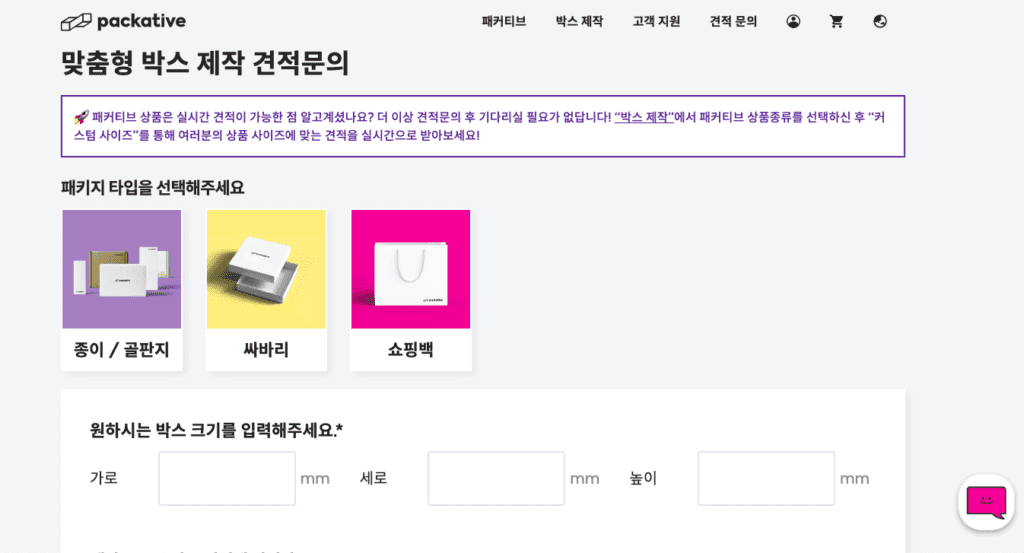
It’s not easy to try everything we’ve discussed all at once. If you’re unsure where to begin, consider commissioning a custom box tailored to your brand and product. At Packative, you can receive real-time quotes as well as detailed consultation from experts.