Post-COVID Packaging: What’s Changed in Packaging Trends in the Endemic Era?
- COVID-19 has drastically changed people’s lives around the world. In every way imaginable, to the point that it’s hard to single out just one area. And our biggest misconception was the idea that once COVID-19 ended, everything would simply ‘go back to how it was before.’ But after spending nearly three years living ‘with’ COVID-19, we quickly adapted to new ways of life. The COVID-19 pandemic was never just a short-lived event. It prompted humanity to rethink every aspect of how we live. We are now truly living in a new era.
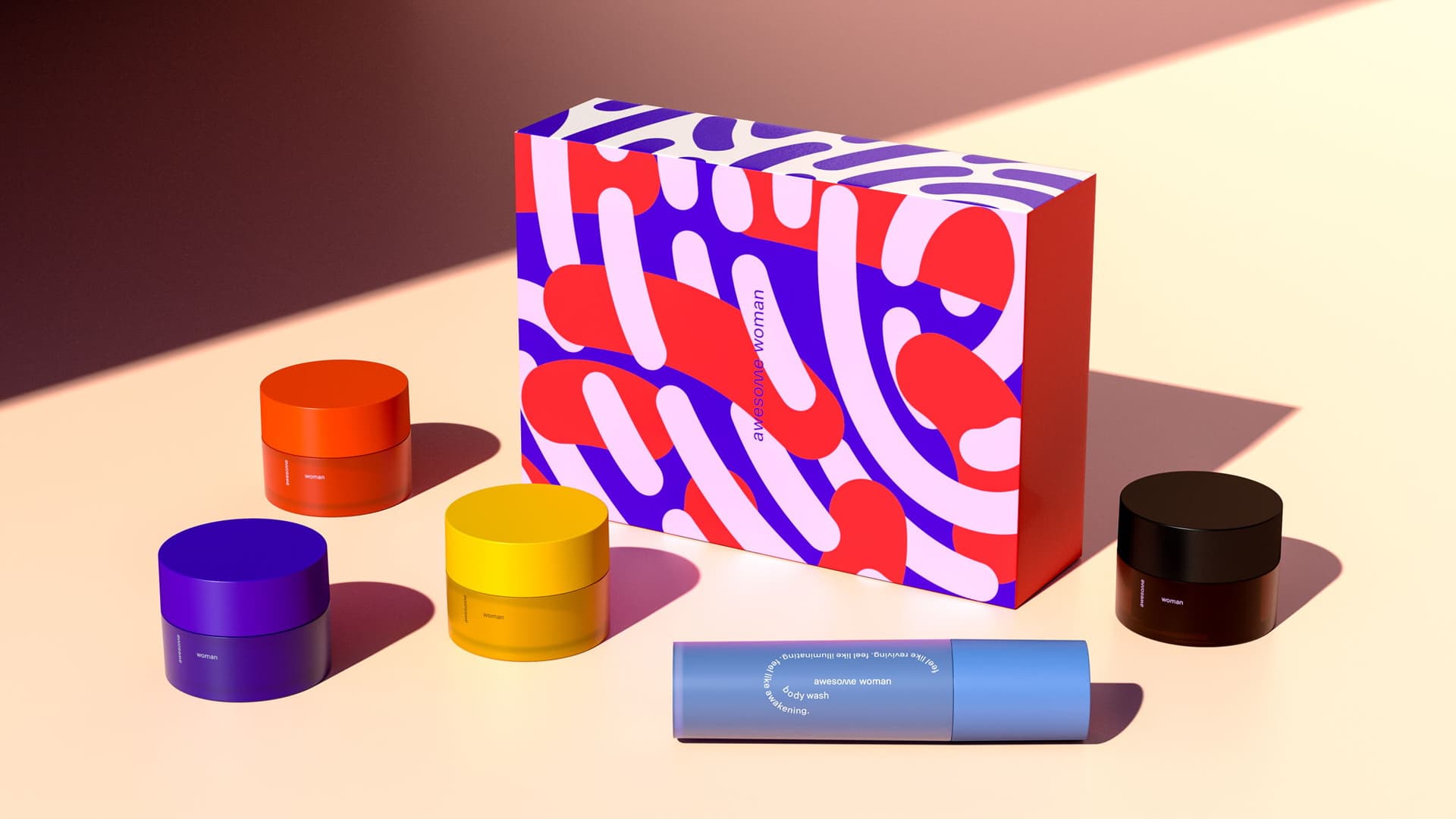
-
COVID-19 has drastically changed people’s lives around the world. In every way imaginable, to the point that it’s hard to single out just one area. And our biggest misconception was the idea that once COVID-19 ended, everything would simply ‘go back to how it was before.’ But after spending nearly three years living ‘with’ COVID-19, we quickly adapted to new ways of life. The COVID-19 pandemic was never just a short-lived event. It prompted humanity to rethink every aspect of how we live. We are now truly living in a new era.
 Source: dieline.com
Like everything else, the buying and selling of products has also entered a completely new era. Today’s consumers evaluate and purchase products in far more multidimensional ways than before. They consider how a single purchase may affect not only themselves or their country, but the world at large. As a result, sellers’ sales strategies have changed as well. Where the old approach was to layer on embellishments and exaggerate a product to make it look better, the trend now is to be more transparent, more honest, and to shed unnecessary outer layers. The meaning of ‘packaging’ itself has changed.
 Source: dieline.com
Having experienced the ‘invasion’ of COVID-19, consumers are now used to looking further ahead. When they buy products, they read the values those products stand for. They pay attention to the direction the brand is heading in. And through their purchases, they want to express and share their own beliefs. Let’s take a closer look at the packaging characteristics that have changed in the ‘post-COVID’ era.
Safety and Hygiene: The Love-Hate Relationship with Plastic
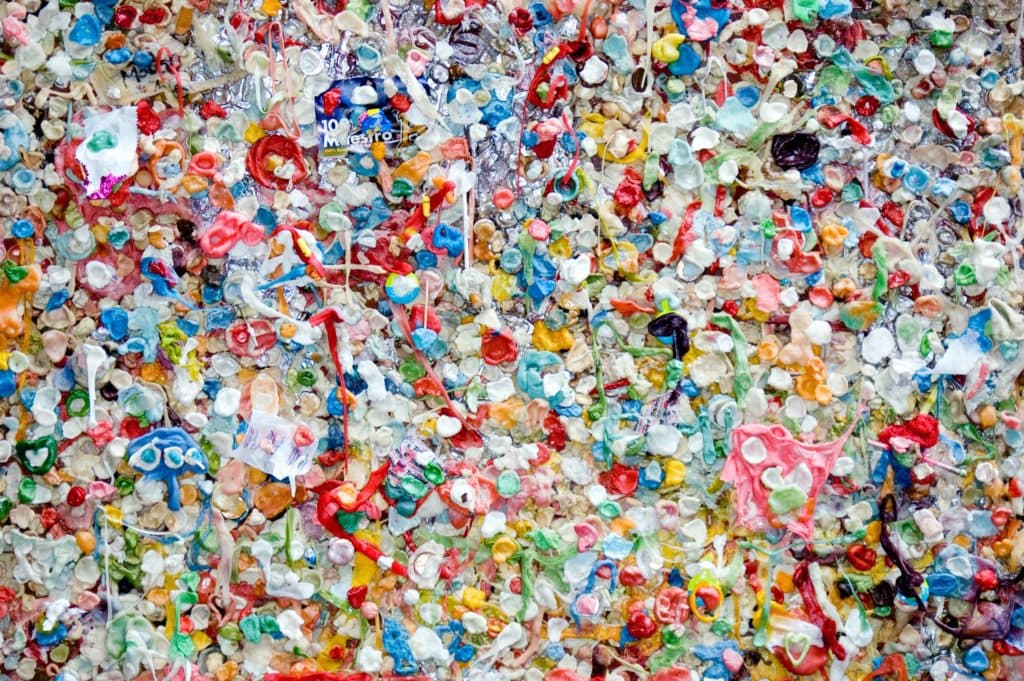
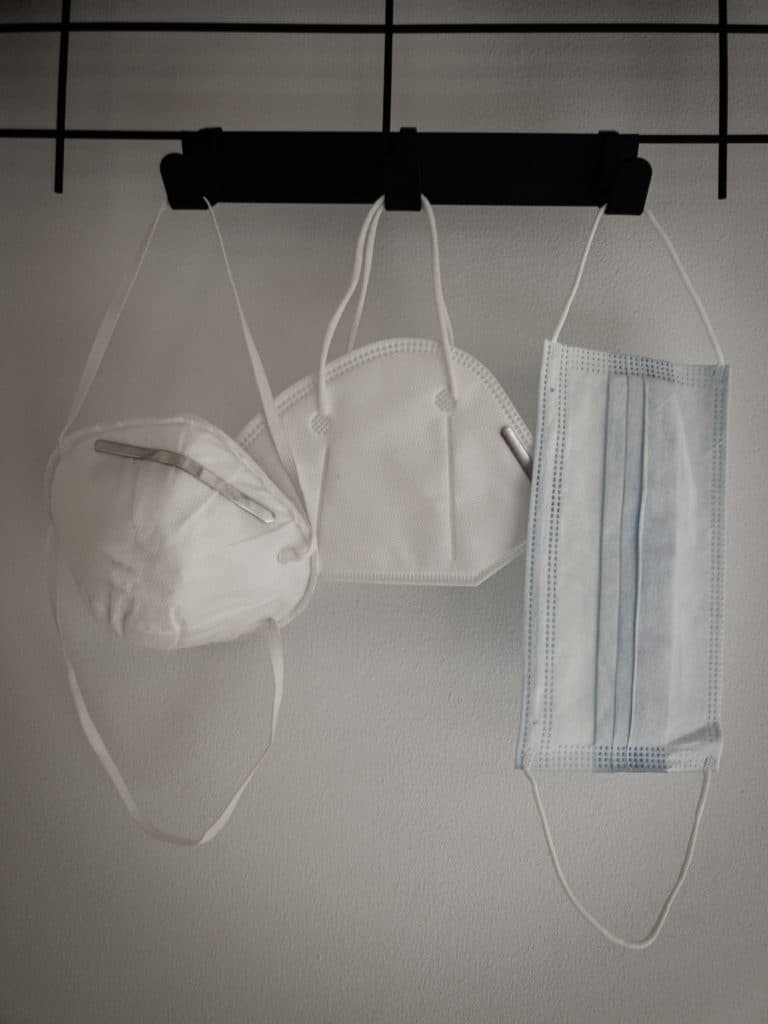
It would not be an exaggeration to say that the history of COVID-19 is also the history of plastic. Plastic use has swung back and forth throughout the pandemic. In the early days of the outbreak, plastic consumption rose sharply. People could not go out, so product deliveries and food delivery increased, and everyone used disposable containers to help prevent the virus from spreading. With the surge in masks, hand sanitizers, and antibacterial wipes, plastic used in the manufacturing and packaging of those products also increased.
But this trend quickly became a problem. Everyone immediately began to feel plastic’s harmful impact on the environment. In response, the atmosphere shifted just as quickly. ‘Eco-friendly’ was no longer a choice or a trend, but a necessity. The fastest change began in packaging, which accounts for a huge share of everyday plastic use. Since disposable packaging is still unavoidable in a world where people must remain cautious about infectious disease, recyclable paper packaging became extremely popular. It was the conclusion reached by consumers and sellers alike in an era where safety, hygiene, and the environment all have to be considered at the same time.
Eco-friendly packaging is also an effective marketing strategy
The Greatest E-Commerce Boom in History
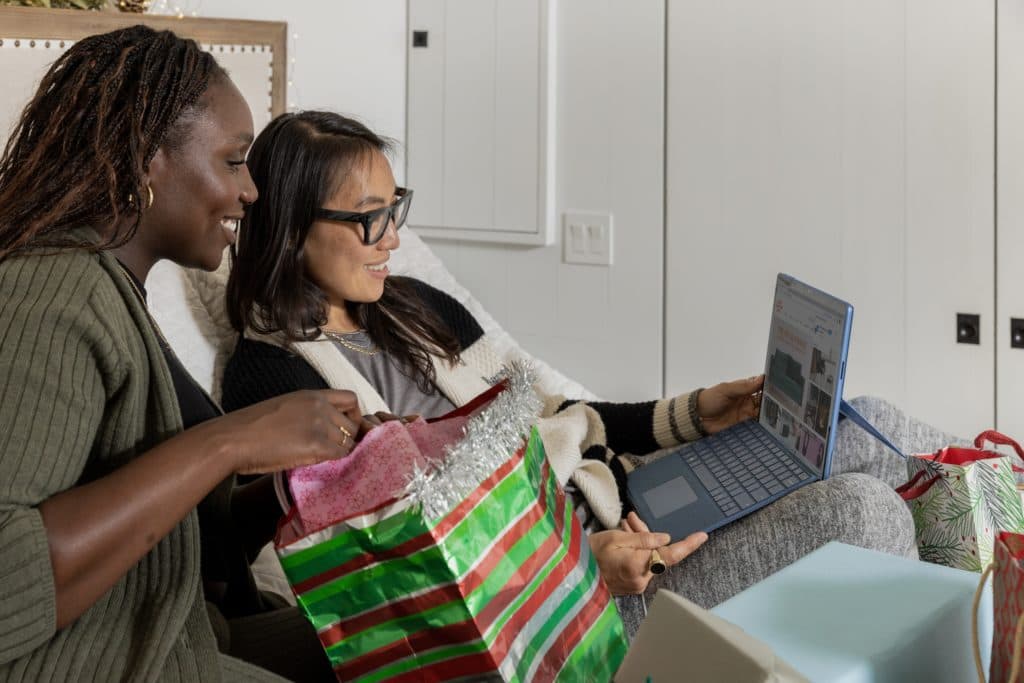
This is not simply a matter of ‘fashion’ or ‘preference.’ E-commerce has now become a new and fully established way of life for humanity. In the early days of the pandemic, buying products online was something people did because they had no choice. Going out itself was difficult. But now that people are free to go out again, they shop online for different reasons. Consumers have finished adapting to the e-commerce market, which quickly adjusted and evolved in the early stages of the pandemic.
As e-commerce volume surged, many issues also emerged, such as packaging waste and concerns about delivery workers. However, rather than pushing consumers back to offline retail, these issues were gradually addressed and, over time, actually led people to stay even more firmly in the increasingly stable online market.
Now, for every brand and seller, ‘transportation’ and ‘packaging’ have become necessarily important. And that created new opportunities for sellers. As the range of products sold through e-commerce expanded, the need for customized packaging also grew. Since custom packaging is directly tied to branding and marketing, demand naturally increased for boxes designed to match a brand’s and product’s image. In other words, the ‘e-commerce boom’ was also a ‘box manufacturing boom.’
E-commerce: How to expand overseas too
Sustainable Packaging Is Essential
We are now in the age of sustainability. Going through the pandemic made people realize that perhaps humans were not the true masters of the planet after all, and that if things continued this way, we might truly lose it. Plastic, which has been deemed unsustainable for both humanity and the planet, has gradually been pushed out. Consumers now seriously look at recycling, alternative energy, transparency in production processes, raw materials and inputs, and nutritional labeling information.
These factors determine the image a brand creates in consumers’ minds. Is your brand one that pursues sustainability? If so, how can customers know that? Packaging products appropriately without unnecessary waste can also be a meaningful act of sustainability.
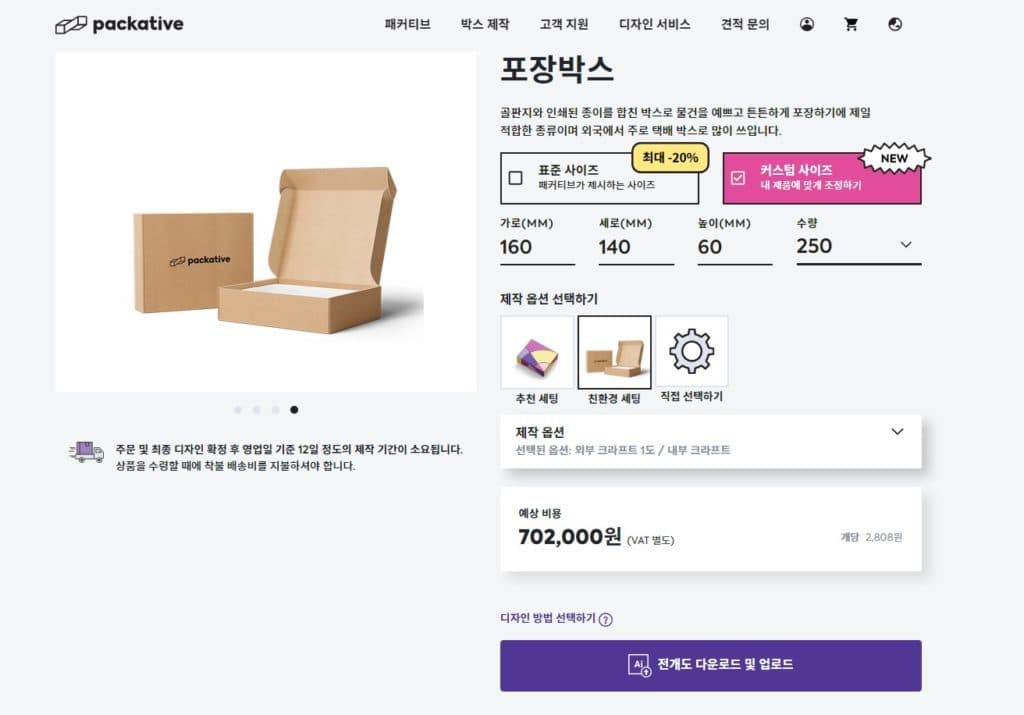
At Packative, when you order custom packaging boxes, you can choose a special ‘eco-friendly’ option. Because Packative pursues sustainable packaging, this kind of eco-friendly setup is recommended as a default option. It’s the best choice for both packaging efficiency and sustainability.
Try it now in just a few steps
Are Only Brown Boxes Eco-Friendly?
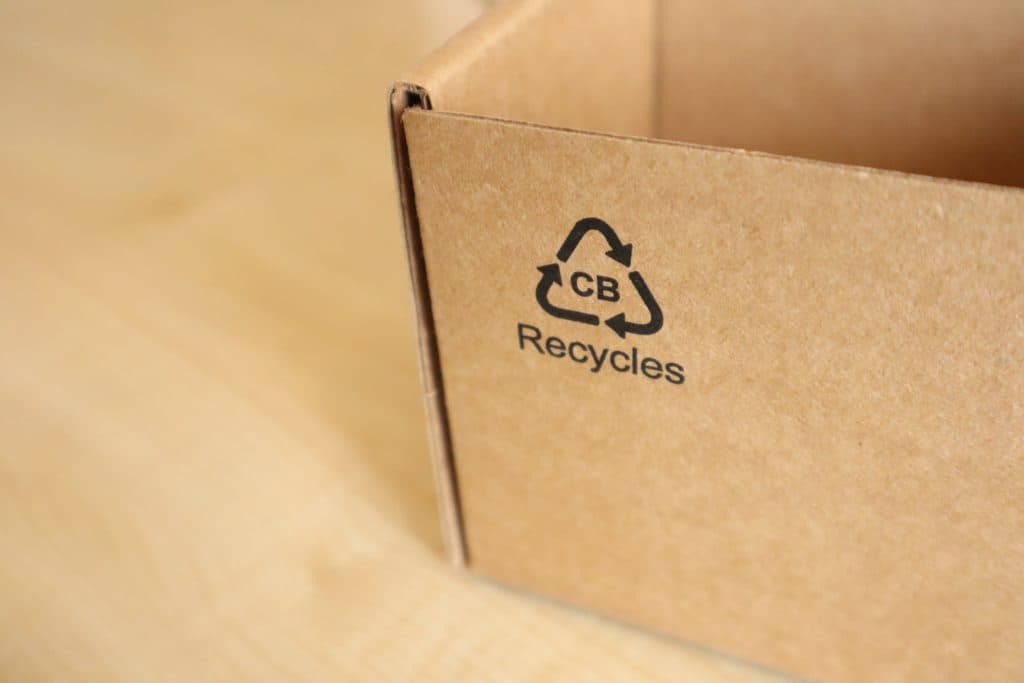
When you think of ‘recycled paper’ or ‘eco-friendly paper,’ what comes to mind? It is generally assumed that a rough surface and a yellowish-brown color are what make paper look ‘eco-friendly’ and ‘sustainable.’ But that is no longer the case. ‘Naturepack,’ an eco-friendly paper made from bamboo pulp, offers not only biodegradability but also antibacterial benefits, and it comes in a variety of color options.
Get to know ‘Naturepack’ better
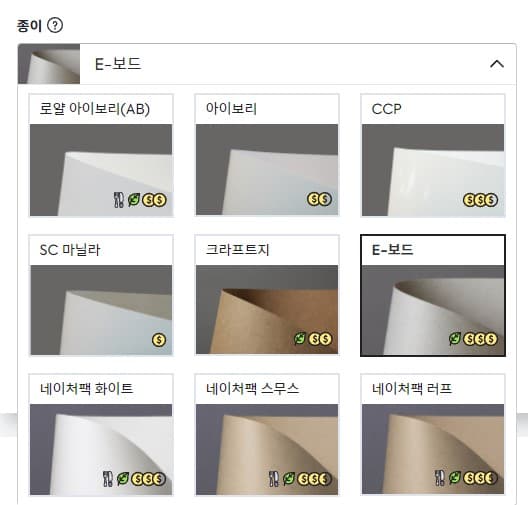
At Packative, you can choose the paper type you want when customizing your box. Choosing Naturepack paper is one of the best ways to create eco-friendly packaging. Using eco-friendly paper does not mean you have to give up design elements. That is the advantage of Packative’s custom boxes. You no longer have to stop at simply choosing an ‘eco-friendly material.’ You can make even more choices within eco-friendly materials.