The Changing Landscape of E-Commerce Trends and Future Strategies
The COVID-19 pandemic brought unprecedented change to the e-commerce market. Consumer purchasing behavior shifted rapidly toward contactless formats, and for most businesses, entering online channels became a matter of survival. Quickly identify e-commerce trends and plan your next strategy...
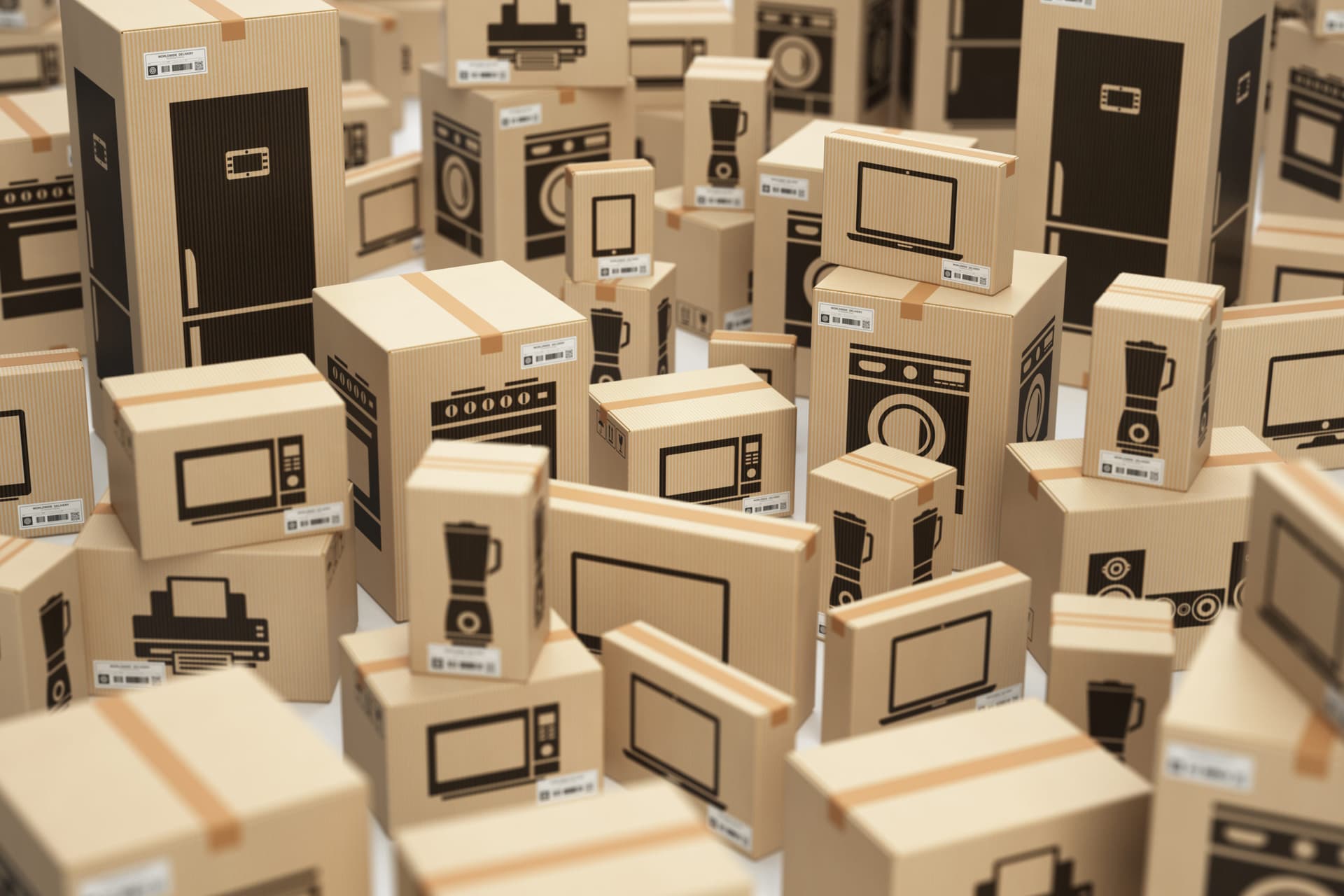
The COVID-19 pandemic brought unprecedented change to the e-commerce market. Consumer purchasing behavior shifted rapidly toward contactless formats, and for most businesses, entering online channels became a matter of survival. Quickly identify e-commerce trends and plan your next strategy.
Changes in Consumer Behavior
With lockdowns and social distancing, people began spending more time at home, and industries that rely heavily on offline use — such as restaurants, travel, and luxury goods — have seen a decline in consumption. In contrast, online services and everyday product sales have surged dramatically.
Continued Growth of E-Commerce
Products that were once sold mainly offline have now entered the online market. Many brands are moving online to survive, while others are expanding or shifting online to seek greater revenue, more opportunities, and new consumer segments.

Also, during the SARS outbreak in 2003, offline sales in China dropped sharply and the country underwent rapid digitalization. Alibaba posted 50% growth, and Taobao became the world’s No. 1 e-commerce platform. Since then, e-commerce has continued to grow, and much like during SARS, the COVID-19 pandemic has also accelerated its spread by restricting offline shopping.
Another key pillar of e-commerce: Learn about Gen Z
Improved Delivery Systems
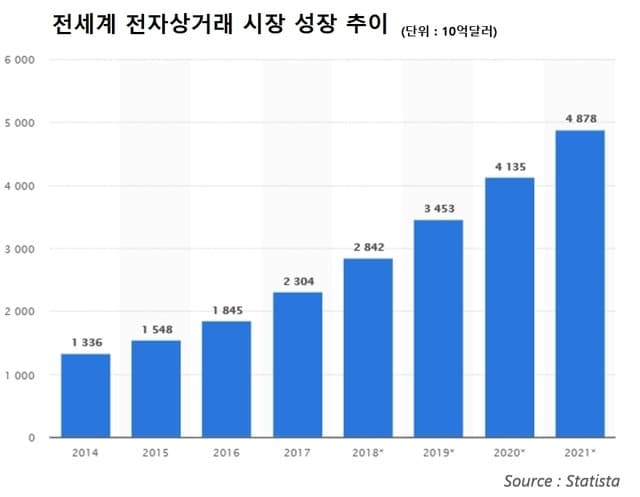
Flexible delivery schedule options are making the e-commerce experience even more convenient for consumers. Same-day overnight delivery, where an order placed one day arrives the next dawn, is now supported by most online commerce platforms, and international shipping costs have also dropped significantly. With the commercialization of these varied delivery options, e-commerce is capturing consumers by matching some of the immediacy of offline shopping.
Lower Barriers to Entry
The barriers to entering e-commerce as a business have also become much lower. Businesses that once struggled with website development can now purchase websites, or sell more easily by joining established e-commerce platforms such as Coupang. As the time and cost required to build e-commerce operations decrease, more brands are expected to move online.
Learn more about direct-to-consumer commerce
E-Commerce Trend 1 - The New Normal of Omnichannel Shopping
In this environment, consumers are now enjoying the most optimized shopping experience by moving seamlessly between online and offline channels.
Omnichanneling refers to the integration of online and offline channels that provides consumers with a seamless, consistent, and flawless experience across multiple sales channels and touchpoints. According to a study published in the Harvard Business Review, 73% of respondents said they regularly use multiple channels to purchase even a single product. With the growth of mobile devices and AI speakers, the number of omnichannel consumers is expected to increase further.
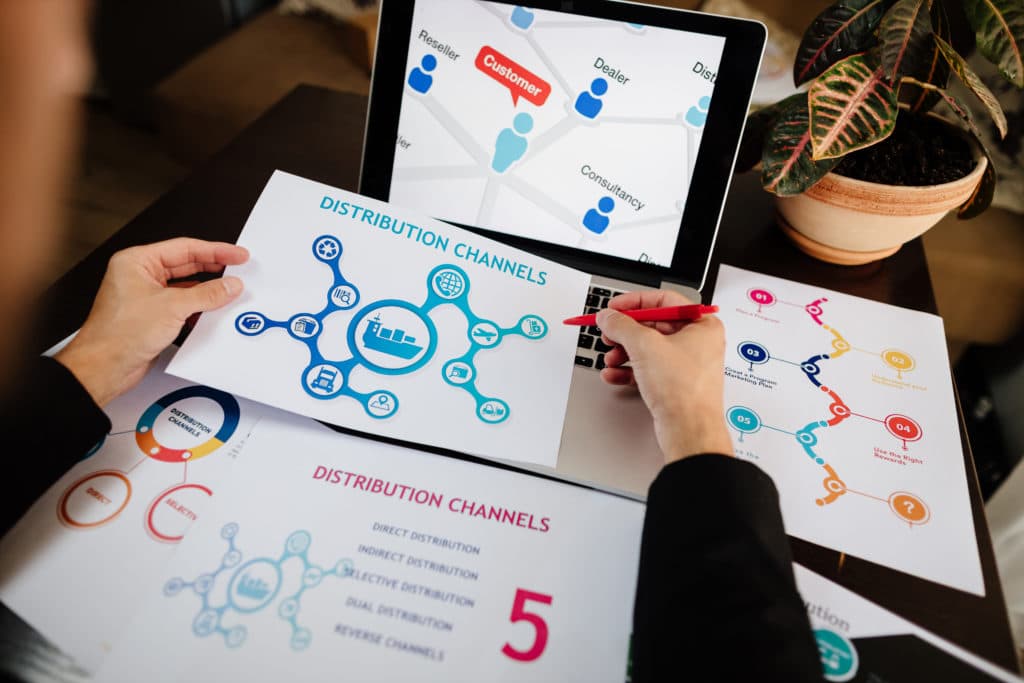
Here are some ways to create a smoother omnichannel experience:
- Optimize your website and mobile experience. Make sure photos and text are clearly visible on mobile screens so you don’t lose smartphone shoppers.
- Use tools like SAP Commerce Cloud to create a comprehensive yet personalized e-commerce experience.
- Deliver a customized customer experience at as many shopping stages as possible, from the moment someone first enters your website until the product is delivered. Offering gift-wrapping options and creating beautiful packaging that brings delight and anticipation upon delivery also helps build a pleasant experience!
Design your own branded gift box with Packative
- Offer a variety of purchase options:
- Pay online and pick up in store
- Buy in store and have it delivered to your home
- Buy online and have it delivered to your home
- Add a gift-wrapping option
Increase repeat purchase rates with custom boxes
E-Commerce Trend 2 - The Battle of Visuals: From Websites to Package Design
In e-commerce, where products cannot be seen in person, a design that allows shoppers to view products in as much detail as possible is essential. As a result, e-commerce design trends will likely move toward simple, minimalist designs focused on the product and free of distractions.

However, visual commerce is not just about applying design to product detail pages. It is about layering the brand image across every place where consumers engage and pay attention. Therefore, from the moment a consumer makes a purchase to the moment they receive and open the parcel, the brand image should be felt throughout the entire process.
That is why, for brand differentiation, physical packaging has become even more necessary as a design element that enhances the product experience. Ninety percent of Tiffany products may have nothing to do with mint green, but just as everyone expects a mint-green box when buying jewelry from Tiffany, if a brand’s packaging and shipping box reveal its identity and story, consumers will form a deeper impression of the brand, and the product itself will benefit from a halo effect, appearing even better than if it had arrived in a plain corrugated box.
Why product planning and package design should happen at the same time
Ways to improve visual commerce:
- Convert product images from JPG files to JPEG2000 or WebP formats to improve image quality and upload speed.
- For popular products, provide more detailed information through 360-degree rotating images or video.
- Design branded packaging to carry your brand image all the way to offline delivery.
- Reuse user-generated content to expand touchpoints with consumers and grow your own pool of brand influencers.
- Create visual shopping ads on social media such as Pinterest and Instagram, and link them to your website to drive sales.
Creating User-Generated Content (UGC): Unboxing!
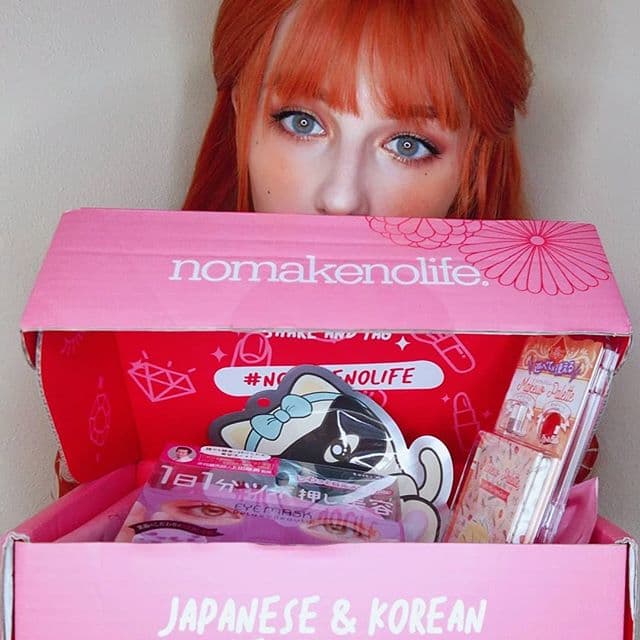
User-generated content (UGC) is one of the rising trends in recent years. UGC is essentially created by consumers and becomes a major asset for the brand. Examples of UGC include product reviews in e-commerce, images and review posts shared on social media, and shopping videos such as haul reviews that are reposted on a brand’s own platform.
The strength of UGC lies in the fact that consumers create high-quality product photos and content on their own and share them with other consumers without the brand having to spend heavily on image production. It also has tremendous word-of-mouth power, and when a brand adopts and shares good content, consumers feel great joy and loyalty. For this reason, many brands have recently adopted UGC-based promotional strategies to build a friendly image and encourage customer loyalty.
 G형 박스, 포장박스, 포장상자, 메일러 상자, 택배용 상자
If you still don’t fully understand UGC, a representative example of a brand that successfully used it is Starbucks’ #redcupcontest campaign. Starbucks encouraged people to share the most creative interpretation of Starbucks’ limited-edition red cup with the hashtag #redcupcontest, and as consumers participated in the event, Starbucks enjoyed a strong promotional effect for both the brand and the product. It was a great marketing campaign that inspired participation by allowing people to add their own illustrations to packaging that evoked a year-end feeling while still showcasing the most important element of Starbucks’ brand identity — the Starbucks logo.
Unboxing content is also one of the most effective forms of UGC. Recently, brands have even created separate design packages for influencer kits to produce unboxing videos, so you can imagine the scale of influence UGC can have.
If you want to learn more about unboxing content: Unboxing - A new marketing trend that came with the rise of e-commerce
Create a box for your brand to encourage user-generated content with Packative
E-Commerce Trend 3 - Building a Sustainable Consumption Culture
Ethical consumption has been a hot topic for the past few years. Ethical consumption refers to actively pursuing a sustainable consumption environment by choosing products that are produced in an eco-friendly way, can be recycled, or are designed to minimize environmental harm.
According to the Harvard Business Review, 65% of consumers currently want to buy products from brands that operate sustainably and behave ethically as companies. As ethical consumption has become not just a niche trend but a lifestyle expectation demanded by the majority, brands increasingly need to act responsibly and ethically in line with the times and society. E-commerce brands therefore also need to place greater emphasis on eco-friendly activities in future value-creation efforts.
Even major e-commerce brands are looking for ways to add more sustainable alternatives to their value-creation activities. For example, Amazon, the world’s No. 1 e-commerce brand, has promised to reduce carbon emissions to zero by 2040. E-commerce brands must now seriously consider sustainability.
Ways to attract green consumers to e-commerce:
- Set out concrete sustainability measures. Decide how you will contribute to the environment, set deadlines, implement your goals, and share them with the world.
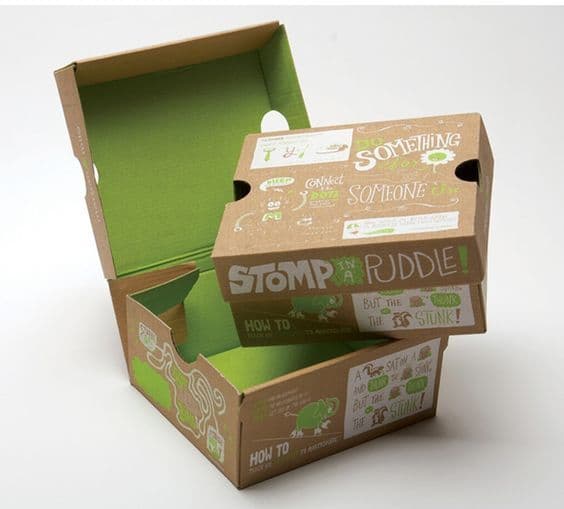
- Use eco-friendly packaging. Plastic packaging is one of the worst choices. And because e-commerce depends on shipping, the pollution generated by packaging is enormous. Therefore, when shipping products, create packaging that is as eco-friendly as possible by using recyclable and biodegradable raw materials such as paper boxes, and reduce the use of cushioning materials.
- Look for more eco-friendly alternatives even for the components used in your products. Or add a new “eco-friendly” product to your lineup and promote it.
The first step toward becoming a sustainable brand: Explore eco-friendly packaging
Looking at e-commerce trends...
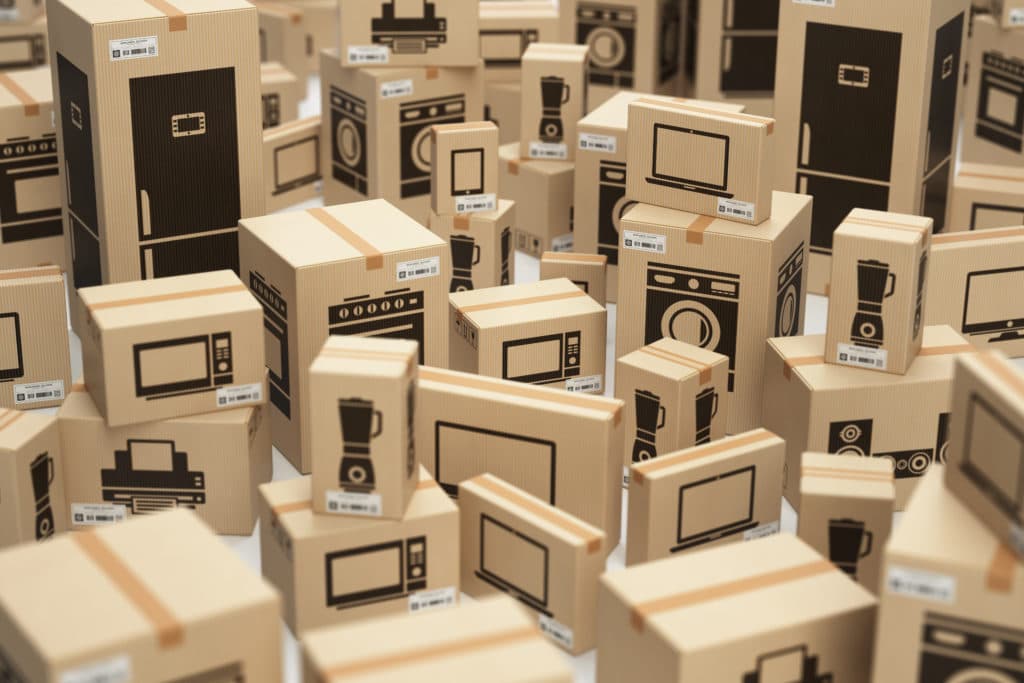
As social changes and people’s lifestyles shift rapidly, new technologies and new approaches continue to emerge in consumer culture. Perhaps AR/VR technology will change consumers’ online shopping behavior, or perhaps consumers will reduce spending in order to seek stability amid such rapid change, or maybe they will increase spending to celebrate as the crisis ends. But one thing is certain: the shift toward online consumption has begun, and it will be difficult for offline markets to win back that share. In the end, the flow of consumption is simply moving away from inconvenient habits toward more refined, polished, and convenient experiences.
Since e-commerce is expected to dominate the market, sellers participating in the market will need to build future plans while keeping the latest e-commerce trends in mind as much as possible.
Check out the package design checklist
Key Takeaways:
- E-commerce is not a short-term revenue-boosting strategy, but a long-term essential strategy to prepare for the ongoing shift to online consumption.
- The cost of setting up an online store will become cheaper and more convenient.
- Open-market platforms such as Gmarket, Naver Store, and Coupang are making it easier to launch a small mono-brand online store.
- Online shopping will become more personalized and more automated.
- Because offline stores cannot compete on the same footing, greater emphasis will be placed on visual elements in e-commerce.
- To increase consumer satisfaction and loyalty, brands should use visual package design that encourages the spread of user-generated content.
- Since consumers are still highly focused on sustainable consumption, e-commerce must also demonstrate sustainability through eco-friendly packaging and related efforts.
Are you currently operating an offline-focused store? It’s not too late — start preparing to enter e-commerce. And don’t forget to prepare packaging that captures the mood and experience of your offline store with Packative!