Types of Coatings Used in Paper Packaging and Why Coating Can Also Affect Sales
If paper packaging is used without coating, it cannot protect the contents from external contaminants such as water or oil. If you are considering paper boxes for your product packaging, you should know the different types of coating. Learn about the various coating options and find out which one is right for you...
If paper packaging is used without coating, it cannot protect the contents from external contaminants such as water or oil. If you are considering paper boxes for your product packaging, you should know the different types of coating. Learn about the various coating options and get help choosing the one that’s right for you.
What Coating Is and What It Does
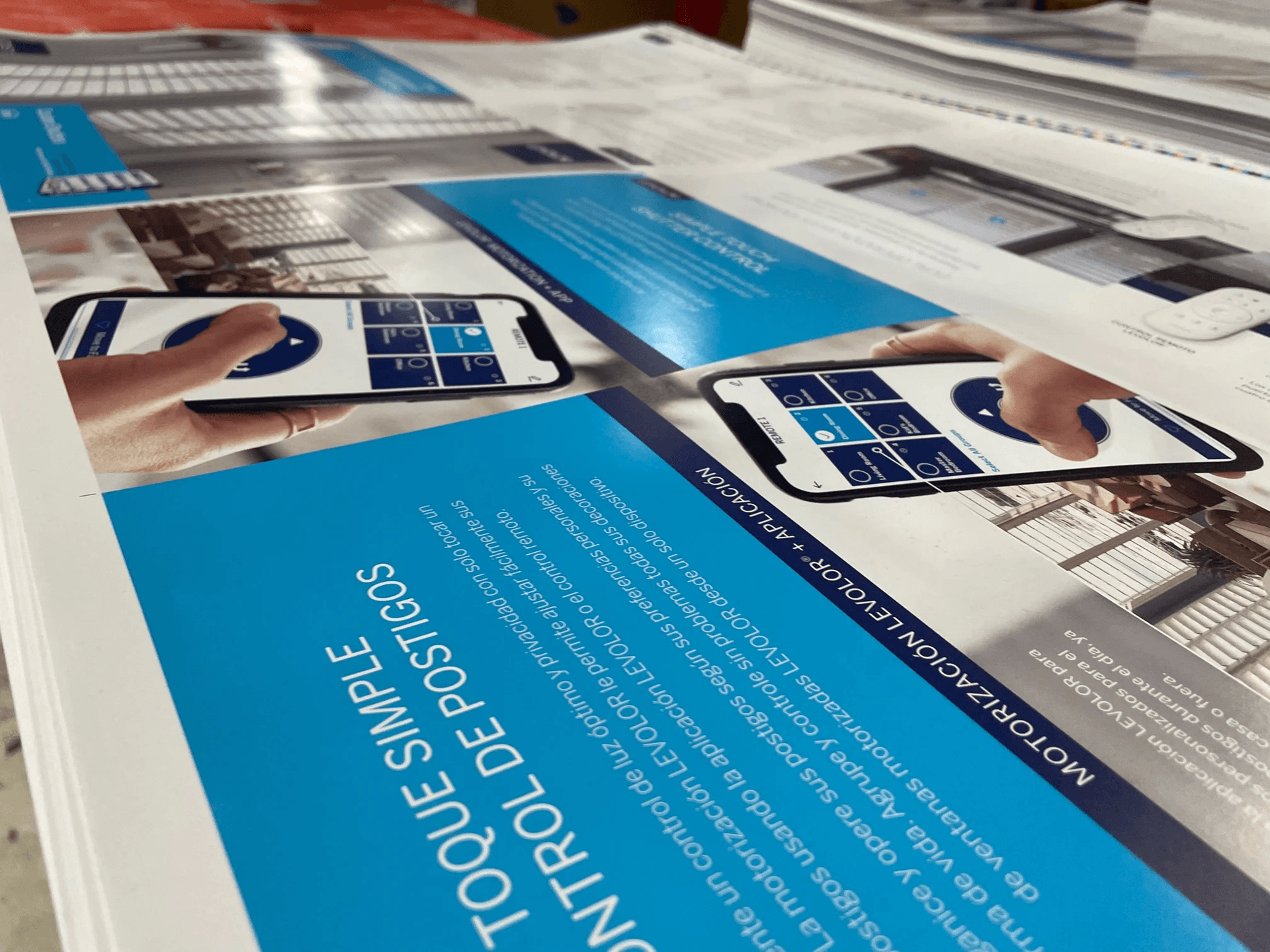
The word coating comes from the English word “coat,” which means “to cover.” In other words, coating is the process of applying a film to printed material to make the paper surface smoother and more durable. This protects printed sheets from various kinds of damage and discoloration while improving both the finish and durability of the printed material. Coating also serves an aesthetic purpose. By using different coating materials, you can give printed materials a more premium and refined look.
Paperboard Coating: For Retail
There are roughly four main types of coating, and the first is paperboard coating. It is most commonly used when retailers package products, and there are two methods frequently used for paperboard coating.
1. Lamination
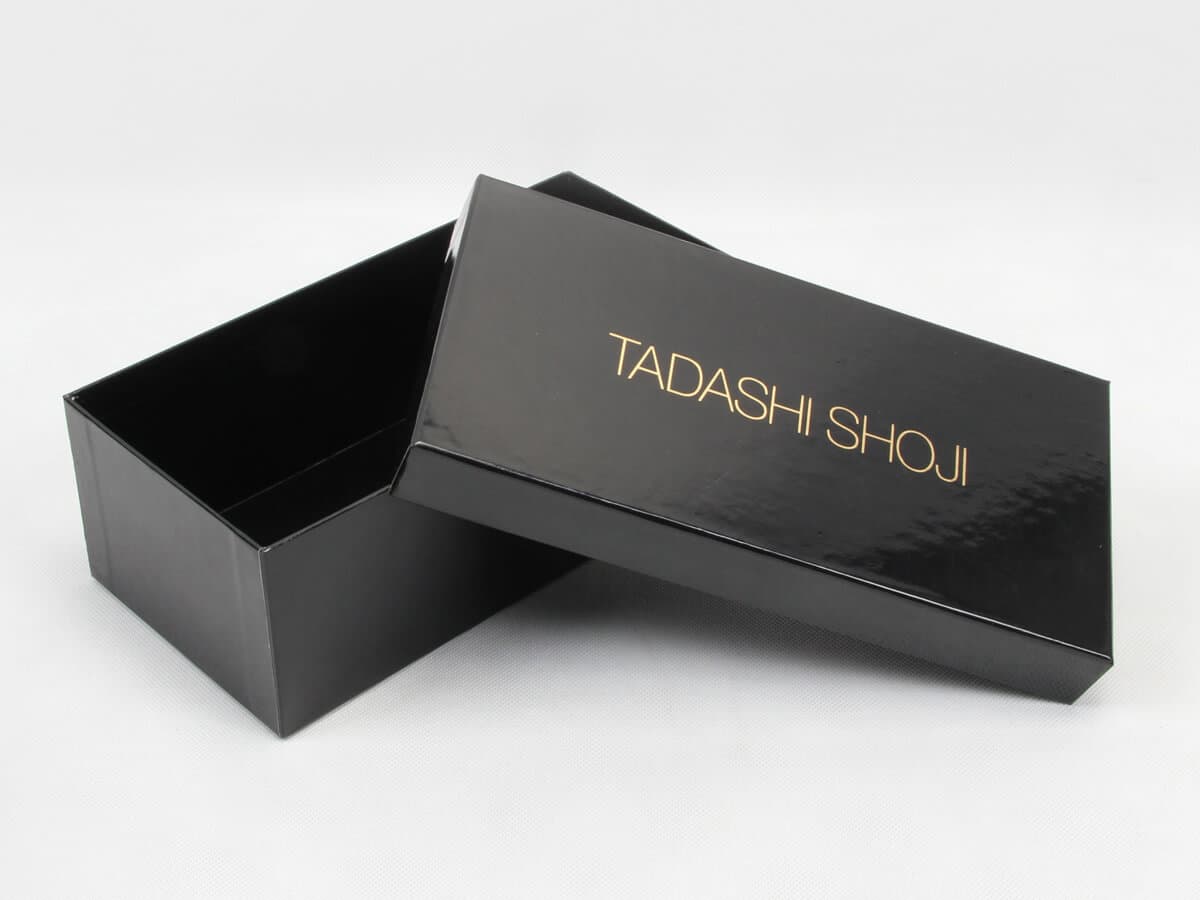
Lamination, or laminating, is a coating process in which one or more thin, transparent plastic films are applied to printed material and then firmly bonded using high heat and pressure with a laminator. Lamination makes printed colors stand out more vividly and is especially effective at protecting printed material from moisture.
2. UV & AQ Semi-Gloss Finish
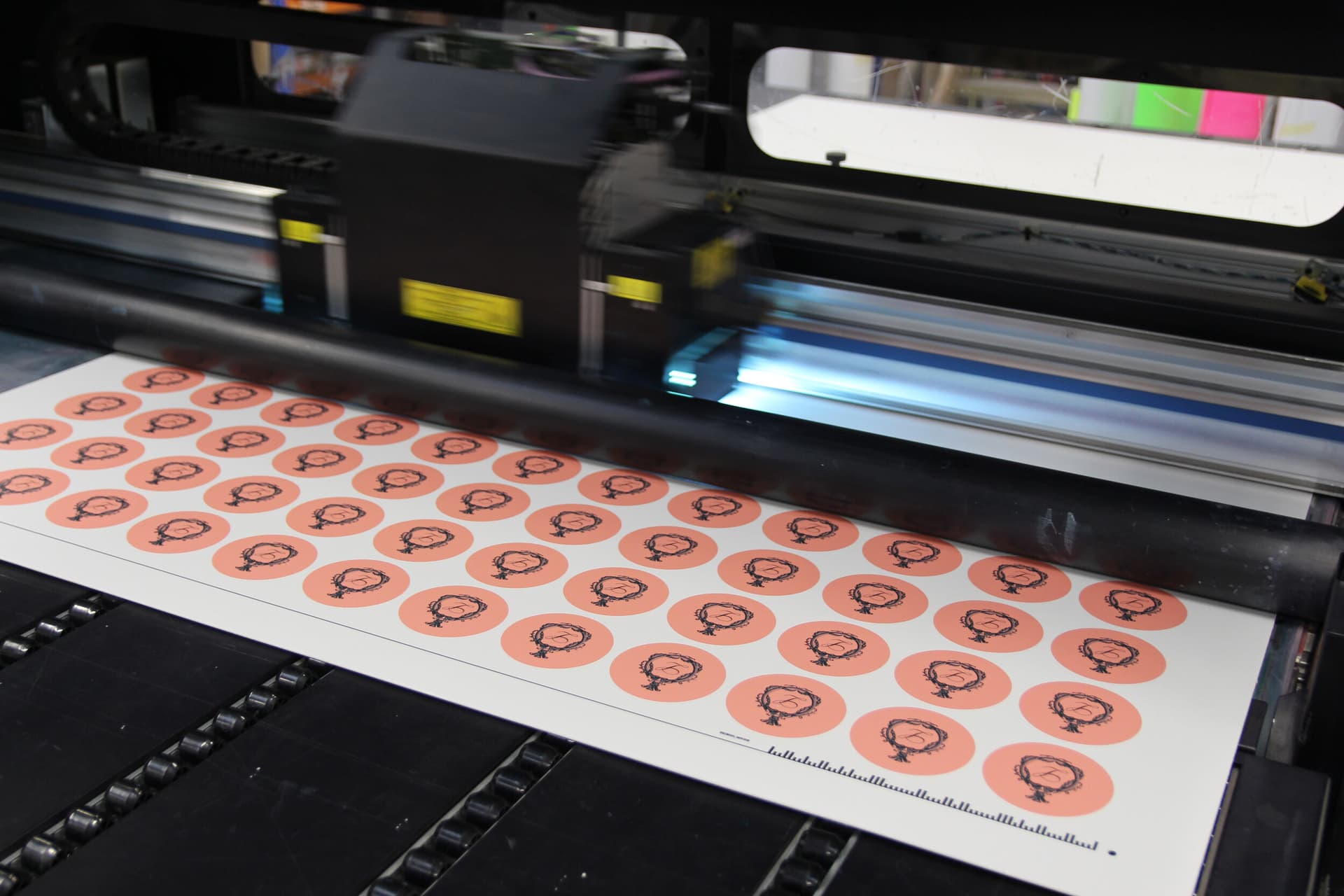
Semi-gloss, or low-gloss coating, is a relatively low-cost coating method. AQ coating is a water-based coating that is suitable for food use and is environmentally friendly. While AQ coating has a rather subtle sheen, UV coating produces a gloss effect similar to lamination. UV coating is applied in liquid form and then exposed to ultraviolet light for bonding and drying. Both UV and AQ coatings are more eco-friendly than lamination, but they do not provide the same level of protection as lamination. On the other hand, they are faster to produce and less expensive.
Corrugated Board Coating: For E-Commerce
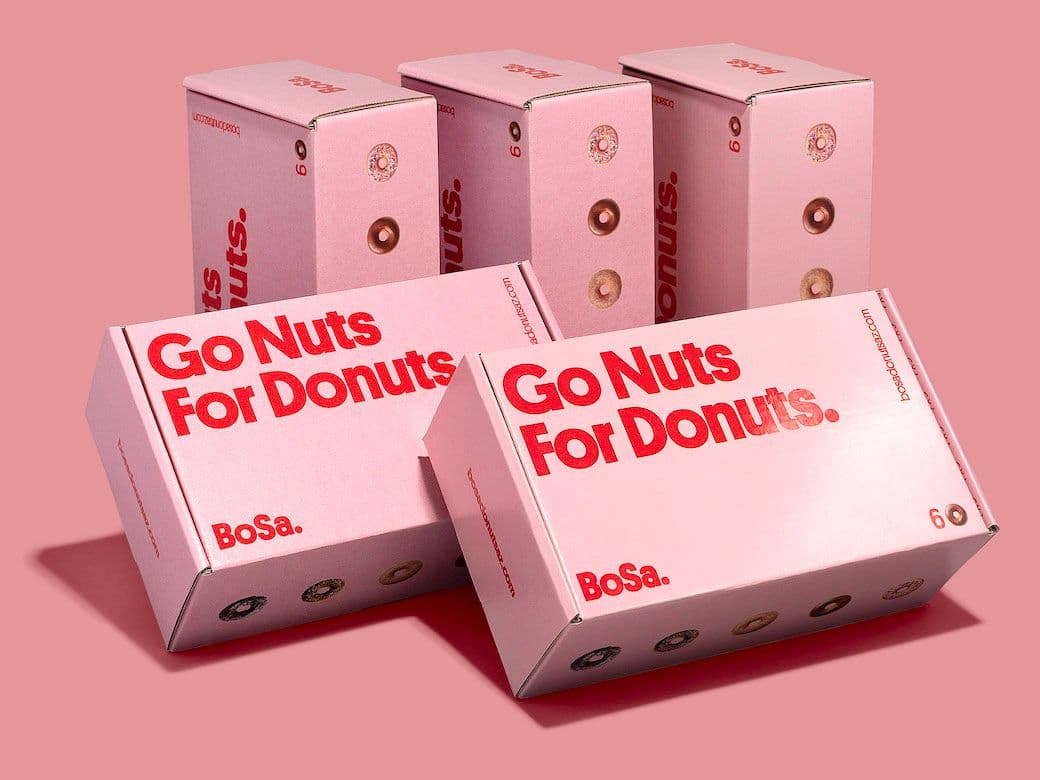
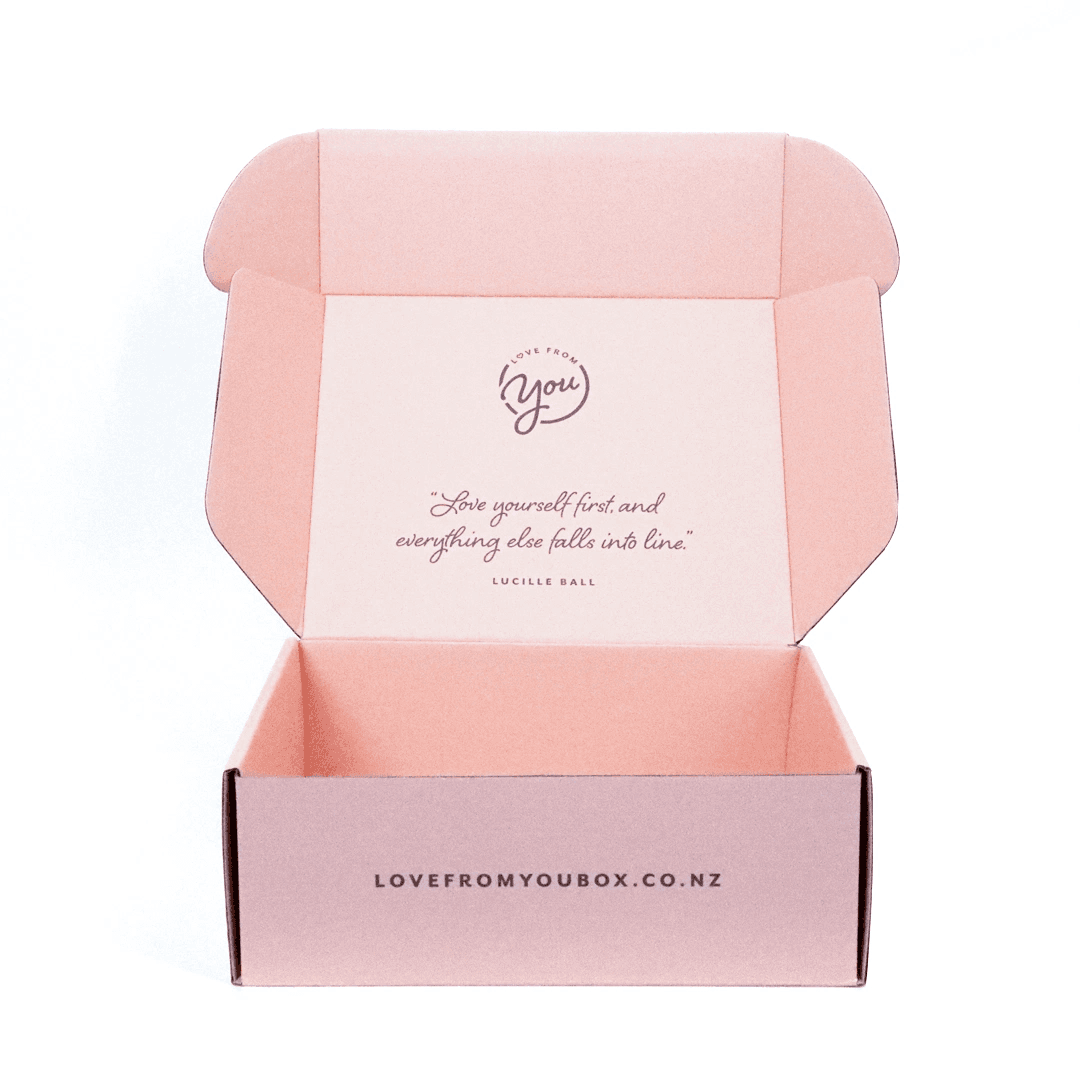
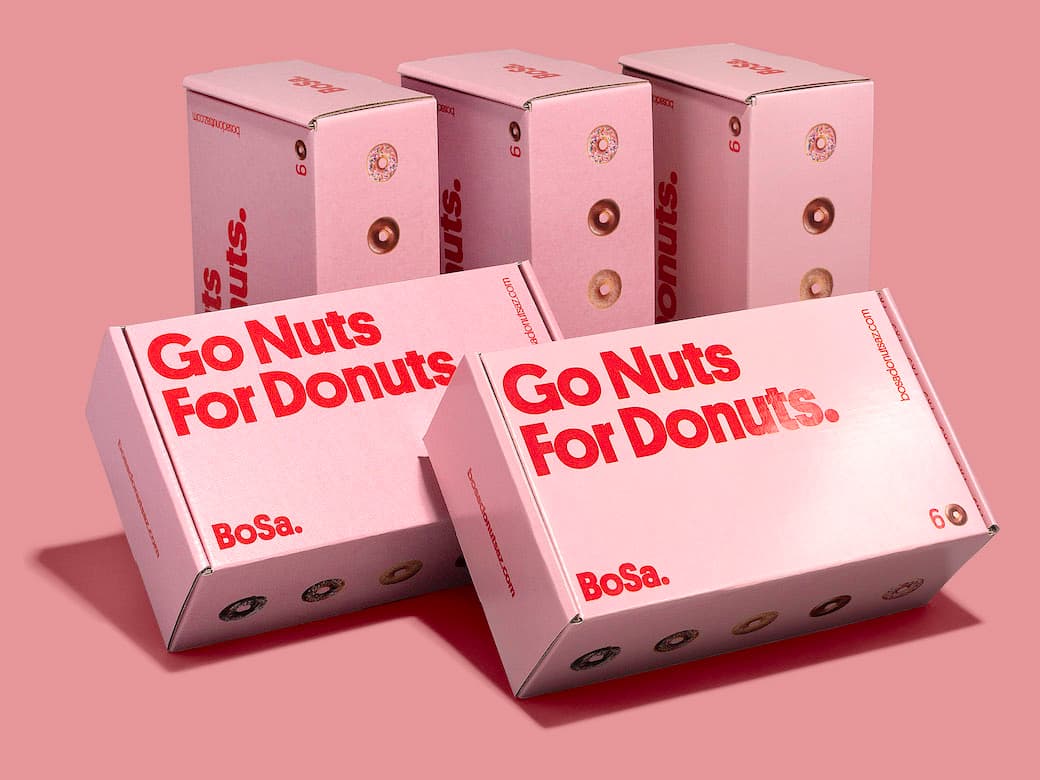
For e-commerce packaging that must safely deliver products to customers’ homes, corrugated boxes are sometimes coated. The coating methods themselves are basically similar.
1. Gloss Finish (Slightly Glossy) / No Coating
Corrugated boxes are often left uncoated by default because corrugated board itself is thick and durable enough. However, as packaging is increasingly used as a marketing and branding tool, coating is being applied to shipping boxes more often. Corrugated boxes can also be finished with a gloss coating using varnish.
shforestgroup.en.made-in-china
2. Lamination
As with paperboard packaging, lamination can also be applied to corrugated board. However, when corrugated board is laminated, the coating layer is thinner than when varnish is used, so the corrugated wave pattern becomes somewhat more noticeable.
Luxury Coating: Premium Options
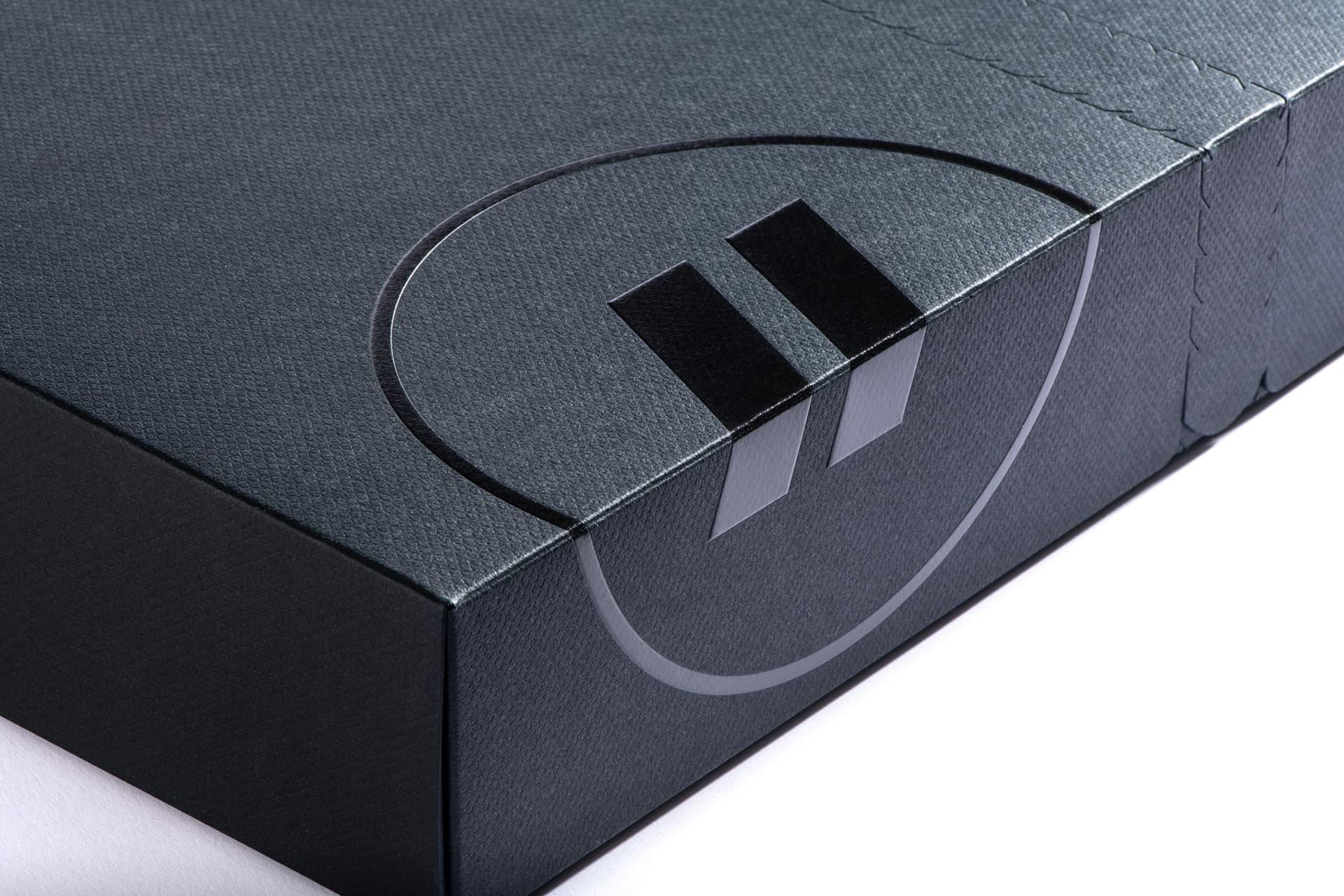
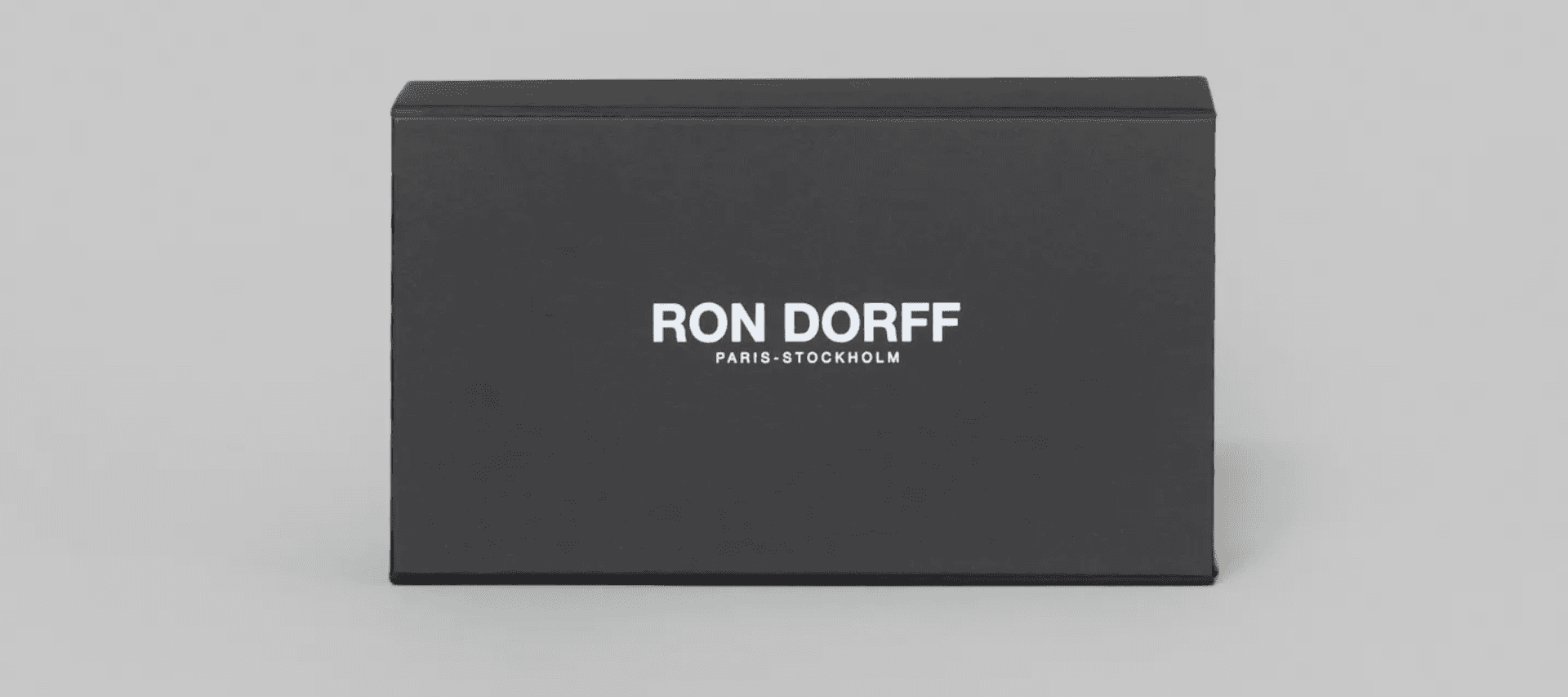
Compared with standard paperboard or corrugated board, premium boxes such as rigid boxes used mainly for liquor, cosmetics, and high-end luxury packaging most often use matte lamination.
Matte Lamination
Matte lamination is elegant. Instead of a shiny gloss, it highlights the natural texture of premium paper itself. In particular, matte lamination is useful because it allows specialty finishes such as embossing, foil stamping, and spot UV, which are explained below, to be combined on one package.
Specialty Coatings
In addition to the three main coating methods described above, there are specialty coating techniques used to create unique effects. These can be applied to the entire package or only to selected areas, and multiple types can be combined as needed.
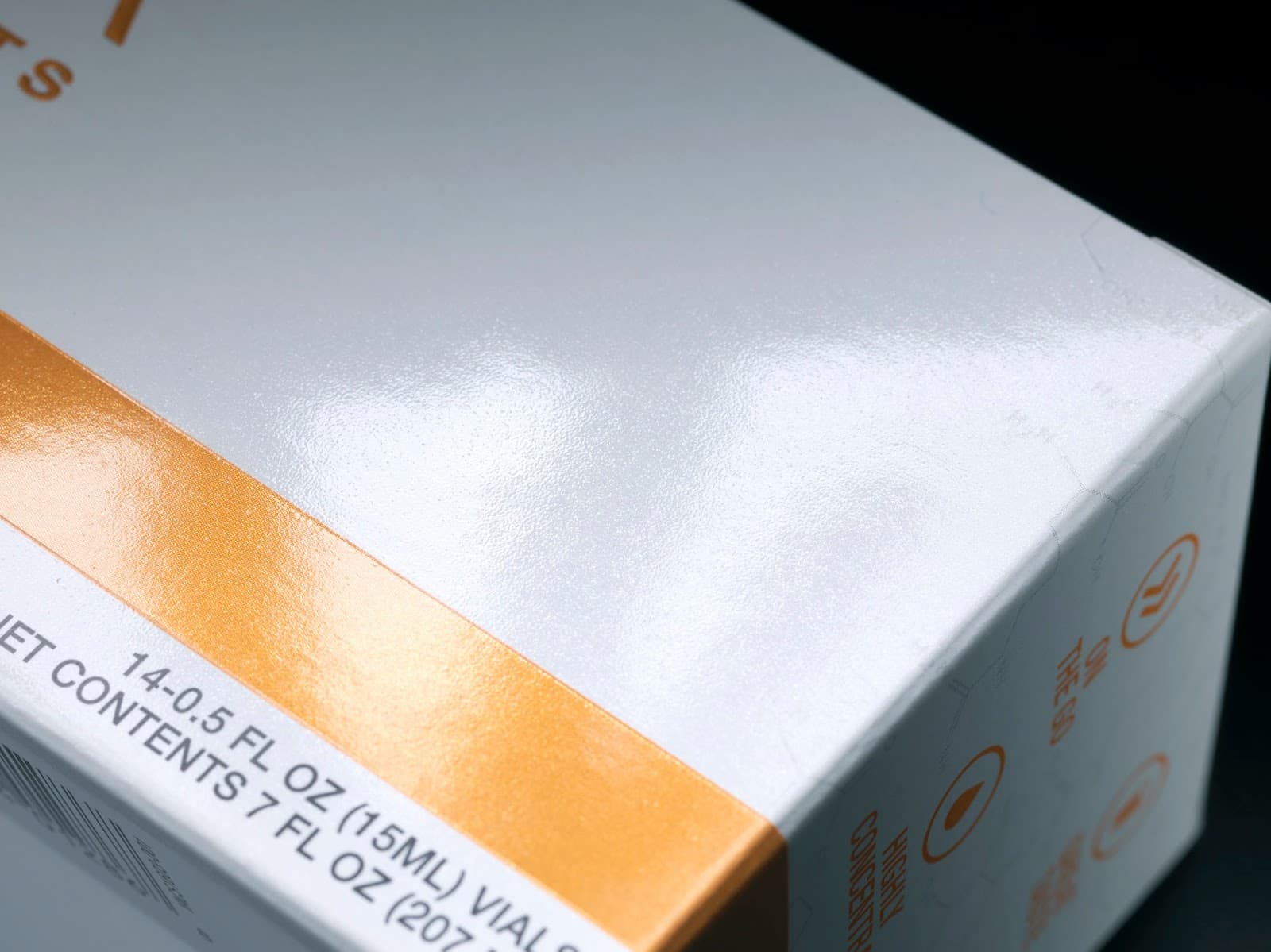
1. Pearl
A coating that gives off a fine, shimmering, pearl-like glow, often used for cosmetics. It creates a subtle yet luxurious impression.
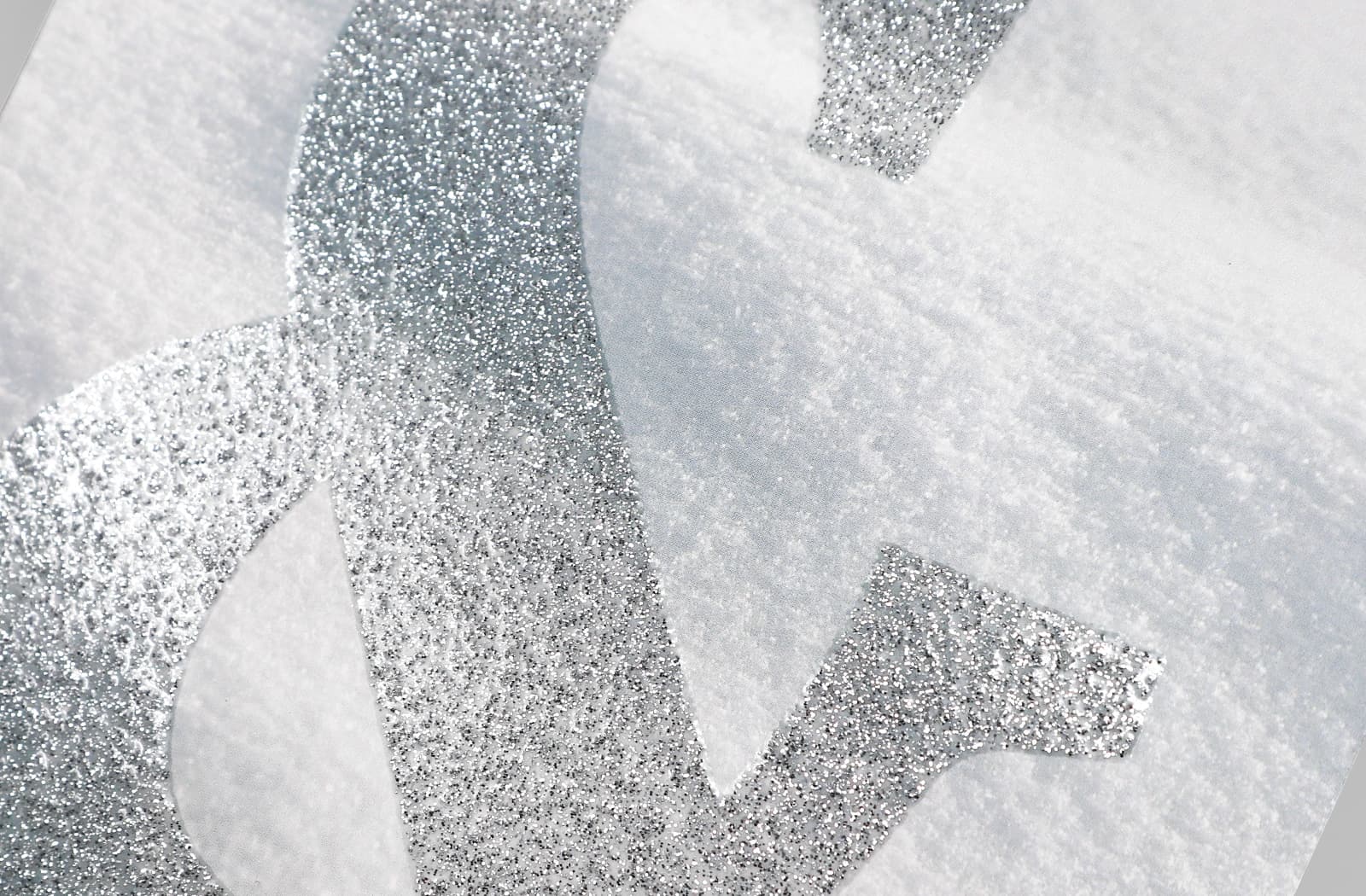
2. Glitter
Also called glitter, this finish shines much more strongly and densely than pearl coating. It is a good choice when you want a clearly eye-catching effect.
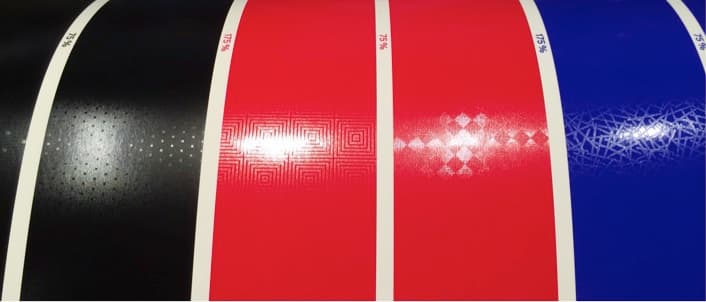
3. Reticulated Pattern
A patterned coating that can create a leather-like or mesh-like feel. Multiple lines intersect to produce a distinctive surface, and other patterns such as raindrops or mazes can also be applied.
4. Scent
Have you heard of scented coating? With scent coating, fragrance can gently diffuse from the surface of the package.
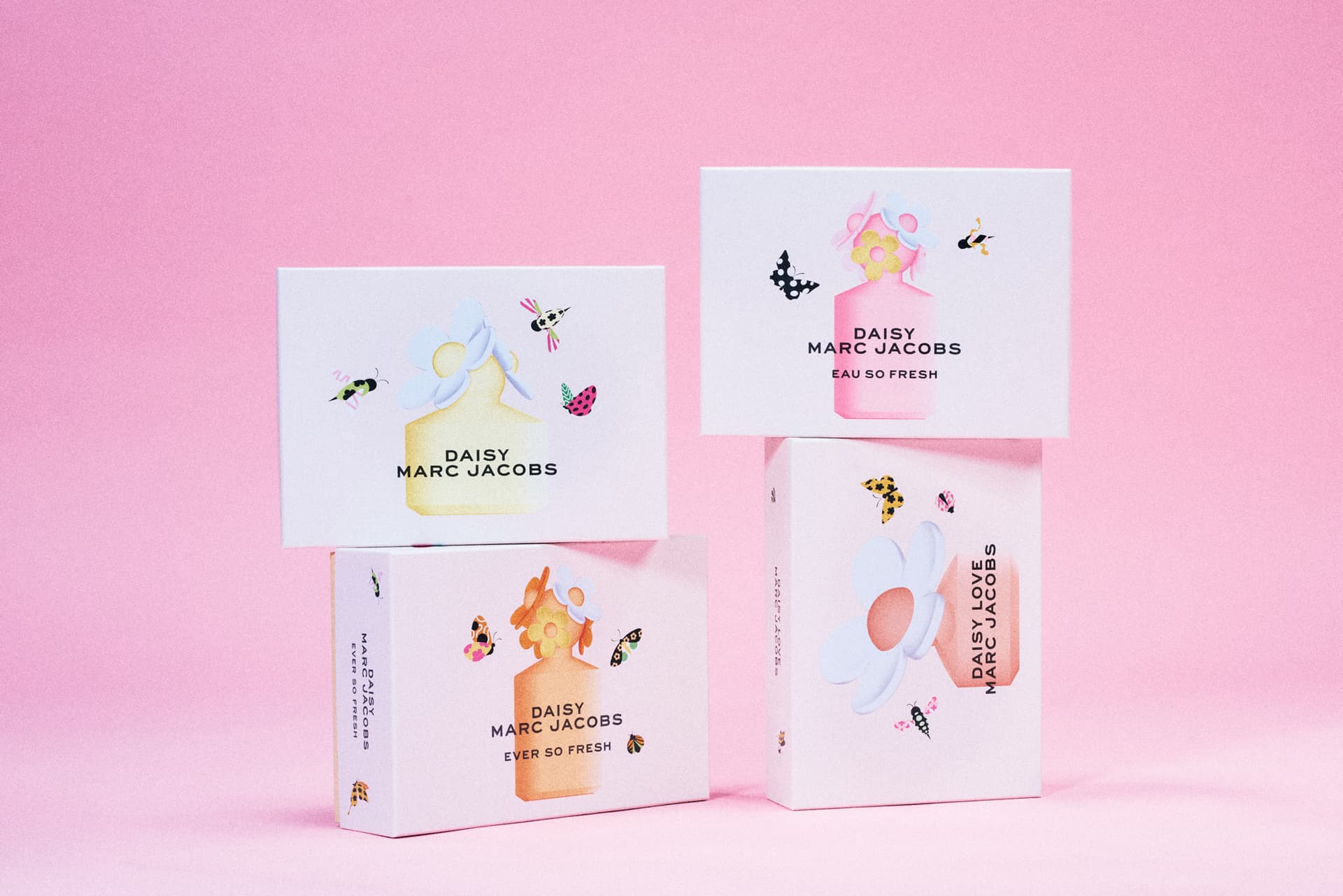
5. Textured Paper
A coating that makes the surface feel paper-like to the touch. It can also create a slightly crumpled appearance.
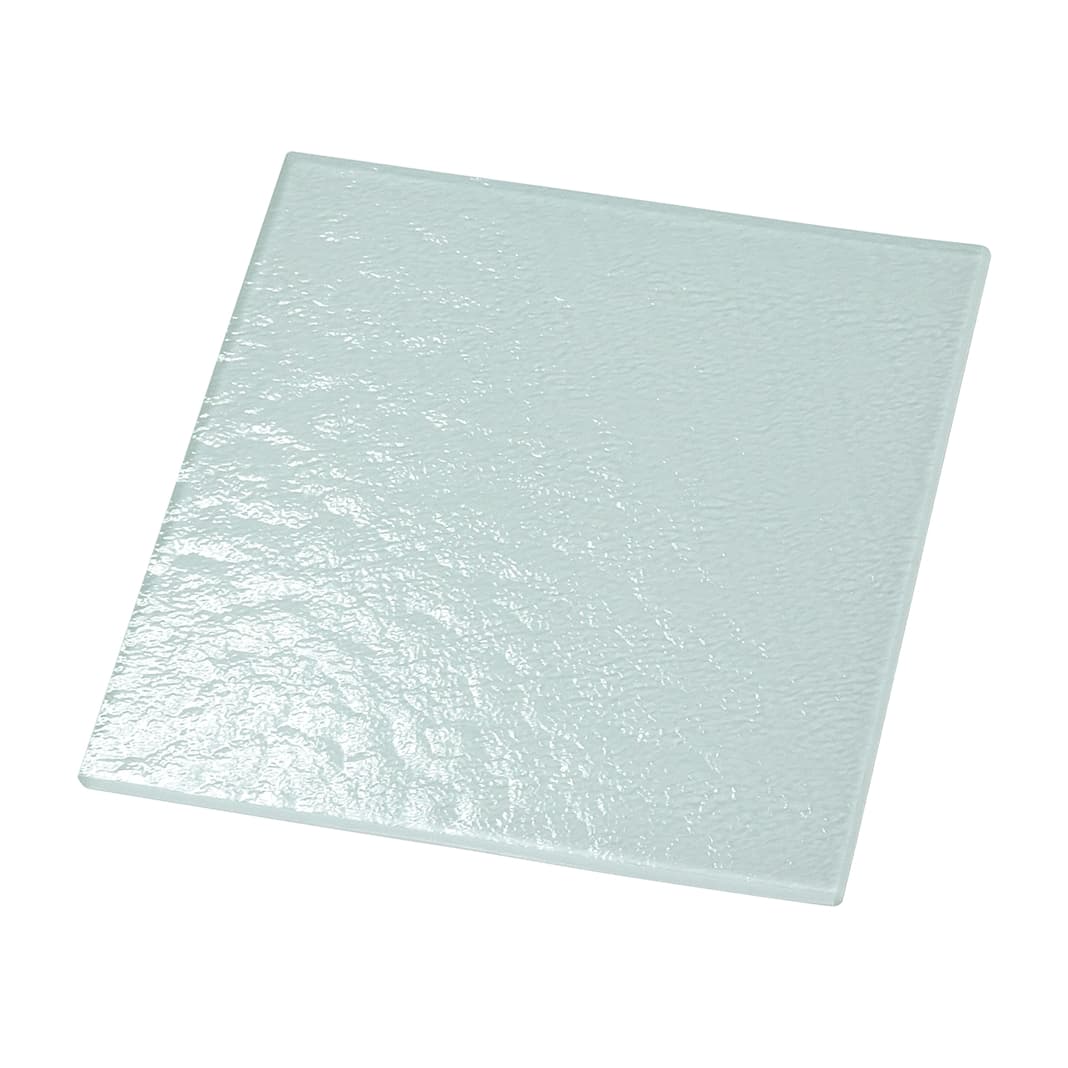
6. Embossing/Debossing
Also called embossing/debossing, this finish allows specific areas of the package to be highlighted effectively. With just a small change, you can create a design that feels much less monotonous and more luxurious.
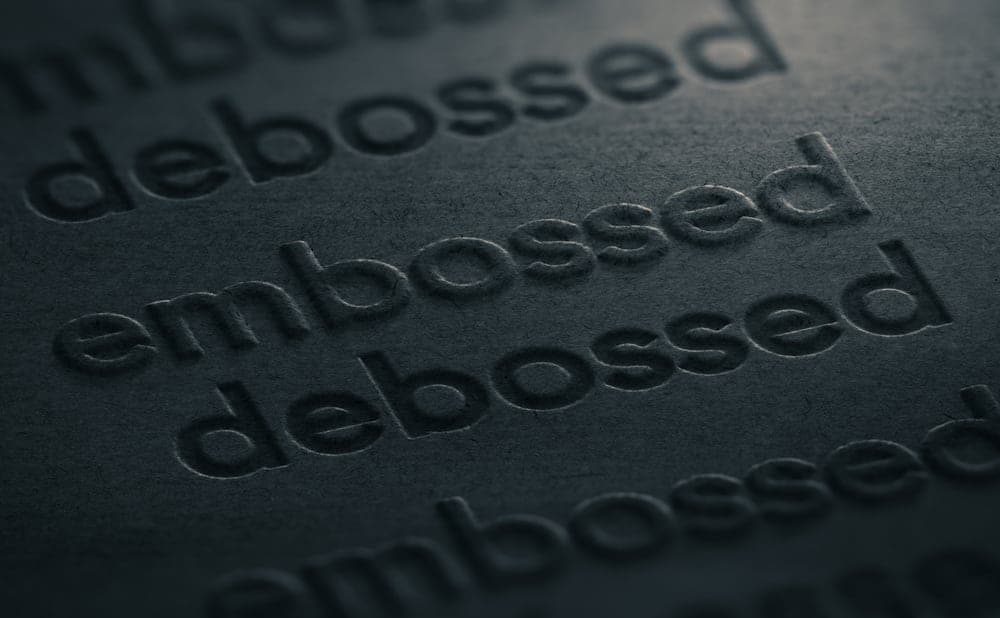
7. Foil Stamp
If you want to create gold, silver, or other metallic colors, foil stamping is recommended. It is ideal for conveying an elegant, premium feel rather than a casual one.
Environmental Issues and Sustainable Coatings
In fact, coatings that use plastic have recently become the subject of much criticism. Although many containers and packaging materials are being changed from plastic to paper to reduce plastic waste, plastic coatings are still being used on these paper products.
Common coating films are made by combining various materials such as polyethylene, ethylene vinyl alcohol, and polyethylene terephthalate. And when mixed plastics like these are used, recycling becomes much more difficult.
As a result, companies around the world have been working to develop sustainable coating methods. For example, recyclable films made from a single material are being developed and tested. Among the many coating methods available, choosing coatings that are as thin as possible and use fewer types of synthetic plastics can help the environment.

The Importance of Choosing the Right Coating for Your Product
Depending on what you are packaging—food, cosmetics, apparel, stationery, and more—it is very important to choose the right coating for your packaging material. Selecting not only the coating but also the box structure, design, paper type, and color one by one can be especially difficult and complex for companies with little experience or smaller operations.
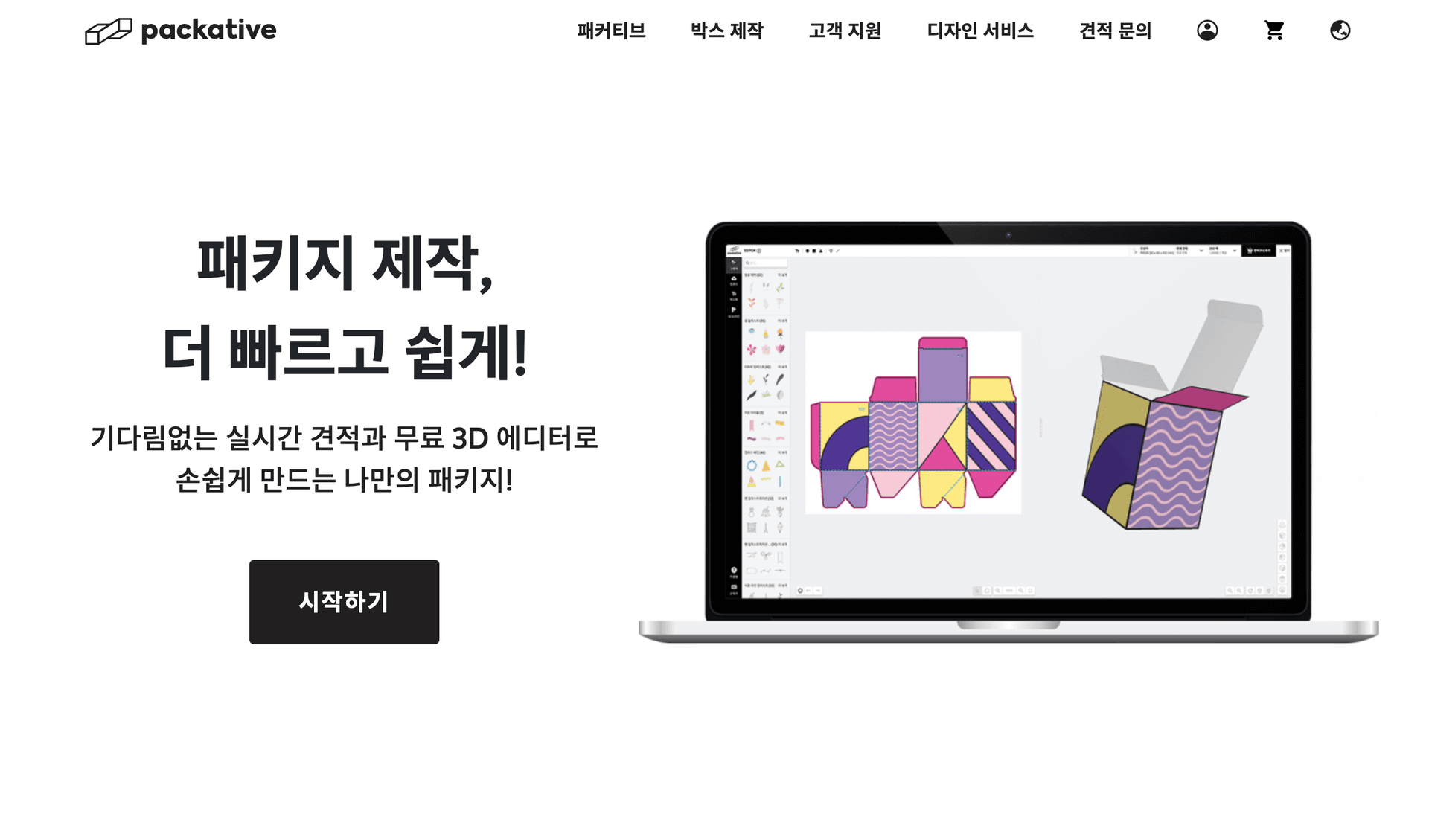
At Packative, a packaging expert, anyone can easily and conveniently create custom packaging. Visit the Packative website now and discover the coating and packaging solution that’s right for you.