What Is a Rigid Box? From Uses to Types
What is a rigid box? A rigid box is a box made by wrapping premium paper, fabric, leather, or directly printed paper around an inner liner made of Manila board or thick corrugated board. Because the outer paper and inner structure are made separately, it offers a wide range of design possibilities and is also sturdy and durable. However, compared with other boxes, ...
What Is a Rigid Box?
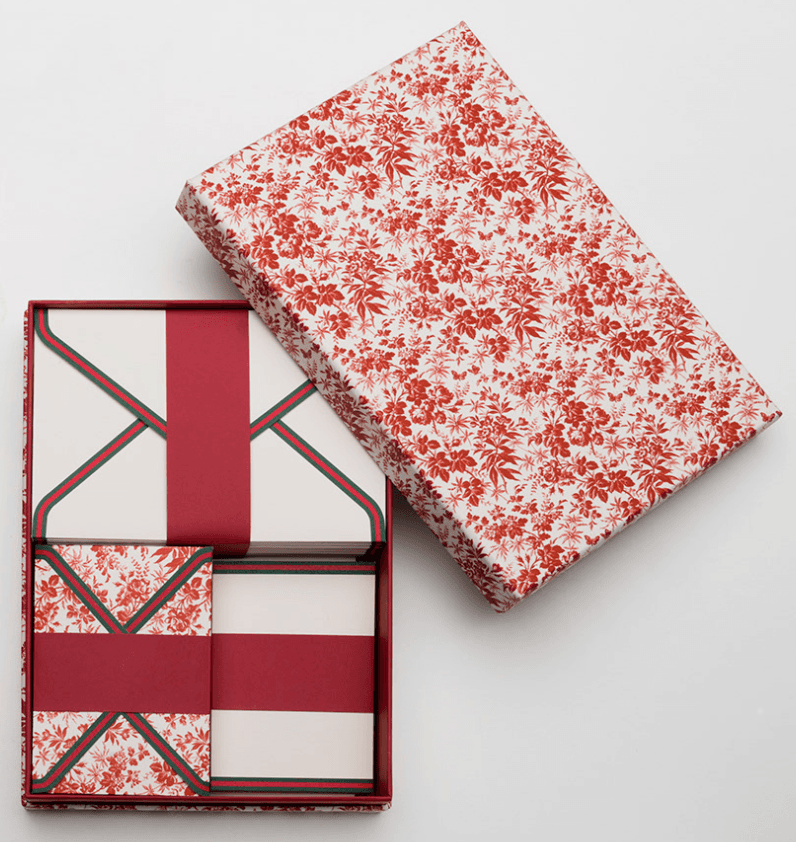
A rigid box is made by wrapping premium paper, fabric, leather, or directly printed paper around an inner liner made of Manila board or thick corrugated board. Because the outer paper and inner structure are made separately, it offers a wide range of design possibilities and is also sturdy and durable. However, compared with other boxes, it is more expensive to produce, so it is mainly used for packaging premium products.
Why packaging matters: How to Increase Repeat Purchase Rates for Successful Online Stores – Packaging
Uses of Rigid Boxes

Thanks to their design flexibility, rigid boxes can be custom-made with the product and brand image fully in mind, so they have a very broad range of applications.
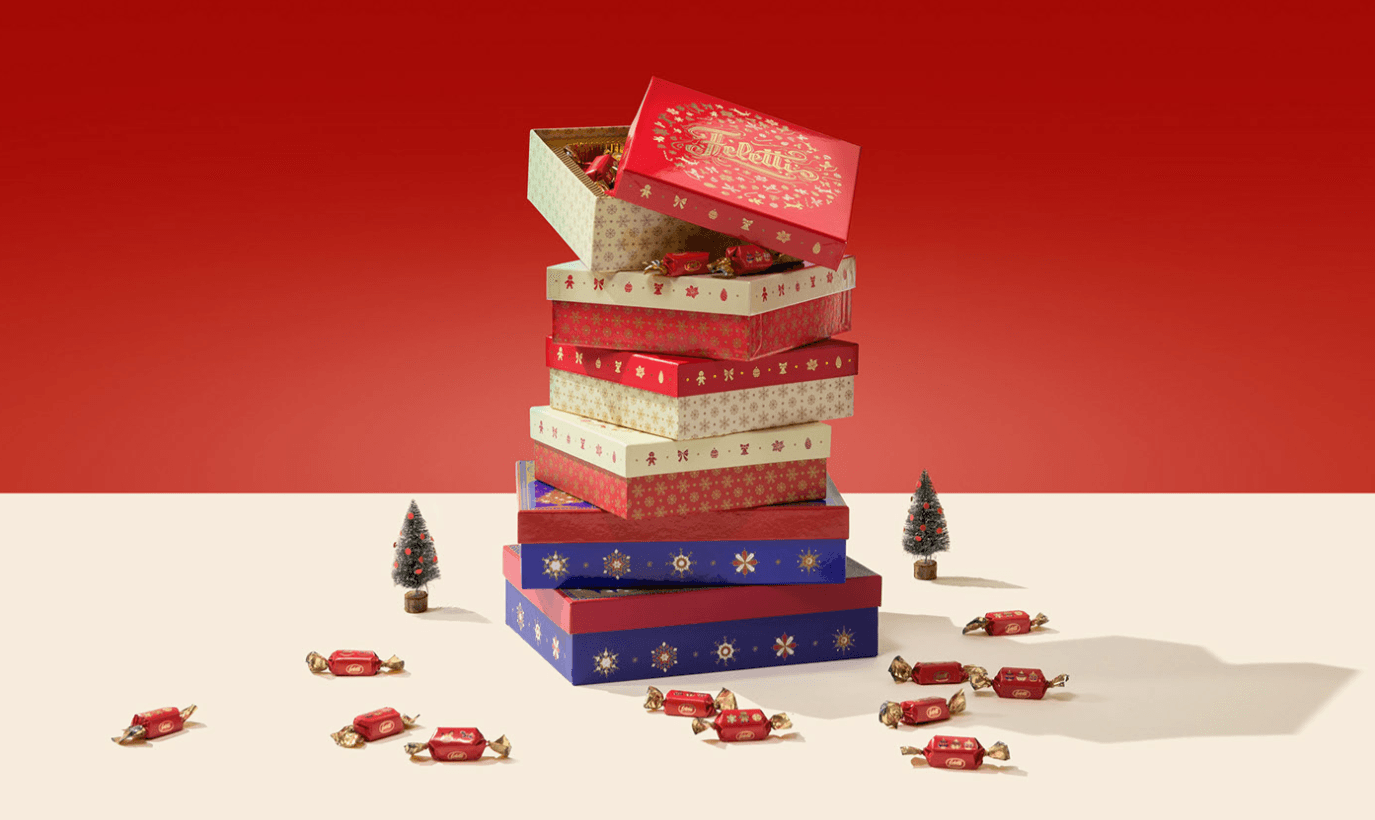
That said, because the production cost of the box itself is high, they are mainly used for premium gift packaging such as luxury snacks and holiday gift sets, and are often used for fragile items such as cosmetics, ceramics, glass, and small electronics.
Brands also often custom-make rigid boxes for press kits, welcome kits, and other gifts intended to host or treat important people.
Ideas for special packaging design with rigid boxes: Special Edition
Types of Rigid Boxes
2-Piece Rigid Box (Match Lid)
This is the most basic rigid box structure, consisting of a top and bottom box, and is something you commonly encounter in everyday life. It requires the fewest production steps among rigid boxes, so it can be made at a relatively low price compared with other rigid box types.
If you'd like to know the production cost of rigid boxes, get in touch!
3-Piece Rigid Box
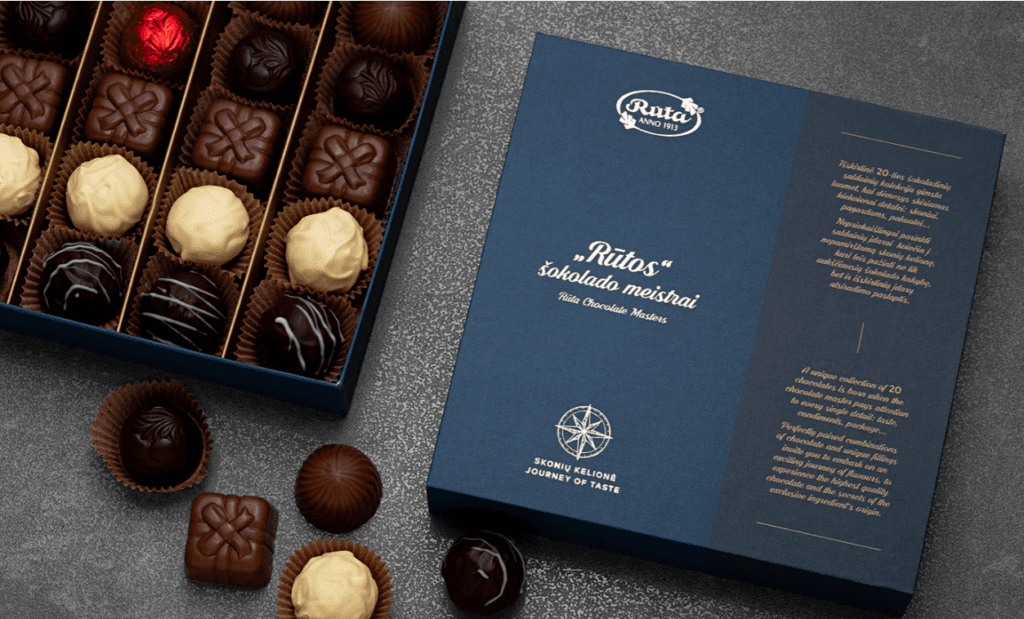
This box has a separately designed middle layer at the point where the lid interlocks, and because it is made up of top, middle, and bottom sections, it is called a 3-piece box. It is a more premium type than the match-lid rigid box and is mainly used for premium products such as perfumes, luxury cosmetics, belts, and designer wallets. The triple-layer structure also helps keep the product safer.
Hinged Lid Rigid Box
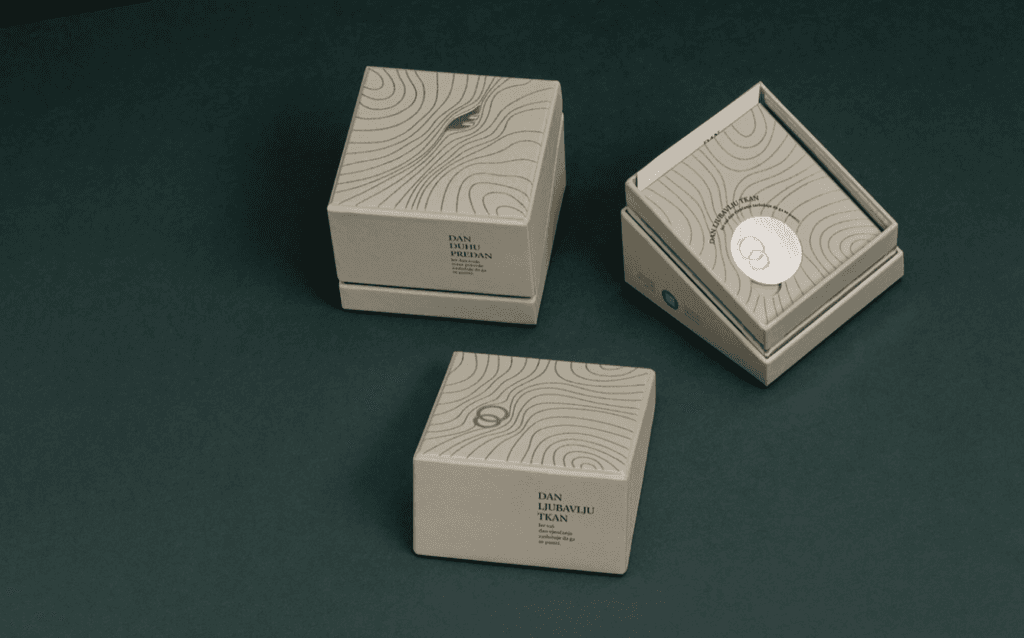
Unlike a standard rigid box that is separated into a top and bottom section, a hinged lid box has the top attached to the bottom section so that it closes over like a cover. Because the lid needs to stay fixed in place, magnets are usually added to the opening and closing area during production.
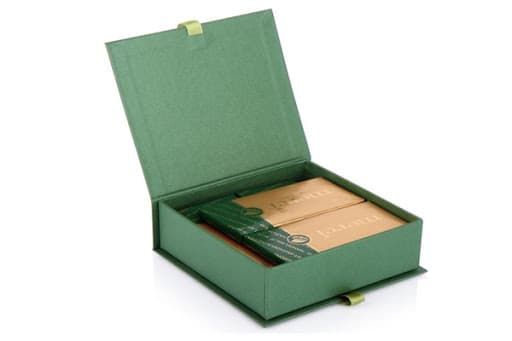
Drawer-Style Rigid Box
A drawer-style rigid box consists of an outer case and a bottom section, and a pull tab is added so the bottom section fits properly inside the outer case. Drawer-style rigid boxes are not commonly used in Korea, but they are suitable for brand expression and marketing purposes. Magnets are sometimes added inside to make the box sturdier.
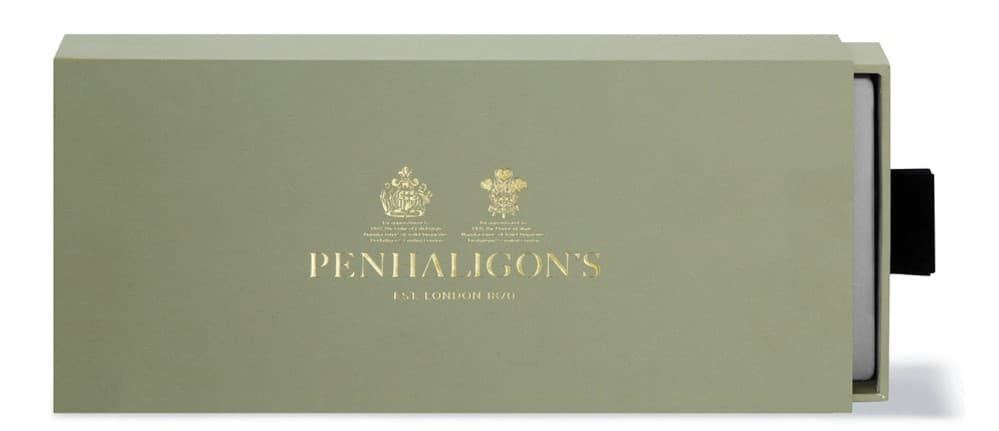
See other box types besides rigid boxes: Packative
Rigid Box Pricing
For a rigid box the size of a palm, the price is quite high at KRW 8,000 to 10,000 when producing 100 units.
So if you want to produce rigid boxes, please keep in mind that the total cost will be at least KRW 1 million.
Inquiry for small-batch rigid box production: Rigid Box Production Inquiry
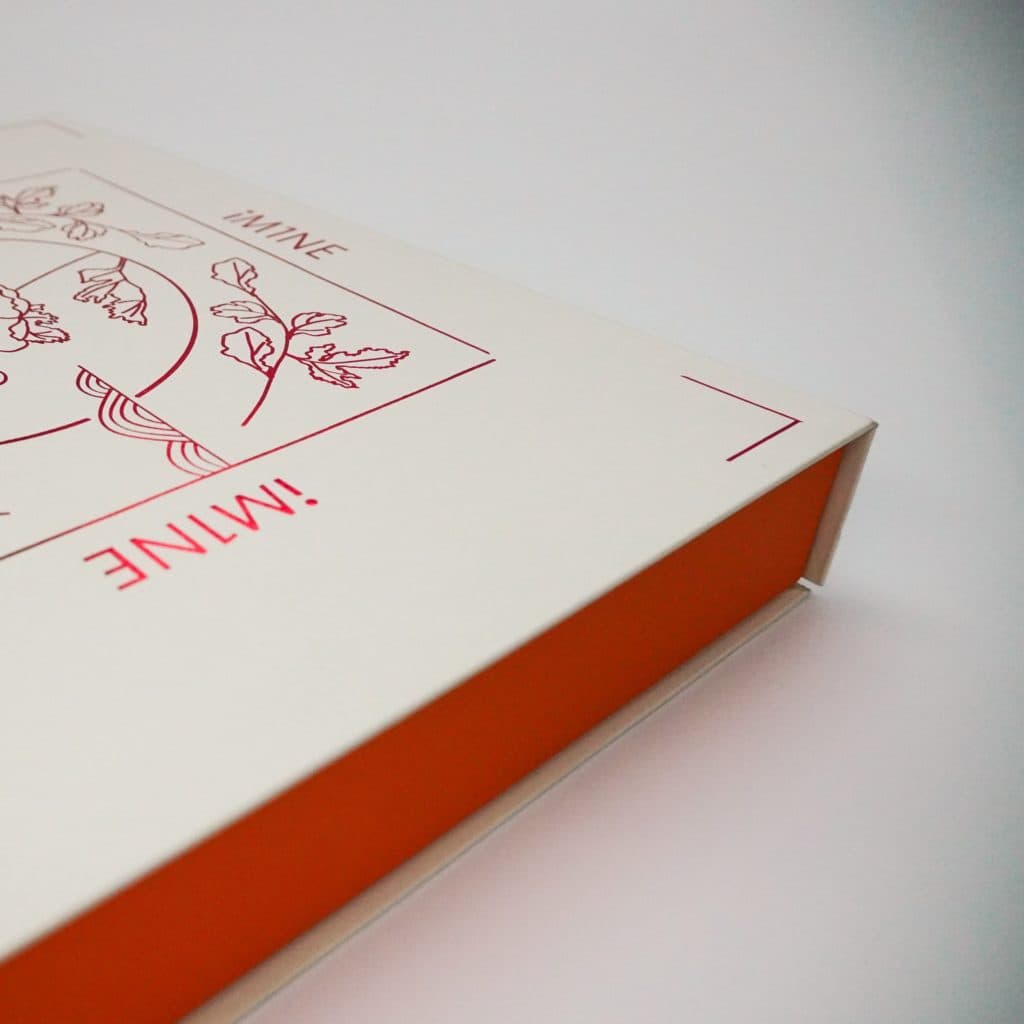
Also, if you choose the best possible specifications for a rigid box—such as adding inserts, adding magnets, and using expensive outer paper—please note that it is a premium product whose price can rise to several thousand won per box.
Check the factors that affect box pricing
Important Consideration for Rigid Box Production: Volume
When producing rigid boxes, you must pay close attention to volume. Since rigid boxes cannot be folded flat or collapsed, they take up a lot of space. Because of this, shipping costs must also be considered. Even if you produce 1,000 rigid boxes, they may already take up several pallets. When the boxes are first delivered, you may even need to arrange for a forklift, so in addition to production costs, it is wise to factor in shipping and logistics costs as well. So when making rigid boxes, be sure to check the price, delivery, and whether you have enough space for storage.
Rigid Box Production Process
- Select and produce the inner liner used to create durability
- Cut the inner liner
- Print and cut the outer paper (wrapping paper) that will wrap the inner liner
- Apply adhesive for the outer paper inside the outer sheet to create the bonding surface
- Fold the inner liner into box form
- Tape the inner liner box to eliminate unevenness
- Attach the outer paper (wrapping paper) to the inner structure
Rigid Box Insert / Pad / Etc.
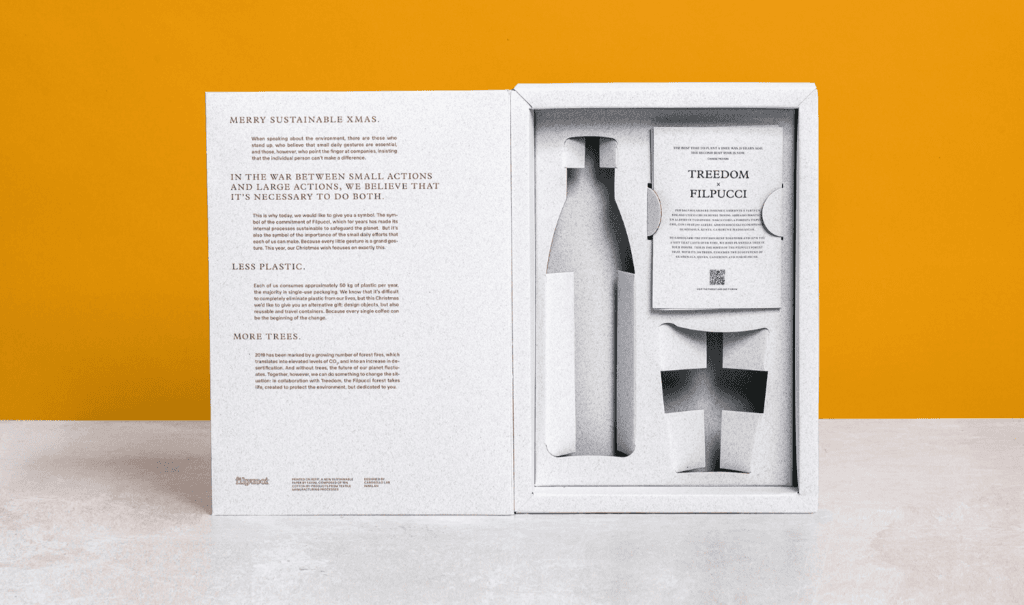
Because rigid boxes are often used to package premium products, inserts are often added inside to ensure safe shipping.
An insert is an internal fitting structure shaped to match the product so it does not move around inside the box. It helps secure the product in place, improves the impression of quality when the customer receives it, and increases stability.
Inserts are usually made of sponge or foam, giving them a more premium feel than air-cushion packaging.
See more eco-friendly packaging materials
Rigid Box Sample Collection
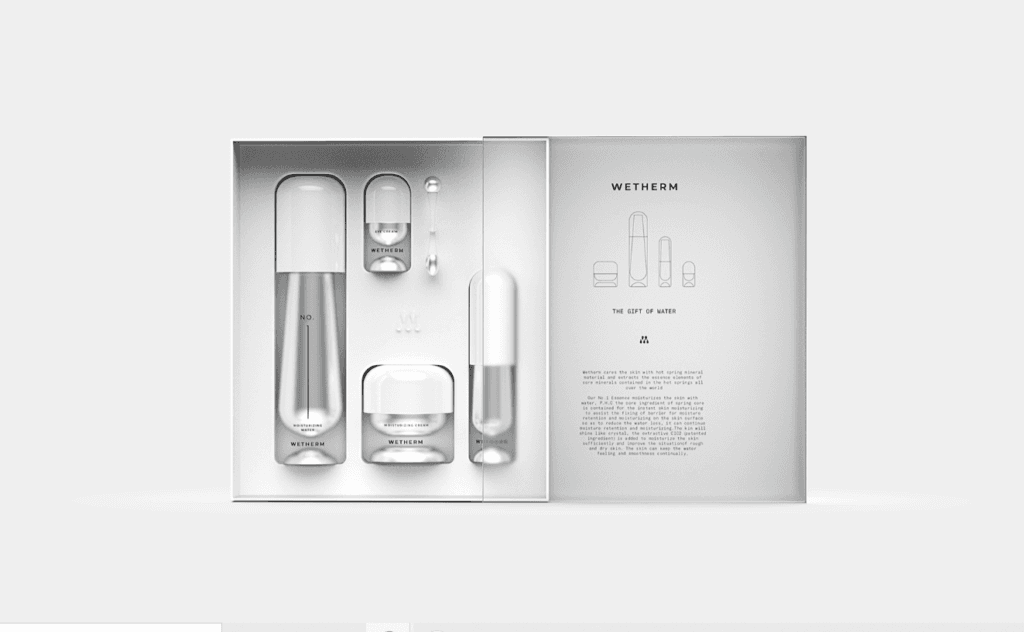
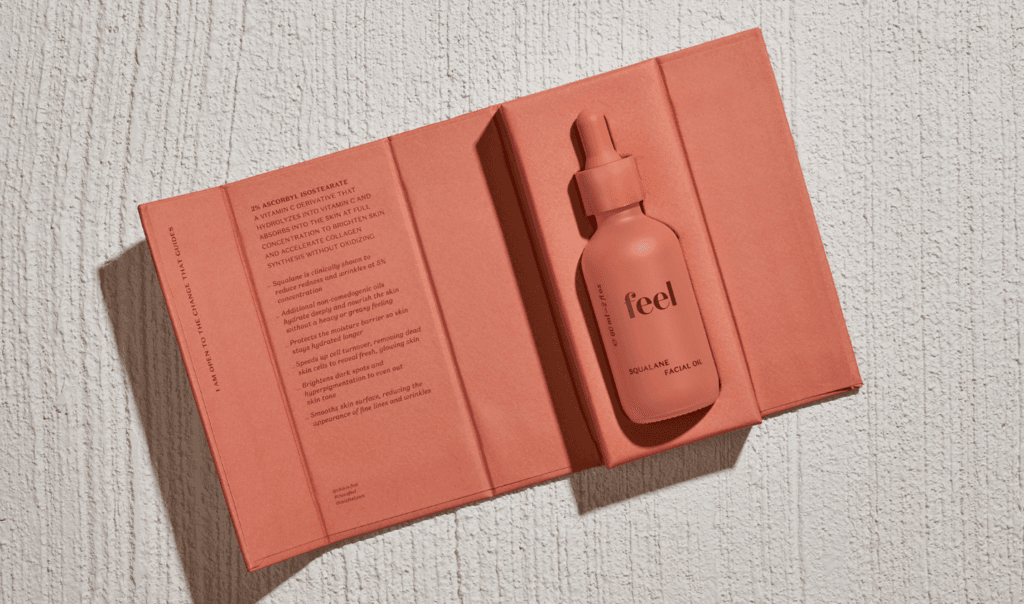
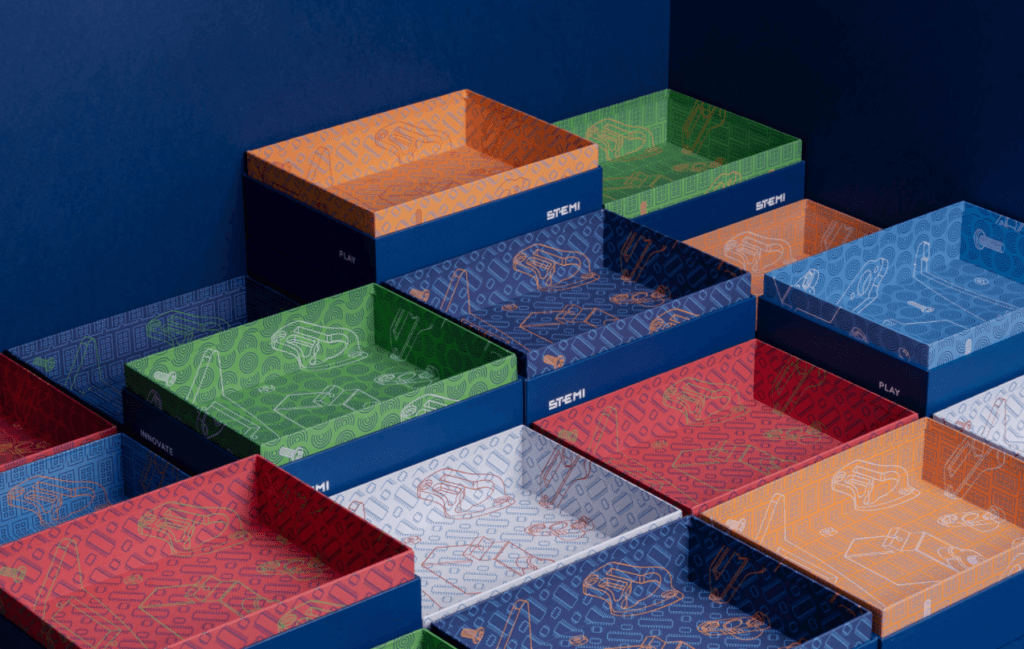
In Closing:
Rigid boxes can give brand packaging a luxurious, polished finish, but please keep in mind that they can also be a financial burden. Therefore, we recommend producing rigid boxes only when demand for the product to be placed inside is certain!