How to Sell Handmade Products: Tips for Using E-Commerce Effectively
There are many sellers offering all kinds of products, but brands that make and sell handmade items themselves need to consider a few extra things. Compared with factory-made products, they’re usually much slower to produce and much smaller in scale. So using the same sales channels as ordinary products may actually put you at a disadvantage.
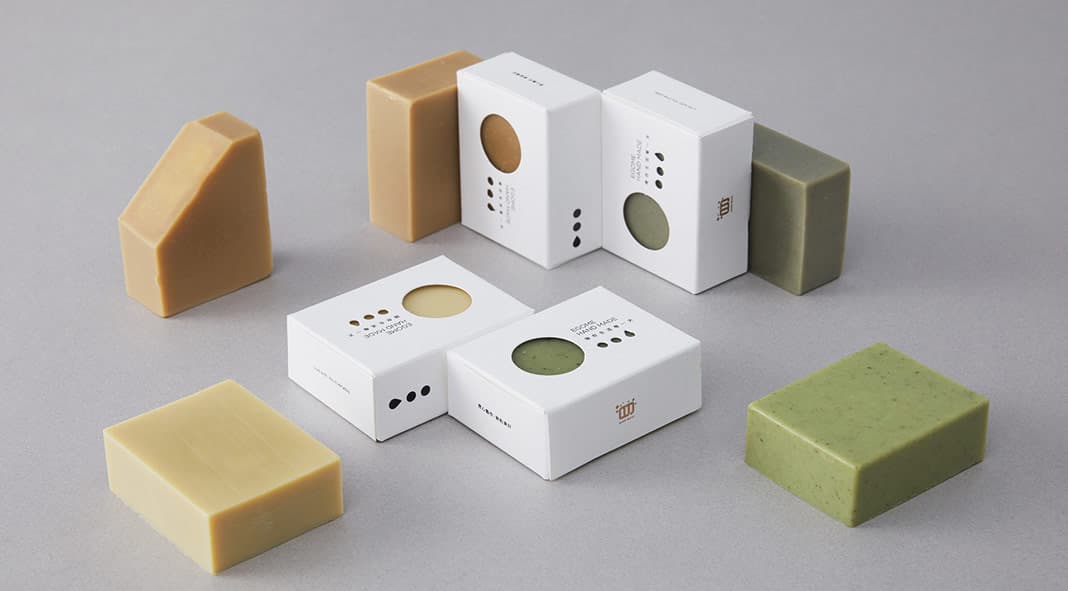
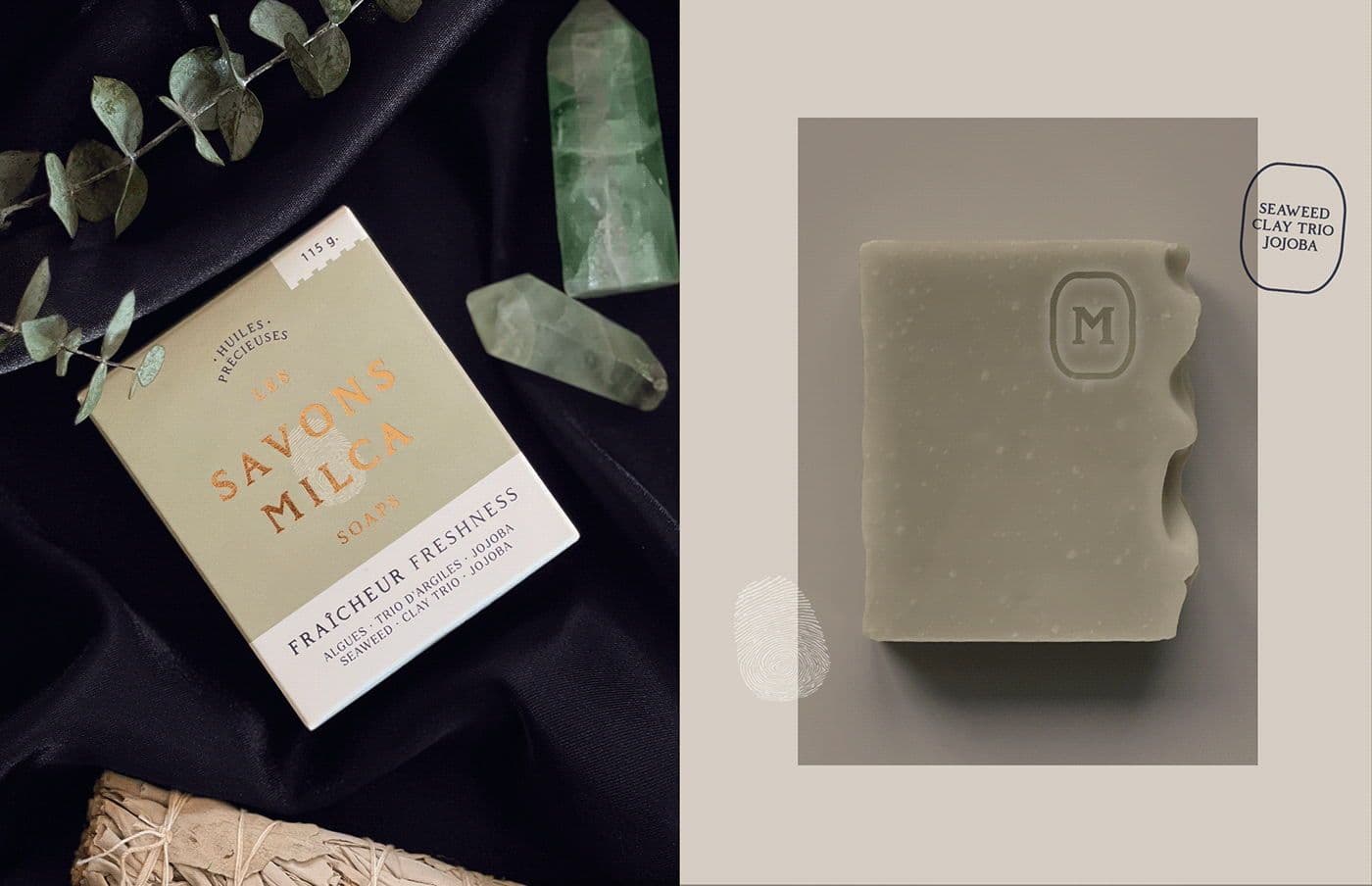 thedieline
There are many sellers offering all kinds of products, but brands that make and sell handmade products themselves need to consider a few extra things. Compared with factory-made products, they’re usually much slower to produce and much smaller in scale. So using the same sales channels as ordinary products may actually put you at a disadvantage. What are the best ways to sell handmade products effectively? And what should you watch out for when selling handmade products through e-commerce rather than offline channels?
For example, there are candles
What Is E-Commerce?
 socital
Today, it’s no exaggeration to say that online commerce dominates global trade. All activities involved in buying and selling goods and services online are called e-commerce, internet commerce, online commerce, or E-commerce. Unlike in the past, when desktop computers and laptops were the main tools, smartphones are now the most widely used device for e-commerce. E-commerce platforms are also becoming increasingly diverse. More and more small sellers are selling products through channels like SNS accounts or Smart Store without having to create a separate website.
Changes in E-Commerce Trends and Strategy
The Benefits of E-Commerce for Business
1. Lower Sales Costs
 futuregenerali
Because all sellers are also consumers, we all know that products purchased online are generally cheaper than those bought offline. This benefits both buyers and sellers. Sellers don’t need to spend money setting up a physical store just to sell products, nor do they need to spend time staying there. In addition, since there are no fixed opening or closing hours, customers can buy whatever they want at any time, 24/7, 365 days a year. Sellers can save on rent, maintenance and repair costs, interior design and signage expenses, and employee labor costs, while selling products for much longer hours.
2. Lower Marketing Costs
 vecteezy
Just as sales costs can be reduced, marketing expenses can also be lowered. There’s no need to produce signs or print catalogs. Whenever a new product launches, you can quickly create and promote fresh online ads. In particular, marketing through email or SNS is a more affordable method that can still deliver strong results. Unlike offline advertising media, there’s no need to discard ads once they’ve been made. For example, if you simply link one website to a QR code shown to customers, you can keep updating that website whenever needed. If you keep uploading new promotions and campaigns to SNS, customers can look through the brand’s entire history on its SNS account and easily understand its identity.
Brand Packaging and Marketing Strategy
3. Collecting Customer Data
 customerlabs
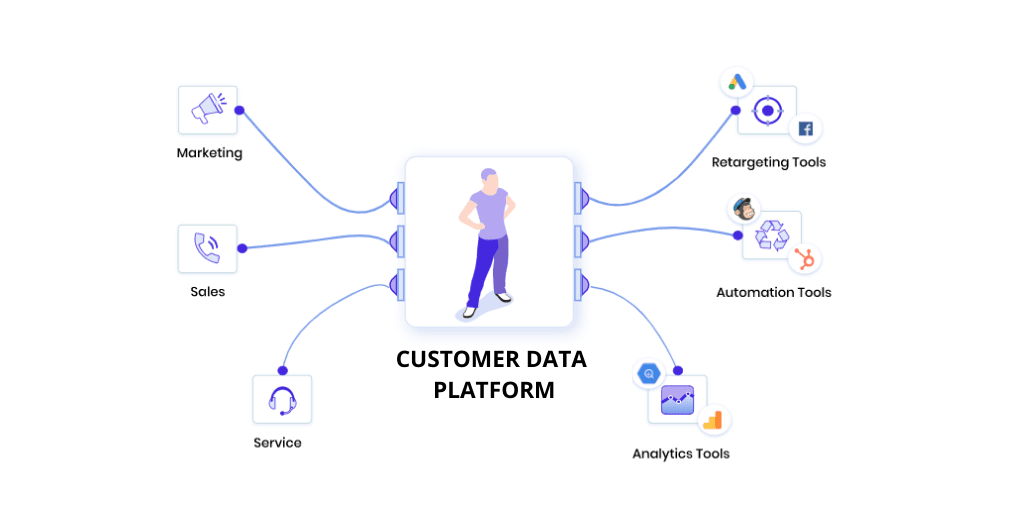
Customer data related to purchases is extremely valuable to sellers. In offline stores, it’s not easy to gather personal information such as a customer’s name, phone number, email address, or SNS ID, let alone details like taste and preferences. But online, customers provide sellers with a great deal of information during the purchasing process, and analysis tools such as Google Analytics or HubSpot can be used to analyze and organize that data. Making good use of customer information can greatly help product development and the overall growth of a brand.
How to Sell Handmade Products
1. What Should You Sell? Focus and Prioritize
 weandthecolor
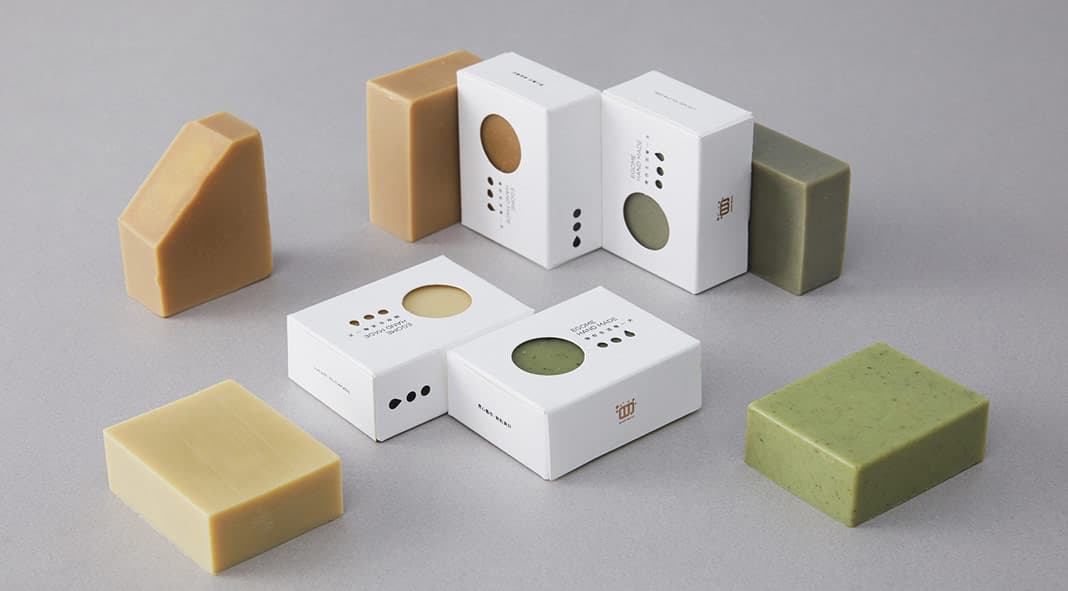
First, it’s important to clearly define what you will sell. Most sellers will create products that match their own taste and design preferences. But at the same time, you shouldn’t overlook the fact that the product also needs to appeal to consumers. If it’s a decorative product, it’s best to choose something that can easily fit into spaces like homes or offices. It can also help to research which designs are trending across different places. It’s fine for one brand to sell multiple lines at once, but there should always be consistency. Choose a flagship product, focus on that, and then create other related products around it.
Packaging Strategies for Differentiating a Workshop Startup Brand
2. How Much Should You Sell It For? Setting Prices
 engage3
Pricing handmade products is difficult. Since they are handmade, even the seller may not know the exact production cost. In this case, it’s useful to research the price range of similar categories and brands as a reference. But there’s no need to force your prices to match the competition. Consumers usually assume there is a reason behind any price that has been set. So just as important as pricing each product is deciding the order and way in which it appears on your website.
3. Where Should You Sell It? Choosing a Website
 sapogo
As explained above, online sales offer many advantages. You can create your own brand website for exclusive sales, sell through SNS, or use Smart Store or open marketplaces. Each method has its own pros and cons, but if you’re just starting a business, it can be a good idea to begin with SNS sales, which require almost no upfront cost, and then gradually try other sites. There’s no reason to use only one method. Operating multiple channels at once allows you to meet consumers in more places.
4. How Should You Sell It? Promotion and Branding
 marketingdonut
One of the biggest advantages of handmade products is their uniqueness. “One of a kind” is a phrase often used to describe handmade products. And handmade brands need to actively communicate that to customers. Promote your products through various events and campaigns, and above all, invest in branding. Even if they aren’t directly related product categories, look closely at different brands that offer strong insights and draw inspiration from them. The key is to build your own brand and create a community around it.
5. How Should You Ship It? Packaging and Delivery
 parcelhive
There are many different online sales channels available, but one thing they all have in common is that you need to consider shipping. Packaging and shipping methods vary greatly depending on product size, weight, and use. As a business grows, it becomes easier to handle shipping professionally. But for a smaller brand, this can be a very tricky issue. If you’re not careful, you could end up with mountains of box inventory piling up, or the seller may spend all their time packing and shipping products and fail to secure enough time to actually make them.
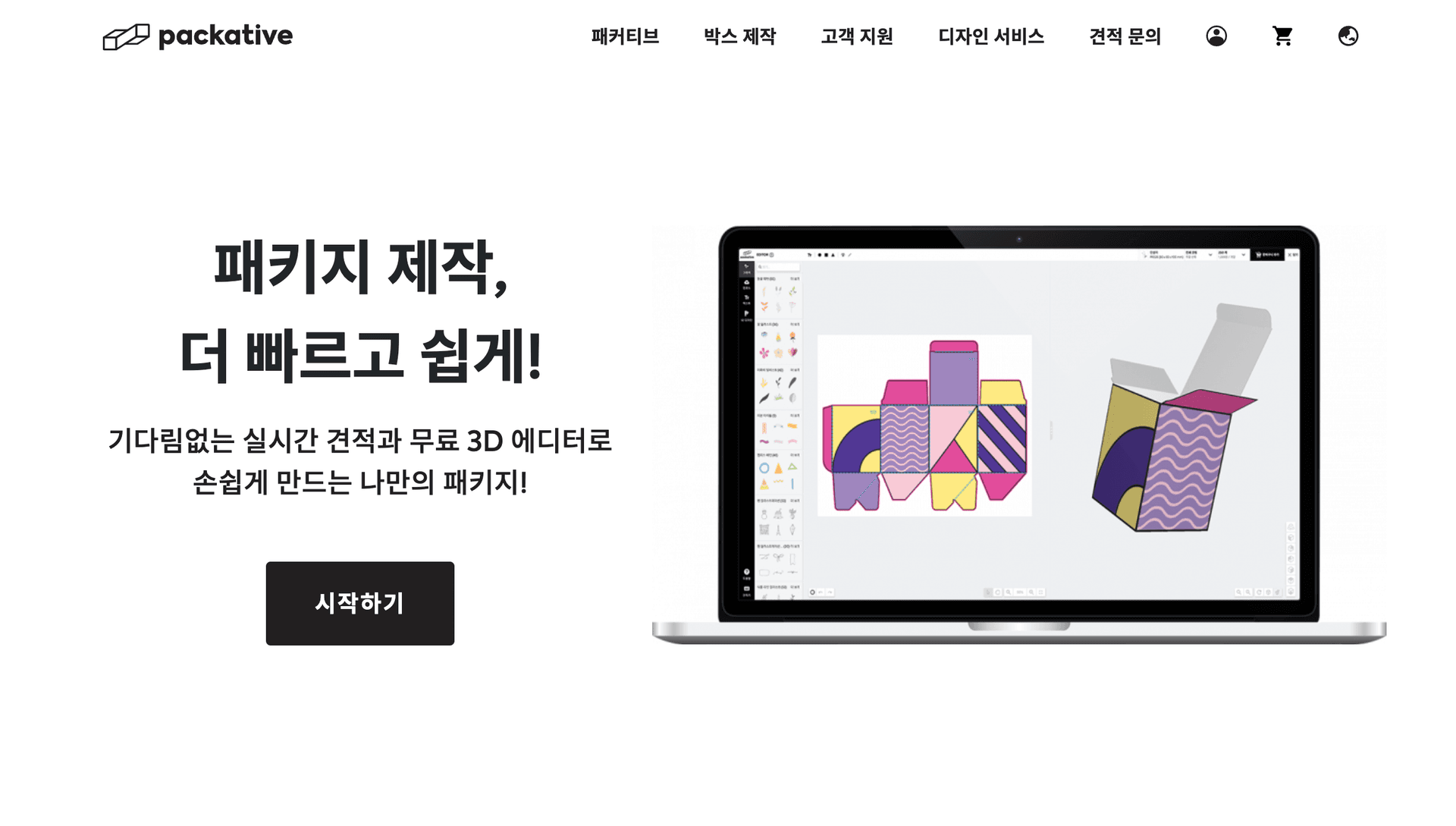
If you’re starting with small-batch production, we recommend using Packative, a custom packaging production service. It supports low minimum orders, and you can freely design and customize your own packaging. For small brands selling handmade products online, it isn’t easy to invest heavily in packaging production and hire a professional designer. The smaller the brand, the more important communication between seller and consumer becomes. An attractive packaging design is one of the most effective tools for that communication.
Create Your Own Handmade Product Packaging Easily and Quickly