Why Brand Differentiation Matters and 6 Ways to Differentiate Your Brand
There are countless competitors in the market. How can you stand out instead of becoming just another ordinary brand? Let’s look at what brand differentiation is, why it truly matters in business, and how you can actually differentiate your brand...
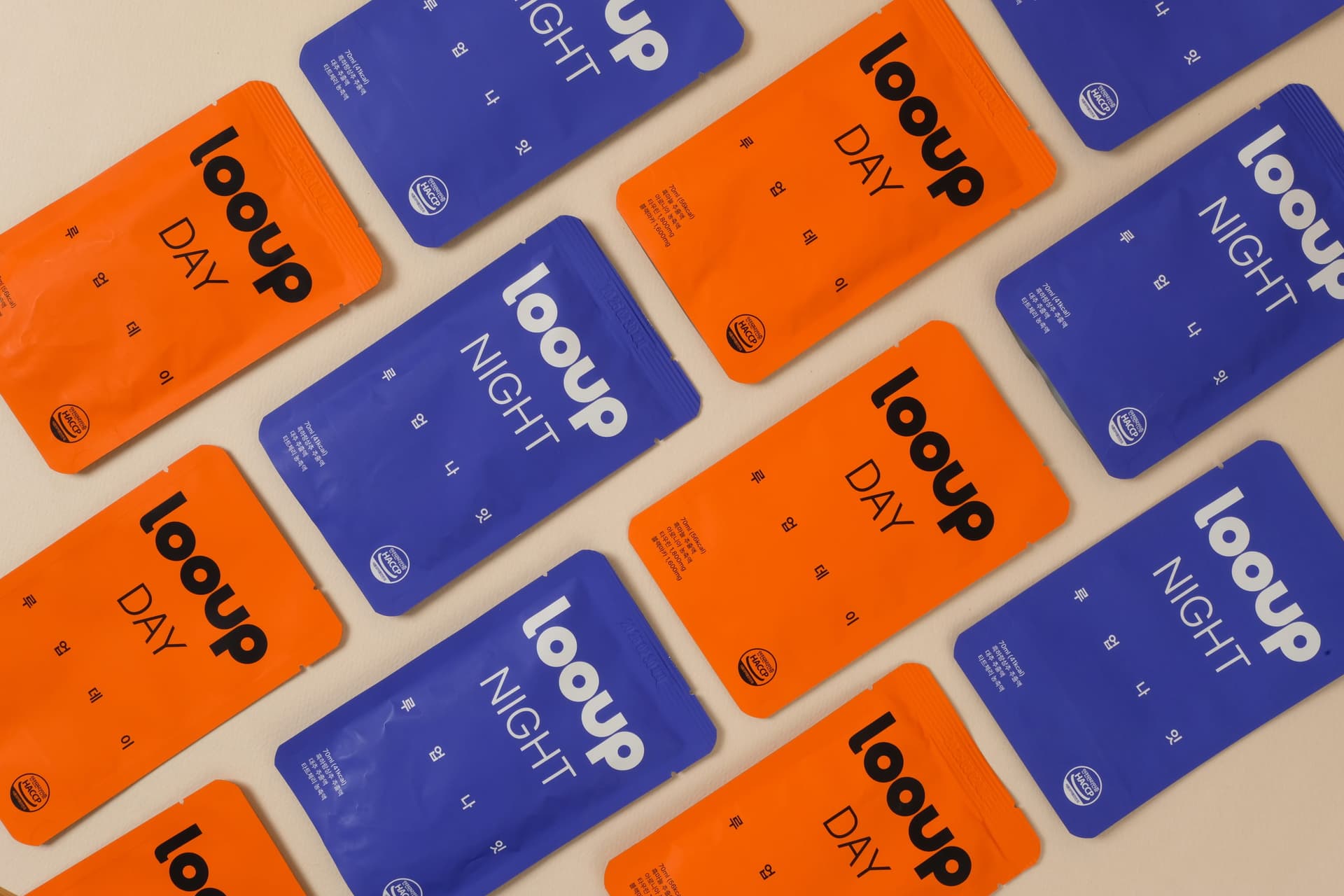
 Source: entrepreneur
There are countless competitors in the market. How can you stand out instead of becoming just another ordinary brand? Let’s look at what brand differentiation is, why it truly matters in business, and how you can actually differentiate your brand.
What Is Brand Differentiation?
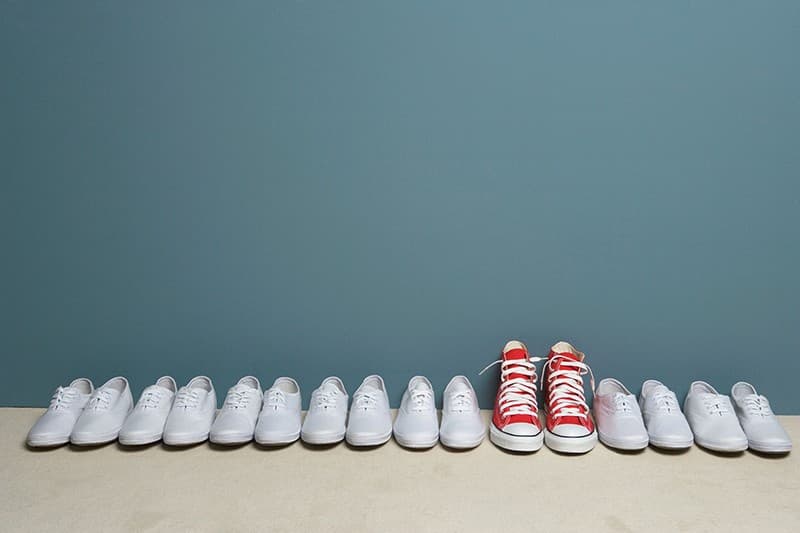 Source: linkedin
At the core of all marketing and branding is ultimately the “differentiation” of your brand from competing brands. Differentiation, quite literally, means showing what makes a brand special and highlighting the differences that set it apart from others. Being “different” means being “memorable” to customers. Just as important as making a good product is leaving a strong, positive impression. Building a brand inherently includes the concept of brand differentiation. That is why brand differentiation is an essential element in business.
Why Brand Differentiation Matters
 publicitymantra
When brand differentiation makes your brand stand out to consumers, you can gain a competitive advantage in many ways. First, you need to understand that branding is communication and relationship-building with consumers. Consumers actively recommend positively perceived brands to friends and family. So a brand with originality and distinctiveness is more likely to earn high trust and loyalty from customers. And that, in turn, means long-term growth in market share.
A brand with a clear image and identity also builds a clearly defined target audience. Unlike a company that simply sells inexpensive, good products, consumers tend to develop affection for a brand they feel shares their values. The more clearly a brand defines what it stands for, the more efficiently it can carry out a wide range of marketing strategies.
Consumers increasingly want to actively engage with brands. That is why brands need rich personalities and character, almost like a living person. Recently, successful companies have not hesitated to invest in this stage.
How to Differentiate Your Brand
1. Price Differentiation
 engage3
Even simply setting a price different from your competitors can effectively create differentiation. You can become an economy bestseller by setting a much lower price than the market average, or, conversely, build a premium brand image with a higher price.
2. Finding a Niche Market
 adage
adage
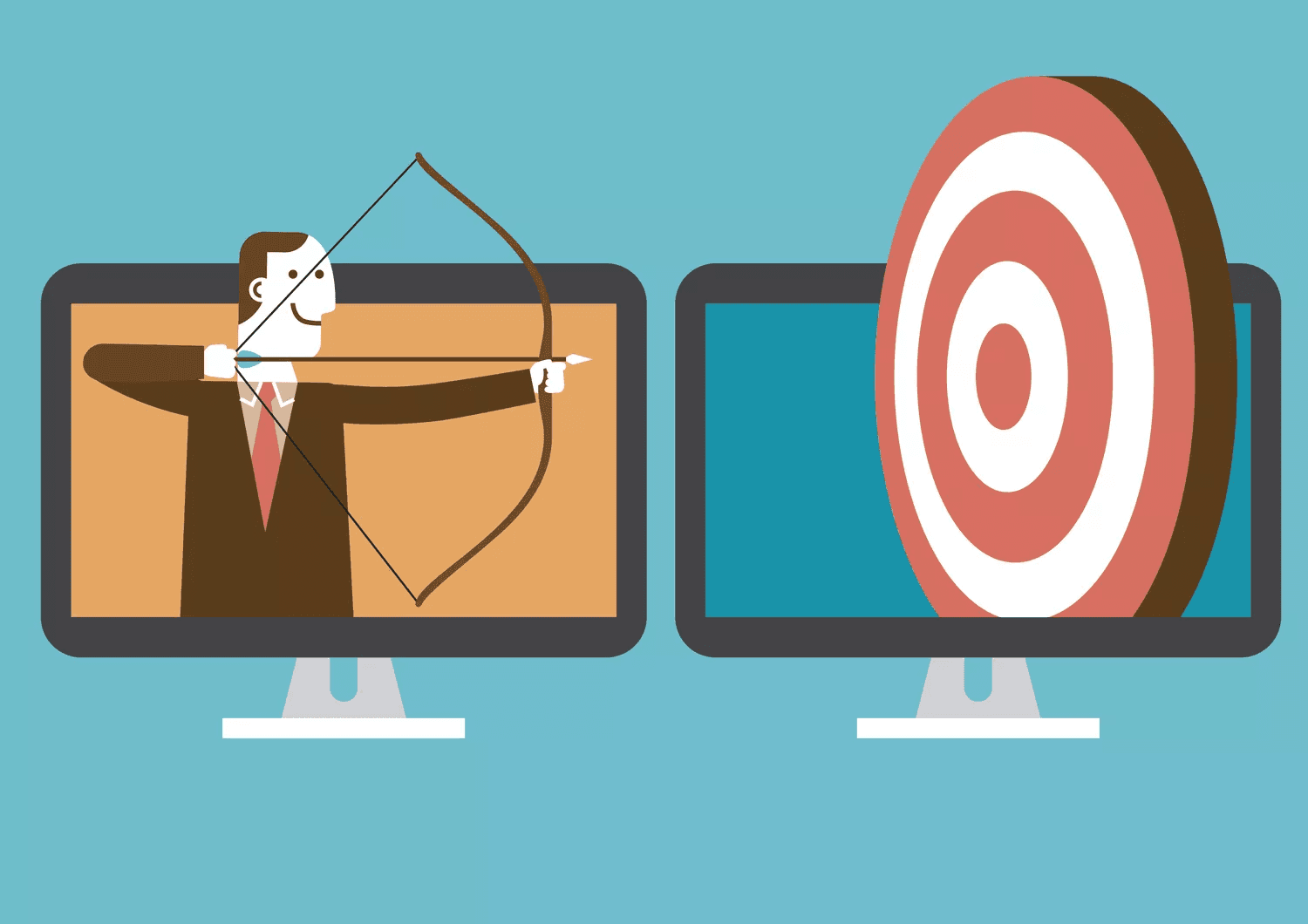
Sometimes differentiation is built into the product or service itself. Instead of entering an already overcrowded market, become a standout brand in a specialized market. For example, there is a case of selling body-mounted video cameras for athletes.
3. Using a Mascot
 thedieline
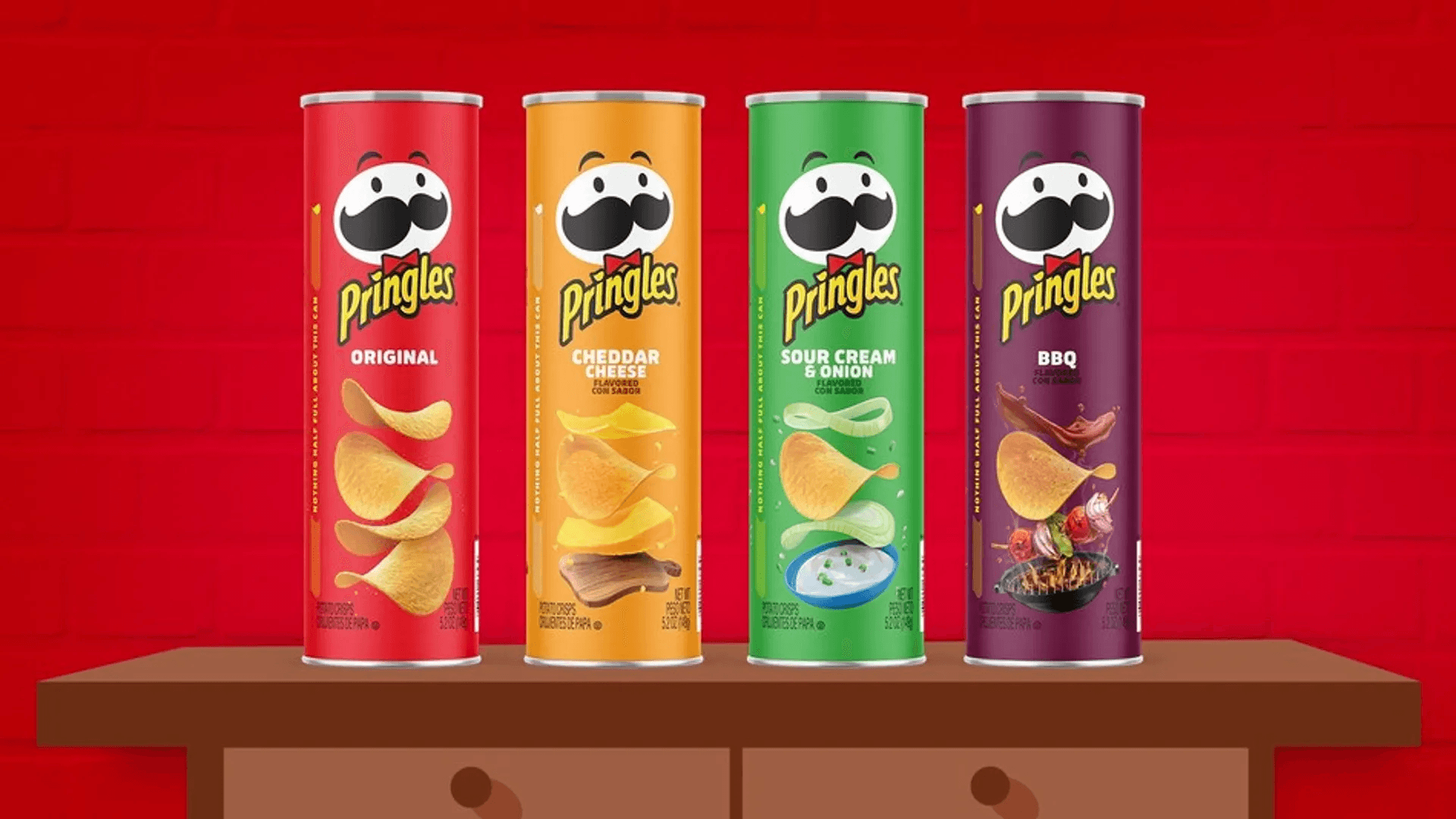
A brand mascot can be a powerful differentiator. It doesn’t even have to be strongly related to the actual product or brand identity. If you have a witty and cute mascot, consumers will feel that your brand has something different from the competition.
Don’t have a mascot of your own? Create one easily and quickly through our design service
4. Innovation in Technology, Products, and Packaging
 Packative
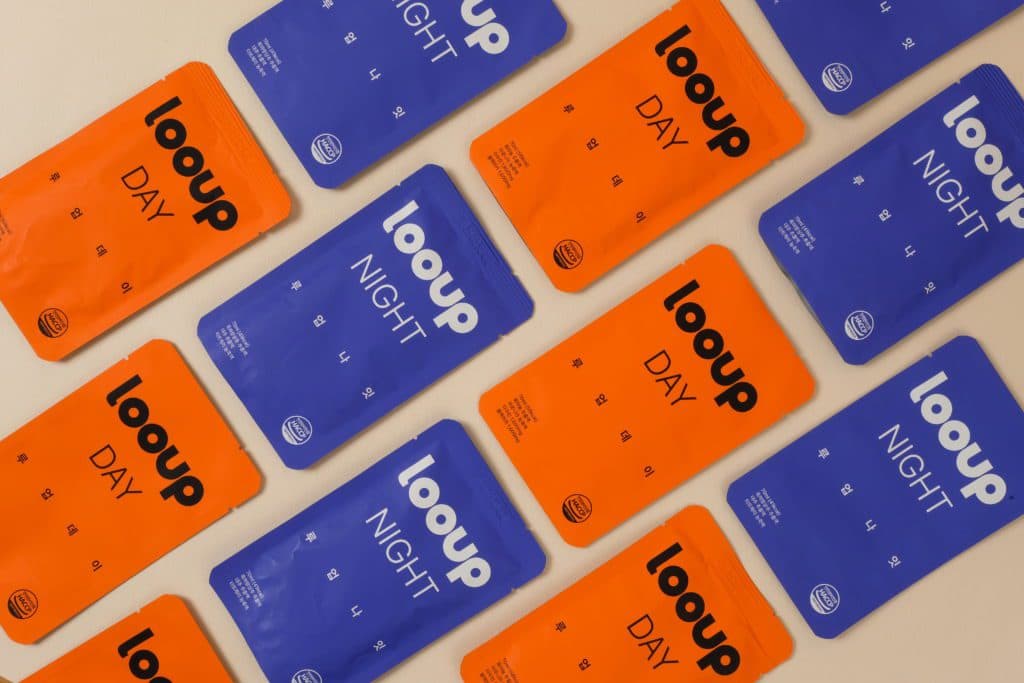
Introducing a completely new product or trying an idea no other company has ever attempted is an excellent way to differentiate. However, technological innovation can be expensive and difficult to take on. This is where packaging innovation can deliver major results with a smaller investment. Even if the product is the same, changing the packaging approach can make it appeal differently to customers.
5. Building Long-Term Relationships with Customers Through Emotional Marketing
 fabrikbrands
Appeal to emotions. Focusing only on product features and service details is an inefficient marketing approach. For example, instead of promoting that Coca-Cola tastes good, the brand emphasized the feeling of “happiness.” As a result, consumers began to associate Coca-Cola with happy everyday moments and pleasant gatherings.
“Emotional marketing” is a marketing technique that appeals to specific feelings such as happiness, joy, fear, and anger. Consumers build long-term, strong relationships with brands they feel emotionally connected to. In other words, they become a “friend” that shares their emotions.
6. Ensuring Website Accessibility and Product Availability
Building a good website is very important. A website that is more visually appealing and easier to use than those of other brands leads consumers toward purchase. Not only that, but the extent to which a company pays attention to website accessibility also affects the brand image itself. Websites can be difficult to use for people living in areas with poor internet access, those with limited related knowledge, or people with physical disabilities. A brand that works to address these accessibility issues using alt text, color contrast, text scaling, and more will of course be perceived as a “different brand” from ordinary brands.
Products can also be developed with availability in mind so that more people can use them fairly. For example, you can create products for left-handed users instead of designing only for the majority of right-handed users, or introduce Braille text on product packaging.
What to keep in mind for online shopping
For Effective Brand Differentiation
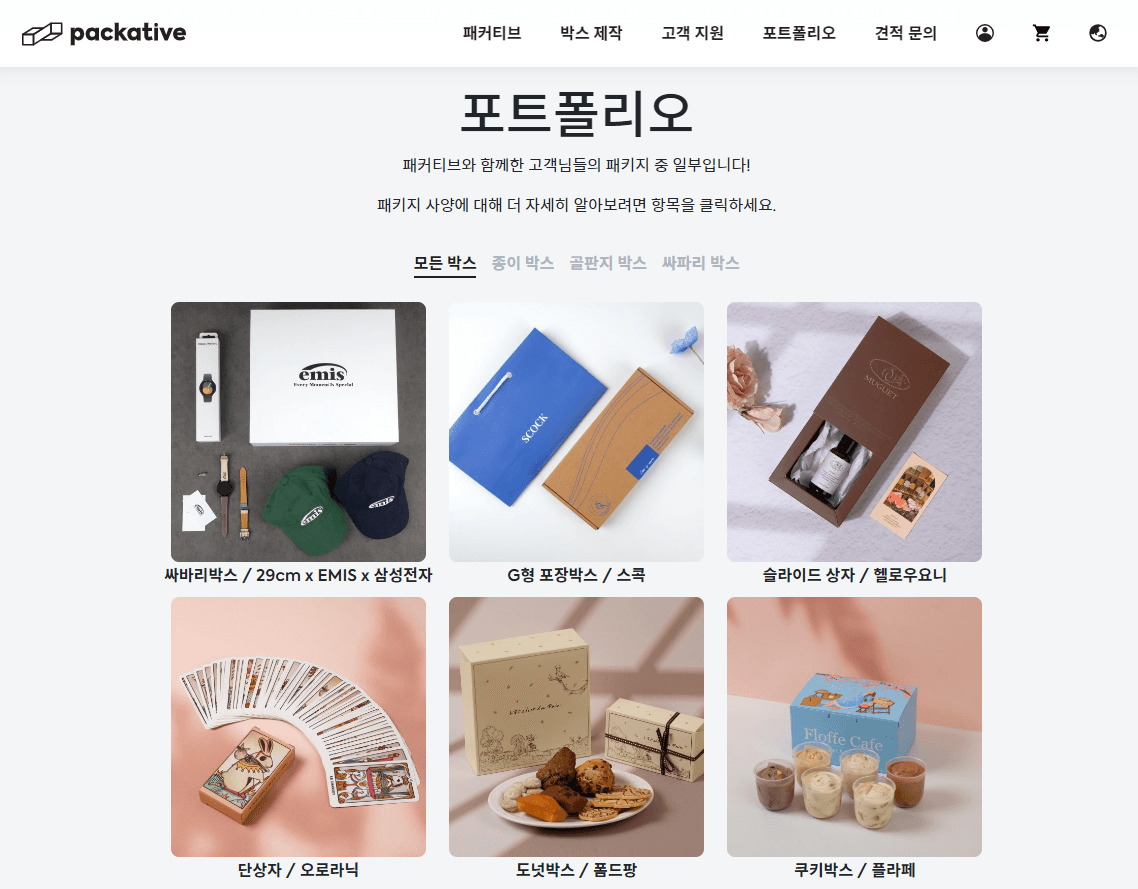
There are many ways to achieve brand differentiation. But one of the most cost-effective and effective methods is to make changes to design elements. That could mean new packaging design or creating a brand logo and slogan. For a customized design that clearly sets you apart from competitors, try Packative’s design service. From basic design to integrated brand design, you can choose a plan that fits the scale your brand needs.