Why Eco-Friendly Packaging Matters and the Many Types of Eco Packaging
Eco-friendly, eco, sustainability, green… these are words we encounter all around us these days. But using them carelessly can lead to the problem of “greenwashing.” Greenwashing means “false environmentalism” — promoting something as eco-friendly even though it does not actually contribute to protecting the environment...
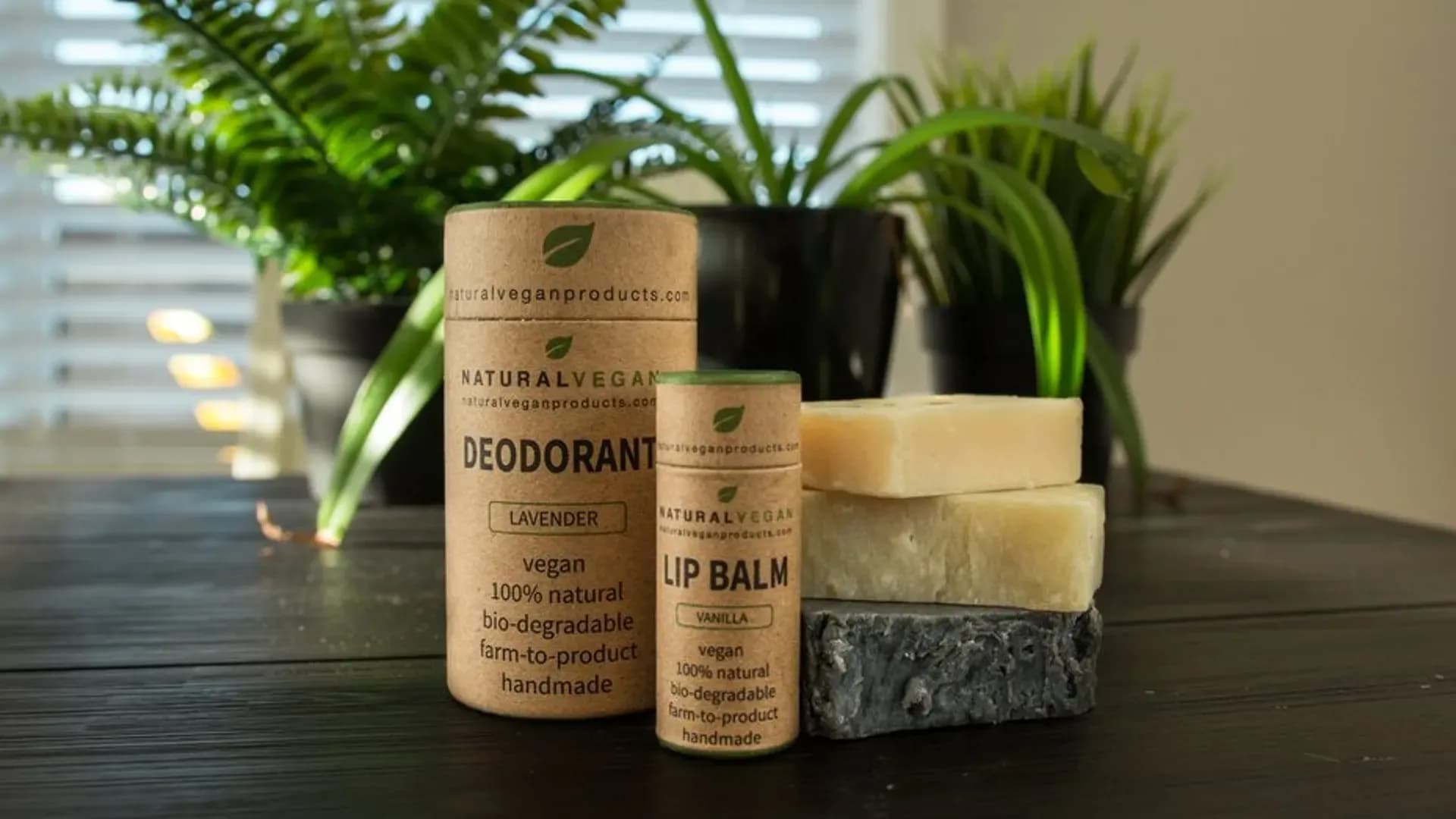
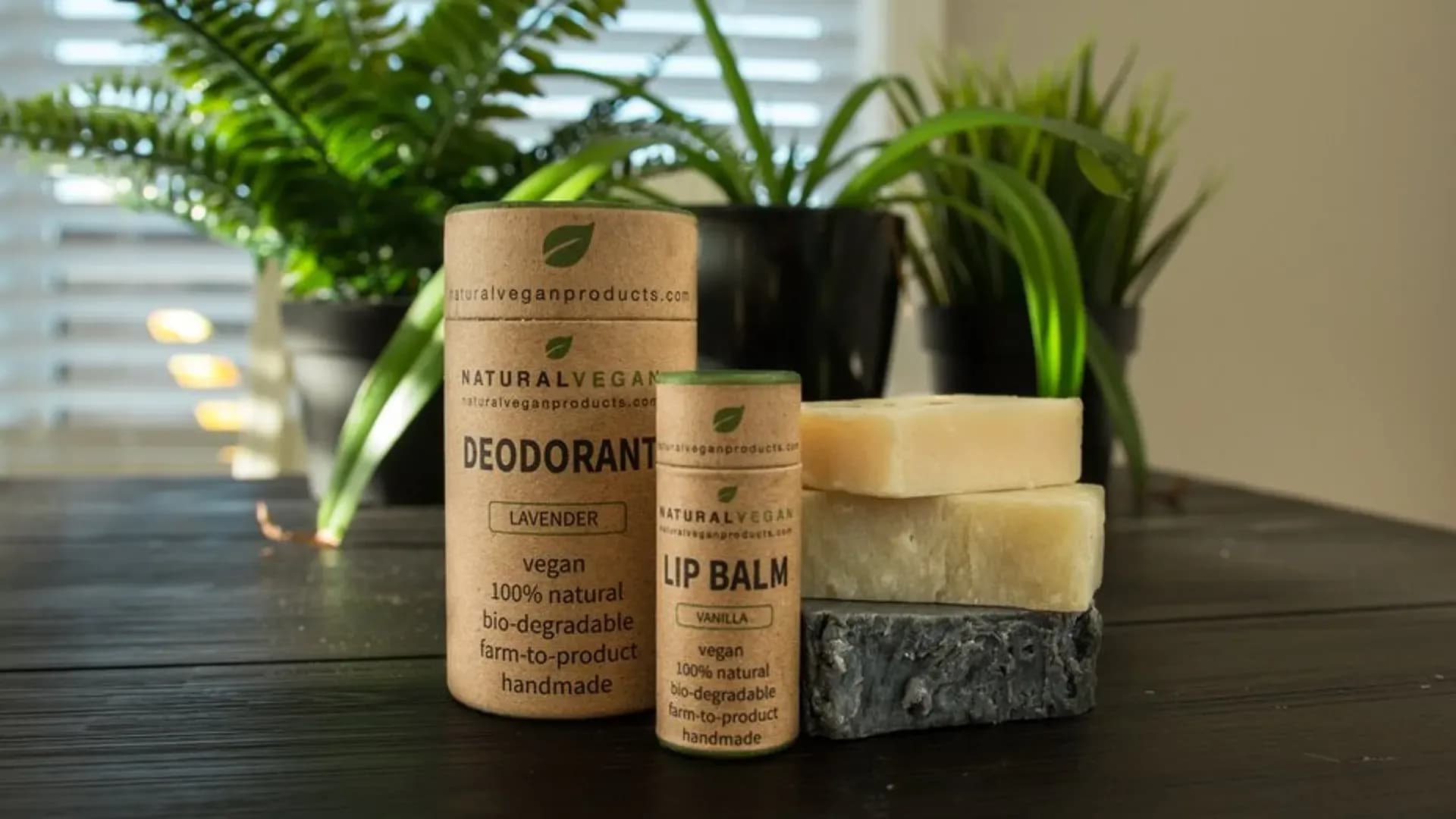 thedieline
Eco-friendly, eco, sustainability, green… these are words we encounter all around us these days. But using them carelessly can lead to the problem of “greenwashing.” Greenwashing means “false environmentalism” — promoting something as eco-friendly even though it does not actually contribute to protecting the environment. As environmental issues become more important and efforts to protect the environment grow, it becomes increasingly important to distinguish what is truly eco-friendly. So let’s take a closer look at what eco-friendly packaging is and how it can be put into practice.
What Is Eco Packaging or Eco-Friendly Packaging?
First, “eco-friendly” is the Korean expression for the English term “eco-friendly.” It refers to something that does not pollute or damage the earth and, furthermore, blends naturally with the environment as it is. So “eco-friendly packaging” and “eco packaging” are essentially the same thing. Still, there is plenty of room for debate. After all, not packaging at all is the most eco-friendly approach, so the idea of “eco-friendly packaging” itself can seem contradictory. That is why we need a more practical and specific definition: packaging “made from alternative, recycled, or reused materials, or packaging that will become so in the future.”
Eco-friendly packaging, get a preview first!
1. Reusability
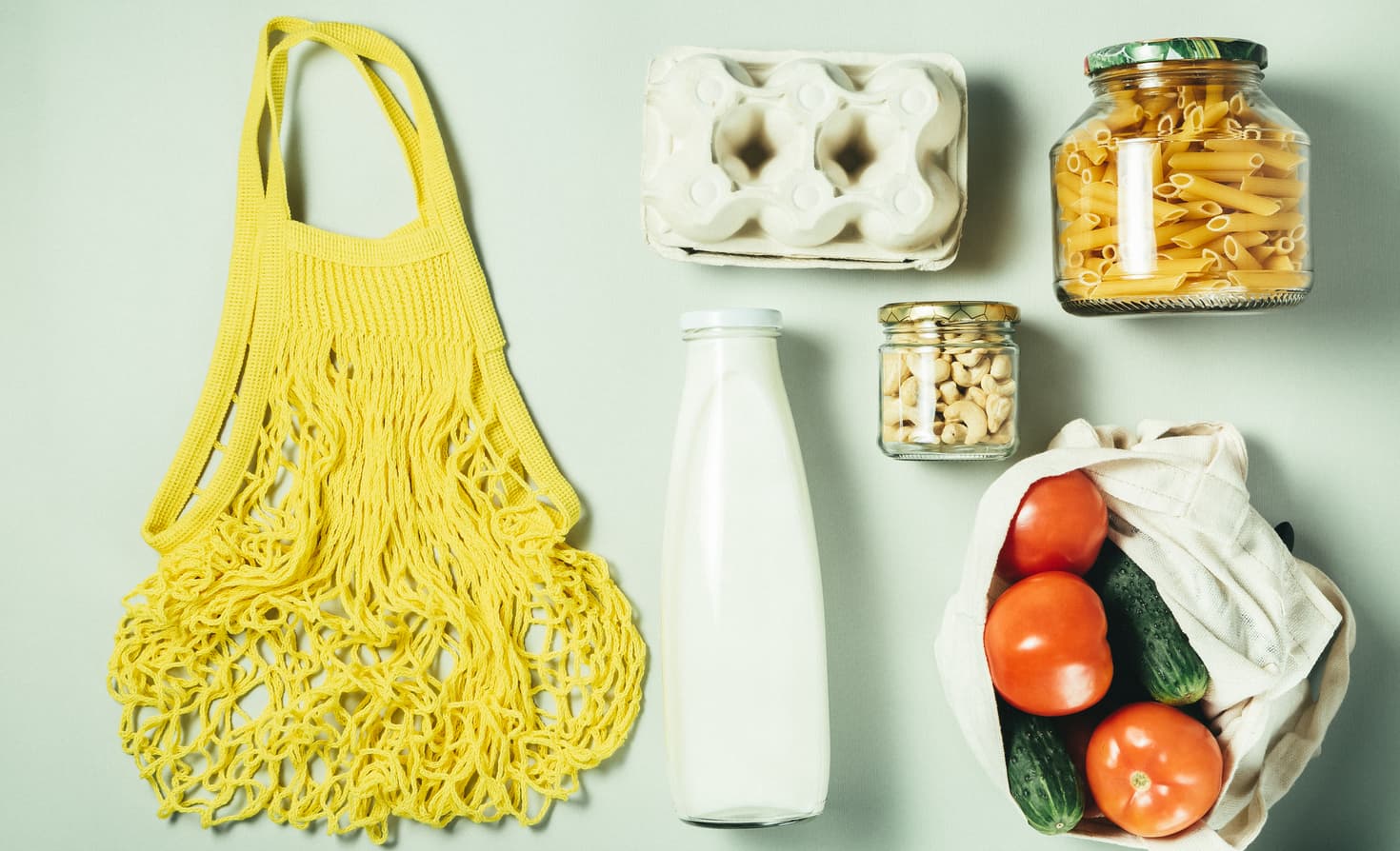 Source: greenbiz
When talking about eco-friendly packaging, the first thing that comes to mind is often what material it is made from. But using recycled paper is not the whole story. In fact, it may be even better to focus on “reuse” rather than “recycling” — that is, to design packaging with greater durability from the start so it can be used again and again for various purposes after the product has been packed. It’s similar to how, in cafes, bringing a reusable tumbler is encouraged more than using a paper cup instead of a plastic cup.
2. Compostability
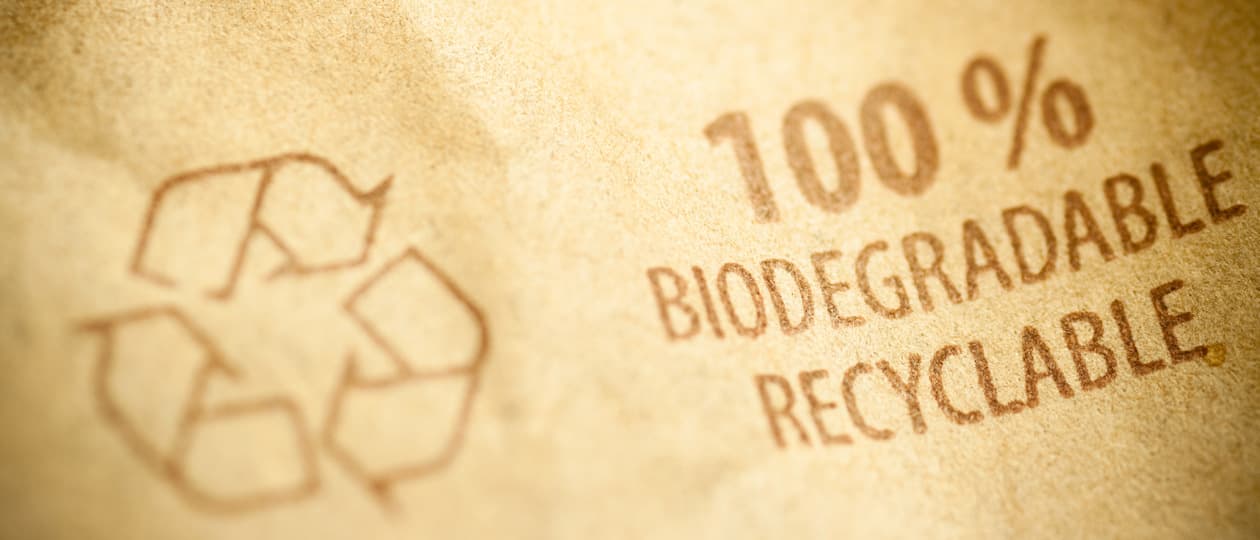 Source: alimentarium
If the purpose of eco-friendly packaging is to preserve nature as it is, then ideally the materials used in packaging should be able to return to nature in full. That is the core idea behind using biodegradable or compostable materials. Research into these kinds of materials continues, and several materials are already in use that do not create waste or release harmful substances during decomposition.
Eco-friendly corrugated box production lead time
3. Recycled Materials
 thedieline
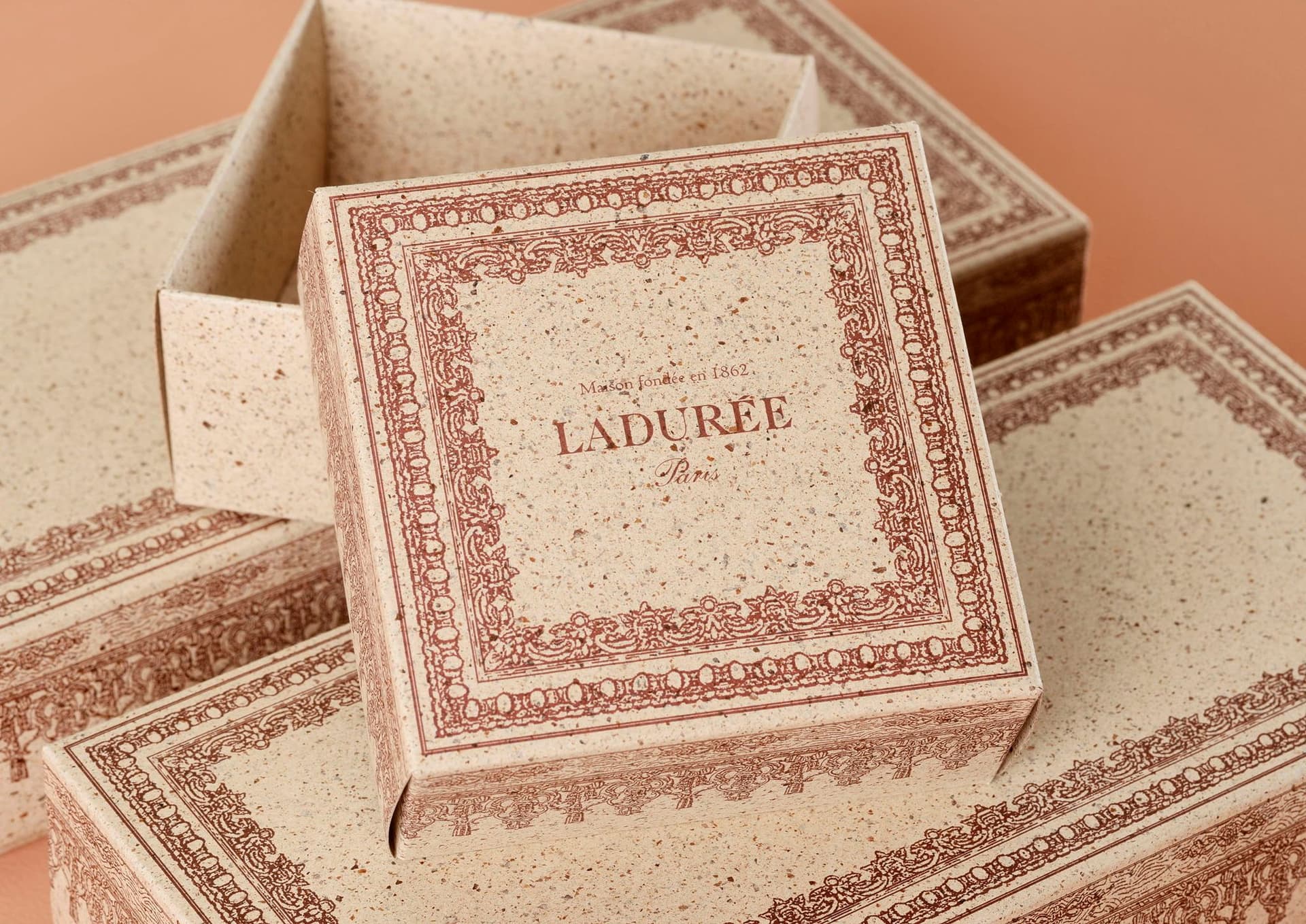
The most widely used option is packaging made from paper and other materials that have already been recycled or can be recycled later. Since recycling itself still consumes energy, this may not be the most ideal solution. Still, it is one of the most practical and accessible forms of eco-friendly packaging.
Why Eco-Friendly Packaging Matters
Eco-friendly packaging is not only good for the environment; it also brings many benefits to the companies and individuals that adopt it. There are many reasons to think about and practice eco-friendly packaging.
1. Environmental Benefits of Eco-Friendly Packaging
 Source: lekac
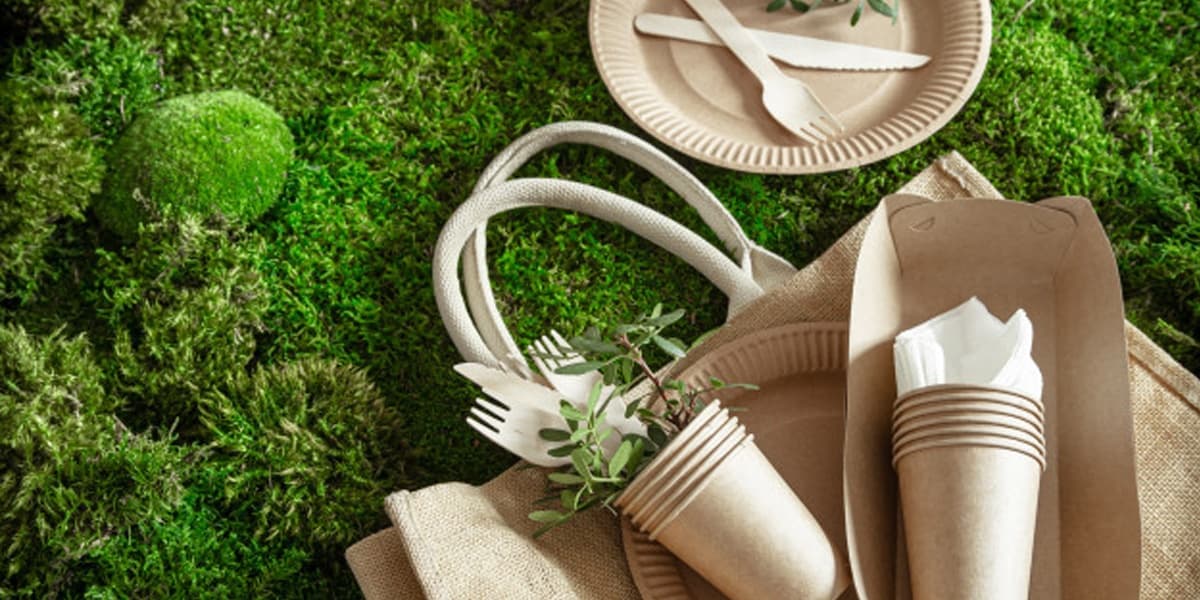
Using recycled materials instead of conventional plastic can reduce your carbon footprint. Packaging made from natural materials can be biodegradable or compostable, and disposal is much simpler. In addition, because harmful chemicals are not generated during the manufacturing process, the benefits are multiplied.
2. Business Benefits of Eco-Friendly Packaging
 Source: cosmeticsdesign
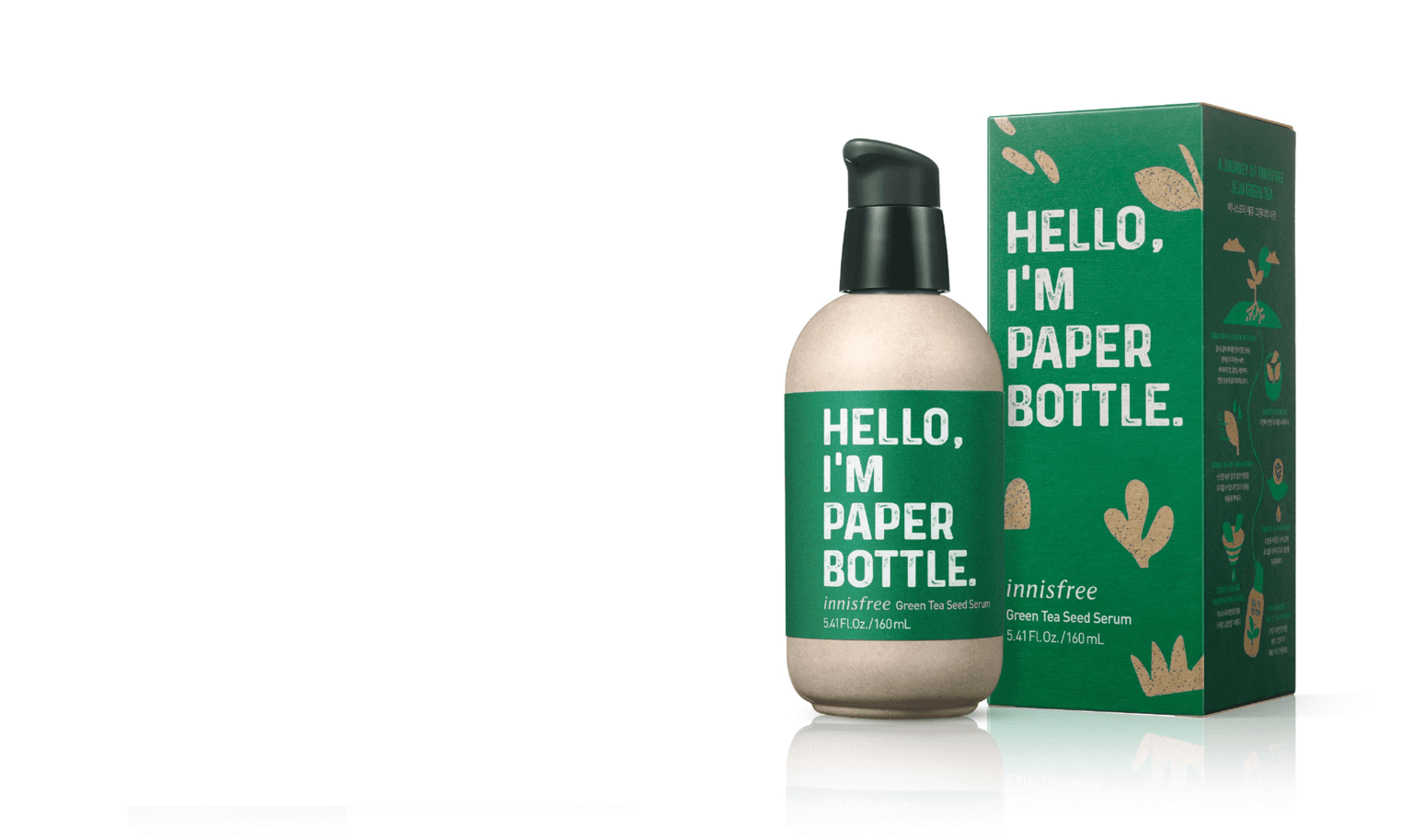
First of all, eco-friendly packaging can be used across virtually every industry. It is an option for sellers of all sizes and product types, including food, apparel, cosmetics, and electronics. It also helps improve brand image among consumers in these diverse sectors. Many popular brands have already declared their commitment to “sustainability” in their respective markets. On top of that, eco-friendly packaging also means avoiding overpackaging, which allows sellers to immediately reduce packaging and shipping costs.
Types of Eco-Friendly Packaging
When trying to practice eco-friendly packaging, it is easy to start wondering what needs to be sacrificed — things like attractive design, for example. But just like conventional packaging, eco-friendly packaging comes in many different types and options. You simply need to consider what works for your product and brand, compare the pros and cons, and choose the most suitable option.
Eco-friendly packages start with eco-friendly materials
1. Corrugated Board Packaging
 Source: fedex
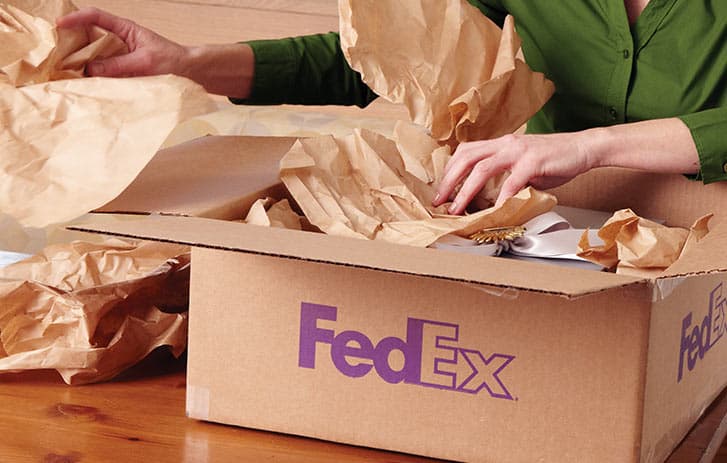
Once made, corrugated board is recycled an average of 7 to 10 times. That means a single sheet of corrugated board can be turned into 7 to 10 new packages. Since corrugated board is already one of the most widely used packaging materials, it has one of the highest recovery rates for recycling. It is especially common for shipping products sold online.
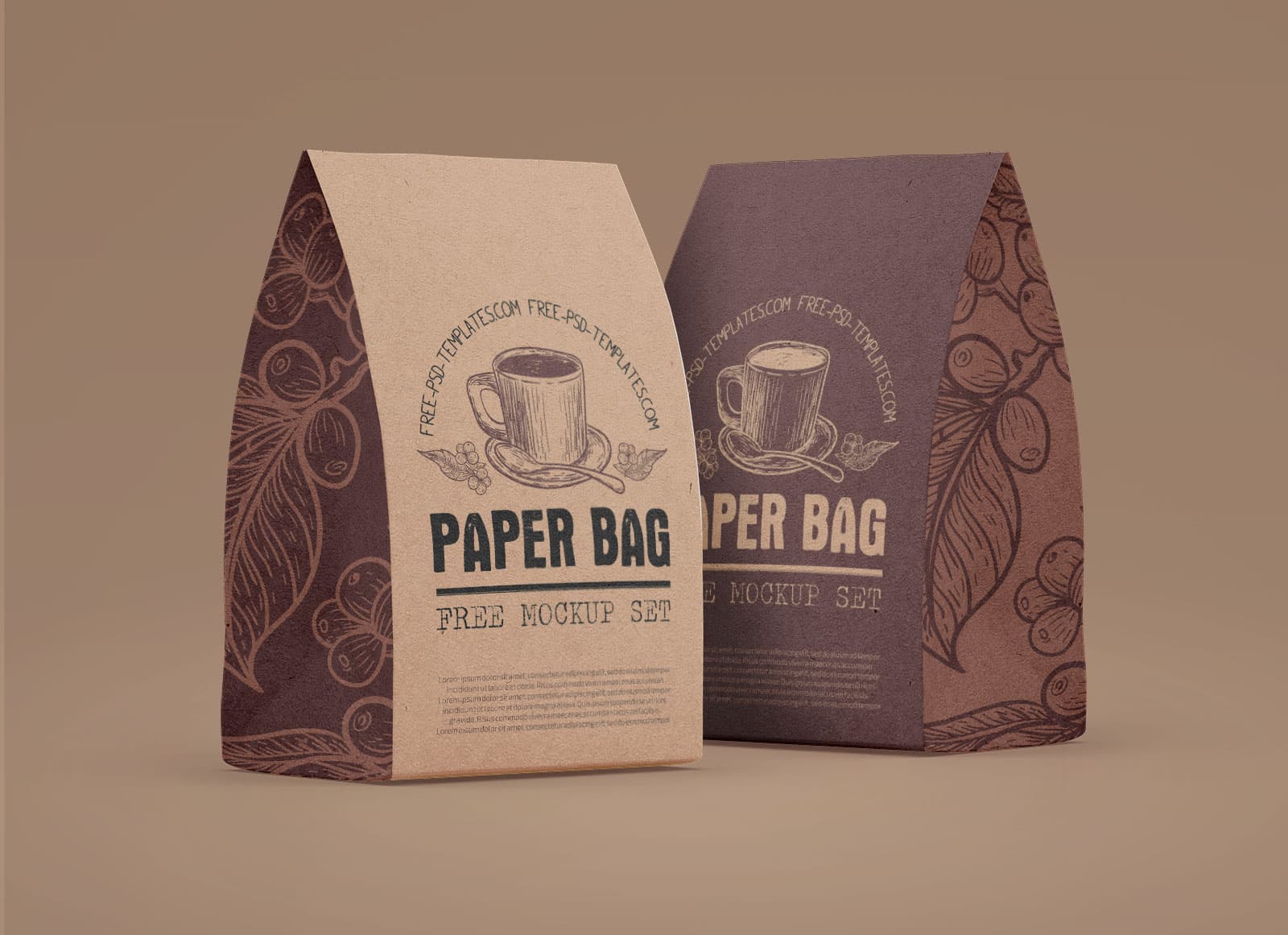
2. Kraft Paper Packaging
 Source: goodmockups
Kraft paper is made from wood pulp. It uses all types of wood, including resinous pine, which is not commonly used in regular paper production. Moreover, almost all of the chemicals used to make kraft paper can be reused. For that reason, it can be considered a much more eco-friendly manufacturing process than that of ordinary paper. If corrugated board is widely used for parcel packaging, kraft paper can be used in many ways when a more delicate design expression is needed.
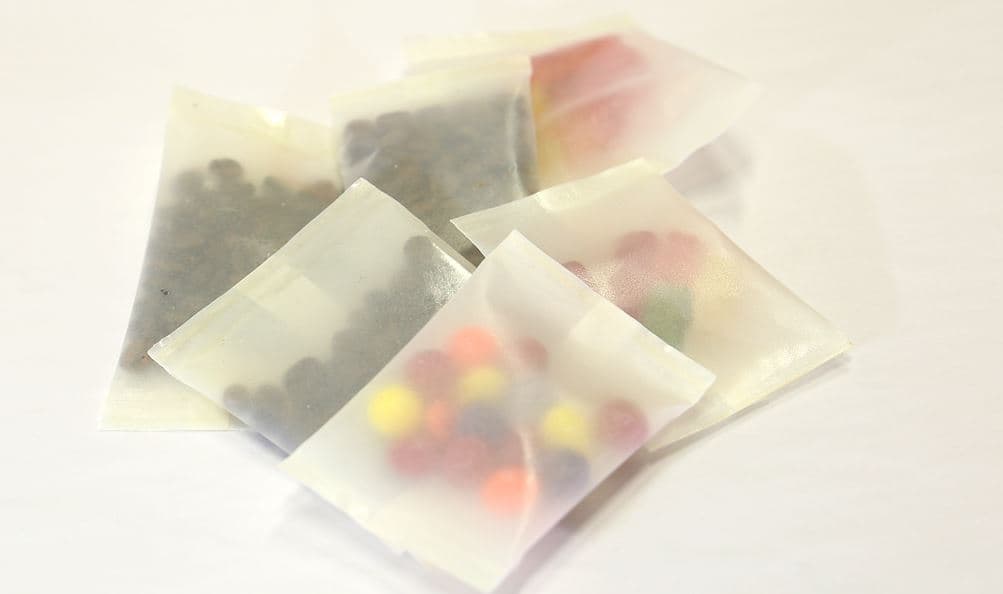
3. Cellulose Packaging
 Source: confectionerynews
Cellulose is the main component of plant cell walls and is also called fiber because it makes up plant fibers. Cellulose packaging is made from natural resources such as hemp and ramie, and wood — the raw material for pulp — also contains around 40–50% cellulose. Cellulose packaging is a representative biodegradable and compostable packaging method. In addition, it has excellent moisture resistance, making it effective for food packaging.
4. Eco-Friendly Mailing Bags
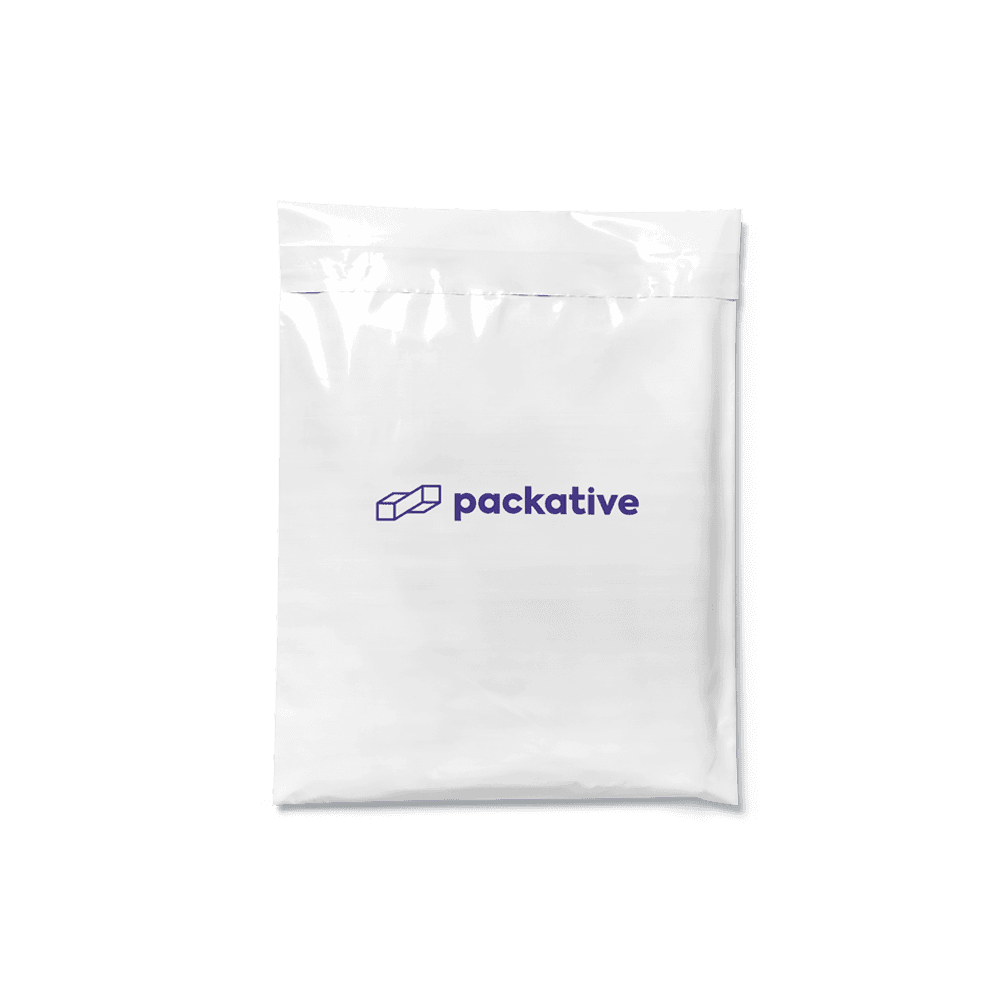
Eco-friendly mailing bags are bags made with eco-friendly film that fully decomposes in soil, unlike conventional plastic. They are especially suitable for packaging clothing, and can be ordered in the size you need. Eco-friendly film may still be unfamiliar to us, but it is widely used as plastic that decomposes in the ground. While ordinary plastic takes 100 years to break down in soil, biodegradable mailing bags return to the earth in just 180 days.
5. Eco-Friendly Handle Bags
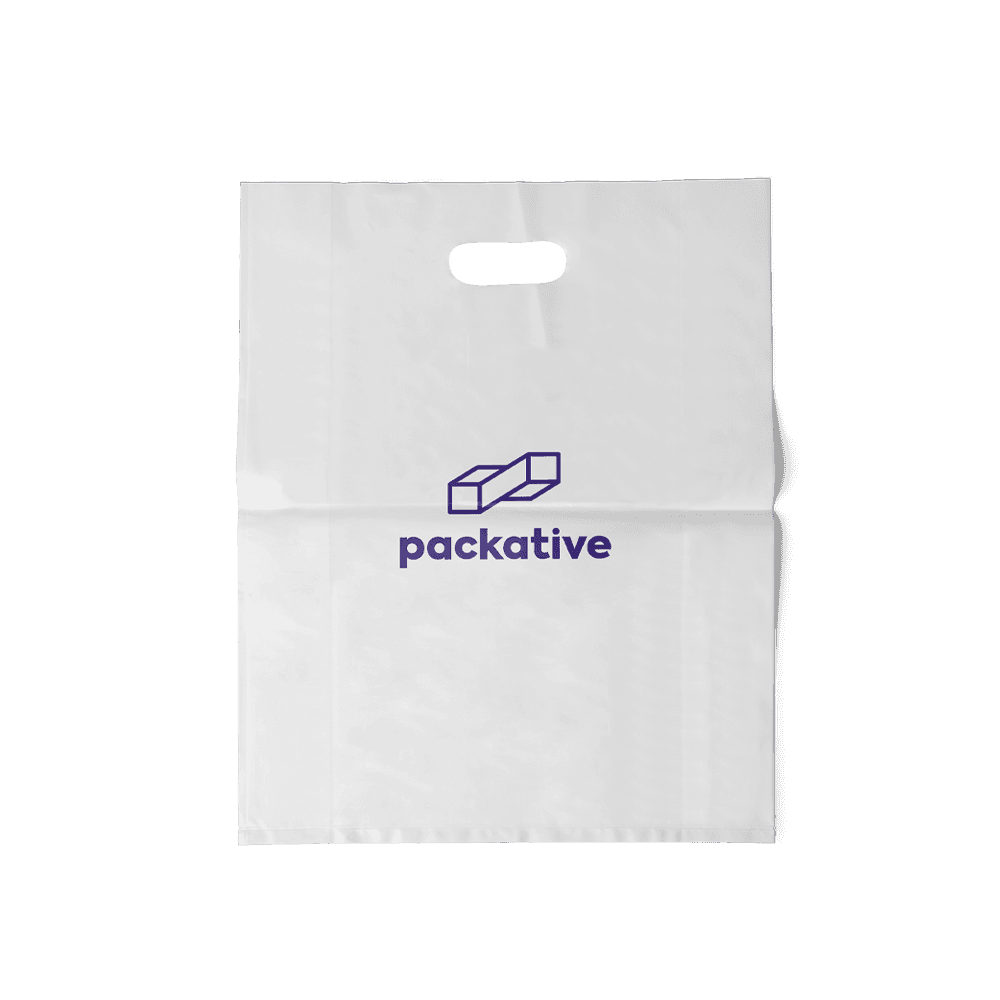
Eco-friendly handle bags are bags made from eco-friendly film with round-cut handles. They are more suitable for lightweight, bulky products than heavy items. Handle bags that decompose in soil in 90 days are useful when you want to combine branding and sustainability, since your logo and text can be printed on them.
6. Kraft Tape
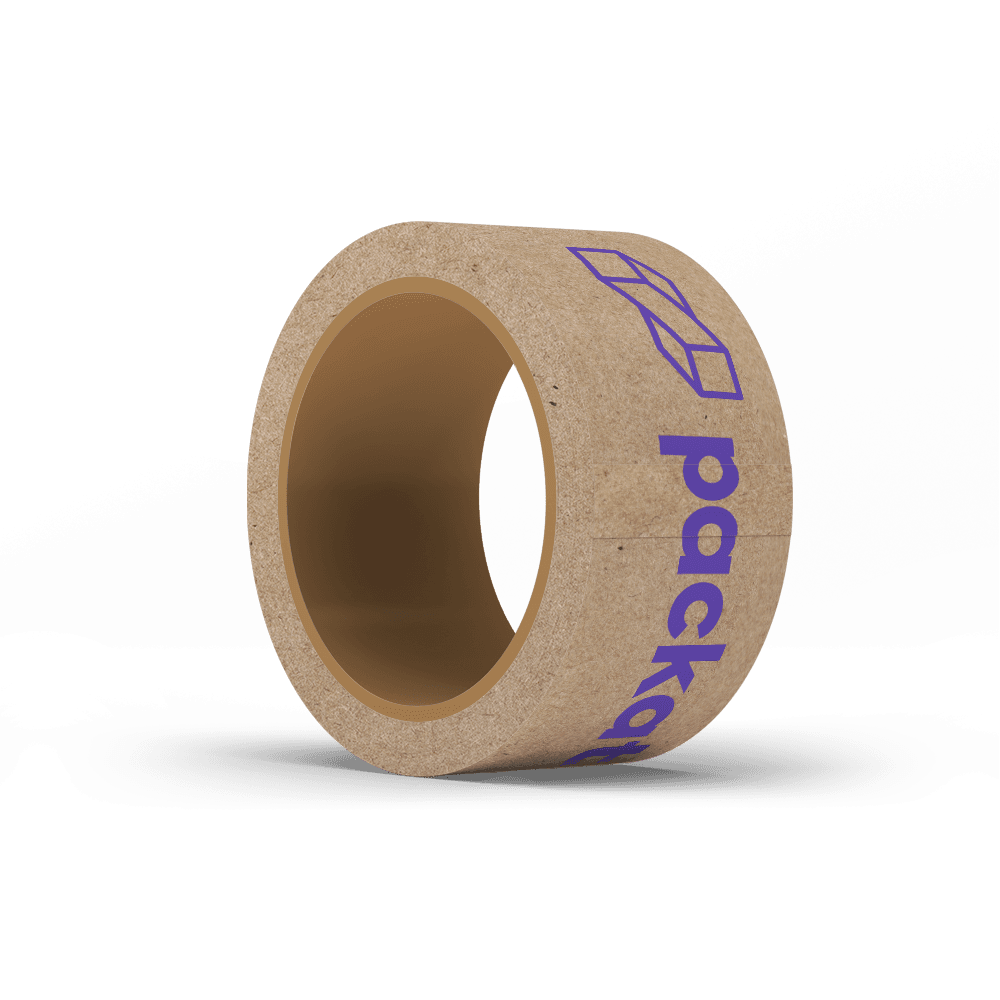
Kraft tape is made from an eco-friendly kraft material and has excellent adhesion, so it is used with a variety of boxes. It is mainly used in packaging for cosmetics and food companies that value sustainability. This eco-friendly tape is made without coating and can be disposed of while still attached. In today’s eco-conscious market, corrugated boxes and kraft tape are becoming strong alternatives to plastic.
7. Glassine Packaging
 etsy
etsy
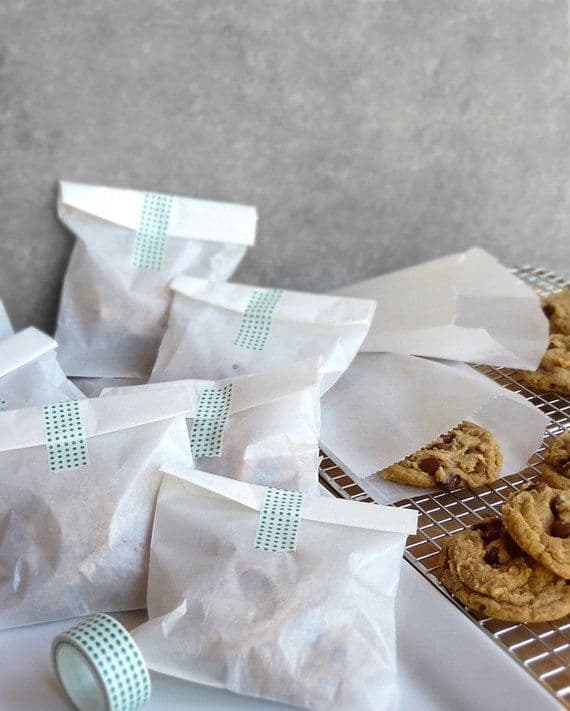
Glassine is a transparent, smooth, and glossy paper. It can achieve effects that might seem possible only with plastic, while still being a substitute material. Glassine is made from wood pulp, so it is recyclable and biodegradable, and it is pH-neutral and acid-free. Even if the final outer packaging for a product is a paper box, many products still end up needing plastic film at least once for extra protection. Glassine is an excellent option in those cases.
8. Cornstarch Packaging
 mviecopack
Packaging made from cornstarch is already widely used in Korea. Cornstarch is a renewable resource and contains no harmful toxins. It is becoming a popular alternative to materials such as bubble wrap and Styrofoam, so it is used both as cushioning material and as a case. It is a great biodegradable packaging material.
9. Green Cell Foam Packaging
 Source: greencellfoam
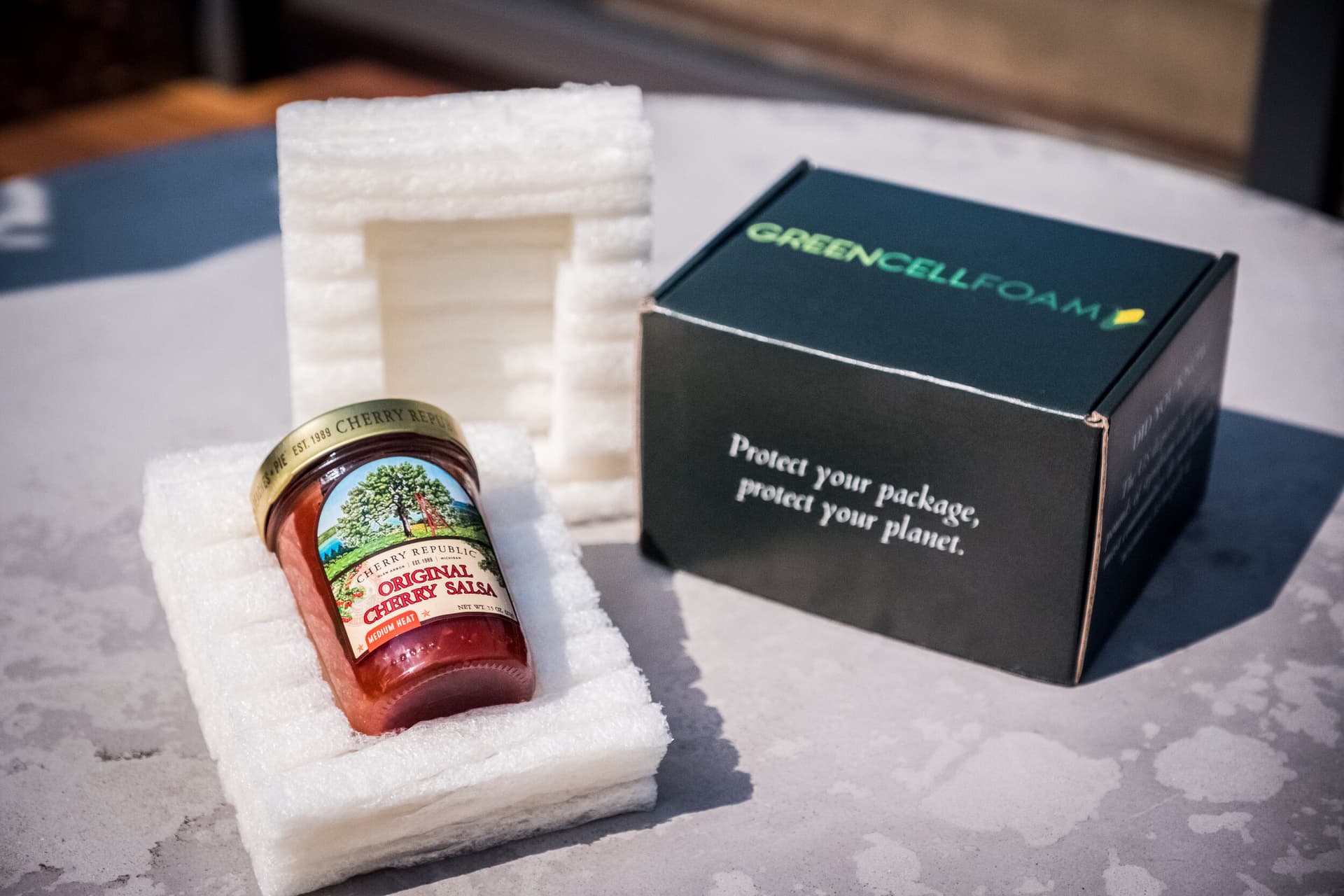
Green Cell Foam is made from American-grown corn. After use, it can be easily dissolved in water and discarded, and it is also compostable. Like cornstarch or mushroom-based materials, it is used as cushioning or fixation material. If you need an eco-friendly package, as in the examples above, check out the method below.
Want to learn more about eco-friendly packaging?
If You Need a Partner to Discuss Eco-Friendly Packaging
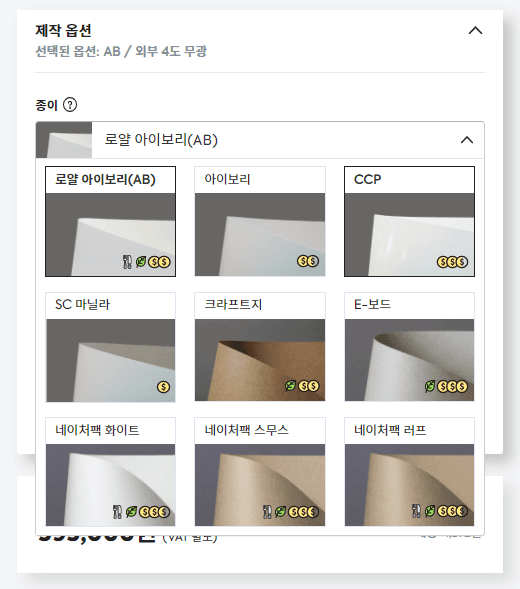
As shown above, eco-friendly packaging comes in many types and methods. In the U.S. and Europe, these various approaches have gone through research and development and are now used across many sectors, but in Korea the movement is still not as active. At Packative, a specialist in customized box production for a wide range of products, we offer “eco-friendly options” for custom box making. Create the packaging you want, with the design and finish you want, together with eco-friendly choices.
Get the box type you want right now, with eco-friendly options